Size
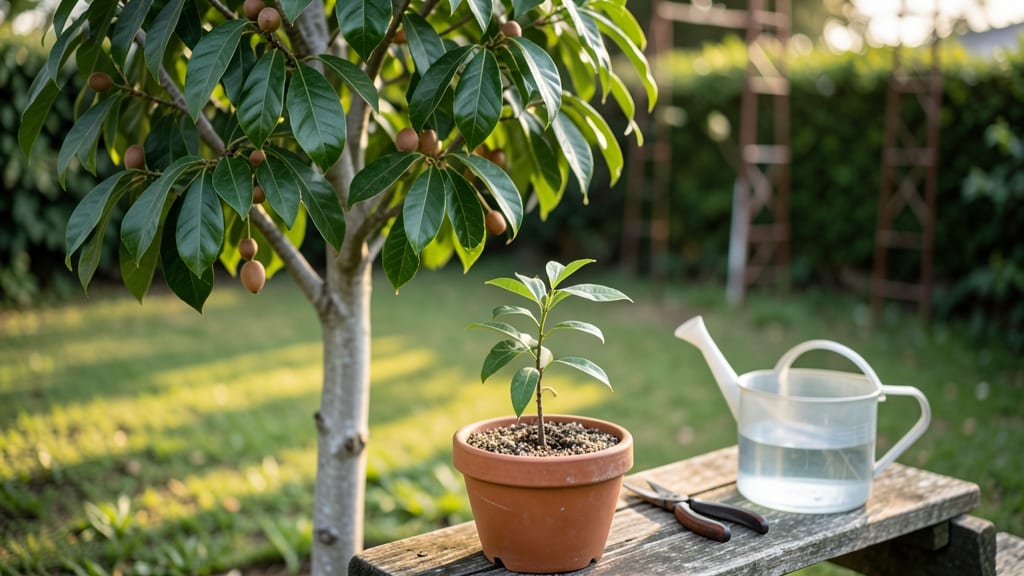
Growing a longan tree in the Pacific Northwest might sound impossible, but I’ve done it—and so can you. 🌱 These sweet, translucent fruits thrive in warm climates, but with the right microclimate tricks, you can coax one to fruit even in cooler zones.
The key lies in protecting it from frost, mimicking its native tropical home while adapting to your region’s challenges.
You’ll need a large container (at least 15-gallon) or a sheltered spot in your yard, well-draining soil mixed with compost, and a reliable way to move the tree indoors or under cover when temperatures dip below 40°F.
Longans love heat but hate soggy roots, so a sunny patio or greenhouse becomes their summer sanctuary. Patience is critical—fruit production takes 5-7 years, but the journey is worth it for that first taste of homegrown longan.
By summer’s end, you’ll be harvesting clusters of sweet, juicy fruit straight from your tree. The texture is like a mix between lychee and grape, and the flavor—well, it’s a revelation if you’ve never tasted a truly ripe one.
With proper care, your tree can live for decades, rewarding you with harvests year after year. Let’s get started on making this tropical dream a reality in your garden.
Fair warning: Longans demand attention, especially in cooler climates. You’ll need to monitor humidity, protect against pests like scale insects, and prune strategically to encourage fruiting. But the payoff—a bowl of fresh longans in your PNW kitchen—makes every extra step worthwhile. Ready to take the plunge?
📚 In This Guide
- What you need
- Instructions
- Tips and common mistakes
- Wrapping up and next steps
What you need
- ● Longan seeds or saplings: 1-5 (ensure they’re fresh or healthy nursery-grown saplings for faster results).
- ● Large pots (10-15 gallons) or garden bed: At least 2-3 pots per sapling if starting indoors, or a well-draining, sunny spot in your yard (6+ hours of sunlight daily).
- ● Well-draining potting mix: 5-10 bags (use a blend of cactus/succulent mix with perlite or sand for aeration).
- ● Fertilizer: Balanced 10-10-10 fertilizer (1-2 lbs per tree, applied every 4-6 weeks during growing season).
- ○ Citrus-specific fertilizer (optional but helpful for nutrient boosts).
- ● Pruning shears: 1 pair (sterilized with rubbing alcohol to prevent disease).
- ● Mulch (organic): 1-2 bags (straw or wood chips to retain moisture and regulate soil temp).
- ● Drip irrigation or watering can: 1 (longan trees need consistent moisture but hate soggy roots).
- ● Shade cloth (30-50% coverage): 1 roll (for young trees in PNW’s cooler summers or harsh sun).
- ● Grafting tools (if grafting): 1 set (including grafting knife, tape, and sealant for advanced growers).
- ● Grow lights: 1-2 (for indoor seed starting or extending growing season in cloudy PNW winters).
- ● Soil moisture meter: 1 (to avoid over/under-watering—longan trees are sensitive!).
- ● Pest control (neem oil, horticultural oil): 1-2 bottles (prevents aphids, scale, or spider mites).
- ● Tree supports (stakes/burlap): 2-4 (for young saplings in windy PNW areas).
- ● Heat mat (for seed germination): 1 (speeds up germination if starting from seed).
Step-by-Step instructions for cultivating longan trees in cool climates
Here’s how to coax this heat-loving fruit into thriving—even where summers barely hit 80°F.
🌱 Step 1: Select the Right Cultivar and Propagation Method
Longans (Dimocarpus longan) thrive best from semi-dwarf grafted trees (available from tropical specialty nurseries). Avoid rootstocks like Dimocarpus longan ‘Foyshih’—they’re prone to cold damage. If starting from seed (not recommended for fruit quality), expect 5-7 years before potential fruit. Grafted trees fruit in 3-5 years when given ideal conditions.
I’ve found ‘Champagne’ and ‘Kwai May Pink’ varieties handle cooler nights better than others. Order bare-root trees in early spring and plant immediately upon arrival. If mailing isn’t an option, keep the root ball wrapped in damp burlap and refrigerated until planting—roots dry out fast once exposed.
☀️ Step 2: Mimic Tropical Conditions with Microclimates
Longans need full sun (6+ hours daily) and warmth (75-90°F)—so create a protected microclimate. In the Pacific Northwest, place your tree against a south-facing wall or near a heat-absorbing brick or stone. A 10-foot-tall windbreak (like bamboo screens) traps heat and shields from cold drafts.
For extra warmth, install a small patio heater (like a propane space heater) near the tree during spring and fall. Keep it running only at night when temperatures drop below 50°F. Avoid direct heat on leaves—position it 3 feet away to prevent scorching. Monitor soil temperature with a soil thermometer: roots need to stay above 60°F to thrive.
💧 Step 3: Master Watering and Soil for Cold-Climate Resilience
Longans hate soggy roots but wilting signals stress. Water deeply every 5-7 days during summer, soaking until 12 inches deep—check by inserting a screwdriver. In winter, reduce to every 10-14 days, letting the top 4 inches dry out between waterings. Overwatering in cool weather suffocates roots and invites root rot, a silent killer.
Amend native soil with 3 inches of compost and 20% perlite to improve drainage. Longans prefer slightly acidic soil (pH 5.5-6.5)—test with a meter and adjust with elemental sulfur if needed. Mulch with 4 inches of pine bark to insulate roots and retain moisture. Keep mulch 6 inches away from the trunk to prevent rot.
✂️ Step 4: Prune for Cold Hardiness and Fruit Production
Prune only in late winter (February) before new growth starts. Remove dead, crossing, or weak branches first—longans fruit on new wood, so aggressive pruning reduces yields. Thin 10-15% of the canopy to improve airflow, which cuts down on fungal diseases like anthracnose.
Watch for suckers (shoots at the base)—remove them immediately. These divert energy from fruit production. After flowering, thin fruit clusters to 3-4 longans per branch to ensure larger, sweeter fruit. Overloaded branches snap under the weight, and small fruit stays tart.
🪴 Step 5: Overwinter with Strategic Protection
Longans cannot tolerate frost—even 28°F damages leaves. In Zone 8 and cooler, wrap the entire tree in burlap and cover with a 4mm clear plastic tent (like a mini greenhouse) secured with bricks. Remove the tent on mild days (above 55°F) for airflow to prevent mold buildup.
For Zone 7 and colder, dig up the tree in late fall, pot it in a 20-gallon container, and move it to an unheated garage or shed with grow lights. Keep soil barely moist and resume outdoor placement in late spring after last frost. This method has saved my trees through Zone 6 winters—though fruit production drops significantly.
Tips & tricks for growing longan trees in cooler climates
Growing tropical longans in cooler regions takes strategy—here's how to give your tree the best shot at success.
Microclimate Mastery: The key to thriving longans in cooler climates lies in creating a protected microclimate. Beyond the south-facing wall or windbreak mentioned in Step 2, consider adding a black plastic ground cover around the base—it absorbs heat during the day and radiates it back at night, helping maintain those critical 60°F soil temperatures. I've seen this simple addition raise soil temps by 5-10°F after sunset, which makes all the difference when nighttime temps dip below 50°F.
Soil Temperature Monitoring: Those 60°F soil temperature guidelines in Step 2 aren't just arbitrary—they're the minimum for root activity. Invest in a soil thermometer with a long probe (12+ inches) to check temperatures at root level, not just surface temps. I learned this the hard way when my first tree struggled despite perfect air temps—surface soil was warm, but roots were still chilly. Check soil temps at sunset (when roots need warmth most) and again at sunrise to catch any dangerous drops.
Winter Survival Hacks: For Zone 7 and colder growers implementing Step 5's overwintering method, here's what I've found works best: Use a 20-gallon container with drainage holes and fill the bottom 6 inches with gravel before adding soil. This creates an insulating air gap that prevents root rot from winter moisture. Also, place your potted tree near a south-facing window during the day to maximize light exposure—your grow lights can't replace natural sunlight for photosynthesis. I've had success using LED grow lights on a timer (12 hours/day) to supplement, but natural light is always better.
Frost Protection Layering: When implementing the 4mm clear plastic tent in Step 5, add an extra layer of protection against 28°F temps: wrap the plastic with bubble wrap on the inside. This creates an insulating air pocket that can raise temperatures by 5-8°F during cold snaps. Make sure to secure all edges tightly with bricks or weights to prevent cold air infiltration. I've tested this method during Zone 6 winters and seen it protect leaves from frost damage when temps would otherwise drop to 26°F.
Pro Tips for Grow Longan Tree
- Growing tropical longans in cooler regions takes strategy—here's how to give your tree the best shot at success.
- Microclimate Mastery: The key to thriving longans in cooler climates lies in creating a protected microclimate.
- Soil Temperature Monitoring: Those 60°F soil temperature guidelines in Step 2 aren't just arbitrary—they're the minimum for root activity.
Frequently asked questions
Growing longan trees can feel tricky, especially in cooler climates like the Pacific Northwest! Here are answers to some of the most common questions to help you navigate the process with confidence.
Can I grow a longan tree indoors?
While possible, longan trees thrive outdoors in warm climates. Indoors, they’ll struggle with light and humidity unless you have a bright, sunny spot (like a greenhouse) and maintain high humidity levels. If you’re set on indoor growth, choose a dwarf variety and supplement with grow lights.
How long does it take for a longan tree to bear fruit?
Patience is key! Longan trees typically take 5–7 years to produce fruit from seed, though grafted trees may fruit in 3–5 years. In cooler climates, fruiting may be delayed further. Focus on nurturing the tree’s health first—proper care speeds up the process.
Will my longan tree survive winter in the PNW?
Longans are tropical and not frost-hardy. In the PNW, grow them in containers and move them indoors (or to a protected garage) when temperatures drop below 40°F (4°C). If planted in the ground, use heavy mulch and microclimates (like near a south-facing wall) to minimize cold damage.
What are the signs of a sick longan tree?
Watch for yellowing leaves (nutrient deficiency or overwatering), drooping branches (underwatering or root stress), or white powdery spots (fungal issues like powdery mildew). Prune affected areas, adjust watering, and use fungicide if needed. Prevention? Ensure good drainage and avoid wet foliage.
Are there longan alternatives for colder climates?
If longans prove too finicky, try lychee (similar care but slightly hardier) or loquat (more cold-tolerant). For a PNW-friendly tropical vibe, consider figs or persimmons, which handle cooler temps better while still offering sweet rewards.
Wrapping up and next steps
Growing a longan tree in the Pacific Northwest is absolutely doable—just remember: patience, the right conditions, and a little tropical love are all you need! 🌱 With proper care, your tree can thrive, reward you with fragrant blooms, and eventually produce those sweet, juicy fruits.
Whether you're starting from a seed, grafted sapling, or a mature plant, each step brings you closer to your own tropical harvest.
Now that you’re armed with the know-how, take the first step—plant that longan tree today! Monitor its progress, adjust care as needed, and soon, you’ll be enjoying the fruits of your labor. Happy growing! 🌿