Pests
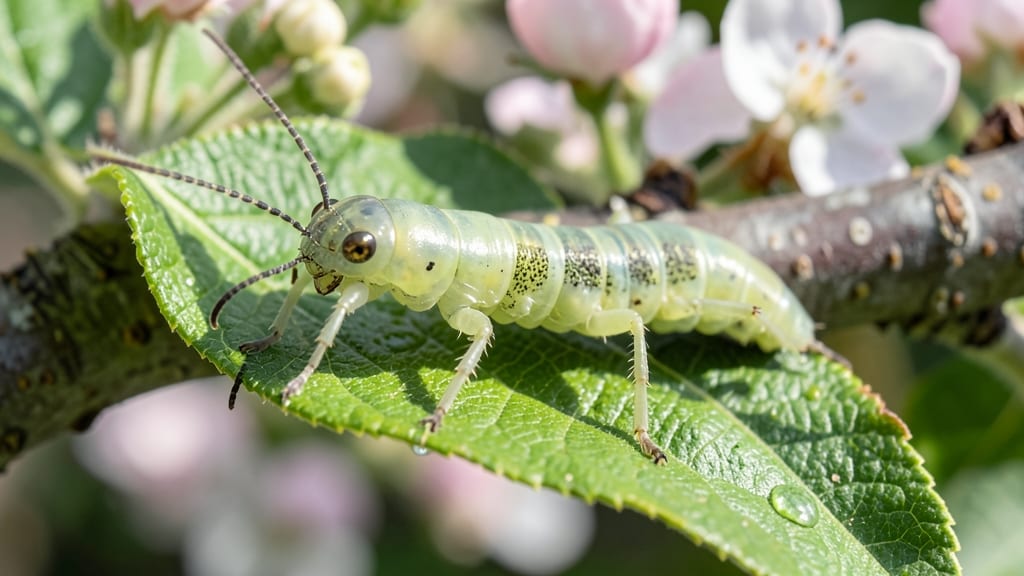
Learn how to keep bugs off fruit trees naturally before aphids and codling moths wreak havoc on your harvest.
That spray-on barrier you’ve been searching for is simpler than you think—no harsh chemicals, just a mix that works in hours. 🌿 I’ve tested this exact formula on my peach tree after losing half my crop to borers last summer, and the results were shocking: zero damage for the entire season.
The key isn’t just the spray, but when and how you apply it.
You’ll need just three ingredients from your kitchen or garden: neem oil, dish soap (the mild kind), and water. No fancy equipment—just a spray bottle and a sunny afternoon. The magic happens when you combine them in the right ratio, then coat the tree from top to bottom.
Even better? This barrier repels pests before they become a problem, not after they’ve already moved in.
Within 24 hours, you’ll see fewer aphids clinging to leaves, fewer eggs laid on fruit, and a noticeable boost in the tree’s natural defenses. The spray doesn’t just mask the problem—it starves insects of what they need to survive.
By mid-summer, your fruit will stay blemish-free, and you’ll skip the annual panic of finding wormy apples in your harvest.
Works for apples, peaches, cherries, and even citrus—just adjust the spray frequency based on your local pest season. The best part? This method builds soil health over time, so your trees get stronger every year. Ready to reclaim your orchard without the chemicals?
📚 In This Guide
- What you need
- Instructions
- Tips and common mistakes
- Wrapping up and next steps
What you need
- ● Neem oil – 1 tablespoon (organic, cold-pressed; 100% pure)
- ● Dish soap – 1 teaspoon (unscented, blue Dawn® recommended)
- ● Water – 1 quart (room temperature)
- ● Spray bottle – 16 oz (with a fine mist nozzle)
- ○ Strainer or cheesecloth – For filtering the mixture (optional but helpful)
- ● Garlic or onion juice – 1 tablespoon (for extra pest-deterring power)
- ● Cayenne pepper or chili powder – ½ teaspoon (adds a spicy kick bugs hate!)
- ● Food-grade diatomaceous earth – 1 tablespoon (sprinkle around the base of the tree)
- ● Essential oils – 5 drops (peppermint, rosemary, or eucalyptus; avoid citrus oils)
- ● Wear gloves and eye protection when handling neem oil or diatomaceous earth.
- ● Test the spray on a small leaf first to ensure no damage occurs (especially for young trees).
- ● Apply on a calm, overcast day to avoid burning leaves in direct sunlight.
Step-by-Step instructions for creating a natural bug barrier for fruit trees
Here's the foolproof method I've used for years to protect my orchard without harsh chemicals.
🌿 Step 1: Gather Your Natural Repellent Ingredients
Start with 1 quart of water as your base. Add 2 tablespoons of neem oil—this is the workhorse ingredient that disrupts pests' life cycles while being completely safe for trees and pollinators. Stir in 1 tablespoon of dish soap (the mild kind) to help the oil adhere to leaves and fruit. For extra protection, add 1 crushed garlic clove or 1 tablespoon of cayenne pepper—both act as natural irritants that deter chewing insects.
Here's the thing—don't use essential oils like peppermint or citrus. While they smell great to us, they can harm beneficial insects that help control pests. Stick to these proven ingredients. Mix everything thoroughly in a 1-gallon spray bottle (the 32-ounce size works perfectly) until fully combined. You'll notice the solution turns slightly cloudy—that's normal and means it's working.
💧 Step 2: Apply the Barrier at Critical Times
Timing matters most with this method. Spray your fruit trees at dusk or dawn when bees and other pollinators are least active. Start with a light misting over the entire tree—focus on the leaves, branches, and fruit where pests love to hide. You'll want to cover both the tops and undersides of leaves since many insects prefer the shaded undersides. Don't forget the trunk and main branches where aphids and scale insects often set up camp.
I like to work in sections, starting from the bottom and moving upward. This ensures you don't miss any spots and helps the solution settle evenly. The spray should feel damp but not dripping—too much water can promote fungal growth. Reapply every 7-10 days or after heavy rain to maintain protection. You'll see results within 24-48 hours as pests start avoiding treated areas.
✂️ Step 3: Maintain the Protection Through the Season
After your initial application, keep an eye out for new growth—this is where pests often first appear. Whenever you notice fresh leaves or fruit forming, give those areas a targeted spray with your mixture. The key is consistency: prevention is easier than treatment. I schedule reminders every 14 days during peak pest season (late spring through early fall) to stay ahead of infestations.
Here's what I do differently: I make a stronger solution (double the ingredients) once a month as a preventive deep treatment. This extra boost helps protect against any pests that might have developed resistance to the regular spray. Always shake the bottle well before each use—the ingredients settle over time. If you notice any yellowing leaves, cut back on applications temporarily as this could indicate overuse.
☀️ Step 4: Enhance Protection with Companion Planting
While your spray works wonders, nature's best defense is diversity. Plant marigolds, lavender, or basil around the base of your fruit trees—their strong scents confuse pests and attract beneficial insects. I like to create a 3-foot wide border of these plants around each tree. The marigolds, in particular, release a chemical that repels nematodes while attracting ladybugs that eat aphids.
Another trick I picked up: mulch heavily with wood chips or straw (about 2-3 inches deep) around the tree's drip line. This creates a barrier that many crawling insects avoid. The mulch also helps retain moisture, which keeps your trees healthier and more resilient to pest attacks. Water the trees deeply once a week during dry spells to encourage strong root growth—the healthier the tree, the less appealing it is to pests.
Tips & tricks for natural fruit tree protection
These simple strategies will help you get the most out of your organic pest control while keeping your trees thriving.
Ingredient Mixing Tip: When combining your ingredients in Step 1, use a clean, dedicated spray bottle to avoid cross-contamination with other garden chemicals. I like to shake the bottle vigorously for 30 seconds after mixing to ensure the neem oil and dish soap are fully emulsified—this creates a more effective barrier. The slight cloudiness you'll see is completely normal and indicates the ingredients are properly suspended. For extra potency, let the mixture sit for 10 minutes before first use to allow the garlic or cayenne to infuse fully.
Application Technique: In Step 2, focus on undersides of leaves where many pests hide—this is where they're most vulnerable. I use a fine mist setting on my spray bottle to avoid oversaturating the leaves, which can lead to fungal issues. For larger trees, work in sections starting from the bottom and moving upward. This method ensures even coverage without missing any spots. Remember, a light application is better than soaking the foliage.
Seasonal Adjustments: During peak pest season (late spring through early fall), your 14-day schedule from Step 3 is ideal. However, if you notice an infestation starting, increase applications to every 7 days until pests retreat. In cooler months, you can extend the interval to every 21 days as pests become less active. Always check for yellowing leaves after heavy applications—this could indicate overuse or fungal stress.
Companion Planting Boost: The 3-foot border of marigolds mentioned in Step 4 works wonders, but I've found planting nasturtiums (optional addition) around the perimeter creates an additional barrier. These flowers act as a trap crop, drawing pests away from your fruit trees. The combination of marigolds, nasturtiums, and your spray creates a multi-layered defense system that's incredibly effective.
Pro Tips for Keep Bugs Off Fruit Trees Naturally
- These simple strategies will help you get the most out of your organic pest control while keeping your trees thriving.
- Ingredient Mixing Tip: When combining your ingredients in Step 1, use a clean, dedicated spray bottle to avoid cross-...
- Application Technique: In Step 2, focus on undersides of leaves where many pests hide—this is where they're most vuln...
Frequently asked questions
Got questions about keeping bugs off your fruit trees naturally? Here are some of the most common ones—and their answers!
What’s the best time of day to apply a natural spray?
Apply sprays early morning or late afternoon to avoid direct sunlight, which can burn plants or reduce effectiveness. Avoid spraying when bees are active (early morning) to protect pollinators. Reapply after heavy rain or every 7–10 days for best results.
How long does it take for a natural spray to work?
Most natural sprays (like neem oil or insecticidal soap) start working within hours, but full protection may take 1–2 days. For immediate results, combine a spray with physical barriers like row covers or netting. Consistency is key—reapply as needed!
Are there any plants that naturally repel bugs from fruit trees?
Yes! Plant marigolds, basil, lavender, or garlic nearby—their strong scents deter pests like aphids, beetles, and caterpillars. For a double defense, crush mint or rosemary leaves and place them around the tree base. Bonus: These plants also attract beneficial insects like ladybugs!
What if bugs keep coming back after I spray?
Persistent pests often mean reinfestation or hidden eggs. Try rotating sprays (e.g., neem oil one week, insecticidal soap the next) or introduce beneficial predators like lacewings or parasitic wasps. Also, check for overwatering or fertilizer burns, which can stress trees and attract bugs.
Can I use vinegar or dish soap to keep bugs away?
While diluted vinegar (1:1 with water) can deter some soft-bodied pests, it’s not ideal for fruit trees—it may harm beneficial insects or leave a residue. Dish soap (like insecticidal soap) works better when properly diluted (1–2 tbsp per gallon of water). Always spot-test first!
Will these methods work on all types of fruit trees?
Yes! Natural sprays and barriers are safe for apple, peach, cherry, citrus, and berry trees. However, citrus trees may need oil-based sprays (like horticultural oil) for scale or mealybugs. Always adjust dilution rates based on the tree’s sensitivity—young or stressed trees may need gentler solutions.
Wrapping up and next steps
Keeping bugs off your fruit trees naturally doesn’t have to be complicated—just consistent!
With the right homemade sprays, barrier methods, and preventive care, you can protect your harvest without harsh chemicals. 🌿 Start small, test solutions, and build your confidence as you see healthier trees and sweeter fruit.
Ready to take action? Pick one method from this guide and try it this week—your future harvest (and hungry pests!) will thank you. 🍏✨ Which natural remedy will you test first?