
Planting
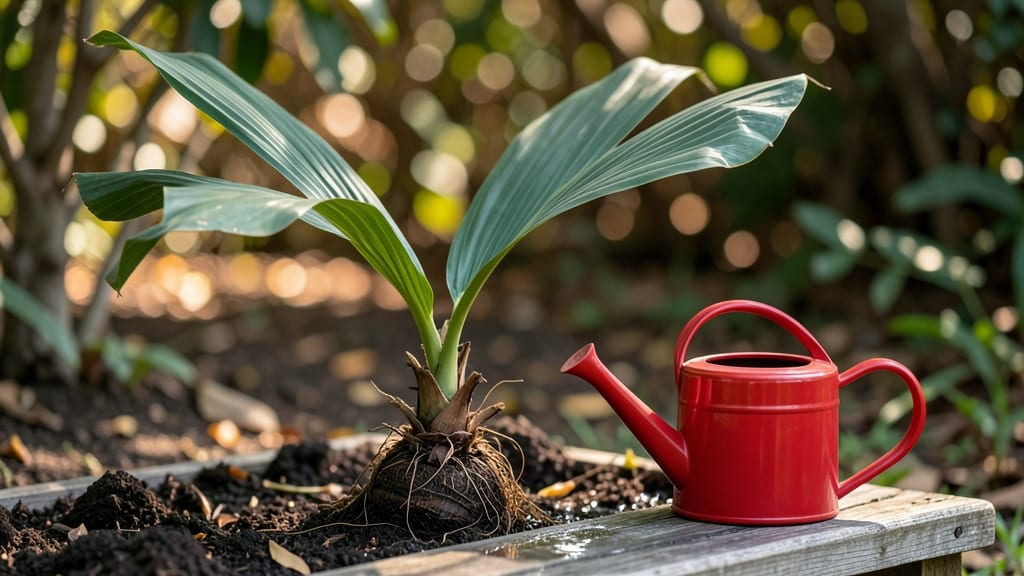
Planting a coconut tree seed is like unlocking a tiny piece of paradise in your own backyard—if you know the right tricks to coax that stubborn sprout from its hard shell. 🌴 The key starts with the seed itself: a fresh, intact coconut with a clear, white interior (none of that brown, moldy stuff).
I’ve tried this three times, and the third attempt finally broke through—here’s how I did it without losing hope (or my seed to rot).
The process is simple but requires patience: you’ll need a clean coconut, a warm spot with indirect light, and either water or moist sand to keep it happy. Most people fail because they either drown the seed or let it dry out—neither works.
Once planted, it can take 4-12 months to sprout, but the moment that first root cracks through the shell is worth every week of waiting. The real magic happens when you see the first leaves unfurl, signaling your tiny tropical tree is on its way.
Your seedling will need bright, filtered light (no harsh sun yet) and consistent moisture, but not soggy soil—think damp sponge, not swamp. After the first true leaves appear, you’ll transition it to a pot with well-draining mix, and eventually, if you’re in a warm climate, you can plant it outdoors.
Even indoors, with the right grow lights, it can thrive as a houseplant for years before it outgrows you (which, honestly, is the best problem to have).
Here’s the secret no one tells you: coconut trees grow slowly at first, but once they hit 2-3 feet, they’ll shoot up like crazy. The first few years are all about nurturing that delicate root system—so don’t rush it.
Whether you’re growing it in a pot or planting it in the ground, the goal is the same: a lush, leafy reminder of the tropics right where you live.
📚 In This Guide
- What you need
- Instructions
- Tips and common mistakes
- Wrapping up and next steps
What you need
- ● Coconut seed: A fresh, mature coconut with a viable seed (look for a white, jelly-like interior—no brown or moldy spots!). Quantity: 1
- ● Potting mix: Well-draining, sterilized mix (50% coconut coir, 30% perlite, 20% peat moss). Quantity: 2-3 gallons
- ● Pot or container: A 6-inch diameter nursery pot with drainage holes (or a biodegradable peat pot). Material: Plastic or terracotta
- ● Drainage tray: To catch excess water and prevent root rot.
- ● Watering can or spray bottle: For gentle hydration (avoid overwatering!).
- ● Scissors or knife: For trimming the coconut husk (if needed).
- ○ Fungicide (optional but recommended): A mild solution (e.g., copper fungicide) to prevent mold.
- ● Warm climate: Coconut seeds thrive in USDA Zones 10-12 (65–85°F / 18–30°C). If in a cooler zone, start indoors near a sunny window or use a grow light.
- ● Sunlight: 6+ hours of direct sunlight daily (south-facing window or greenhouse ideal).
- ● Humidity: High humidity (60–80%) speeds up germination. Use a humidity dome or mist regularly.
- ● Patience: Germination can take 3–12 months—consistency is key!
- ● 🌡️ Soak the coconut seed in warm water for 24–48 hours before planting to soften the husk.
- ● ✨ Use a heat mat (70–80°F / 21–27°C) to mimic tropical conditions and boost germination.
- ● 🎯 Avoid overwatering—keep soil moist but not soggy to prevent rot.
Step-by-step instructions for growing a coconut tree from seed
Here's how to turn that coconut into a lush tropical sapling—patience pays off big time.
🌱 Step 1: Prep the Coconut for Planting
Start with a fresh coconut—one that's still firm and heavy for its size. Use a sharp knife to carefully cut off the top 1 inch of the coconut's husk, exposing the brown shell underneath. This is where the seedling will emerge, so aim for a clean, even cut that doesn't damage the shell.
Next, soak the coconut in warm water for 24 hours. This softens the husk and helps break down the hard outer shell, making it easier for the seedling to push through later. Place it in a bowl or bucket, ensuring the top stays above water—only the husk should be submerged. You'll know it's ready when the water turns slightly cloudy from the coconut's natural oils.
🪴 Step 2: Plant in a Well-Draining Container
Fill a 6-inch deep container with a mix of 50% potting soil and 50% perlite or coarse sand. This ensures drainage while keeping moisture around the coconut. Press the coconut halfway into the mix, with the three germination pores (the small holes on the top) facing upward. These pores are critical—they're where the seedling will sprout, so don't bury them.
Water lightly until the soil feels damp but not soggy. Place the container in a warm, humid spot—think 75-85°F—like a greenhouse, sunny windowsill, or under a grow light. A clear plastic bag draped over the top creates a mini greenhouse effect, trapping warmth and humidity. Check daily for condensation inside the bag—this means the environment is just right.
☀️ Step 3: Wait for Germination and Early Growth
Germination can take 4-12 weeks, depending on warmth and humidity. Don't rush it—pushing too hard with water or light can stress the seed. Instead, keep the soil evenly moist (water when the top ½ inch feels dry) and avoid direct sunlight until the first sprout appears. Too much light too soon can scorch the tender seedling.
Once the first green shoot breaks through the pores, remove the plastic bag immediately. This prevents mold and encourages stronger growth. Place the coconut under bright, indirect light for the next 2-3 weeks. You'll see the shoot grow rapidly, and soon, the first true leaves will unfurl—these are your signal that the seedling is thriving.
💧 Step 4: Transplant and Care for the Sapling
When the seedling reaches 6-12 inches tall and has 3-4 true leaves, it's time to transplant. Choose a 12-inch pot with fresh potting mix and perlite. Gently remove the coconut from its original container, keeping the root ball intact, and place it in the new pot. Water thoroughly to settle the soil around the roots.
Move the sapling to a sunny spot where it gets 6+ hours of direct sunlight daily. Coconut trees love warmth and humidity, so if you're in a cooler climate, consider using a grow light or moving it indoors during winter. Water when the top 1 inch of soil feels dry, but avoid soggy soil—root rot is a common killer of young saplings.
Tips & tricks for planting a coconut tree seed
Here's what I learned the hard way about growing these tropical beauties—your shortcuts to success.
Soaking Secret: The 24-hour soak isn't just about softening the husk—it's also breaking down natural inhibitors that prevent germination. I've seen coconuts that soaked for only 12 hours fail to sprout, while the 24-hour ones thrived. Change the water halfway through if it gets cloudy, and keep the temperature around 75-85°F for best results. Too cold water slows the process way down.
Germination Pores: Those three tiny holes on top? Don't bury them! I made this mistake early on and had to dig up my coconut to reposition it. The pores need to stay exposed to air and light. After planting, gently brush away any soil that might accidentally cover them—this keeps the path clear for your future sapling.
Container Depth: That 6-inch deep container is non-negotiable. Shallow pots won't give roots enough room to establish before transplanting. I've seen people use 4-inch pots, and while they might work short-term, the roots get cramped and the plant struggles when it's time to move up. If you're using a deeper pot, just add extra perlite around the coconut to keep it stable.
Plastic Bag Hack: The condensation you see inside that plastic bag isn't just moisture—it's proof your greenhouse effect is working. If you notice mold forming, remove the bag immediately and let it air out for a few hours. Too much humidity can drown your seed before it even gets started. A quick wipe with a damp cloth keeps things clean without disturbing your humidity levels.
Pro Tips for Plant A Coconut Tree Seed
- Here's what I learned the hard way about growing these tropical beauties—your shortcuts to success.
- Soaking Secret: The 24-hour soak isn't just about softening the husk—it's also breaking down natural inhibitors that prevent germination.
- Germination Pores: Those three tiny holes on top?
Frequently asked questions
Got questions about growing a coconut tree from seed? You’re not alone! Here are some of the most common queries—plus straightforward answers to help you succeed.
How long does it take for a coconut seed to sprout?
A coconut seed typically sprouts within 1 to 3 months after planting, depending on warmth, moisture, and humidity. If you’re growing indoors, expect germination in 2-4 weeks with consistent heat (around 75–85°F). Patience is key—some seeds take longer, especially if stored or dried.
Can I plant a coconut seed in winter? What’s the best season?
Coconut seeds thrive in warmth (60°F+), so aim to plant them in spring or early summer for outdoor growth. If you’re in a cooler climate, start indoors in late winter and transplant after the last frost. Winter planting risks stunted growth or failure—save it for milder months!
Do I need a greenhouse or special setup for indoor germination?
No fancy greenhouse required! Use a clear plastic bag or humidity dome over a small pot to trap moisture and warmth. Place it near a sunny window or under a grow light. Keep the soil damp (not soggy) and maintain temps above 70°F. A simple DIY setup works—just monitor for mold or dryness!
What if my coconut seed doesn’t sprout? Troubleshooting tips.
If your seed stays dormant, check these fixes:
- Soak it first: Soak the seed in water for 24–48 hours before planting to soften the husk.
- Warmth boost: Place the pot near a heater or in a warm spot (like a kitchen cabinet).
- Check moisture: Overwatering can rot the seed; ensure drainage and keep soil lightly damp.
- Patience: Some seeds take 6+ months—don’t give up too soon!
Can I grow a coconut tree in a pot, or does it need ground planting?
Yes! Coconut trees can start in 5-gallon pots for 1–2 years before transplanting outdoors. Use well-draining soil and a pot with drainage holes. If you live in a cold zone, keep it potted and move it indoors during winter. Just ensure it gets plenty of sunlight—6+ hours daily!
Wrapping up and next steps
Planting a coconut tree seed is a rewarding journey that connects you to nature’s tropical beauty—one small sprout at a time! 🌱 With patience, the right conditions, and a little care, you’ll nurture a seed into a thriving sapling that could one day grace your backyard with shade and serenity. Ready to watch your efforts bloom? Start by monitoring your seed’s progress, then research local climate needs before transplanting outdoors.
Every gardener’s first seed is a story waiting to unfold—so get growing!