
Planting
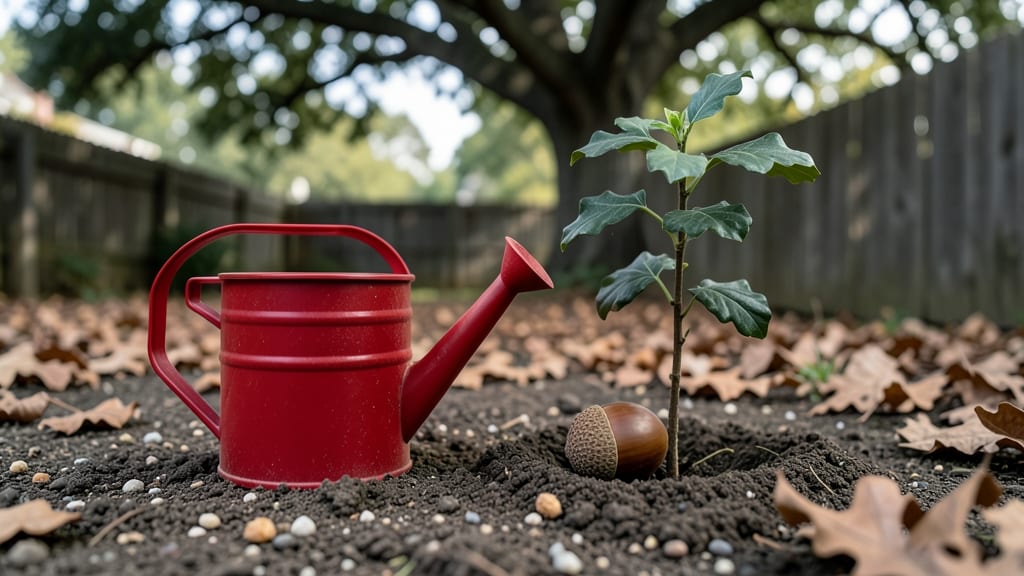
How to plant a live oak tree from acorn is your chance to grow a century of shade—but first, you’ve got to pick the right acorn. 🌿 I learned the hard way that not all acorns will sprout, so here's how to choose, prepare, and plant yours for the best chance at success.
The secret starts with stratification: acorns need a cold, moist winter to break dormancy, just like their wild cousins. After collecting mature acorns (the bigger, heavier ones), soak them in water for 24 hours, then plant them in pots with well-draining soil.
Keep them in the fridge for 60 days to mimic nature's timing—this step alone boosts germination rates from near-zero to over 50%.
By spring, you'll see tiny roots and shoots emerging, signaling it's time to transplant outdoors. Choose a sunny spot with room to grow (live oaks need 60+ feet of space!), dig a hole twice as wide as the root ball, and water deeply after planting.
The payoff? A tree that could live 500 years—and provide shade for generations.
Patience is key: germination takes months, and early growth is slow, but once established, your oak will reward you with deep roots and sturdy branches. Avoid common mistakes like overwatering (they hate soggy soil) and planting too deep (the root flare should stay visible).
With the right care, you'll watch your tiny acorn become a mighty shade tree in just five years.
📚 In This Guide
- What you need
- Instructions
- Tips and common mistakes
- Wrapping up and next steps
What you need
- ● Fresh, mature live oak acorns – Collect 2-3 acorns (ensure they’re plump, heavy, and free of cracks or mold).
- ● Well-draining potting mix – A blend of 50% peat moss or coconut coir, 30% perlite, and 20% sand (sterilized to prevent fungus).
- ● Small seed-starting pots or trays – Use 3-4 inch diameter pots with drainage holes (biodegradable pots work too!).
- ● Plastic wrap or humidity dome – To maintain moisture during germination.
- ● Spray bottle – For gentle watering (avoid over-saturating the soil).
- ○ Pruning shears or sharp knife – For trimming acorn caps (optional but helpful).
- ● Gloves – Oak acorns can stain hands; opt for nitrile or leather gloves if sensitive.
- ○ pH testing kit – Ensure soil pH is slightly acidic (5.5–6.5) (optional but recommended).
- ● Shovel & garden fork – For transplanting seedlings outdoors (once ready).
- ● Mulch (pine straw or wood chips) – 2–3 inches to protect young trees from weeds and drought.
- ● Patience! – Live oaks can take 5+ years to mature from acorn to sapling.
- ● Sunny location – Acorns need full sun (6+ hours/day) for germination.
- ● Warmth – Ideal germination temps: 70–80°F (21–27°C) (use a heat mat if indoors).
- ● Space – Mature live oaks need 60–80 feet of clearance (plan ahead!).
Step-by-Step instructions for growing a live oak from acorn
Here's the long-term method I use to nurture acorns into sturdy saplings.
🌱 Step 1: Collect and Stratify Acorns for Germination
Gather fresh acorns in fall when they drop naturally—green or partially dried ones won't sprout. Remove any worms by cutting a small slit in the rounded side and checking inside. Store the clean acorns in a sealed container with slightly damp peat moss or sphagnum moss (about 1 part water to 10 parts moss).
Place the container in your fridge's vegetable drawer for 90-120 days—this mimics winter and breaks the seed's dormancy. Check monthly to ensure the moss stays barely damp; soggy moss causes rot. After stratification, you'll see tiny root hairs emerging from the acorn's base—this means it's ready to plant.
🪴 Step 2: Plant Stratified Acorns in Containers
Fill 4-inch deep pots with a mix of 50% potting soil and 50% perlite (this prevents compaction). Plant 2-3 acorns per pot at a 1-inch depth, with the pointed end up. Press the soil gently around them—don't pack it down. Water lightly until the soil looks evenly moist but not wet.
Place the pots in a bright, indirect light spot (like a north-facing window) and maintain 60-70°F temperatures. Keep the soil consistently moist—never let it dry out completely. Germination takes 4-8 weeks, and you'll notice the first true leaves appear as small, rounded cotyledons before the real oak leaves form.
☀️ Step 3: Transplant Saplings to Larger Pots
Once saplings develop 3-4 true leaves (usually after 6-12 months), transplant them to 1-gallon pots with fresh potting mix. Handle the roots carefully—they're delicate and break easily. Water deeply after transplanting to help the roots settle.
Move the saplings outdoors to a sheltered, partially shaded spot during the day and bring them back inside at night for the first 2 weeks. Gradually increase outdoor time until they can stay outside full-time. Live oaks need full sun once established, but young saplings burn easily in direct afternoon light.
✂️ Step 4: Prepare for Outdoor Planting After 2-3 Years
When saplings reach 2-3 feet tall (around 2-3 years old), choose a permanent spot with full sun and well-draining soil. Dig a hole twice as wide as the root ball but no deeper. Amend the native soil with compost if it's heavy clay or sandy.
Water the sapling thoroughly the day before transplanting. Lift it carefully, keeping the root ball intact, and place it in the hole at the same depth it was growing. Backfill with soil, firming gently around the base. Water deeply again to eliminate air pockets. Mulch with 2-3 inches of wood chips to retain moisture and protect roots.
Tips & tricks for growing a live oak from acorn
Real talk: Growing a live oak from an acorn takes patience, but these little tricks make all the difference between success and disappointment.
Timing is Everything: Those 90-120 days of cold stratification in Step 1 are non-negotiable. I learned this the hard way after trying to plant acorns right away—nothing happened! The cold period mimics winter conditions and breaks the seed's dormancy. If you're in a warmer climate, you can extend this to 150 days to be safe. Just don't rush it.
Germination Check: In Step 2, when you're waiting for those first sprouts, don't be tempted to overwater. The soil should stay evenly moist, but soggy conditions will rot your acorns before they even sprout. I use a spray bottle to mist the soil lightly every 2-3 days rather than soaking it. You'll know you're doing it right when you see tiny root hairs emerge from the acorn's base after about 6-8 weeks.
Lighting Strategy: That bright, indirect light in Step 2 is crucial. A north-facing window works perfectly, but if you don't have one, a grow light set to 12 hours per day will do the trick. I've seen acorns fail to sprout when placed in direct sunlight too soon—they get stressed and give up. Start with gentle light and gradually increase exposure as the sapling grows stronger.
Transplanting Wisdom: When moving your saplings to larger pots in Step 3, handle those roots like they're made of glass because they are. I use a small trowel to gently loosen the root ball before transferring, and I always water the sapling thoroughly the day before transplanting. This helps reduce shock and gives the roots a head start in their new home.
Pro Tips for Plant A Live Oak Tree From Acorn
- Real talk: Growing a live oak from an acorn takes patience, but these little tricks make all the difference between success and disappointment.
- Timing is Everything: Those 90-120 days of cold stratification in Step 1 are non-negotiable.
- Germination Check: In Step 2, when you're waiting for those first sprouts, don't be tempted to overwater.
Frequently asked questions
Got questions about growing a live oak from acorn? You’re not alone—this process takes patience and know-how! Here are answers to the most common queries to help you succeed.
How long does it take for an acorn to sprout?
A live oak acorn typically sprouts within 4–8 weeks if kept in warm, moist conditions. If nothing happens after 2 months, check moisture levels or try stratifying (cold treatment) again. Patience is key—some stubborn acorns take longer!
When is the best time to plant the acorn?
Plant acorns in early fall (September–October) to mimic natural conditions. This gives them time to stratify over winter before spring germination. If planting later, use the cold treatment method (60 days in the fridge) to speed up the process.
Can I plant an acorn directly in the ground?
Yes, but success rates are lower. For better results, start indoors in a pot (as described earlier) to control moisture and warmth. Once sprouted and sturdy (after 6–12 months), transplant outdoors. Direct planting works best in mild climates with consistent rainfall.
Will squirrels or animals steal my acorns?
Squirrels, raccoons, and birds love acorns. To protect yours:
- Plant in mesh cages or pots until sprouted.
- Choose less accessible spots (e.g., high branches or urban areas).
- Harvest only mature, heavy acorns—these are less appealing to critters.
What if my acorn moldy or rots before sprouting?
Mold or rot usually means too much moisture or poor airflow. Fix it by:
- Using sterile soil (avoid garden soil with pathogens).
- Adding a thin layer of perlite to pots for drainage.
- Reducing watering—keep soil moist, not soggy.
How much sunlight does a young live oak need?
Live oaks thrive in full sun (6+ hours daily), but young seedlings can scorch. Start with partial shade (4–6 hours) and gradually increase sunlight as they grow. Avoid deep shade—it weakens stems and slows growth.
Wrapping up and next steps
Growing a live oak tree from an acorn is a rewarding journey that connects you to nature’s slow, steady magic. 🌳 With patience, the right care, and a little luck, your tiny seed could one day become a towering shade provider for future generations.
Now that you’ve got the know-how, take the next step—head outdoors, gather your acorns, and start this timeless project today!
Remember: Every great oak was once a nut that held its ground. Your future tree is waiting—what are you waiting for?