
Propagation
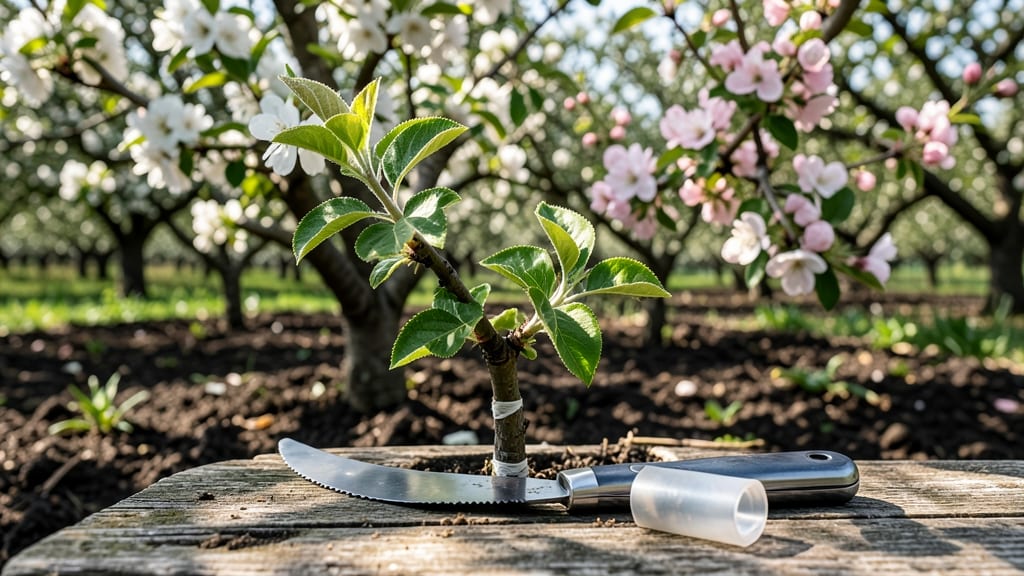
Propagating fruit trees isn’t just about growing new plants—it’s about preserving the exact flavors and characteristics of your favorite varieties. 🌳 I’ve rooted everything from heirloom apples to tart cherries using these four methods, and the best part? You don’t need a greenhouse or fancy tools to start.
The right method depends on what you’re growing and when you’re ready to begin. Cuttings work best in late spring or early summer when new growth is vigorous, while grafting thrives in dormant season when trees aren’t actively growing.
Air layering lets you root a branch while it’s still attached, making it perfect for large, established trees you want to duplicate.
What you’ll end up with is a thriving young tree that bears fruit just like its parent—if done right, you could be harvesting your first apples or peaches in just 3-5 years. The key is patience and precision, but the payoff is worth every careful step.
Whether you’re saving a rare variety or just expanding your orchard, these methods scale from backyard experiments to full-scale propagation projects. Let’s get those roots growing!
📚 In This Guide
- What you need
- Instructions
- Tips and common mistakes
- Wrapping up and next steps
What you need
- ● Parent Tree: Healthy, mature fruit tree (choose disease-resistant varieties for best results).
- ● Rootstock or Scion Wood: For grafting: ¼-inch thick, pencil-sized branches (4–6 inches long) from the desired fruit tree.
- ● For layering: Flexible, semi-hardwood branches (1–2 years old).
- ● Propagation Medium: For seeds: Well-draining potting mix (sterilized) or coconut coir.
- ● For cuttings: Perlite + peat moss (50/50 mix) or a commercial rooting hormone.
- ● Tools: Sharp grafting knife or pruning shears (sterilized with rubbing alcohol).
- ○ Rooting hormone (optional but helpful for cuttings).
- ● Plastic bags or clear containers (for humidity).
- ● Twine or grafting tape (for securing grafts).
- ● Misting bottle (to maintain moisture).
- ● Grafting wax (for sealing cuts).
- ● Heat mat (speeds up rooting for cuttings).
- ● pH meter (to test soil acidity, ideal: 6.0–7.0).
Step-by-step guide to propagating fruit trees at home
Here's how to grow your own fruit trees using proven methods that actually work!
🌱 Step 1: Choose Your Propagation Method
Fruit trees can be propagated through 4 simple methods: grafting, air layering, cuttings, and seed sowing. Each has its own advantages—grafting preserves the exact variety, air layering works well for established branches, cuttings are great for quick starts, and seed sowing grows wild-type trees with unpredictable fruit. I recommend starting with cuttings if you want fast results, or air layering for branches you don’t want to cut down yet.
For grafting, you’ll need a compatible rootstock and scion wood. For cuttings, take 4-6 inch semi-hardwood stems in late summer. Air layering works best in spring or early summer, while seed sowing is easiest in fall or early winter. Pick the method that matches your goals and available materials.
🌿 Step 2: Prepare Your Cuttings or Grafting Materials
If you’re using cuttings, select healthy, disease-free branches from the parent tree. Make a clean cut just below a leaf node with a sharp knife or pruners. Dip the cut end in rooting hormone to encourage root growth—this step makes a huge difference in success rates. For grafting, prepare both the rootstock and scion wood by making matching cuts (typically a 30-degree angle).
Place cuttings in a moistened mix of perlite and peat moss (or use the rooting hormone directly on the cut end). Keep them in a humid environment with bright, indirect light—a plastic bag over a container works well. For grafting, wrap the union tightly with grafting tape or rubber bands to ensure a strong bond. Watch for new growth in 4-8 weeks as a sign of success.
✂️ Step 3: Root and Maintain Your New Plants
Once roots form (you’ll see them through the container or feel resistance when gently tugging), transplant your cuttings into individual pots with well-draining soil. Keep the soil moist but not soggy—overwatering is the #1 killer of young propagations. For grafted trees, monitor the union closely for signs of healing (a small callus forming is a good sign).
Place your new plants in a shaded, protected spot for the first 2-3 weeks to reduce stress. Gradually introduce them to more sunlight over 1-2 weeks. You’ll know they’re thriving when you see new leaves and steady growth. Avoid fertilizing for the first month—let them focus on root and leaf development first.
🪴 Step 4: Transplant and Care for Mature Trees
After 6-12 months, your propagated trees should be ready for transplanting into the ground. Choose a sunny spot with well-draining soil and space them 15-20 feet apart (depending on the variety). Water deeply after planting to help roots settle in. Mulch around the base with 2-3 inches of organic mulch to retain moisture and suppress weeds.
Fruit trees need consistent care—water deeply once a week (more in extreme heat) and fertilize twice a year (spring and early summer). Prune in late winter to shape the tree and remove dead or crossing branches. With patience, your propagated trees will bear fruit in 3-5 years—and you’ll have the satisfaction of growing them yourself!
Tips & tricks for perfect fruit tree propagation
Here's what nobody tells you about making propagation foolproof—these little tweaks can mean the difference between success and disappointment!
Timing is Everything: For cuttings, late summer is your golden window when semi-hardwood stems are ready. Look for branches that are still slightly green but starting to turn woody—these have the best balance of flexibility and maturity. If you miss this window, you can try again in early spring, but success rates drop significantly. I've seen people rush and take too-soft stems that rot, or wait too long and get brittle wood that refuses to root.
Rooting Hormone Hack: Don't just dip the cut end—give it a good shake to remove excess powder before planting. Too much hormone can actually burn the delicate root tips. I like to dip the cut end in a small container of water first to help the hormone stick better, then tap off the excess. This simple step can double your success rate with cuttings.
Grafting Union Secrets: When wrapping your graft with tape, leave a tiny gap at the top—this prevents moisture buildup that can cause rot. I've ruined more grafts than I care to admit by sealing them too tightly. Also, make sure the cambium layers (that green layer just under the bark) align perfectly between your rootstock and scion. This is where the magic happens for successful fusion.
Humidity Setup: That plastic bag over your cuttings isn't just decoration—it creates a mini greenhouse effect. I've found that poking a few small holes in the bag helps prevent mold while still maintaining humidity. Place your setup on a heat mat set to 70°F (21°C) for even better results. The warmth mimics spring conditions and encourages faster rooting.
Pro Tips for Propagate Fruit Trees
- Here's what nobody tells you about making propagation foolproof—these little tweaks can mean the difference between success and disappointment!
- Timing is Everything: For cuttings, late summer is your golden window when semi-hardwood stems are ready.
- Rooting Hormone Hack: Don't just dip the cut end—give it a good shake to remove excess powder before planting.
Frequently asked questions
Got questions about propagating fruit trees? You’re not alone! Here are answers to the most common concerns—so you can grow your own orchard with confidence.
What’s the easiest fruit tree to propagate for beginners?
Start with apple, pear, or citrus trees—they root well from cuttings or grafting. Avoid finicky varieties like figs or avocados unless you’re experienced. For foolproof results, try layering (a natural, low-stress method) or air layering (great for tropical trees).
How long does it take for fruit tree cuttings to root?
Most fruit trees take 4–12 weeks to root, depending on the method:
Patience is key—keep humidity high and avoid overwatering! Yes, but timing matters! For cuttings, take semi-hardwood (late fall/winter) or softwood (spring/summer) cuttings. Grafting works best in dormant season (late winter) when sap flow is low. If propagating in cold climates, use a heated propagation mat or indoor setup. Overwatering or poor airflow are the top culprits! Fix it by:
If mold appears, trim affected areas and treat with fungicide. No mother tree? No problem! Try:
Pro tip: Label everything to track varieties!
Can I propagate fruit trees in winter?
Why are my cuttings rotting instead of rooting?
What if I don’t have a mother tree? Are there alternatives?
Wrapping up and next steps
Propagating fruit trees is a rewarding journey that connects you to the roots of nature—literally! Whether you choose grafting, cuttings, layering, or seed propagation, each method offers a unique path to growing your own bountiful harvest.
With patience, the right tools, and a dash of care, you’ll soon be nurturing young saplings that could one day bear fruit for years to come.
Ready to take the next step? Start small—pick one method, gather your supplies, and give it a try! 🌱 Your future orchard awaits!