Pruning
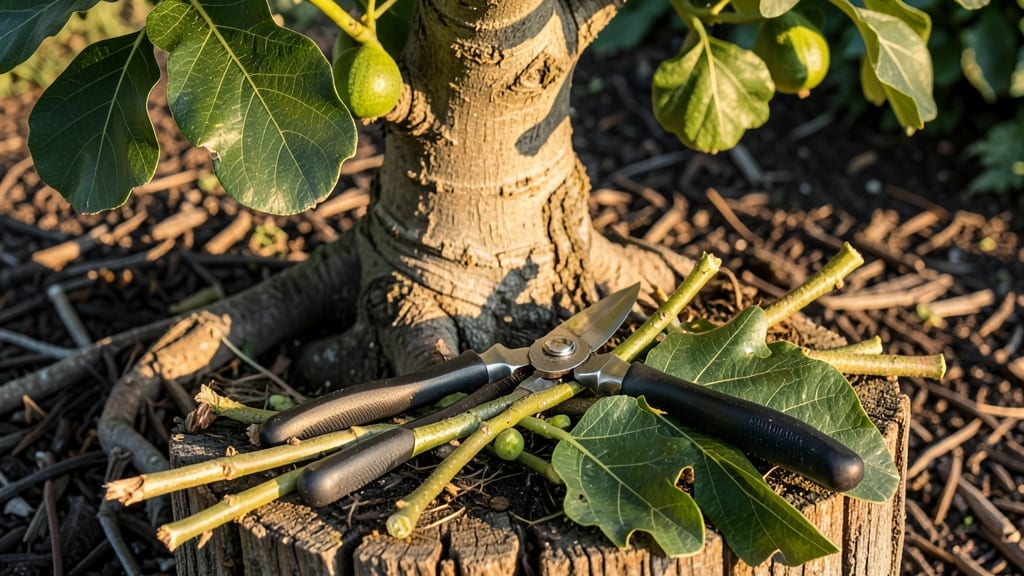
Pruning a fig tree transforms a tangled mess into a fruit-bearing powerhouse. 🌿 I’ve watched my own figs go from scraggly branches to heavy-laden branches producing 50+ pounds of fruit in a single season—just by following the right timing and cuts.
The key isn’t just cutting back, but understanding when and why to shape the tree for maximum harvest.
You’ll need just three tools: sharp pruning shears, gloves, and a bucket for trimmings. The best time to prune is late winter or early spring, before new growth starts—this gives the tree energy to focus on fruit production.
For beginners, start with removing dead or crossing branches first; these are the easiest cuts and make the most immediate difference.
What you’ll end up with is a tree that’s easier to harvest, produces larger figs, and stays healthy for years. The branches will open up to sunlight, reducing disease risk and encouraging more fruit clusters. Plus, you’ll avoid the heartbreak of wasted energy on weak growth that never bears fruit.
This method works for both backyard figs and container-grown trees. Whether you’re dealing with a young sapling or a mature tree, the same principles apply—just adjust the scale. Let’s get those branches shaped for a harvest that’ll make your neighbors jealous.
📚 In This Guide
- What you need
- Instructions
- Tips and common mistakes
- Wrapping up and next steps
What you need
- ● Pruning shears: Bypass pruners (for clean cuts on smaller branches) or loppers (for thicker branches up to 1.5 inches in diameter). Sharpness is key!
- ● Pruning saw: A folding pruning saw or curved pruning saw for branches thicker than 1.5 inches.
- ● Gloves: Heavy-duty gardening gloves (to protect against thorns and rough bark). Look for reinforced palms!
- ● Disinfectant: A small bottle of rubbing alcohol (70% or higher) or bleach solution (1 part bleach to 9 parts water) to sterilize tools between cuts.
- ○ Sealing wax or pruning paste: (Optional but helpful) To coat larger cuts and prevent disease entry.
- ● Bucket or bag: For collecting pruned branches (a 5-gallon bucket or heavy-duty trash bag works well).
- ● Ladder or step stool: If your fig tree is taller than 6 feet, a stable ladder or foldable step stool will help you reach higher branches safely.
- ● Hand sanitizer: For cleaning up after handling sap or thorns.
- ● Safety glasses: If you’re dealing with large branches or debris.
- ● Marking twine or flags: To label branches you plan to prune later.
- ● Hose or spray bottle: To rinse tools and clean sap off cuts.
Step-by-step guide to pruning your fig tree for maximum fruit
Here's the straightforward method I use every year to keep my fig tree healthy and bursting with fruit.
✂️ Step 1: Prune in Late Winter or Early Spring
This is the best time to prune—when the tree is still dormant but just before new growth begins. You'll know it's the right moment when the tree has no leaves, but buds are starting to swell slightly. Pruning too early risks damaging the tree's ability to store energy for spring growth.
Start by removing any dead, diseased, or crossing branches first. These are your priority because they won't produce fruit and can spread problems to healthy parts of the tree. Use sharp pruning shears to make clean cuts at a 45-degree angle, about ¼ inch above a bud that's facing outward. This encourages new growth to develop away from the center of the tree.
I always sanitize my tools with rubbing alcohol between cuts to prevent spreading any potential infections. If you see any branches with signs of disease—like black spots or oozing sap—bag and dispose of them immediately, not in your compost.
☀️ Step 2: Thin Out the Canopy for Better Airflow
Figs love sunlight, but too much shade in the center of the tree means fewer fruits and more fungal issues. Your goal is to create an open, vase-like shape that lets light reach all branches. Look for branches that are growing inward or rubbing against each other—these need to go.
For each branch you remove, make your cut just outside the branch collar (the swollen area where the branch meets the trunk). Never leave a stub, as this can invite rot. You'll also want to remove any branches that are growing straight up—these rarely produce fruit and take energy from the horizontal branches that do.
If your tree is young, you can be more aggressive with shaping. Older trees might need more selective pruning to avoid shocking them. Watch for how the tree responds—if you see excessive leaf drop after pruning, you might have cut back too much next time.
🌿 Step 3: Encourage Fruit Production with Strategic Cuts
Figs produce fruit on new wood, so you want to stimulate fresh growth. After removing the dead and crossing branches, focus on the remaining structure. Cut back any branches that are longer than 6-8 feet to encourage bushier growth. Make your cuts just above a leaf bud or a side branch.
Here's the trick: leave 3-5 main branches on your tree, spaced evenly around the trunk. These will become your primary fruit producers. For each of these branches, prune back any side branches that are growing too close together—this prevents overcrowding and improves air circulation.
If you notice any branches that haven't produced fruit in the past two years, consider removing them entirely. Figs are prolific fruiters, but they need to focus their energy on the right branches. You'll see new shoots emerging from the cuts you make—these are your future fruit producers.
⏰ Step 4: Light Summer Pruning to Maintain Shape
After the initial spring pruning, you'll want to do a lighter maintenance cut in late summer. This is when you remove any branches that have finished fruiting for the year. Look for branches that have already produced figs—they'll look tired and might even start to die back.
You can also thin out any new growth that's crowding the center of the tree. The goal here is to keep the tree open and airy. Avoid heavy pruning in summer, as this can stress the tree and reduce next year's harvest. Just make clean cuts to remove any branches that are growing in the wrong direction or rubbing against others.
This is also a good time to check for any new pests or diseases. If you see any signs of trouble, address them immediately. A healthy fig tree is a productive fig tree, and regular pruning helps keep it that way.
Tips & tricks for perfect fig tree pruning
Let me share the hard-won lessons that'll help you avoid common mistakes and maximize your harvest.
Timing is Everything: That late winter/early spring window is critical—aim for when buds are just starting to swell but leaves haven't emerged yet. I've learned this the hard way after pruning too early and watching my tree struggle to recover. If you're unsure, check for swollen buds as your confirmation signal. This timing ensures your tree has stored enough energy for the new growth you're encouraging.
Cutting Technique Matters: Those 45-degree angles and ¼-inch above the outward-facing bud aren't just suggestions—they're essential for proper healing and growth direction. I always double-check my angle before making the cut to ensure clean, precise slices. Using sharp tools prevents tearing, which can invite disease. Remember, every cut should look like it was made with a surgeon's precision, not a butcher's knife.
Branch Selection Strategy: When choosing which branches to keep, focus on creating that open vase shape with 3-5 main branches spaced evenly. I've found that removing upward-growing branches actually increases fruit production by redirecting energy to horizontal growth. Think of your tree like a sculpture—you're shaping it to maximize sunlight exposure and air circulation, both crucial for fruit development.
Seasonal Maintenance: Don't forget that light summer pruning is just as important as the spring session. After your tree has fruited, remove those tired branches to redirect energy to next year's crop. I always do this in late summer when new growth has slowed, giving the tree time to recover before winter. This two-step approach—spring shaping and summer maintenance—is what transforms a good harvest into an exceptional one.
Pro Tips for Prune A Fig Tree
- Let me share the hard-won lessons that'll help you avoid common mistakes and maximize your harvest.
- Timing is Everything: That late winter/early spring window is critical—aim for when buds are just starting to swell but leaves haven't emerged yet.
- Cutting Technique Matters: Those 45-degree angles and ¼-inch above the outward-facing bud aren't just suggestions—they're essential for proper healing and growth direction.
Frequently asked questions
Got questions about pruning your fig tree? You’re not alone! Here are some of the most common concerns—plus straightforward answers to keep your tree thriving and productive.
When is the best time to prune a fig tree?
For most fig varieties, late winter or early spring (just before new growth starts) is ideal. Dormant pruning (after harvest) works too, but avoid heavy cuts in summer—it stresses the tree. If you’re in a warm climate, prune lightly after harvest to encourage new fruit growth.
How much can I prune a fig tree?
Start conservatively! Remove only 10-20% of the canopy per year to avoid shocking the tree. Focus on dead, diseased, or crossing branches first. Over-pruning can reduce fruit production, so prioritize health over size—your tree will thank you with bigger figs!
Will pruning increase my fig harvest?
Absolutely—when done right! Pruning improves airflow, reduces disease, and directs energy to fruit-bearing branches. However, over-pruning (especially young trees) can delay harvests. Balance is key: aim for an open, sunlit canopy with 3–5 main branches for optimal yields.
What if my fig tree bleeds sap after pruning?
Don’t panic! Sap bleeding (especially in spring) is normal and harmless. It’s the tree’s way of healing. To minimize it, prune on dry, cool days and avoid cuts during warm, sunny weather. If bleeding is excessive, apply a thin layer of pruning sealant (optional) to speed recovery.
Can I prune a fig tree in summer?
Light pruning (removing only dead/diseased wood) is fine in summer, but avoid heavy cuts—they stress the tree and can stunt fruit development. If you must prune during hot months, do it early morning or late evening to reduce shock. Save major shaping for winter or spring.
What if I missed the best pruning time?
No worries! Fig trees are forgiving. If you skipped winter pruning, wait until after harvest (late summer/fall) to trim back lightly. Focus on removing water sprouts (fast-growing, weak shoots) and thinning crowded branches. Consistency matters more than perfection!
Wrapping up and next steps
Pruning your fig tree might feel like a big task at first, but with the right timing, tools, and techniques, you’ll unlock a healthier, more productive tree—and those juicy figs will thank you! 🌿 Whether you’re trimming for shape, size, or fruit yield, remember: patience and consistency are key.
Start small, observe your tree’s growth, and soon you’ll be a pruning pro.
Ready to take the next step? Monitor your tree’s progress after each pruning session—note how it responds to seasonal changes—and don’t hesitate to adjust your approach. With a little practice, you’ll be rewarded with bountiful harvests and a stunning centerpiece for your garden. Happy pruning! ✂️🍇