Pruning
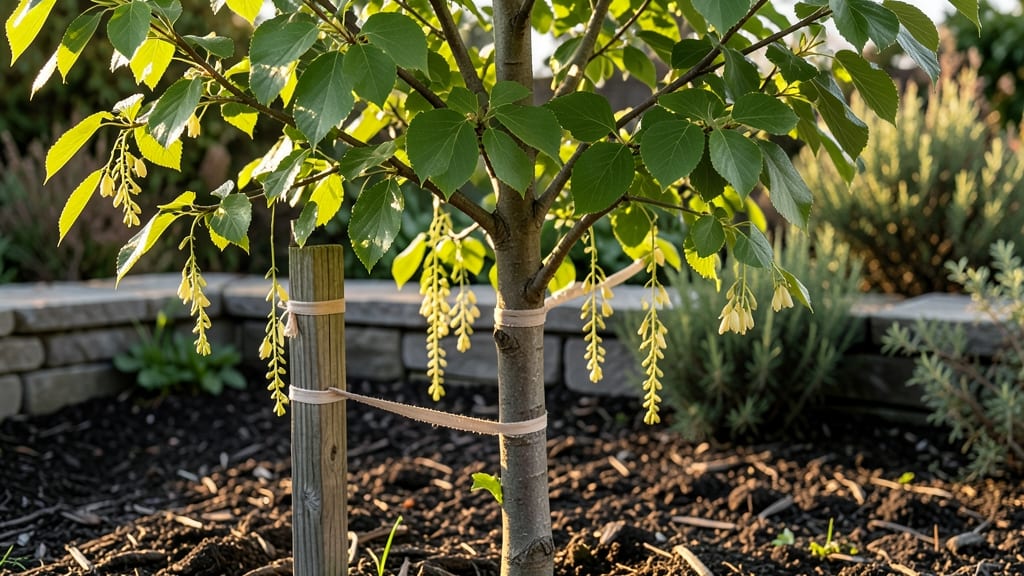
Stabilizing a tree isn’t just about saving it from toppling—it’s about giving it the strong foundation it deserves after years of wind, shallow roots, or erosion. I’ve seen too many trees lean dangerously after just one storm, and the fix isn’t as simple as throwing stakes in the ground.
The right technique makes all the difference between a tree that sways slightly and one that stands firm, even in gales.
You’ll need 3-4 sturdy wooden stakes, tree ties or soft cables, and a soil anchor—no fancy tools, just the right approach. The key is mimicking nature: stakes should go deep, at a 45-degree angle, while cables cradle the trunk like a gentle hug.
Too tight, and you strangle the tree; too loose, and it won’t hold. I learned that the hard way with my old oak.
By the end, your tree will look like it’s been there for decades—straight, resilient, and ready for whatever weather comes. The stakes disappear into the soil, the cables blend into the bark, and the roots get the chance to strengthen naturally.
No one will guess it needed help. Let’s get started.
This works for young trees, recently transplanted ones, or even mature trees that’ve taken a hit from storms. Just adjust the stakes and ties to fit the size and weight.
And if the lean is extreme or the tree is already damaged, it’s time to call an arborist—some fixes are better left to the pros.
📚 In This Guide
- What you need
- Instructions
- Tips and common mistakes
- Wrapping up and next steps
What you need
- ● Tree stakes: 3–5 wooden or metal stakes (2–3 inches in diameter, 4–6 feet long). Pro tip: 🔥 Use treated wood or galvanized metal to prevent rot and rust.
- ● Tree ties: 4–6 wide, soft fabric ties (2–3 inches wide) or tree straps (for larger trees). Avoid wire or narrow ties—they can damage bark!
- ● Cables (if needed): 1/4-inch to 3/8-inch aircraft cable (for heavy trees or high winds).
- ● Cable anchors or turnbuckles (to adjust tension).
- ● Shovel or post hole digger: For digging holes (12–18 inches deep).
- ● Measuring tape: To ensure proper spacing and alignment.
- ● Hammer or mallet: For securing stakes (if using metal or wooden stakes).
- ● Gloves and safety glasses: Always prioritize protection! 🛡️
- ● Concrete or gravel: To secure stakes in place (mix 1 part cement to 3 parts gravel for a quick fix).
- ● Bark protection: Tree wrap or foam padding around the trunk where cables or ties touch.
- ● Level: Ensures stakes are perfectly vertical for even support.
- ● Ratchet straps or bungee cords: Temporary support while you work.
Step-by-step guide for stabilizing trees against wind
Here's how to reinforce young trees and prevent storm damage using proven support techniques.
Assess the Tree and Choose Support Method
Start by examining the tree's trunk and root system. Young trees with shallow roots or those planted recently need the most support. For trees under 6 feet tall, use 2-3 stakes positioned 12-18 inches from the trunk at a 30-degree angle away from prevailing winds. Larger trees may require cabling between stakes for better stability.
I always check for lean—if the tree already tilts, place stakes on the upslope side to counteract the pull. Never stake a healthy, mature tree unless it's in a high-wind zone; over-staking can actually weaken the trunk by preventing natural movement.
Install Stakes Properly for Maximum Stability
Drive stakes 6-12 inches deep into the soil, ensuring they're firm but not rock-hard—you want flexibility to absorb wind pressure. Use a mallet or sledgehammer to avoid damaging the tree's roots. For each stake, bury one-third of its length below ground for stability.
Position stakes 6-12 inches from the trunk—too close restricts root growth, while too far provides little support. I like to tie the tree to the stakes using soft tree ties (never wire or plastic strips that can girdle the trunk). Leave 1-2 inches of space between the tie and bark to allow for trunk growth.
Secure the Tree with Cables or Ties
Wrap tree ties or elastic straps around the trunk and stake, crossing them in an "X" pattern for even pressure distribution. For young trees, use one tie per stake at 12-18 inches above ground. For larger trees, add a second tie at 3-4 feet if needed.
Tighten ties just enough to eliminate slack—you should be able to fit one finger between the tie and trunk. Recheck ties every 3-6 months as the tree grows. If using cables, attach them to stakes or anchor bolts and adjust for 10-15% of the tree's lean to gradually correct tilt without shock.
Monitor and Adjust Over Time
After installation, inspect the support system weekly for the first month, then monthly afterward. Look for loose stakes, frayed ties, or leaning trees—these are red flags. Adjust ties as the trunk thickens; never overtighten, or you'll restrict growth.
Remove stakes after 1-2 years (or when the tree's root system is fully established). I've seen trees become dependent on stakes and actually weaken if left too long. If your tree is in a high-wind area, consider permanent cabling for mature specimens, but always allow some trunk movement to build natural strength.
Tips & tricks for perfect tree stabilization
Here's what I've learned after reinforcing dozens of young trees—these tricks make all the difference between a temporary fix and long-lasting support.
Stake Placement Precision: When positioning your 2-3 stakes for trees under 6 feet, imagine an equilateral triangle around the trunk. The 12-18 inch distance from the trunk isn't arbitrary—it creates the optimal balance between support and root growth space. I've seen trees with stakes too close develop girdling from restricted growth, while those too far provide minimal wind resistance. For maximum stability, place one stake slightly higher than the others to counteract wind pressure from above.
The 30-Degree Angle Secret: That 30-degree angle mentioned for stake positioning isn't just a suggestion—it's about physics. Stakes at this angle distribute wind forces more efficiently than vertical stakes. Think of it like a sail catching wind: the angled stake catches the wind's push and converts it into downward pressure that stabilizes the tree. For trees in particularly windy areas, you can increase this angle slightly to 35 degrees for even better resistance.
Tie Tightening Technique: The "one finger" rule for tie tightness is critical, but here's what nobody tells you—check the tightness after a few days. Trees naturally settle and may need slightly adjusted ties. I've ruined perfectly good support systems by overtightening initially, which can actually damage the bark as the tree grows. Use soft, flexible ties that can stretch slightly as the trunk thickens over time.
Monitoring Schedule: That weekly inspection for the first month might seem like overkill, but trust me on this: I've seen trees fail within days because a tie came loose or a stake shifted. After the initial month, monthly checks are sufficient, but increase frequency during storm season. Pay special attention to where ties meet the trunk—look for any signs of bark damage or constriction that might restrict growth.
Pro Tips for Stabilize A Tree
- Here's what I've learned after reinforcing dozens of young trees—these tricks make all the difference between a temporary fix and long-lasting support.
- Stake Placement Precision: When positioning your 2-3 stakes for trees under 6 feet, imagine an equilateral triangle around the trunk.
- The 30-Degree Angle Secret: That 30-degree angle mentioned for stake positioning isn't just a suggestion—it's about physics.
Frequently asked questions
Got questions about stabilizing your tree? You’re not alone—tree care can feel tricky! Here are answers to the most common concerns to help you tackle the job with confidence.
What’s the best time of year to stabilize a young tree?
Plant your tree (and install stakes/cables) in early spring or fall when the ground is soft but not frozen. Avoid extreme heat or drought—roots need moisture to anchor properly. If stabilizing an established tree, do it during calm weather to prevent stress from wind or heavy tools.
Can I use regular stakes instead of tree-specific ones?
While you can use wooden or metal stakes, tree-specific T-posts or spiral stakes are ideal because they’re flexible, won’t girdle the trunk, and distribute pressure evenly. Regular stakes (like lumber) can cause damage over time. If using alternatives, pad them with rubber or fabric to protect the bark.
How often should I check the tree’s ties or cables?
Inspect stakes, ties, and cables every 3–6 months (or after storms). Look for:
- Loose or frayed ties
- Rust on metal cables
- Trunk damage from tight straps
Will staking/cabling make my tree weak if I remove support too soon?
Yes! Remove stakes/cables gradually over 1–2 years (especially for young trees) to let roots strengthen naturally. For mature trees, leave support in place permanently if needed, but monitor for signs of over-reliance (like weak wood near ties). Always prune ties annually to avoid bark damage.
Is DIY tree stabilization cheaper than hiring a pro?
DIY can save money ($20–$50 for basic stakes vs. $100–$300 for pro labor), but pros offer expertise for large, leaning, or high-risk trees. If your tree is over 30 feet tall or near structures, consider hiring an ISA-certified arborist—safety first!
Wrapping up and next steps
Stabilizing a tree isn’t just about aesthetics—it’s about protecting your investment and keeping your landscape safe. With the right stakes, cables, and techniques, you can give your tree the support it needs to stand tall against wind and weather. Start small, stay consistent, and watch your tree thrive!
Ready to take action? Pick a calm day, gather your supplies, and get to work. If you’re unsure about any step, consider consulting a local arborist—your tree will thank you! 🌳✨