
Propagation
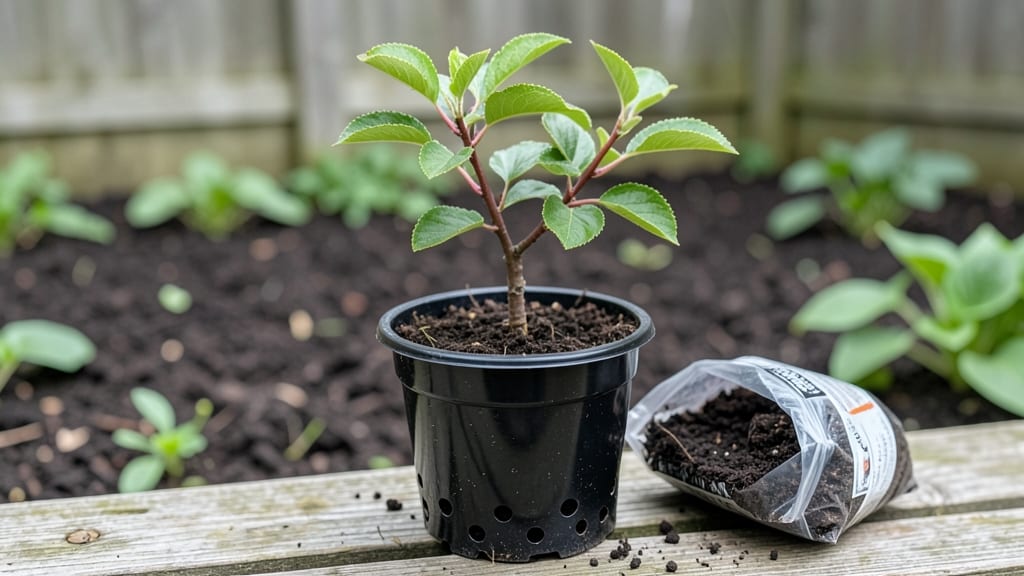
Starting an apple tree from seed is the ultimate test of patience—because the sweetest rewards take five to ten years to arrive. 🌱 I’ve tried this method three times, and each seedling reminds me why gardening is about the journey, not just the harvest.
The first step is picking the right seeds from fresh, organic apples—no store-bought fruit, please—and preparing them for a winter-long nap that mimics nature’s timing.
You’ll need just a few supplies: apple seeds, a damp paper towel, a plastic bag for stratification, and a sunny windowsill or greenhouse space. The trick is cold treatment—seeds need 60 to 90 days in the fridge to break dormancy.
Most people skip this, and that’s why their seeds never sprout. Once they’ve had their winter chill, you’ll plant them in well-draining soil and wait for the magic to happen.
What you’ll end up with is a scrappy little seedling that may or may not grow into a fruit-bearing tree—no guarantees on flavor or size, since seed-grown apples rarely match their parents.
But the thrill of watching it push through the soil, the first true leaves unfurling, makes every slow season worth it. These trees grow fast once established, reaching 6 to 10 feet in their first few years.
Fair warning: Grafting later will be key if you want predictable fruit, but the adventure of growing from seed is half the fun. Here’s how to do it right the first time—no shortcuts, just steady progress toward that first blossom.
📚 In This Guide
- What you need
- Instructions
- Tips and common mistakes
- Wrapping up and next steps
What you need
- ● Apple seeds: 3–5 fresh, plump seeds from a non-hybrid apple variety (e.g., Granny Smith, Fuji, or Honeycrisp). Pro tip: 💡 Save seeds from organic apples to avoid pesticides!
- ● Small pots or seed trays: 3–4 biodegradable pots (3–4 inches wide) or a seed tray with drainage holes.
- ● Potting mix: 1 bag of high-quality, well-draining seed-starting mix (avoid garden soil—it’s too dense!).
- ● Plastic wrap or humidity dome: To retain moisture while seeds germinate.
- ● Spray bottle: For gentle watering (a fine-mist setting is key!).
- ● Grow lights or sunny windowsill: A south-facing window or LED grow lights (12–16 hours/day) for seedlings.
- ○ Label markers & tags: To track seed varieties (optional but helpful!).
- ● Scissors or pruners: For trimming pots or seedlings later.
- ● Heat mat: Speeds up germination (70–75°F is ideal).
- ● Fertilizer: A balanced, water-soluble fertilizer (5-5-5 NPK) for seedlings after sprouting.
- ● Transplanting tools: Larger pots (5–7 inches) for young saplings.
- ● Tree guards: For protecting seedlings from pests or harsh weather.
- ● Patience & a journal: 😄 Document growth stages—it’s a 5–10 year journey!
Step-by-step instructions for growing apple trees from seed
Here's how to turn a simple seed into a potential fruit-bearing tree.
🌱 Step 1: Select and Prepare Your Apple Seeds
Choose seeds from a variety you love—store-bought apples often don't grow true to type, but heirloom seeds work best. Remove seeds from the fruit and rinse off any remaining pulp. Spread them on a paper towel and let them dry completely for 24 hours to prevent mold.
Place the dry seeds in a ziplock bag with a damp paper towel. Seal it and refrigerate for 6-8 weeks to simulate winter stratification. This breaks seed dormancy and encourages germination. Check weekly—the towel should stay moist but not soggy. If you forget, don't worry; seeds can handle a few extra weeks in the fridge.
🌿 Step 2: Sow Seeds in a Controlled Environment
Fill a 4-inch deep seedling tray with sterile potting mix (not garden soil—it's too dense). Moisten it until damp but not dripping. Plant seeds ½ inch deep, spacing them 1 inch apart. Cover lightly with additional mix and mist gently with water.
Place the tray in a warm spot with indirect light (a sunny windowsill works). Keep the soil consistently moist—not wet—by checking the top inch daily. Germination can take 3-6 weeks, so patience is key. Once sprouts appear, move them to a south-facing window or under a grow light for 12-14 hours daily.
☀️ Step 3: Transplant Seedlings to Individual Pots
When seedlings reach 3-4 inches tall with 2-3 true leaves, transplant them into 6-inch pots filled with fresh potting mix. Handle seedlings by their leaves—not the stems—to avoid damage. Dig a hole slightly larger than the root ball, place the seedling in, and firm soil around it gently.
Water deeply until it drains from the bottom. Keep pots in a bright, sheltered spot (like a porch or greenhouse) where temperatures stay between 50-70°F. Avoid direct sun at first—it can scorch tender new growth. After 2 weeks, gradually introduce more sunlight to harden the seedlings.
🪴 Step 4: Acclimate and Plant Outdoors
Once seedlings are 12-18 inches tall and have 5-6 leaves, they're ready for outdoor planting. Choose a sunny spot with well-draining soil. Dig a hole twice as wide as the pot but no deeper. Gently remove the seedling, loosen the roots, and place it in the hole so the top of the root ball sits 1 inch below soil level.
Backfill with soil, tamp lightly, and water deeply. Mulch around the base with 2-3 inches of organic mulch to retain moisture and suppress weeds. Keep the soil moist for 2 weeks to help roots establish. Avoid fertilizing—young trees need time to adjust to their new home.
⏰ Step 5: Care for Young Trees Long-Term
Water deeply once a week during dry spells, aiming for 1-2 inches of water per week. Young trees need consistent moisture but hate soggy roots. Prune in late winter to remove dead or crossing branches. Use clean, sharp pruners to make cuts just above a bud or branch collar.
Apple trees grown from seed may take 8-12 years to bear fruit, and varieties won't match the parent apple. But the process teaches you patience—and who knows? You might discover a unique flavor worth cultivating. Keep an eye out for pests like aphids or codling moths, and treat early with neem oil if needed.
Tips & tricks for growing apple trees from seed
Here's what nobody tells you about nurturing those tiny seeds into towering trees.
Stratification Success: The 6-8 weeks in the fridge isn't just about time—it's about mimicking nature's winter cycle. Place your sealed bag on a shelf near other fridge items to maintain consistent temperatures. If you're impatient, you can extend this period to 12 weeks for even higher germination rates, but don't rush it. Think of it like making a fine wine—the longer the process, the better the results.
Germination Watch: During those 3-6 weeks of waiting for sprouts, resist the urge to check constantly. Instead, mark your calendar and check at the same time each week. The seeds need darkness to germinate properly, so avoid placing the tray in direct light before sprouts appear. Once you see those first green shoots, move them to brighter conditions immediately.
Seedling Care: When transplanting to 6-inch pots, make sure the soil temperature matches the air temperature. Cold soil can shock tender roots, so let your potting mix sit at room temperature before using. After transplanting, place a clear plastic bag over each pot to create a mini greenhouse effect—this helps maintain humidity while the seedlings adjust to their new home.
Pro Tips for Start An Apple Tree From Seed
- Here's what nobody tells you about nurturing those tiny seeds into towering trees.
- Stratification Success: The 6-8 weeks in the fridge isn't just about time—it's about mimicking nature's winter cycle.
- Germination Watch: During those 3-6 weeks of waiting for sprouts, resist the urge to check constantly.
Frequently asked questions
Got questions about growing an apple tree from seed? You’re not alone—this method takes time and patience! Here are answers to the most common queries to help you navigate the process with confidence.
How long does it take for an apple seed to sprout?
Apple seeds typically sprout in 3 to 6 weeks after planting, depending on temperature and moisture. Keep the soil consistently moist (not soggy) and place the pot in a warm, bright spot—just avoid direct sunlight until sprouts appear. Patience is key!
Will an apple tree grown from seed produce fruit?
Yes, but it may take 5 to 10 years (or longer) before your seedling bears fruit. The variety won’t match the parent tree—apple seeds are not true to type, so expect surprises! If you want a specific type, grafting is a better option.
What’s the best time of year to plant apple seeds?
The ideal time is late winter or early spring, about 6–8 weeks before your last frost. This gives seedlings a head start before warmer weather. If you plant in fall, use a cold stratification method (chill seeds for 4–6 weeks) to mimic winter conditions.
Can I grow an apple tree from a store-bought apple seed?
Just save seeds from a fresh, organic apple (avoid hybrid varieties like Honeycrisp—they may not grow true). Rinse the seeds, dry them, and plant them in moist soil. Store-bought apples are fine, but heirloom or local varieties often yield better results.
What should I do if my seedling looks weak or yellow?
Yellowing leaves or weak growth often signal overwatering, poor drainage, or pests. Let the soil dry slightly between waterings, and check for fungus gnats or aphids. If needed, repot the seedling in fresh, well-draining soil and place it in brighter (but indirect) light.
Still curious? Drop your questions in the comments—we’re happy to help!
Wrapping up and next steps
Starting an apple tree from seed is a rewarding journey that blends patience with the joy of nurturing life from scratch.
While it may take years to bear fruit, the process teaches resilience and connects you to nature’s timeless cycle. Now that you’re equipped with the know-how, why not plant that seed today? Grab your gloves, pick a sunny spot, and let the adventure begin—your future orchard awaits! 🌱🍏