Pruning
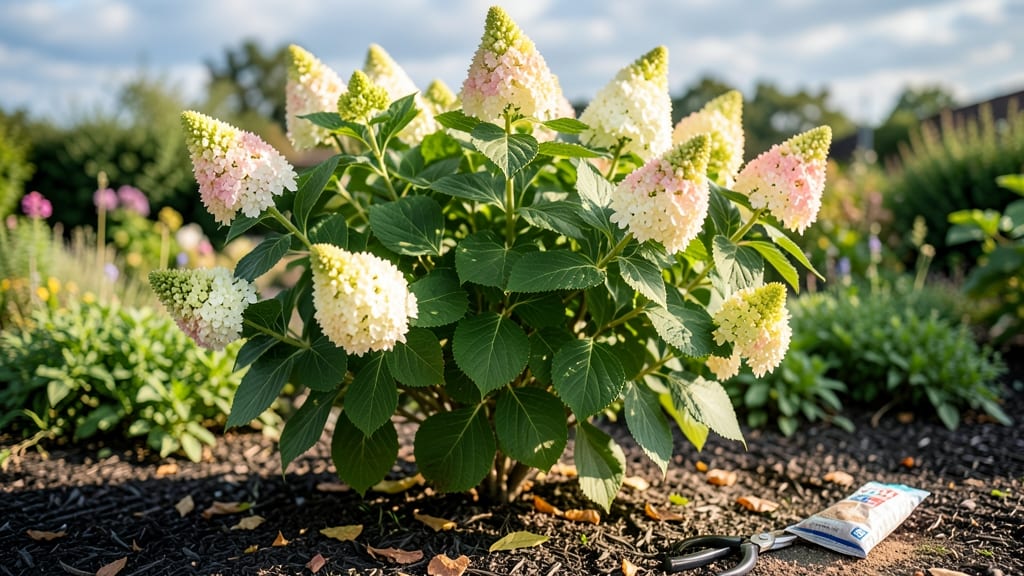
Fall is when hydrangea shrubs—often mistaken for trees—make their boldest statement, with foliage turning fiery red or gold before winter. ✨ I’ve pruned mine every autumn for years, and the key is timing: wait until after the first frost to avoid encouraging tender new growth that won’t survive.
The right cuts now mean bigger, fuller blooms next summer, not the leggy messes I used to get.
You’ll need just three things: sharp pruners, a pair of gloves, and a clear day when the weather’s dry. The goal isn’t to shape the plant but to remove dead or crossing branches and thin out crowded growth.
Hydrangeas like Hydrangea paniculata (the "tree" type) handle fall pruning better than others, but even mopheads and bigleaf varieties benefit from light cleanup. This takes about 20 minutes for a medium-sized shrub.
What you’ll end up with is a shrub that looks tidy now but stores energy for next year’s blooms. The flowers themselves will fade, but the structure you create now ensures vibrant clusters in spring.
Plus, you’ll skip the spring rush—no more scrambling to prune before buds break. Just add mulch afterward to protect roots from freezing temperatures.
Works for all hydrangea types, though timing varies slightly by cultivar. For bigleaf varieties, hold off until late winter instead. Here’s how to do it right the first time—and avoid the mistakes that leave your shrubs looking half-dead by spring.
📚 In This Guide
- What you need
- Instructions
- Tips and common mistakes
- Wrapping up and next steps
What you need
- ● Pruning shears: Bypass pruners (sharp, clean, and disinfected with rubbing alcohol or bleach).
- ● Loppers: For thicker branches (2–3 inches in diameter).
- ○ Hand saw: Pruning saw for stubborn, woody stems (optional but handy).
- ● Gloves: Heavy-duty, cut-resistant gloves to protect your hands from thorns and sap.
- ● Disinfectant: 1 part bleach to 9 parts water (for sterilizing tools between cuts).
- ● Rake or broom: To clean up fallen leaves and debris after pruning.
- ○ Pruning sealant: Optional, for large cuts (e.g., tree wound pruning paste).
- ● Notebook & pen: To jot down notes on cuts made (helpful for tracking growth).
- ● Know your hydrangea type: Oakleaf (Hydrangea quercifolia) or panicle (Hydrangea paniculata) trees have different pruning needs—research or consult a local nursery if unsure.
- ● Dry, mild weather: Aim for a day with temperatures between 50–65°F (10–18°C) and no rain in the forecast.
- ● Clear workspace: Remove nearby plants, mulch, or obstacles to move freely around the tree.
- ● Safety first: Wear long sleeves/pants and closed-toe shoes to avoid scratches or sap irritation.
How to prune a hydrangea tree in fall for stronger growth
Fall is the perfect time to shape your hydrangea tree—here’s how to do it right.
🌿 Step 1: Time Your Pruning for Optimal Results
Prune your hydrangea tree 4-6 weeks before your last expected frost—this gives it time to heal before winter. I always wait until after the first hard frost when the plant has entered dormancy but before the ground freezes solid. You’ll know it’s ready when leaves have turned brown and fallen naturally.
If you prune too early, new growth may not harden off before winter. If you wait too late, the tree won’t have time to recover before cold sets in. Hydrangeas are tough, but timing matters—this is the moment that matters.
✂️ Step 2: Remove Dead, Diseased, or Weak Wood
Start by cutting out any dead, diseased, or crossing branches using clean, sharp pruners. Look for branches that are brown inside when you cut them open or have blackened spots. These won’t come back strong, so remove them completely at the base.
Next, thin out any branches that rub against each other—they’ll create wounds where pests or disease can enter. I like to step back and look at the tree’s shape from all sides. If a branch is growing straight up or blocking light from the center, it’s likely a candidate for removal.
🌱 Step 3: Shape the Tree for Next Year’s Blooms
Hydrangeas bloom on new wood, so you can prune more aggressively than you might think. Cut back one-third of the oldest stems to encourage fresh, vigorous growth. Focus on the outer branches first—this opens up the center and allows sunlight to reach all parts of the tree.
Use your pruners to make clean cuts at a 45-degree angle, about ¼ inch above a outward-facing bud. This ensures the new growth will fill out the tree nicely. Avoid leaving stubs—they can rot and invite pests. If a branch is too thick to cut by hand, use a pruning saw.
💧 Step 4: Clean Up and Protect for Winter
After pruning, rake up all fallen leaves and debris—this prevents fungal spores from overwintering near the tree. I also like to apply a 2-3 inch layer of mulch around the base (but not touching the trunk) to insulate the roots. Hydrangeas appreciate this extra protection, especially in colder climates.
Give the tree a deep watering after pruning to help it recover. Avoid fertilizing now—it encourages late-season growth that won’t harden off before winter. Instead, wait until early spring to feed it when new growth begins.
Tips & tricks for perfect fall hydrangea pruning
Here's how to avoid common mistakes and get the most out of your late-season pruning—your hydrangea will thank you next spring.
Timing is Everything: The 4-6 week window before your last frost is critical. I’ve learned the hard way that pruning too early can leave tender new growth vulnerable to cold snaps. Check your local frost dates and mark your calendar—this isn’t something you want to guess at. If you’re unsure, do a quick test: gently tug a few leaves. They should come off easily if the plant is truly dormant.
Tool Prep Matters: Before you make a single cut, disinfect your pruners with rubbing alcohol. I’ve seen fungal infections spread from one plant to another through contaminated tools, and hydrangeas are especially susceptible. Sharp tools also make cleaner cuts that heal faster—dull blades tear tissue, inviting disease. A quick wipe-down between cuts on larger trees can prevent cross-contamination.
Shape with Purpose: When cutting back those one-third oldest stems in Step 3, think about the tree’s natural shape. I like to imagine a vase form—wider at the base, narrowing toward the top. This not only looks beautiful but also allows sunlight to penetrate to the center where new buds will form. Remember, hydrangeas bloom on new wood, so you’re not just pruning for aesthetics—you’re shaping next year’s flower display.
Winter Protection Hack: After your 2-3 inch mulch layer, add a thick layer of straw or pine needles on top. This creates an extra insulating blanket that protects roots from extreme temperature swings. I’ve seen hydrangeas in Zone 5 survive winters that would otherwise be too harsh—this simple layer makes all the difference. Just make sure to pull it back in early spring before new growth emerges.
Pro Tips for Hydrangea Tree In Fall
- Here's how to avoid common mistakes and get the most out of your late-season pruning—your hydrangea will thank you ne...
- Timing is Everything: The 4-6 week window before your last frost is critical. I’ve learned the hard way that pruning ...
- Tool Prep Matters: Before you make a single cut, disinfect your pruners with rubbing alcohol. I’ve seen fungal infect...
Frequently asked questions
Got questions about keeping your hydrangea tree thriving in fall? Here are answers to the most common concerns—from pruning timing to winter prep—so you can enjoy stunning blooms next season!
When is the best time to prune a hydrangea tree in fall?
Fall pruning is ideal after blooming (late September to early November) for bigleaf and oakleaf hydrangeas. Avoid heavy pruning in late fall—focus on shaping or removing dead wood. For panicle hydrangeas, prune in late winter/early spring instead. Learn more about timing based on your hydrangea type!
Do I need to protect my hydrangea tree from winter frost?
Most hydrangeas are hardy, but young trees or tender varieties (like panicle) benefit from a 3-inch layer of mulch around the base. Wrap the trunk with burlap if your region gets harsh winds or temps below -10°F. Water deeply before the first freeze to prevent root stress.
Can I prune too much in fall, and will it hurt next year’s blooms?
Yes! Over-pruning in fall can reduce next year’s flowers, especially for bigleaf hydrangeas, which bloom on old wood. Limit cuts to 20-30% of the tree’s height. Focus on removing dead, diseased, or crossing branches—save heavy shaping for late winter/early spring.
What if my hydrangea tree didn’t bloom this year—did I prune wrong?
Bloom issues often stem from pruning at the wrong time (e.g., cutting back old wood types in spring) or over-fertilizing with high nitrogen. Check your hydrangea type: Bigleaf and oakleaf need minimal pruning; panicle hydrangeas thrive with annual late-winter pruning. Adjust next year!
Are there alternatives to hydrangea trees for fall color?
If hydrangeas aren’t your style, consider these low-maintenance, fall-flowering trees:
- Smoke Tree (Cotinus) : Vibrant pink/purple foliage + dramatic plumes.
- Serviceberry (Amelanchier) : White spring blooms + red fall berries.
- Crape Myrtle (Lagerstroemia) : Bold summer flowers + fiery fall leaves.
- Dogwood (Cornus) : Stunning red/orange foliage in fall.
Wrapping up and next steps
Fall is the perfect time to shape your hydrangea tree for stunning blooms next season! By pruning now, you’re setting the stage for a vibrant, healthy plant—just remember to avoid over-trimming and focus on dead or weak growth.
With the right tools and a little patience, you’ll enjoy a showstopping display year after year. 🌿✨
Ready to take action? Grab your pruners and give your hydrangea tree the care it deserves—your future blooms will thank you! For extra tips, check out our pruning guide or tag us in your before-and-after photos. Happy gardening!