Pruning
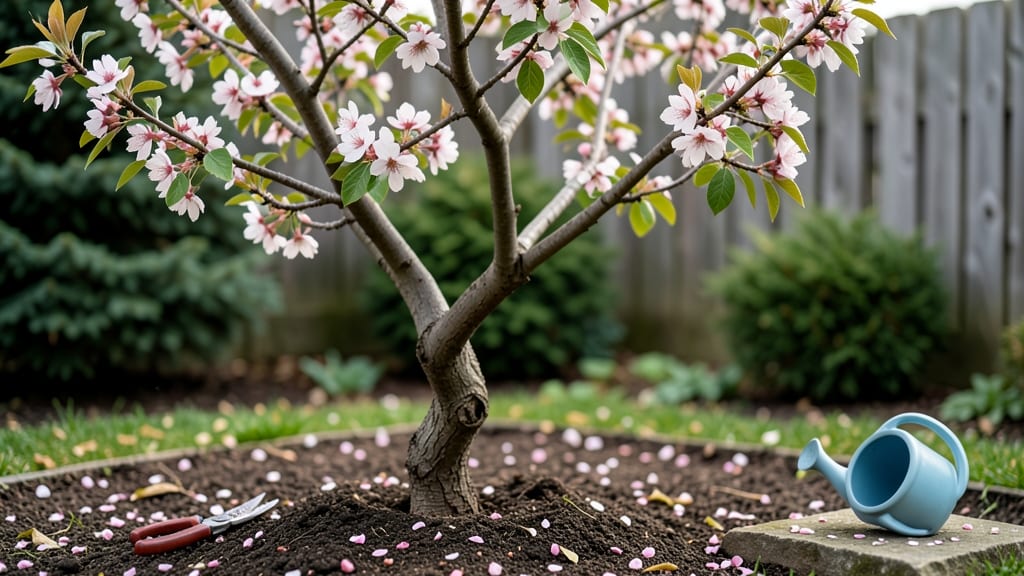
In Laytonville, Cali, the Japanese apricot tree isn’t just a tree—it’s a frost-resistant powerhouse thriving where others falter. 🌱 The Prunus mume’s resilience makes it perfect for your coastal microclimates, where chilly nights and foggy mornings test even the hardiest plants. mornings challenge fruit growers.
I’ve watched mine push through winter’s bite, its blossoms arriving early and its fruit ripening just as summer’s heat peaks.
Laytonville’s cooler, fog-prone summers actually work in your favor—these trees prefer moderate heat over scorching afternoons, and the coastal breeze reduces pest pressure. The key? Well-draining soil with a slightly acidic pH (6.0-6.5) and morning sun with afternoon shade to prevent stress.
Plant in late winter when the ground is workable but frost risks have passed, spacing trees 15-20 feet apart to allow airflow and future growth.
Pruning in early spring (before buds swell) is your secret weapon—removing dead wood and shaping the canopy ensures stronger fruit production while preventing disease. Laytonville’s occasional late frosts? No problem. These trees handle it better than most stone fruits, but a light mulch layer in winter adds extra insulation.
The payoff? Sweet, fragrant apricots that ripen in June-July, just as the fog lifts and summer settles in.
Companion plants like lavender or rosemary deter pests naturally, while a drip irrigation system keeps roots consistently moist without overwatering. The biggest challenge? Avoiding over-fertilizing—these trees prefer lean soil and reward patience with decades of harvests.
Start with one tree, master the pruning, and you’ll have a Laytonville staple that outperforms anything from a nursery.
📚 In This Guide
- What you need
- Instructions
- Tips and common mistakes
- Wrapping up and next steps
What you need
- ● Pruning shears: Bypass pruners (sharp, 4-6 inch blades) for clean cuts on small branches.
- ● Loppers: 1 pair (18-24 inch handles) for thicker branches (½–1½ inch diameter).
- ● Pruning saw: 1 (8–10 inch blade) for stubborn, larger limbs.
- ● Disinfectant: 70% isopropyl alcohol or horticultural spray (1 bottle) to sterilize tools between cuts.
- ● Gloves: Heavy-duty leather or nitrile-coated (cut-resistant) for safety.
- ○ Pruning sealant: Optional but helpful for wound protection (e.g., Tanglefoot Tree Wound Pruning Seal, 1 small tub).
- ● Ladder: Extendable (12–16 ft) or sturdy step stool for higher branches.
- ● Heavy-duty trash bags: 2–3 (30-gallon size) for debris cleanup.
- ● Marking twine or flags: To tag branches for removal (e.g., bright orange flags, 10–20 pieces).
- ● Timing: Prune during dormant season (late winter, Jan–Feb) to avoid frost damage or spring blooms (post-flowering, March–April).
- ● Weather: Choose a dry, overcast day (avoid pruning if rain is forecasted within 24 hours).
- ● Safety gear: Safety glasses (ANSI-rated) and ear protection if using a chainsaw (for very large branches).
- ● Local regulations: Check Laytonville’s HOA or fire department rules if your tree is near structures.
- ● Tree health: Inspect for diseases (e.g., silver leaf fungus) or pests before pruning—treat if needed!
- ● Chainsaw: Only for very large branches (>2 inches)—use with extreme caution!
- ● Tarps or drop cloths: To protect lawn/ground from debris.
- ● Tree pruning guidebook: Or a printable checklist for Laytonville’s climate-specific tips.
- ● Camera: Snap before/after photos to track your tree’s progress!
Step-by-Step pruning guide for frost-resistant Japanese apricot trees in Laytonville
Here’s how I prune these hardy trees to thrive in Laytonville’s coastal microclimate.
✂️ Step 1: Time Your First Cut for Late Winter Dormancy
Prune your Japanese apricot tree after the last frost but before bud break, typically in late February to early March in Laytonville. This timing ensures the tree has stored energy for new growth while avoiding spring frost damage. Look for dormant branches—they’ll be stiff and brown, not the pliable green of spring.
Use clean, sharp pruning shears to make cuts at a 45-degree angle, just outside the branch collar where it meets the trunk. Avoid tearing the bark, which invites disease. I like to start with light pruning—removing only dead, crossing, or diseased branches first. This keeps the tree’s stress low while you assess its structure.
🌿 Step 2: Open the Canopy for Airflow and Sunlight
Japanese apricots benefit from an open, vase-like shape to prevent fungal issues and improve fruit production. Focus on removing inward-growing branches that crowd the center. These branches compete for sunlight and air, creating a humid microclimate that encourages rot. Aim to let light penetrate to the inner branches—you’ll see new shoots grow toward the sun within weeks.
Thin out overlapping branches to reduce humidity buildup. If two branches grow parallel and close together, remove the weaker one at its base. Laytonville’s coastal fog means your tree needs maximum airflow to dry quickly after rain. A well-pruned tree will show evenly spaced branches with no dense clusters.
☀️ Step 3: Shape for Frost Resistance and Fruit Production
Japanese apricots in Laytonville need strong structural limbs to support heavy fruit and withstand occasional coastal winds. Prune to maintain a balanced shape, removing branches that grow straight upward (called "water sprouts") unless they’re part of the main scaffold. These vertical branches are prone to breakage under fruit weight.
Shorten last year’s growth by about one-third to encourage bushier, more resilient branches. Cut just above an outward-facing bud to promote growth away from the center. After pruning, the tree should have a pyramidal framework with sturdy limbs radiating outward. This shape also helps snow and rain slide off more easily, reducing branch stress.
⏰ Step 4: Monitor and Adjust for Seasonal Changes
After the initial pruning, wait until late summer (around August) to do a second, lighter trim. This is when you remove sucker growth—vigorous shoots sprouting from the base or along the trunk. These divert energy from fruit production. Snip them back to 2-3 inches from the ground to redirect the tree’s focus upward.
Check for dead or diseased wood throughout the year. Japanese apricots are prone to bacterial canker, so remove any branches with sunken, oozing lesions immediately. Sterilize your pruners with rubbing alcohol between cuts to prevent spreading pathogens. A healthy tree will show fresh green leaves and minimal deadwood by early spring.
Tips & tricks for pruning frost-resistant Japanese apricot trees
Here’s what I’ve learned after years of shaping these trees in Laytonville’s challenging climate—details that make all the difference for long-term health.
Timing is Everything: The late February to early March window is non-negotiable for Laytonville’s coastal conditions. I check the local frost dates annually and mark my calendar—pruning too early risks exposing tender new growth to unexpected cold snaps, while waiting too long means the tree wastes energy on spring buds before you’ve shaped it. If you miss this window, wait until the tree is fully dormant again next winter, but you’ll sacrifice that season’s fruit potential.
The 45-Degree Angle Secret: When making cuts in Step 1, that 45-degree angle isn’t just aesthetic—it’s about directing water runoff away from the branch collar. I use a small protractor on my pruners to ensure consistency. The goal is to create a smooth slope that sheds rainwater efficiently, preventing rot at the wound site. If your cuts are too vertical, water pools and invites bacterial infections common in coastal climates.
Canopy Architecture Matters: For Step 2’s open vase shape, think of your tree’s branches like a well-designed skylight—light should penetrate to the center without creating shaded pockets. I like to visualize removing branches that would block sunlight from reaching the inner canopy. In Laytonville’s foggy summers, this airflow strategy prevents the fungal issues that plague densely pruned trees. After thinning, you should be able to see through the center to the trunk from multiple angles.
Seasonal Maintenance Strategy: That August sucker control in Step 4 is crucial for Laytonville trees. I’ve seen trees with aggressive suckers divert so much energy that fruit production drops by 40% in the following year. When snipping back to 2-3 inches, always cut at the base where the sucker meets the trunk—never leave stubs. These regrowth points become weak entry points for pests and disease in our damp coastal environment.
Pro Tips for Japanese Apricot Tree Laytonville Cali
- Here’s what I’ve learned after years of shaping these trees in Laytonville’s challenging climate—details that make all the difference for long-term health.
- Timing is Everything: The late February to early March window is non-negotiable for Laytonville’s coastal conditions.
- The 45-Degree Angle Secret: When making cuts in Step 1, that 45-degree angle isn’t just aesthetic—it’s about directing water runoff away from the branch collar.
Frequently asked questions
about growing and pruning a Japanese apricot tree (Prunus mume) in frost-prone Laytonville, CA—because even the best trees need a little TLC!How cold can a Japanese apricot tree handle in Laytonville?
A hardy Prunus mume can tolerate temperatures down to 10°F (-12°C), making it ideal for Laytonville’s chilly winters. However, young trees or grafted varieties may need winter protection (like burlap wraps) during sudden freezes. Always check your specific cultivar’s hardiness zone—most thrive in USDA Zones 6-9.
When is the best time to prune in Laytonville’s climate?
Prune late winter to early spring (February–March), just before buds swell but after frost risks pass. Laytonville’s late frosts (often in March) mean waiting until mid-March is safer. Avoid pruning in fall—it invites disease and weakens frost resistance.
Can I prune a Japanese apricot tree in summer?
Summer pruning is not recommended—it stresses the tree and opens wounds to pests/diseases. If you must prune (e.g., for safety), do it minimally in late summer (August–September), removing only dead/diseased branches. Always sterilize tools with 70% isopropyl alcohol to prevent infections.
What if my tree’s branches are dying after pruning?
Check for these signs:
- Fungal issues: Dark, mushy cuts or sawdust-like spores? Prune in dry weather and apply copper fungicide.
- Over-pruning: If >30% of branches were removed, the tree may struggle. Next year, prune lightly to recover.
- Frost damage: Brown, brittle branches? Wait until spring to assess—some may regrow!
Are there frost-resistant alternatives to Japanese apricot?
If you’re unsure about Prunus mume, consider:
- Mei (Japanese plum, Prunus salicina) – Hardier (to 5°F/-15°C) and productive.
- Umeboshi (cultivated apricot) – Bred for frost tolerance; try ‘Okubozakura’.
- Satsuma plum (Eriobotrya japonica) – Thrives in Zones 7-10 and handles light frosts.
Wrapping up and next steps
Growing a frost-resistant Japanese apricot tree in Laytonville, CA is not just possible—it’s a rewarding journey that brings beauty, flavor, and resilience to your landscape.
By following the right pruning blueprint, selecting hardy varieties, and timing your care just right, you’ll nurture a thriving tree that stands strong against the region’s chilly winters. 🌱❄️
Ready to take the next step? Start small—whether it’s pruning your first branch or researching the best local nurseries for frost-hardy saplings. With patience and passion, your apricot tree will soon reward you with sweet, sun-kissed fruit and a garden that’s the envy of the neighborhood!