
Pruning
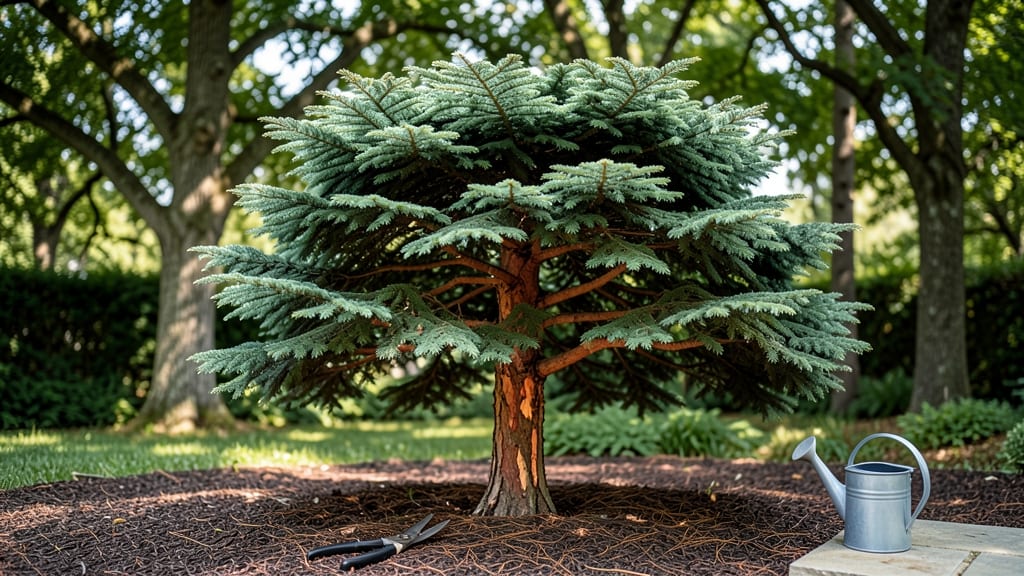
Pruning Japanese evergreen trees like Ilex crenata or Pittosporum tobira keeps them looking sharp for decades—if you do it right. I’ve pruned these cold-hardy beauties for years, and the difference between a ragged hedge and a polished one comes down to timing, technique, and a little patience.
The key is shaping them gradually, never more than one-third of the plant at once, or you’ll shock the roots and invite pests.
Start with clean, sharp tools—dull shears tear foliage and leave jagged cuts that heal poorly. Most Japanese evergreens thrive in partial shade, but their growth slows dramatically in deep shade, so prune lightly there.
For hedges, use a handheld hedge trimmer for clean lines, and step back often to check symmetry. The goal is to encourage dense, bushy growth, not leggy stems chasing sunlight.
You’ll notice the results almost immediately: thicker foliage, fewer gaps, and a shape that holds up through winter. My Buxus microphylla hedge stayed lush even after a 20-degree freeze, thanks to careful pruning in late spring.
The secret? Prune just as new growth starts, and always follow up with a light mulch to protect roots from temperature swings.
Works for hedges, topiary, or even bonsai—just scale the tools and timing. Whether you’re trimming a 6-foot hedge or a miniature tree, the principles stay the same. Let’s get those shears ready and turn your evergreens into the envy of the neighborhood.
📚 In This Guide
- What you need
- Instructions
- Tips and common mistakes
- Wrapping up and next steps
What you need
- ● Pruning shears: Bypass pruners (sharp, clean, and disinfected with rubbing alcohol). Recommended: Felco F-2 or Corona Tools.
- ● Loppers: For thicker branches (1–2 inches in diameter). Look for ratchet-style loppers for extra leverage.
- ● Hand pruners: For small, delicate trims (avoid dull blades—they crush instead of cleanly cut!).
- ● Pruning saw: Only if needed for branches >2 inches thick. A bow saw or pruning saw with a fine-tooth blade works best.
- ● Ladder: Non-slip, sturdy (extendable if your tree is tall). Safety first! Wear gloves and secure the ladder to the tree if possible.
- ● Disinfectant: 70% isopropyl alcohol or a pruning sealant (like Tanglefoot) to prevent disease spread.
- ● Heavy-duty gloves: Cut-resistant (e.g., Mechanix or garden-specific gloves) to protect your hands.
- ● Trash bags: Heavy-duty (2–3 gallon size) for debris collection.
- ● Sharpie or marker: To label branches if you’re doing selective pruning (e.g., marking branches to remove later).
- ● Pruning sealant: Only for large cuts (>0.5 inch) to reduce sap loss (e.g., Tree Seal or Ortho brand). ⚠️ Pro tip: Skip this for Japanese evergreens—they heal well without it!
- ● Pole pruner: For high branches (extendable up to 10–12 feet).
- ● Work vest or apron: To keep tools and hands free.
- ● Safety goggles: If your tree is near power lines or has brittle branches.
- ● Camera/phone: To document your progress (great for tracking growth over time!).
- ● Timing: Prune in late winter or early spring (before new growth starts) for cold-hardy Japanese evergreens like Pinus parviflora or Chamaecyparis obtusa.
- ● Weather: Choose a dry, calm day (avoid wind or rain to prevent disease spread).
- ● Research: Know your tree’s growth habits—some Japanese evergreens (like Cryptomeria) respond better to structural pruning than heavy trimming.
- ● Safety check: Inspect the area for pests, dead branches, or power lines before starting.
Step-by-step guide to pruning Japanese evergreen trees for structure and longevity
Cold-hardy evergreens deserve careful shaping to thrive for decades. Here's how to prune them the right way.
Choose the Right Time for Pruning
Late winter or early spring—just before new growth begins—is the ideal window. This timing ensures you're working with dormant branches while avoiding late-season stress that could weaken the tree before winter. Japanese evergreens like Chamaecyparis or Picea species respond best when pruned after the worst cold has passed but before buds swell.
Check your local frost dates and aim for 4-6 weeks before your last frost. You'll notice fresh, vibrant growth starting in early spring—this is your cue that the tree has broken dormancy and can handle pruning without shock. Avoid pruning in fall, as new growth won't harden off properly before winter.
Assess the Tree's Natural Shape and Health
Start by examining the tree's structure from all sides. Look for dead, diseased, or crossing branches—these are your top priorities. Japanese evergreens develop dense, layered canopies, so focus on maintaining that natural tiered shape while removing anything that disrupts airflow or blocks sunlight from lower branches.
Use sharp, clean pruning shears to make precise cuts just outside the branch collar (the swollen area where the branch meets the trunk). This prevents unsightly stubs and promotes faster healing. If you spot yellowing needles or sparse foliage, these may indicate underlying issues like root rot or nutrient deficiency—address these before pruning.
Thin Out for Airflow and Light Penetration
Thinning is key to preventing fungal diseases and encouraging strong, even growth. Remove about 10-20% of the tree's total volume, focusing on branches that are rubbing against each other or growing inward. Start from the top and work your way down, making cuts that open up the center of the tree.
You'll see a noticeable difference in light reaching the lower branches after thinning. This encourages new growth at the base and prevents the tree from developing a bare, leggy lower trunk. Avoid heavy pruning in one season—Japanese evergreens respond better to gradual shaping over multiple years.
Shape for Balance and Cold-Hardiness
Use the natural growth pattern of the tree as your guide. Japanese evergreens often grow in a conical or pyramidal shape, so follow that silhouette while making subtle adjustments. Cut back overgrown branches to maintain proportions, but never remove more than 1/3 of any branch's length in a single season.
Pay special attention to the tree's outer edges—these are most exposed to winter winds and cold. Slightly rounding the edges can help reduce wind damage. After pruning, step back and visualize the tree in winter—you want a shape that sheds snow easily and allows sunlight to reach the trunk.
Clean Up and Monitor Recovery
Remove all pruned branches and debris from the area to prevent disease spread. Sterilize your tools with rubbing alcohol between cuts to avoid transferring pathogens. Japanese evergreens have tough, resinous wood, but they still benefit from clean cuts that heal quickly.
Water the tree deeply after pruning to help it recover. You'll notice new growth emerging within 4-6 weeks if the timing and technique were correct. Monitor the tree over the next growing season—healthy branches should fill in evenly, and the tree should maintain its structural integrity through winter.
Tips & tricks for perfect Japanese evergreen tree pruning
Mastering the art of pruning Japanese evergreens transforms them from mere shrubs into architectural masterpieces that stand the test of time. Here’s how to elevate your technique beyond basic trimming.
Timing is Everything: The 4-6 week window before your last frost isn’t just a suggestion—it’s a biological necessity. Evergreens like Chamaecyparis and Picea species are still dormant at this stage, meaning they’ve stored energy reserves to fuel new growth. Pruning too early risks exposing tender buds to late frosts, while waiting too long means you’ll be cutting into next season’s growth. I’ve learned this the hard way after seeing trees struggle through winter with half-healed cuts.
Tool Precision Matters: Your pruning shears aren’t just cutting tools—they’re sculpting instruments. Make clean cuts just outside the branch collar, where the branch meets the trunk, using sharp tools that require minimal force. Dull blades crush wood fibers, creating jagged wounds that take years to heal properly. I keep a small file in my tool bag to maintain sharpness between uses, and I always sterilize between cuts to prevent disease transmission through open wounds.
Visualize the Final Shape: Before making a single cut, step back and study the tree’s natural growth pattern. Japanese evergreens often develop conical or pyramidal shapes—use this as your guide. When shaping outer edges, imagine how snow will accumulate in winter. Rounded edges shed snow more easily than sharp points, which can lead to branch breakage under heavy loads. This mental exercise has saved me from making hasty cuts that would have compromised the tree’s structural integrity.
Gradual Transformation Wins: The instruction to never remove more than 1/3 of any branch’s length in a single season is critical for long-term health. Japanese evergreens respond best to gradual shaping over multiple years. I’ve seen trees recover beautifully from light annual pruning, while those subjected to heavy cuts in one season often develop weak, leggy growth. Think of pruning as a conversation with the tree rather than a one-time intervention.
Pro Tips for Japanese Evergreen Tree
- Mastering the art of pruning Japanese evergreens transforms them from mere shrubs into architectural masterpieces that stand the test of time.
- Timing is Everything: The 4-6 week window before your last frost isn’t just a suggestion—it’s a biological necessity.
- Tool Precision Matters: Your pruning shears aren’t just cutting tools—they’re sculpting instruments.
Frequently asked questions
Got questions about pruning your Japanese evergreen tree?
Here are some of the most common concerns—plus practical tips to keep your tree thriving for decades.
When is the best time to prune a Japanese evergreen tree?
The ideal time is late winter or early spring (February–March) before new growth begins. Avoid pruning in fall or winter, as this can stress the tree and leave it vulnerable to cold damage. If you must prune in summer, do so early in the morning to reduce water loss.
Can Japanese evergreen trees survive harsh winters?
Yes! Many varieties like Pinus parviflora (Japanese white pine) or Chamaecyparis obtusa (hinoki cypress) are cold-hardy (USDA Zones 5–8). Mulch the base with 3–4 inches of organic mulch and water deeply before frost to boost resilience. Young trees may need burlap wraps for extra protection.
How much can I trim without harming the tree?
For shaping prunes, limit cuts to no more than 25–30% of the tree’s foliage per year. Over-pruning weakens the tree and can invite pests. Focus on removing dead, crossing, or diseased branches first. Use sharp, sterilized tools to make clean cuts just above a bud or branch collar.
What if my Japanese evergreen isn’t recovering after pruning?
If new growth is slow or yellowing occurs, check for over-pruning, root damage, or pest infestations. Apply a balanced fertilizer (10-10-10) in early spring and ensure the tree gets 6+ hours of sunlight daily. If fungal issues appear (e.g., brown needles), treat with copper fungicide and improve airflow by thinning dense branches.
Are there alternatives to traditional pruning for shaping?
Yes! Try topiary training (using wire frames for young trees) or selective thinning to open the canopy for better airflow. For formal shapes, use hedge shears in stages over 2–3 years. Avoid shearing mature trees—it can harm their natural structure. Pro tip: Sketch your desired shape first!
| Quick Troubleshooting Guide |
|---|
| Problem: Brown needles after pruning |
| Fix: Prune in dormant season; check for aphids or spider mites. |
| Problem: Slow growth post-prune |
| Fix: Fertilize with low-nitrogen (e.g., 5-10-10) and water deeply. |
| Problem: Uneven shape |
| Fix: Prune opposite branches in layers; use a pruning guide for symmetry. |
Wrapping up and next steps
Japanese evergreen trees are a stunning addition to any landscape, offering year-round beauty, resilience, and timeless elegance. By mastering the art of pruning—whether for shape, health, or longevity—you can ensure these cold-hardy beauties thrive for decades. 🌿✨
Ready to transform your outdoor space? Start by observing your tree’s natural growth patterns and gradually implement the techniques shared here. With patience and care, your Japanese evergreen will reward you with lush foliage and a picturesque silhouette for years to come!