
Trees
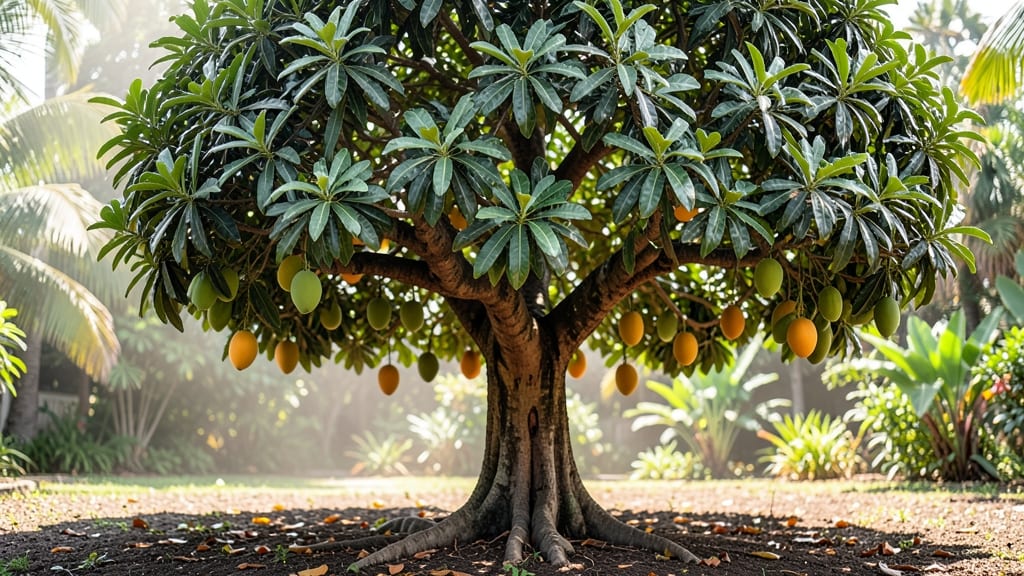
Growing large mango trees in cooler climates feels like defying the odds—until you see those first sweet-smelling blossoms in spring. 🌿 The key isn’t just warmth; it’s finding the right variety, protecting young trees from frost, and giving them the space they crave.
My first attempt failed when I crammed a dwarf into a small yard, but this time, I’m sharing the lessons that actually work.
You’ll need a 10-foot-tall container or a sheltered spot where temperatures stay above 20°F in winter. Mango trees love well-draining soil mixed with compost, and they’ll reward you with 15-foot-tall canopies if given full sun.
The real secret? A sturdy trellis or support system early on—these trees get heavy, and wind can snap branches like twigs.
By year three, you’ll harvest pound-sized fruits with that unmistakable tropical aroma, though it takes patience. The first harvest might be small, but each year, the tree matures into a fruit-bearing powerhouse.
Prune strategically in late winter to shape the tree and remove dead wood, and watch as new growth bursts forth in spring.
Challenges like root rot or aphid infestations are manageable with the right care—think copper sprays and mulch to keep roots happy. The payoff? A backyard that smells like a Caribbean breeze, even in cooler zones. Ready to grow your own tropical oasis?
📚 In This Guide
- What you need
- Instructions
- Tips and common mistakes
- Wrapping up and next steps
What you need
- ● Mango Tree Sapling: Choose a dwarf or semi-dwarf variety (e.g., 'Julie,' 'Keitt,' or 'Kent') for easier management. Ensure it’s disease-resistant and suited for container growing if needed.
- ○ Large Containers (Optional for Cooler Climates): 50+ gallon pots (minimum 24" diameter) with drainage holes.
- ● Fabric grow bags (24"+ diameter) for better root aeration.
- ● High-Quality Potting Mix: 50+ lbs of a well-draining blend (e.g., 60% coconut coir, 20% perlite, 20% compost). Avoid heavy garden soil.
- ● Mulch: 10+ lbs of organic mulch (straw or wood chips) to retain moisture and regulate soil temperature.
- ● Fertilizer: Balanced slow-release fertilizer (e.g., 10-10-10) – 1 lb per 100 sq ft of root space.
- ● Citrus/mango-specific fertilizer (high in potassium and magnesium) for flowering/fruiting.
- ● Hand Trowel & Pruners: Sharp, sterilized tools for planting and trimming.
- ● Garden Gloves: Heavy-duty to protect against thorns and rough bark.
- ● Watering Can or Hose with Nozzle: For deep, consistent watering (5+ gallons per watering session).
- ● pH Test Kit: To monitor soil acidity (ideal range: 5.5–7.0 for mangoes).
- ○ Thermometer (Optional): Soil and air thermometer to track heat requirements (mangoes thrive in 75–90°F).
- ○ Greenhouse or Cold Frame (Optional): For overwintering or extending the growing season in Zone 9 and below.
- ● Sunlight: Full sun (6+ hours daily) in a sheltered, warm microclimate (e.g., near a south-facing wall).
- ● Climate Control: Access to a greenhouse, patio, or indoor space during frost (below 32°F).
- ● Patience: Mango trees take 3–5 years to bear fruit in cooler climates!
- ○ Pollination Assistance (Optional): A small hand-held paintbrush to manually pollinate flowers if no natural pollinators are present.
How to grow large mango trees in cooler climates
Here’s how to cultivate tropical mango trees where winters dip below freezing.
🌱 Step 1: Select Cold-Hardy Varieties and Planting Sites
Choose dwarf or semi-dwarf varieties like ‘Julie’ or ‘Cogshall,’ which tolerate brief cold snaps better than standard types. Plant in a location with full sun exposure (6+ hours daily) and shelter from harsh winds. In cooler zones, position against a south-facing wall or use a large container that can be moved indoors during winter.
Mango trees need well-draining soil with a slightly acidic pH (6.0–7.0). Amend heavy clay soil with 2–3 inches of compost and a handful of coarse sand to prevent root rot. Dig a hole twice as wide as the root ball but only as deep—planting too deep suffocates roots and causes stress.
☀️ Step 2: Establish Year-Round Care for Survival
Water deeply once a week during the growing season (spring to fall), letting the top 6 inches of soil dry between waterings. Overwatering in winter leads to root rot, so reduce frequency to every 2–3 weeks unless soil feels bone-dry. Mulch with 3–4 inches of organic mulch (like wood chips) to insulate roots and retain moisture.
Fertilize lightly in early spring with a balanced 10-10-10 fertilizer (1 tablespoon per year of tree age). Avoid high-nitrogen fertilizers—they promote leafy growth at the expense of fruit production. In fall, switch to a phosphorus-heavy fertilizer (like 5-10-10) to encourage flowering for next year’s harvest.
⏰ Step 3: Protect Trees During Winter Dormancy
When temperatures drop below 35°F, wrap the trunk and major branches with burlap or frost cloth, securing tightly to trap heat. For container-grown trees, move pots to an unheated garage or basement where temps stay above 40°F. Prune lightly in late winter to remove dead or crossing branches, but avoid heavy pruning—it stresses the tree.
Watch for signs of cold damage like brown, crispy leaves or cracked bark. If you see wilting or blackened areas, trim affected branches back to healthy wood. Here’s the thing—mango trees are tropical at heart, so even with protection, they may take 3–5 years to fully recover from winter stress. Patience pays off with stronger growth each season.
🌿 Step 4: Encourage Flowering and Fruit Set
Mango trees need a period of cooler temps (below 70°F) to trigger flowering. In warmer climates, this happens naturally, but in cooler zones, you may need to simulate it. Place the tree near a window with bright indirect light for 4–6 weeks in late winter to mimic seasonal changes. Avoid fertilizing during this time—it can delay flowering.
Once flowers appear, protect them from frost with a clear plastic tent or move the tree indoors temporarily. Hand-pollinate flowers with a small brush if bees aren’t active in your area. Thin fruit to 6–12 inches apart once set—overcrowded fruit stunts growth and reduces quality. You’ll know it’s working when you see small, round mangoes forming by midsummer.
Tips & tricks for growing large mango trees in cooler climates
Real talk—growing mango trees where it gets chilly takes patience, but these tricks will help you beat the odds and get those sweet fruits.
Variety Matters: While ‘Julie’ and ‘Cogshall’ are your best bets for cooler climates, don’t overlook ‘Kensington Pride’—it handles brief cold snaps even better. The key is choosing varieties bred to tolerate dips below freezing, not just standard tropical types. I’ve seen ‘Julie’ survive down to 20°F with proper protection, but it takes consistent care.
Soil Prep Secret: That 2–3 inches of compost and handful of sand isn’t just about drainage—it’s about mimicking the tree’s natural tropical habitat. Mix in a bit of perlite if your soil stays damp, and test that pH! Mango roots thrive when the soil stays between 6.0 and 7.0. I’ve had trees struggle in slightly alkaline soil, so don’t skip the test kit if you’re unsure.
Winter Protection Hack: When temps drop below 35°F, double up on insulation: wrap the trunk first with bubble wrap (yes, really!) to block wind chill, then cover with burlap. For container trees, move them to a garage or basement where temps stay above 40°F—just make sure there’s some airflow to prevent mold. I’ve lost trees to both frostbite and suffocation, so balance is key.
Flowering Trigger: That 4–6 weeks of bright indirect light in late winter isn’t just about light—it’s about temperature control too. Keep the room between 60–65°F during this time. I use a small space heater with a thermostat to maintain consistency. Too warm, and the tree might not flower; too cool, and it won’t respond. It’s a delicate balance, but worth it for those blossoms.
Pro Tips for Large Mango Trees
- Real talk—growing mango trees where it gets chilly takes patience, but these tricks will help you beat the odds and get those sweet fruits.
- Variety Matters: While ‘Julie’ and ‘Cogshall’ are your best bets for cooler climates, don’t overlook ‘Kensington Pride’—it handles brief cold snaps even better.
- Soil Prep Secret: That 2–3 inches of compost and handful of sand isn’t just about drainage—it’s about mimicking the tree’s natural tropical habitat.
Frequently asked questions
Got questions about growing large mango trees in cooler climates? You’re not alone! Here are answers to the most common queries to help you cultivate these tropical giants with confidence.
Can large mango trees survive in cooler climates like Zone 7 or 8?
Yes, but with care! Mango trees thrive in USDA Zones 10–11, but hardy varieties (like ‘Julie’ or ‘Cogshall’) can tolerate brief dips to 25°F. Use container growing, winter protection (like frost cloth or greenhouses), or plant near heat-retaining walls. Young trees are most vulnerable—keep them indoors during cold snaps.
How long does it take for a mango tree to bear fruit in cooler climates?
Patience is key! Most mango trees take 3–5 years to fruit, but cooler climates may delay this by 1–2 years. Dwarf varieties (like ‘Tropic Snow’) can fruit faster (2–3 years) and are better suited for containers. Ensure full sun (6+ hours/day) and consistent warmth to encourage blooming.
What’s the best way to grow a large mango tree in a pot?
Containers work well for small yards or renters! Choose a 5–10 gallon pot with drainage holes and use a well-draining cactus/succulent mix. Move the pot indoors (60°F+) when temps drop below 40°F. Prune roots annually to prevent overcrowding, and fertilize monthly with a citrus/mango-specific blend during growing season.
Why aren’t my mango tree’s leaves turning yellow, and how can I fix it?
Yellowing leaves often signal overwatering, nutrient deficiency, or pests. Check soil moisture—mango trees prefer it slightly dry between waterings. Test for iron/zinc deficiency (common in alkaline soils) and amend with chelated micronutrients. Inspect for aphids or scale insects; treat with neem oil if needed.
Can I grow a mango tree from a store-bought mango pit?
Technically yes, but it’s unreliable for fruit-bearing trees. Store-bought mangoes are often hybrids or grafted, so seed-grown trees may take 10+ years to fruit (if ever) and produce small, inferior fruit. For faster results, buy a grafted sapling from a nursery specializing in tropical fruit trees.
Wrapping up and next steps
Growing large mango trees in cooler climates is absolutely achievable with the right care and patience! 🌱 Whether you’re a seasoned gardener or just starting out, these tropical beauties can thrive in containers or protected spaces with proper techniques.
Now that you’re armed with the how-to and answers to common questions, it’s time to take action—start planting, nurture those roots, and soon you’ll be savoring the sweet reward of homegrown mangoes!
Your next step? Pick a spot, gather your supplies, and get those seeds or saplings in the ground. Happy growing—and may your harvest be bountiful! 🍈✨