Pruning
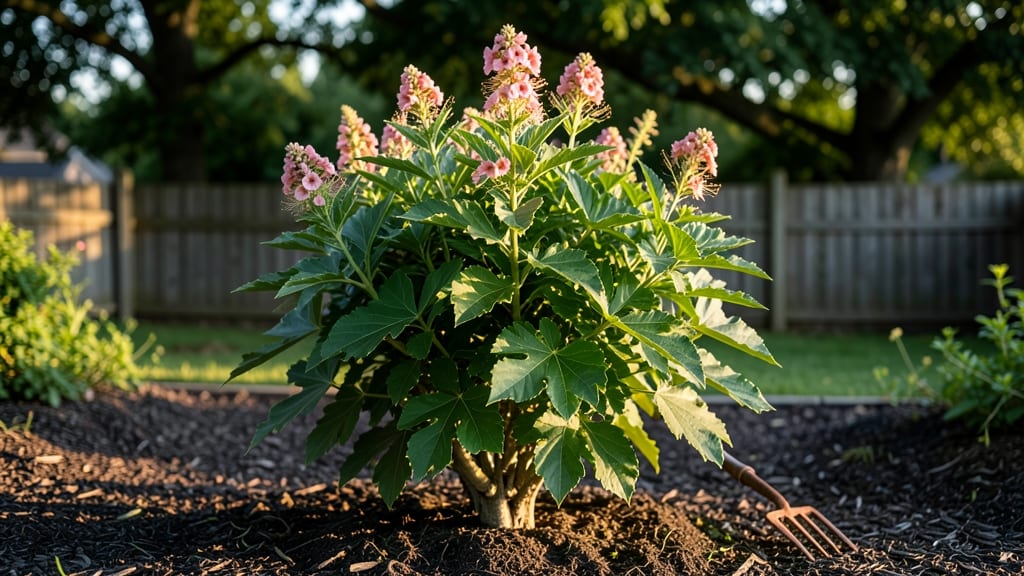
The Lavatera 'Barnsley' tree mallow transforms any garden into a cloud of soft pink blooms that seem to float above the foliage. 🌸 I fell for this plant after seeing how it thrived in my drought-prone zone 7 garden—it blooms from early summer until frost, with sporadic flowers even in winter if the weather cooperates.
The secret lies in understanding its natural growth habit and pruning it the right way at the right time.
This isn't your typical annual—it's a perennial shrub that grows 4-6 feet tall with a loose, airy habit, perfect for borders or cottage-style gardens. It tolerates poor soil, heat, and even coastal winds, making it one of the most low-maintenance yet stunning plants you can grow.
The key to keeping it blooming continuously? A four-season pruning schedule that encourages new growth while maintaining its signature cloud-like shape.
By the end of spring, you'll have a taller, fuller plant with more blooms than you've ever seen—imagine stems dense with flowers from top to bottom. The foliage stays lush and green, and the plant resists common pests like aphids better than many mallows.
It's the kind of plant that makes neighbors stop and ask, "What is that?"—and your answer will be, "The tree mallow that never stops blooming."
Whether you're working with a sunny border, a container on your patio, or even a dry slope, this method adapts easily. The pruning isn't complicated once you learn the rhythm, and the results are worth every minute.
Let's get those shears ready and turn your garden into a year-round floral showpiece—without the fuss.
📚 In This Guide
- What you need
- Instructions
- Tips and common mistakes
- Wrapping up and next steps
What you need
- ● Pruning shears: Bypass pruners (sharp, clean, and sterilized with rubbing alcohol or bleach to prevent disease). Recommended: Felco F-2 or similar.
- ● Loppers: For thicker stems (½"–1" diameter). Look for: 20"–24" reach, bypass blades.
- ○ Hand pruners: For delicate trimming (smaller stems). Optional but handy: Anvil-style for stubborn growth.
- ● Gloves: Heavy-duty gardening gloves (cut-resistant, like Filson or Dr. McGregor).
- ● Pruning saw: Only if dealing with very thick wood (rare for this plant). Example: Fiskars X7.
- ● Disposable pruning bags: 1–2 bags (for debris cleanup). Pro tip: Wet bags reduce dust!
- ● Rubbing alcohol (70%+) or bleach solution: 1:10 bleach-water mix (for sterilizing tools).
- ● Hose or spray bottle: To rinse tools mid-pruning (keeps cuts clean).
- ● Marking twine or flags: For identifying stems to keep vs. remove (helpful for beginners).
- ● Compost bin: For repurposing pruned material (Tree Mallow decomposes well!).
- ● Knee pads: Because pruning is not a young person’s game! 😉
- ● Weather: Prune on a dry, overcast day (avoid midday sun to reduce stress on the plant).
- ● Timing: Know your four-season schedule (light pruning after blooms, hard pruning in late winter).
- ● Plant health check: Remove dead, diseased, or crossing branches first—always prioritize health!
Step-by-Step instructions for pruning Lavatera 'Barnsley' tree mallow
Your tree mallow will reward you with bold blooms all season—just follow these seasonal cuts.
⏰ Step 1: Early Spring Cleanup (February-March)
Start by removing any dead or damaged stems from last season. Look for brown, brittle branches that snap easily—these won’t regrow. I always prune these first because they can harbor pests or diseases that might spread to healthy growth.
Next, cut back any remaining stems by about one-third to encourage bushier growth. Make your cuts just above a leaf node or outward-facing bud. This is where new shoots will emerge, so aim for a clean, angled cut about ¼ inch above the bud to prevent water from pooling.
Here's the thing—tree mallows bloom on new wood, so aggressive pruning now won’t hurt your flowers. In fact, it’ll make your plant stronger. Just avoid cutting into old, woody stems that are thicker than a pencil—they won’t regrow.
✂️ Step 2: Mid-Season Deadheading (June-August)
As soon as blooms fade, snip off the spent flower heads with clean pruners. This prevents the plant from wasting energy on seed production. I like to do this every 2-3 weeks during peak bloom, which keeps the plant focused on producing more flowers instead of setting seed.
Cut back to the first set of healthy leaves below the bloom, or to a leaf node if there aren’t any leaves left. This encourages lateral branching, which means more flowers. Just avoid cutting into old wood—you’ll know it’s too much if you’re left with bare stems thicker than your thumb.
Real talk: If you skip this step, your tree mallow will still bloom, but the flowers will be fewer and the plant may look leggy. Deadheading is the secret to those continuous blooms the variety is known for.
🌿 Step 3: Late Summer Thinning (September)
In late summer, take a closer look at your tree mallow’s structure. Remove any crossing or rubbing branches—these create weak spots where diseases can enter. Also, thin out crowded stems to improve airflow, which reduces the risk of fungal issues.
Cut back the longest stems by about one-half to maintain a balanced shape. This is also a good time to shape the plant if it’s getting too leggy. Make your cuts just above a leaf node or outward-facing bud to encourage new growth in the right direction.
Don’t worry if the plant looks a little sparse after this prune. Tree mallows are forgiving and will bounce back quickly. The goal here is to set the plant up for a strong finish to the season and a good start next spring.
⏰ Step 4: Winter Preparation (November-December)
In late fall, give your tree mallow one last light prune to remove any remaining dead or weak growth. This keeps the plant tidy and makes it easier to monitor for pests or diseases over winter. I usually do this after the first hard frost, when the plant is dormant.
Reduce watering significantly now, but don’t let the soil dry out completely. Mulch around the base with 2-3 inches of organic mulch to protect the roots from freezing temperatures. This is especially important if you’re in a colder climate.
If you’re in a zone with harsh winters, consider wrapping the base of the plant with burlap or using a frost blanket. Tree mallows are generally hardy, but young plants or those in exposed areas can benefit from a little extra protection.
Tips & tricks for pruning Lavatera 'Barnsley' tree mallow
Here's what I've learned after years of shaping these stunning shrubs—small details make all the difference.
Tool Selection: Use sharp, clean pruners for every cut. Dull blades crush stems instead of making clean cuts, which can damage the plant and invite disease. I keep a pair of bypass pruners specifically for my tree mallows and sharpen them every spring. For thicker stems, I switch to loppers—just make sure they're clean to prevent spreading any potential infections.
Seasonal Timing: The early spring one-third cut (Step 1) is your opportunity to shape the plant's foundation. I always do this before new growth begins, usually in late February or early March in my zone 8 garden. This timing ensures you're not pruning tender new shoots that could be damaged. The key is to work when the plant is just waking up but before the real growth spurt begins.
Visual Cues: When making cuts in Steps 1 and 3, look for the outward-facing buds—they're usually on the side of the stem facing away from the center. These buds will grow into new branches that create that lush, bushy look. If you're unsure which buds are outward-facing, imagine drawing a line from the bud through the center of the plant. Cuts should be made just above buds that point away from this line.
Winter Protection: For the 2-3 inches of mulch in Step 4, I use a mix of shredded leaves and straw. This combination provides excellent insulation while also improving soil structure as it breaks down. In particularly cold winters, I add an extra inch of mulch around young plants or those in exposed locations. The mulch should extend out to the plant's drip line—not just at the base.
Pro Tips for Lavatera Barnsley Tree Mallow
- Here's what I've learned after years of shaping these stunning shrubs—small details make all the difference.
- Tool Selection: Use sharp, clean pruners for every cut.
- Seasonal Timing: The early spring one-third cut (Step 1) is your opportunity to shape the plant's foundation.
Frequently asked questions
about pruning Lavatera 'Barnsley Tree Mallow' to keep it thriving year-round:When is the best time to prune Lavatera 'Barnsley' for continuous blooms?
The ideal timing is late winter or early spring (just before new growth starts) for a major shape-up. For light trimming to encourage blooms, prune after each flush of flowers—typically every 6–8 weeks. Avoid heavy pruning in fall, as it may reduce winter hardiness.
How hard can I prune Lavatera 'Barnsley' without harming it?
This hardy plant can handle up to ⅓ of its height removed in a single pruning. For young plants, avoid cutting more than 20–30% in the first year. Always prune just above a leaf node or bud to encourage new growth. Never prune into bare, woody stems—this can kill the plant.
Should I prune Lavatera 'Barnsley' in winter if it looks dead?
Wait until late winter or early spring before pruning back "dead" stems. Lavatera often goes dormant in cold climates but may regrow from the base. If stems are truly black and mushy, they’re dead—trim them. If they’re brown but still firm, wait until spring to prune.
Why isn’t my Lavatera 'Barnsley' blooming after pruning?
Lack of blooms often stems from over-pruning (cutting too late in the season) or poor sunlight (needs full sun, 6+ hours/day). Ensure you’re pruning after flowers fade, not before. Also, check for nutrient deficiencies—feed with a balanced fertilizer in spring.
What’s a good alternative if I don’t want to prune often?
If you prefer low-maintenance plants, consider Malope trifida (Dwarf Tree Mallow) or Callistemon (Bottlebrush). Both thrive with minimal pruning and offer season-long color. However, Lavatera ‘Barnsley’ rewards pruning with longer, fuller blooms—worth the effort for many gardeners!
Wrapping up and next steps
Transforming your Lavatera 'Barnsley Tree Mallow' into a year-round blooming star is simpler than you think! With the right tools, timing, and techniques—like light pruning in spring, heavy shaping in summer, and winter cleanup—you’ll enjoy vibrant flowers from season to season.
This hardy beauty rewards patience with bold, continuous color and minimal fuss.
Ready to elevate your garden? Grab your shears, mark your calendar, and start pruning today—your Barnsley Tree Mallow will thank you with nonstop blooms! 🌸 For extra inspiration, check out our pruning timeline guide to stay on track.