
Pruning
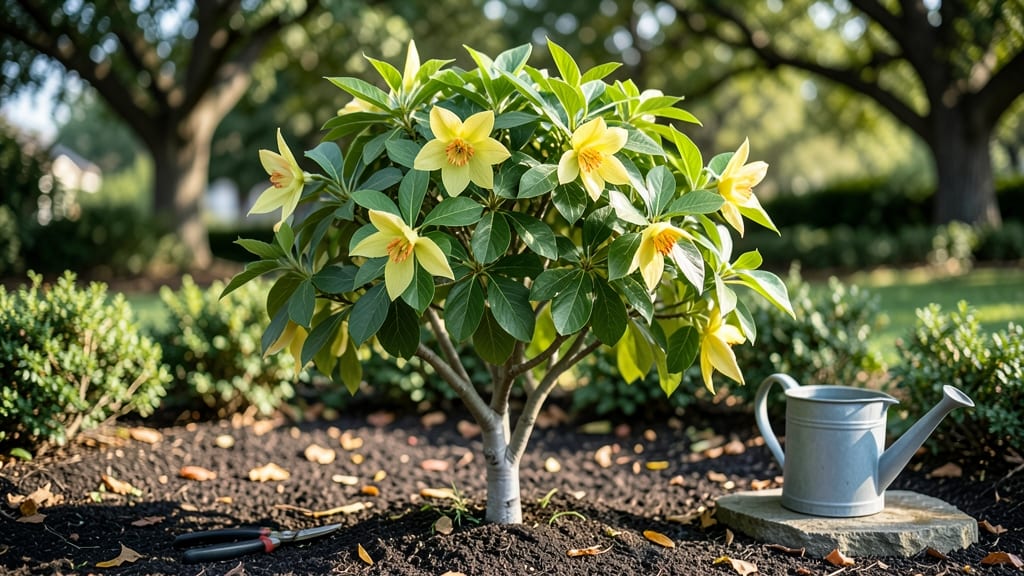
Growing the striking little volunteer tulip tree (Liriodendron tulipifera) in the Pacific Northwest demands a pruning approach that thwarts winter’s brutal freezes—no more frost cracks or flimsy branches. 🌿 This isn’t just about shaping the tree; it’s about teaching it to thrive in your climate’s extremes, from the first pruning cut to the final winter check.
The key? Timing, technique, and understanding how this fast-growing native responds to cold.
The right approach starts with the right tools: sharp pruners for clean cuts, a ladder for higher branches, and a clear plan for when to prune—late winter or early spring, before new growth begins.
Young trees need minimal shaping, while mature specimens benefit from removing dead wood and thinning crowded branches to improve airflow. For volunteer seedlings, focus on establishing strong roots before pruning at all.
By following this blueprint, you’ll end up with a sturdy, frost-resistant canopy that blooms reliably each spring. The yellow-green tulip-shaped flowers become a highlight, and the tree’s broad leaves provide shade while resisting common pests.
Even in small gardens, this tree adapts—just give it space to grow and prune with purpose.
This method works for both young seedlings and established trees, whether you’re working in a backyard or a larger landscape. The goal is simple: stronger structure, better blooms, and a tree that outlasts the Pacific Northwest’s winter challenges. Let’s get started with the right cuts.
📚 In This Guide
- What you need
- Instructions
- Tips and common mistakes
- Wrapping up and next steps
What you need
- ● Pruning shears: Bypass pruners (for cuts under ¾ inch thick) – sharp, clean, and well-oiled (e.g., Felco F-2 or Corona Tools).
- ● Loppers: 1 pair (for branches ¾–2 inches thick) – look for ratcheting or bypass styles (e.g., Fiskars X27).
- ● Pruning saw: 1 curved-tooth saw (for branches 2+ inches thick) – avoid cheap serrated blades (e.g., Bahco No. 3).
- ● Ladder: Extendable aluminum ladder (16+ feet) – with non-slip feet and stabilizers for tall trees.
- ● Gloves: Heavy-duty gardening gloves (cut-resistant, e.g., Mechanix Wear or Wolverine).
- ● Disinfectant: 70% isopropyl alcohol or 10% bleach solution (1 part bleach to 9 parts water) – for sterilizing tools between cuts.
- ○ Pruning sealant: Optional but helpful for large cuts (>2 inches) – use wound paint like Tanglefoot Tree Wound Pruning Sealer.
- ● Heavy-duty trash bags: 2–3 (for debris disposal).
- ● Safety gear: Safety glasses (ANSI-rated).
- ● Ear protection (if using a chainsaw for stubborn branches).
- ● Long sleeves/pants (to protect from thorns and sap).
- ● Weather check: Prune on a dry, calm day (avoid frost or rain for 24–48 hours post-pruning).
- ● Tree assessment: Study your tree’s structure—identify dead, diseased, or crossing branches (use a sketch or photos if needed).
- ● Permits (if applicable): Check local PNW regulations—some areas require permits for tree work over a certain size.
- ○ Assistant (optional but recommended): A second person to stabilize the ladder or hold branches.
- ● 💡 Tool sharpening: Dull blades crush wood instead of cleanly cutting—hone shears/loppers with a file before starting.
- ● 🌡️ Temperature matters: PNW’s frost can weaken cuts; prune in late winter/early spring (Feb–March) for best healing.
- ● 🎯 Mark your cuts: Use chalk or tape to map branches to remove before climbing.
Step-by-step pruning guide for the Little Volunteer tulip tree
Mastering this Pacific Northwest native’s frost-resistant growth habits ensures healthy structure and vibrant blooms.
✂️ Step 1: Assess the Tree’s Growth Habits and Seasonal Timing
The Little Volunteer tulip tree thrives in the Pacific Northwest’s climate, but its pruning window matters more than most trees. Begin pruning in late winter to early spring, just as buds swell but before new growth begins. This timing prevents frost damage to fresh cuts and aligns with the tree’s natural dormancy period. Look for tight, swollen buds—these signal readiness for pruning.
I always inspect the tree’s structure first. Tulip trees grow fast and can develop weak branch unions or crossing limbs. These are your first targets. Use a sharp pruning saw for branches thicker than ½ inch—dull tools tear bark, inviting disease. For thinner branches, bypass pruners work best. Avoid cutting into old wood; tulip trees bloom on new growth, so prune just above a lateral bud facing outward.
🌿 Step 2: Remove Dead, Diseased, or Weak Wood
Start by eliminating any dead, diseased, or crossing branches. Dead wood is easy to spot—it’s brittle, lacks bark, and often sports a grayish hue. Snip these out first, cutting just outside the branch collar (the swollen area where the branch meets the trunk). Diseased branches may ooze sap or show fungal growth; remove them entirely and sterilize your tools with 70% isopropyl alcohol between cuts.
Weak or rubbing branches—those that cross or grow too closely together—compete for sunlight and nutrients. These are prime candidates for removal. Make clean cuts at a 45-degree angle just above a healthy bud. If a branch is too large for hand pruners, use a pruning saw and follow the branch’s natural angle to avoid tearing the bark. The goal is to open the canopy for better airflow and sunlight penetration.
⏰ Step 3: Thin the Canopy for Air Circulation and Light
Tulip trees, even the Little Volunteer variety, can grow dense canopies that block light and trap moisture. To thin, focus on selective branch removal—remove up to 25% of the canopy in one session. Start at the outer edges and work inward, prioritizing branches that grow inward or downward. These are the ones that create shade and encourage fungal growth.
Use your pruners to make precise cuts just above a lateral bud that faces outward. This encourages new growth in the right direction. Avoid "heading back" (cutting back to a lateral bud on the same branch)—this often leads to bushier, weaker growth. Instead, remove entire branches at their point of origin when possible. Step back frequently to assess the tree’s shape; you want an open, vase-like structure that allows sunlight to reach the lower branches.
☀️ Step 4: Shape for Structural Integrity and Frost Resistance
The Little Volunteer’s compact size makes it ideal for urban landscapes, but its branches can still become top-heavy. To reinforce structural integrity, prune to maintain a balanced silhouette. Remove branches that grow straight up or downward—they’re prone to breaking under snow or ice load. Instead, encourage a rounded, outward-growing form by pruning to promote lateral branches.
Pay special attention to the lower branches. While tulip trees naturally shed lower limbs as they mature, you can guide this process by selectively removing branches that grow too close to the ground. This not only improves airflow but also prevents frost damage to tender new growth. After pruning, apply wound dressing (like tree sealant) only if the cut is larger than 2 inches in diameter. For smaller cuts, let the tree seal naturally—it’s faster and healthier.
🪴 Step 5: Post-Pruning Care for Healthy Regrowth
Once pruning is complete, water the tree deeply to help it recover. The Pacific Northwest’s mild winters mean you won’t need to worry about frost damage to fresh cuts, but consistent moisture supports new growth. Avoid fertilizing immediately after pruning—wait until new shoots emerge in spring. A balanced, slow-release fertilizer applied in early spring encourages strong regrowth without overstimulating the tree.
Monitor the tree over the next 4-6 weeks for signs of stress, like yellowing leaves or wilting. If you notice any issues, adjust your watering or pruning approach. The Little Volunteer is resilient, but proper care ensures it maintains its compact form and vibrant foliage. Prune again in late winter of the following year to maintain its shape and encourage healthy blooms. Over time, you’ll develop a rhythm that keeps this frost-proof beauty thriving in your Pacific Northwest garden.
Tips & tricks for perfect Little Volunteer tulip tree pruning
These precision techniques will help you maintain your Pacific Northwest native's health while preserving its iconic vase shape.
Seasonal Timing Precision: The late winter to early spring window is non-negotiable for the Little Volunteer. I've learned this the hard way—pruning too early risks frost damage to fresh cuts, while waiting too long encourages weak new growth. Check for tight, swollen buds that haven't yet burst; these are your signal to begin. In the Pacific Northwest's variable climate, aim for February to March when nighttime temperatures consistently stay above freezing but daytime highs remain below 50°F. This balance prevents stress while allowing the tree to heal quickly.
Cutting Technique Mastery: For branches thicker than ½ inch, use a sharp pruning saw to make clean cuts just outside the branch collar. The angle matters—cut at a 45-degree slant for branches larger than 2 inches to prevent water accumulation. I always sterilize my tools between cuts with 70% isopropyl alcohol, especially when dealing with diseased wood. Remember, tulip trees bloom on new growth, so always cut just above a lateral bud facing outward to encourage proper regrowth direction. This technique prevents unsightly stubs and promotes healthier branching patterns.
Canopy Management Strategy: When thinning the canopy, focus on removing up to 25% of the outer branches in one session to maintain structural integrity. I prioritize branches growing inward or downward as these create shade and trap moisture. The goal is an open, vase-like structure that allows sunlight to reach all foliage. Step back frequently to assess your progress—you should be able to see light filtering through the branches. This selective approach prevents over-pruning while improving airflow and reducing fungal risks.
Post-Pruning Recovery Protocol: After completing your cuts, water deeply to help the tree recover from the stress of pruning. The Pacific Northwest's mild winters mean you won't need to worry about frost damage to fresh cuts, but consistent moisture is crucial for new growth. I recommend monitoring the tree for 4-6 weeks post-pruning, watching for signs of stress like yellowing leaves. If you notice any issues, adjust your watering approach—typically, deeper but less frequent watering works best for established trees like the Little Volunteer.
Pro Tips for Little Volunteer Tulip Tree Liriodendron Tulipifera Little Volunteer
- These precision techniques will help you maintain your Pacific Northwest native's health while preserving its iconic vase shape.
- Seasonal Timing Precision: The late winter to early spring window is non-negotiable for the Little Volunteer.
- Cutting Technique Mastery: For branches thicker than ½ inch, use a sharp pruning saw to make clean cuts just outside the branch collar.
Frequently asked questions
Got questions about growing, pruning, or caring for your Little Volunteer tulip tree (Liriodendron tulipifera)? You’re not alone! Here are some of the most common queries—plus expert answers to keep your tree thriving in the Pacific Northwest’s frosty climate.
How fast does a Little Volunteer tulip tree grow, and how big will it get?
A mature Liriodendron tulipifera typically reaches 60–90 feet tall with a 40–60-foot spread, but the "Little Volunteer" cultivar stays more compact—around 30–40 feet tall and 20–30 feet wide. Growth is moderate: 12–24 inches per year under ideal conditions. Patience is key, but its slow-to-moderate pace makes it perfect for long-term landscapes!
Is this tree truly frost-proof, or does it need winter protection?
Yes! The Liriodendron tulipifera is hardy to USDA Zones 4–9, meaning it handles down to -30°F with ease. However, young trees (under 5 years old) may benefit from mulch (3–4 inches of wood chips) to insulate roots. Avoid wrapping the trunk—it traps moisture and can cause rot. Once established, this tree is low-maintenance and resilient!
When’s the best time to prune a Little Volunteer tulip tree?
Prune in late winter or early spring (February–March) before new growth begins. This timing minimizes sap loss and promotes healthy regrowth. Avoid pruning in fall or winter—it can stress the tree and leave wounds vulnerable to disease. For Pacific Northwest frosts, wait until after the last hard freeze (usually late February) to ensure safety.
Can I grow a Little Volunteer tulip tree in a container, or does it need to be planted in the ground?
While possible in large containers (20+ gallons), this tree thrives best when planted in the ground due to its extensive root system. If container-grown, use well-draining soil and repot every 2–3 years. For the Pacific Northwest’s cool, damp climate, in-ground planting is ideal—just ensure full sun to partial shade and 6+ feet of space for mature growth.
Why are my tulip tree leaves yellowing or dropping early?
Yellowing leaves (chlorosis) often signal iron deficiency (common in alkaline soils) or overwatering. Early leaf drop may also mean stress from transplant shock, pests (like spider mites), or root damage. Troubleshoot:
- Test soil pH—aim for 6.0–7.0 (amend with sulfur if needed).
- Water deeply but avoid soggy soil.
- Inspect for pests (use neem oil if infested).
- Ensure proper drainage (tulip trees hate "wet feet").
Wrapping up and next steps
Growing a thriving Little Volunteer tulip tree (Liriodendron tulipifera) in the Pacific Northwest’s frost-prone climate is totally doable with the right pruning know-how! By mastering the blueprint shared here—from timing to tools—you’ll ensure your tree stays healthy, resilient, and stunning for years. 🌿✨
Now that you’re armed with tips and answers to common questions, roll up your sleeves and take action! Start with a light maintenance trim in early spring, and watch your Little Volunteer flourish with minimal stress. Happy pruning—your tree will thank you! 🌳💚