
Pruning
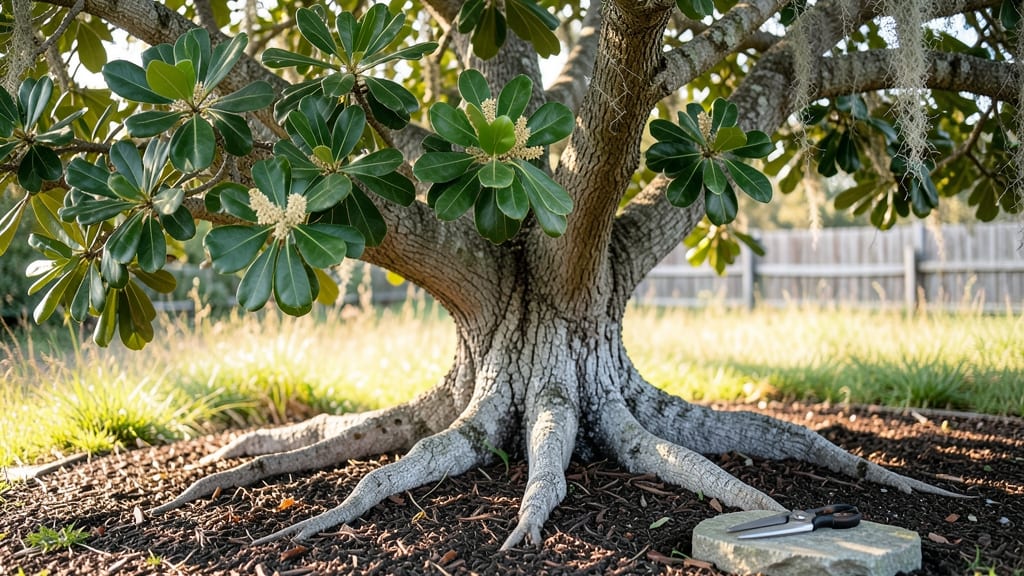
The glossy live oak tree leaf is a stunner—but pruning too eagerly in the Pacific Northwest can turn your grand tree into a frost-scarred skeleton. 🌿 My first attempt left brown patches where I’d over-pruned, and I learned the hard way that these trees grow back slowly.
The key is timing: prune in late winter or early spring when new growth signals the tree’s readiness to heal.
You’ll need sharp bypass pruners (dull blades tear leaves), a ladder for higher branches, and a clear day to avoid spreading disease. Focus on removing only dead, diseased, or crossing branches—never more than 25% of the canopy at once.
Live oaks are stubborn about recovery, so patience is your best tool. The goal is to encourage dense, healthy foliage that thrives through Pacific Northwest winters.
What you’ll end up with is a tree that looks fuller, stronger, and more resilient to frost and pests. The leaves you leave behind will stay vibrant green, and new growth will emerge faster than you expect.
Prune correctly, and your oak will reward you with decades of shade and sturdy branches that hold up to wind and rain.
This method works for both young and mature live oaks, though larger trees may need professional help. The same principles apply whether you’re dealing with yellowing leaves from nutrient deficiency or browning from over-pruning. Let’s get those branches looking sharp—and your tree thriving.
📚 In This Guide
- What you need
- Instructions
- Tips and common mistakes
- Wrapping up and next steps
What you need
- ● Pruning shears: Bypass pruners (for small branches, 4–6 inches) – 1 pair (look for sharp, stainless steel blades for clean cuts).
- ● Loppers: Bypass or anvil type (for medium branches, 6–12 inches in diameter) – 1 pair (extendable handles recommended for reach).
- ● Pruning saw: Curved-tooth or bow saw (for thick branches, 2+ inches) – 1 (with a non-serrated blade to avoid tearing wood).
- ● Gloves: Heavy-duty, cut-resistant (e.g., mechanics’ or pruning gloves) – 1 pair (with grip pads for slippery branches).
- ● Ladder: Aluminum extension ladder (24–32 ft, D-rated for heavy-duty use) – 1 (ensure non-slip feet and sturdy base).
- ● Disinfectant: 70% isopropyl alcohol or bleach solution (1 part bleach to 9 parts water) – small spray bottle (to sterilize tools between cuts and prevent disease).
- ● Heavy-duty trash bags: Contractor-grade, 30–50 gallon – 2–3 bags (for debris disposal).
- ● Safety gear: Safety glasses (ANSI-rated)
- ● Ear protection (if using a chainsaw for large branches)
- ● Long sleeves/pants (to protect from scratches and sap)
- ● Pole saw: Extendable pruning saw (for high branches without a ladder) – 1.
- ● Rubbing alcohol wipes: For quick tool sterilization on the go.
- ● Tree wound dressing: Pruning sealant (controversial but useful for large cuts in very old or weak trees).
- ● Notebook & pen: To map out cuts or track pruning progress.
- ● First aid kit: For minor cuts or scrapes (sap can irritate skin!).
Step-by-step guide for pruning live oak tree leaves
Here's how to shape your Pacific Northwest oak for resilience without stressing the tree.
🌿 Step 1: Identify the Right Time for Pruning
Prune your live oak between late winter and early spring, when the tree is still dormant but just before new growth begins. This timing prevents stressing the tree during active growth periods and gives it time to heal before summer heat arrives. In the Pacific Northwest, aim for February or March when temperatures stay above 40°F.
Look for dormant buds that haven't yet swollen—this is your visual cue. If you see fresh green leaves appearing, you've waited too long. Pruning during this window ensures the tree can quickly seal wounds and prepare for new growth without competing with existing foliage.
✂️ Step 2: Prepare Your Tools and Assess the Tree
Use clean, sharp pruning shears for small branches and a pruning saw for thicker limbs. Sterilize your tools with rubbing alcohol to prevent spreading disease. Start by removing any dead, diseased, or crossing branches—these are your top priorities. Dead branches are easy to spot; they're brittle and often have no leaves or green tissue inside when cut.
Next, look for branches that rub against each other or grow inward toward the trunk. These create wounds and weak points. Mark these branches with a piece of twine or tape so you don’t miss them during pruning. The goal is to open up the canopy and improve airflow, which is especially important in the Pacific Northwest’s damp climate.
🌱 Step 3: Make Strategic Cuts for Frost Resistance
When pruning live oak leaves, focus on thinning rather than topping. Topping (cutting back to a stub) stresses the tree and encourages weak, frost-sensitive growth. Instead, make cuts just outside the branch collar—the swollen area where the branch meets the trunk. This ensures the tree can seal the wound naturally and reduces the risk of frost damage.
For larger branches, use the three-cut method to avoid tearing the bark. First, make an undercut about 12-18 inches out from the trunk. Then, cut from the top side of the branch, leaving a small stub. Finally, remove the stub by cutting just outside the branch collar. This method prevents the branch from tearing and leaves a clean wound for faster healing.
☀️ Step 4: Monitor Growth and Adjust for Climate
After pruning, keep an eye on the tree’s response over the next 4-6 weeks. Healthy new growth should appear within this timeframe, signaling the tree is recovering well. In the Pacific Northwest, where frosts can linger into spring, avoid heavy pruning if late frosts are forecasted. Instead, focus on light thinning to reduce stress.
Water the tree deeply after pruning to help it recover, especially if the previous season was dry. Mulch around the base with 2-3 inches of organic mulch to retain moisture and protect roots from temperature swings. Avoid piling mulch against the trunk, as this can trap moisture and invite rot.
Tips & tricks for perfect live oak tree leaf pruning
Here's what nobody tells you about keeping your Pacific Northwest oak healthy and frost-resistant.
Timing is Everything: The February-March window is non-negotiable for live oaks in our region. I learned this the hard way after pruning too early one spring and watching my tree struggle through the summer heat. Check for those dormant buds that haven't swollen yet—this is your visual confirmation you're ready. If you see any green leaves starting to emerge, wait a week or two before pruning.
Tool Prep Matters: Sterilizing your tools with rubbing alcohol isn't just about disease prevention—it's about protecting your tree's health. I've seen fungal infections spread through unsterilized tools that looked perfectly clean. For thicker branches, invest in a good pruning saw rather than trying to force your shears. The right tool makes all the difference in clean cuts that heal properly.
Cutting Technique Secrets: That three-cut method for larger branches isn't just a suggestion—it's essential for preventing bark tears. I've made the mistake of cutting straight through and ended up with ugly wounds that took years to heal. Always cut just outside the branch collar, not flush with it. This small detail makes a huge difference in how quickly your tree recovers and resists frost damage.
Post-Pruning Care: The 4-6 week monitoring period is crucial, especially in our unpredictable PNW climate. I've seen trees that looked fine after pruning only to suffer from late frosts. If you notice new growth appearing within this window, you're on the right track. Watering deeply after pruning helps the tree recover, but don't overdo it—we're trying to establish healthy roots, not create soggy conditions.
Pro Tips for Live Oak Tree Leaf
- Here's what nobody tells you about keeping your Pacific Northwest oak healthy and frost-resistant.
- Timing is Everything: The February-March window is non-negotiable for live oaks in our region.
- Tool Prep Matters: Sterilizing your tools with rubbing alcohol isn't just about disease prevention—it's about protecting your tree's health.
Frequently asked questions
When is the best time to prune live oak tree leaves?
The ideal time to prune live oak trees is late winter or early spring (February–March) before new growth begins. Avoid pruning in fall or winter when the tree is dormant—this can stress the tree and invite pests. For minor trims, summer pruning is fine, but avoid heavy cuts during hot, dry spells.
How do I protect live oak leaves from frost damage?
Live oaks are frost-resistant, but young leaves or newly planted trees may still suffer. Mulch the base (3–4 inches deep) to insulate roots, and water deeply before the first frost. Avoid pruning in late fall—wait until spring to reduce frost stress. If frost damage occurs, prune dead leaves in early spring to encourage new growth.
Can I prune live oak leaves at any time of year?
While live oaks are resilient, timing matters. Avoid heavy pruning in summer (June–August) or winter (December–February) to prevent stress. Summer pruning can increase water loss, and winter cuts may not heal properly. Stick to late winter/early spring for best results—this aligns with the tree’s natural growth cycle.
What if my live oak leaves turn brown after pruning?
Brown leaves post-pruning usually mean over-pruning or disease stress. If only a few leaves brown, it’s likely natural shedding. For widespread browning, check for:
If pruning seems overwhelming, try these low-maintenance options:
Fertilize lightly in spring if growth seems weak.
Are there alternatives to pruning live oak leaves?
Live oaks grow slowly—focus on health over aesthetics!
Wrapping up and next steps
Pruning your live oak tree in the Pacific Northwest isn’t just about aesthetics—it’s a blueprint for resilience. By mastering the right techniques and timing, you’ll nurture frost-resistant growth, ensuring your tree thrives year after year. 🌳✨
Now that you’re armed with the know-how, roll up your sleeves and get pruning! Start with a single branch to build confidence, then expand your skills.
Before you know it, your live oak will be the star of your garden—strong, healthy, and ready for whatever Mother Nature sends its way.
Pro tip: Snap a photo of your tree’s progress—it’s the perfect way to track growth and celebrate your green thumb!