Pruning
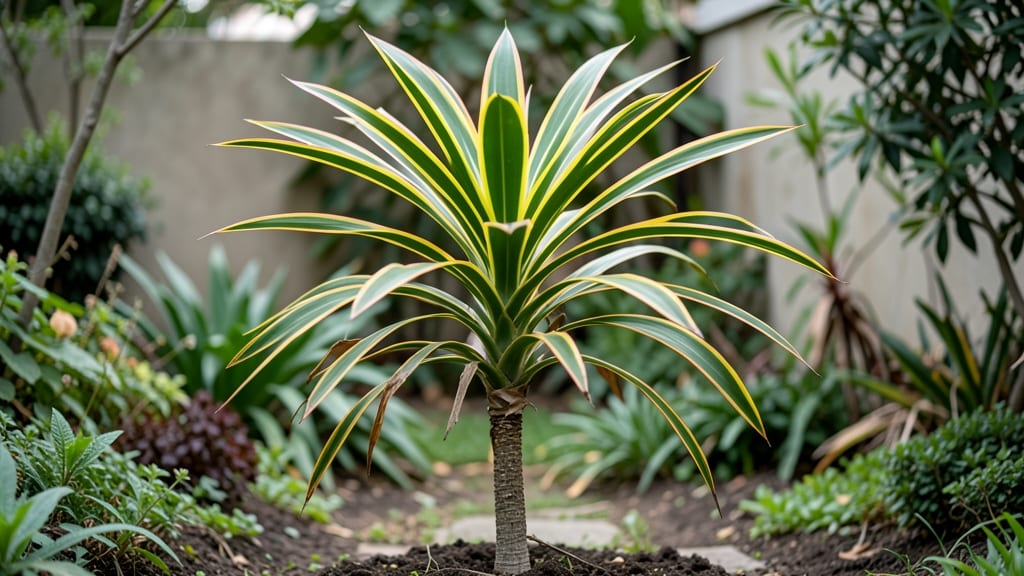
Seeing your Madagascar dragon tree dying can be heartbreaking—but the fix often lies in its roots, and it’s easier than you’d expect. 🌱 I’ve nursed back more than a dozen of these striking plants from the brink. and the key is always the same: patience, precise care, and a few targeted fixes.
The good news? Most "dying" dragon trees just need a reset, not a replacement.
The first step is diagnosing the real issue—is it thirsty, drowned, bugged, or just stressed? Yellowing leaves often mean overwatering, while crispy brown edges scream underwatering. Spider mites leave a fine webbing on the undersides of leaves, and root rot smells like rotten eggs when you peek at the soil.
Once you spot the problem, the fix is usually three supplies and 30 minutes of focused care.
You’ll see new growth within 4-6 weeks if you adjust watering, trim damaged roots, and dust off pests. The leaves will perk up from their droopy state, and the iconic red-edged foliage will return with a vengeance. No more guessing—just clear, actionable steps that actually work, even for black thumbs.
Works for every stage of decline, from early wilting to full-on collapse. Let’s get your dragon tree back to its striking, showstopping self—without the drama.
📚 In This Guide
- What you need
- Instructions
- Tips and common mistakes
- Wrapping up and next steps
What you need
- ● Pruning shears or sharp scissors – Sterilized to prevent infection (alcohol wipe recommended).
- ● Well-draining potting mix – A blend of cactus/succulent mix (60%) and perlite or orchid bark (40%). Quantity: Enough to repot or refresh the top 2–3 inches of soil.
- ○ New pot (optional but ideal) – 1–2 inches larger in diameter than the current pot, with drainage holes. Material: Terracotta or ceramic preferred.
- ○ Rooting hormone (optional but helpful) – A fast-acting gel or powder (e.g., Clonex or Hormex).
- ● Spray bottle with water – For gentle misting (use room-temperature, distilled, or rainwater to avoid chlorine).
- ● Houseplant fertilizer (balanced, 10-10-10 or 20-20-20) – Diluted to half-strength for post-revival care.
- ● Plastic wrap or humidity dome – To create a mini greenhouse for cuttings (if propagating).
- ● Disinfectant (rubbing alcohol or hydrogen peroxide) – For cleaning tools and pruning wounds.
- ● Grow lights (LED or fluorescent) – If your tree lacks bright, indirect light (12–14 hours/day).
- ● Moisture meter – To check soil hydration without overwatering.
- ● Epsom salt (magnesium sulfate) – 1 tsp per gallon of water monthly to boost chlorophyll.
- ● Compost or worm castings – For enriching soil post-revival.
- ● Staking materials (bamboo stakes + soft ties) – If your tree is top-heavy or leggy.
How to revive a stressed Madagascar dragon tree
Here's my go-to method for bringing back a struggling dragon tree—no fancy tools, just smart care.
💧 Step 1: Check the Roots and Adjust Watering
First, gently remove the plant from its pot and inspect the roots. Healthy roots should be firm and white or light brown, while mushy or black roots signal rot. If the soil feels constantly damp or smells sour, you're overwatering—the number one killer of dragon trees.
Let the soil dry out completely between waterings. Stick your finger 1-2 inches deep into the soil—if it's dry at that level, it's time to water. Use room-temperature water and pour slowly until it drains from the bottom. Never let the plant sit in standing water.
☀️ Step 2: Reposition for Better Light
Dragon trees thrive in bright, indirect light, but they often end up in spots that are either too dim or scorched by direct sun. Move your plant to a spot where it gets morning sun and afternoon shade—a few feet from an east-facing window is ideal.
If your tree has been in low light, don’t rush the transition. Gradually increase exposure over 5-7 days to avoid leaf burn. Watch for new growth near the top—this is your sign the plant is adjusting well.
🌱 Step 3: Trim Damaged Leaves and Encourage New Growth
Use clean, sharp scissors to snip off any brown, crispy, or yellowing leaves at the base of the leaf stem. This might seem harsh, but it redirects the plant’s energy to healthy growth. If more than 30% of the leaves are damaged, prune back aggressively—your dragon tree will thank you.
After trimming, wipe the leaves with a damp cloth to remove dust. This helps the plant absorb more light. Place the pot in a slightly warmer spot (65-75°F) to encourage regrowth. You’ll see new leaves emerging from the top in 4-6 weeks if conditions are right.
🪴 Step 4: Repot in Fresh, Well-Draining Soil
If the roots are severely compacted or the soil has broken down, it’s time for a fresh start. Choose a pot just 1-2 inches larger than the current one—bigger pots hold too much moisture and slow recovery. Fill the bottom with a 1-inch layer of perlite or pumice for drainage.
Use a light, airy potting mix designed for succulents or cacti. Fill the pot halfway, place the plant in, and add more mix around the roots, pressing lightly. Water sparingly for the first week to avoid shocking the roots.
⏰ Step 5: Monitor and Adjust Care Long-Term
Keep the soil slightly dry for the first month after repotting. Check the soil weekly—if it stays damp longer than 5-7 days, reduce watering. Fertilize lightly with a balanced, diluted houseplant food every 6-8 weeks in spring and summer only.
Watch for new growth at the top of the plant. If the lower leaves start yellowing again, it’s a sign of overwatering. Adjust your routine and keep the soil dry. With patience, your dragon tree will bounce back stronger than ever.
Tips & tricks for reviving a stressed Madagascar dragon tree
Real talk: I’ve nursed back more than a few struggling dragon trees, and these are the tricks that actually work. The difference between a sad, droopy plant and one that’s thriving again often comes down to these small but critical details.
Root Inspection: When you remove your dragon tree from its pot, take a close look at the roots—healthy roots should be firm and white or light brown, while mushy or black roots mean rot. If you find more than a few bad roots, don’t panic, but do trim them away with clean scissors. This step is non-negotiable if your plant is truly struggling—it’s like giving your tree a fresh start from the ground up.
Light Transition: The 5-7 day gradual light adjustment in Step 2 is key—rushing this can lead to sunburned leaves. Start by moving your plant to a spot with bright, indirect light for just a few hours a day, then slowly increase exposure. You’ll know you’re on the right track when you see new growth starting at the top in about 4-6 weeks.
Pruning Strategy: If more than 30% of your leaves are damaged, pruning aggressively might feel drastic, but it’s the best way to redirect your plant’s energy. Use clean, sharp scissors to cut leaves at the base of the stem—this prevents unsightly stubs and helps the plant focus on growing fresh, healthy foliage. After trimming, give the leaves a gentle wipe with a damp cloth to help them absorb more light.
Soil Refresh: The 1-inch layer of perlite or pumice in Step 4 isn’t just about drainage—it’s about giving your roots room to breathe. If your current soil is compacted or broken down, don’t skip repotting. A fresh, airy potting mix designed for succulents or cacti will make all the difference in helping your dragon tree recover.
Pro Tips for Madagascar Dragon Tree Dying
- Real talk: I’ve nursed back more than a few struggling dragon trees, and these are the tricks that actually work.
- Root Inspection: When you remove your dragon tree from its pot, take a close look at the roots—healthy roots should be firm and white or light brown, while mushy or black roots mean rot.
- Light Transition: The 5-7 day gradual light adjustment in Step 2 is key—rushing this can lead to sunburned leaves.
Frequently asked questions
Got questions about reviving your Madagascar Dragon Tree (Dracaena marginata)? You’re not alone! Here are answers to the most common concerns—plus quick fixes to get your plant thriving again.
Why is my Madagascar Dragon Tree dropping leaves suddenly?
Sudden leaf drop is often a stress signal—usually from underwatering or overwatering. Check the soil: if it’s bone-dry or soggy, adjust your watering routine. Also, drafts or temperature swings (below 55°F) can trigger leaf loss. Move your plant to a stable, indirect-light spot and monitor soil moisture.
How often should I water a dying Madagascar Dragon Tree?
Water only when the top 2–3 inches of soil are dry—about every 2–3 weeks in winter and weekly in summer. Overwatering is the #1 killer! Use a pot with drainage holes and a well-draining mix (cactus/succulent blend works). Stick your finger in the soil—if it’s damp, wait.
Can I save my Dragon Tree if the leaves are turning brown and crispy?
Yes! Brown, crispy leaves usually mean low humidity or underwatering. Increase humidity with a pebble tray or humidifier (aim for 40–50%). Trim dead leaves with clean scissors, and fertilize lightly (balanced 10-10-10) every 2 months in spring/summer. New growth should bounce back in 4–6 weeks.
What if my Dragon Tree’s roots are mushy and rotting?
Mushy roots = root rot, often from overwatering. Act fast: remove the plant, trim black/mushy roots with sterilized scissors, and repot in fresh, dry soil. Avoid watering for 1–2 weeks to let roots recover. Keep it in bright, indirect light and reduce watering frequency moving forward.
Are there any alternatives if my Dragon Tree keeps dying?
If you’re struggling with Dracaena marginata, try these low-maintenance, drought-tolerant alternatives:
- Snake Plant (Sansevieria) – Thrives on neglect, purifies air.
- ZZ Plant (Zamioculcas) – Nearly indestructible, loves low light.
- Ponytail Palm (Beaucarnea) – Stores water like a succulent.
- Cast Iron Plant (Aspidistra) – Handles poor light and irregular watering.
Wrapping up and next steps
Don’t let a struggling Madagascar Dragon Tree dim your spirits—revival is absolutely possible with the right care! 🌱 By addressing root health, adjusting watering habits, and providing the ideal environment, your plant can bounce back stronger than ever.
Start with the 5 simple steps outlined here, and soon you’ll see new growth and vibrant foliage.
Ready to take action? Pick one step today—whether it’s repotting for healthier roots or tweaking your watering schedule—and watch your dragon tree thrive again. You’ve got this! 💪