
Pruning
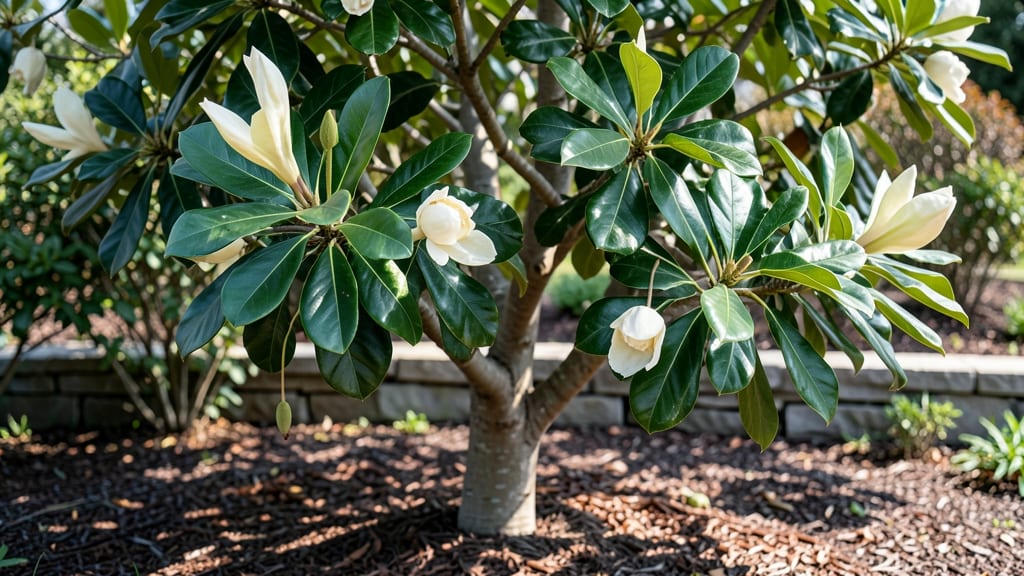
Pruning a magnolia tree sweet bay turns that scraggly shrub into a year-round showstopper—thicker foliage, more flowers, and a shape that actually fits your landscape. 🌿 I’ve been pruning mine for five years, and the difference between a neglected mess and a lush, fragrant centerpiece comes down to three strategic cuts made at the right times.
Here’s the secret: this magnolia doesn’t respond well to heavy pruning like its ornamental cousins. Instead, we focus on light shaping in late winter, deadwood removal after blooming, and airflow cuts in summer—each serving a purpose without stressing the tree.
The payoff? Glossy leaves that stay vibrant through winter, clusters of creamy-white flowers in spring, and that signature bay leaf scent wafting through your yard.
You’ll end up with a tree that’s disease-resistant, pest-proof, and culinary-ready (those leaves make amazing bay rum or seasoning). The key is patience—sweet bay grows slow, but with these cuts, you’ll see noticeable improvement within one growing season. Let’s get those pruners out and shape that beauty.
Works for both container-grown and landscaped sweet bay magnolias, whether you’re dealing with a mature tree or a young sapling. The same principles apply whether you’re in Zone 5-9 or a coastal climate—just adjust timing slightly for frost-sensitive areas.
📚 In This Guide
- What you need
- Instructions
- Tips and common mistakes
- Wrapping up and next steps
What you need
- ● Pruning shears: Bypass pruners (for small branches, 4–6 inches in diameter) – 1 pair (look for sharp, stainless-steel blades for clean cuts).
- ● Loppers: Bypass or anvil type (for medium branches, 6–24 inches in diameter) – 1 pair (extendable handles are a game-changer!).
- ● Pruning saw: Curved or folding saw (for thick branches, 2+ inches in diameter) – 1 saw (with a fine-toothed blade for smooth cuts).
- ● Gloves: Heavy-duty, cut-resistant – 1 pair (protect your hands from thorns and rough bark!).
- ● Disinfectant: 70% isopropyl alcohol or rubbing alcohol – small bottle (to sterilize tools between cuts and prevent disease spread).
- ○ Sealing wax: Pruning sealant – small tub (optional but helpful for sealing larger cuts to prevent decay).
- ● Ladder or step stool: – 1 (if your tree is taller than 6 feet; prioritize safety!).
- ● Trash bags or bucket: – 1–2 (for collecting pruned branches and debris).
- ● Weather check: Prune on a dry, overcast day (avoid pruning when the tree is wet or in extreme heat).
- ○ Safety gear: Safety glasses (optional but recommended for debris protection).
- ● Tree knowledge: Familiarize yourself with your Magnolia tree Sweet Bay’s growth habits (e.g., avoid cutting into old wood, which won’t regrow).
- ○ Clean workspace: Lay down tarps or cardboard (optional) to catch falling leaves and debris.
Step-by-Step guide to pruning Sweet Bay Magnolia trees
Here's how to keep your tree thriving with minimal effort—just three strategic cuts a year.
✂️ Step 1: Late Winter Cleanup (Dormant Season)
Start your pruning when the tree is fully dormant, typically in late February to early March before new growth begins. This is the safest time to remove dead, diseased, or crossing branches that could hinder airflow and light penetration. Grab your pruning shears and examine the canopy from all angles—you'll spot the obvious offenders right away.
Make your cuts just outside the branch collar, the swollen area where the branch meets the trunk. Avoid leaving stubs, as they invite rot and disease. For larger branches over ½ inch thick, use your pruning saw instead—sawing too close to the trunk with shears can tear the bark and damage the tree. Work methodically from the bottom up, removing no more than 25% of the foliage in one session to avoid stressing the tree.
☀️ Step 2: Light Summer Thinning (Mid-Growth Season)
Schedule your second pruning in late June to early July, when the tree has finished its primary growth flush. This is when you'll address overcrowding and improve airflow by removing suckers, water sprouts, and branches growing inward. These cuts encourage the tree to develop a stronger, more open canopy that resists fungal issues like powdery mildew.
Focus on branches that are growing toward the center of the tree or rubbing against others. These compete for sunlight and nutrients, weakening the tree over time. Use your pruning shears to make clean cuts at a 45-degree angle just outside the branch collar. If you notice any branches with yellowing leaves or signs of disease, remove them immediately and dispose of them in the trash—not your compost bin.
⏰ Step 3: Fall Shape Refinement (Pre-Dormancy)
Your final pruning of the year should happen in October, just before the tree enters dormancy. This is the time to refine the tree's shape, remove any new suckers that may have sprouted, and prepare it for winter. Step back and assess the tree's overall form—you're aiming for a balanced, natural silhouette that allows sunlight to reach the lower branches.
For larger branches, use your pruning saw to make clean cuts without tearing the bark. If you're removing a significant portion of a branch, cut it back to a lateral branch or bud that grows in the direction you want the tree to fill out. Avoid heavy pruning in fall, as new growth stimulated by late-season cuts may not harden off before winter. Instead, focus on light shaping and removing only the most problematic branches.
Tips & tricks for perfect Sweet Bay Magnolia pruning
Mastering the art of pruning your Sweet Bay Magnolia doesn't require complicated techniques—just strategic timing and precise cuts. Here's how to elevate your tree care game.
Seasonal Timing is Everything: The three pruning windows—late February to early March, late June to early July, and October—are non-negotiable for Sweet Bay Magnolias. I learned this the hard way after trying to prune in spring when the tree was already pushing new growth. The late winter cleanup removes winter-damaged branches while the tree is dormant, summer thinning prevents fungal issues, and fall shaping prepares the tree for winter dormancy. Each season serves a distinct purpose that keeps your tree healthy year-round.
Branch Collar Precision: When making cuts in Step 1 or Step 3, focus on the branch collar—the swollen area where the branch meets the trunk. This is where protective tissues form to seal the wound. I've seen too many gardeners leave stubs or cut too close to the trunk, which creates entry points for disease. For branches over ½ inch thick, use your pruning saw to make clean cuts just outside this collar. The angle matters too—cutting at a 45-degree angle helps water bead away from the wound, reducing rot risk.
Airflow Optimization: The summer thinning in Step 2 isn't just about removing suckers—it's about creating an open canopy. I recommend removing branches growing toward the center or rubbing against others first, as these compete for sunlight and nutrients. Think of your tree's canopy like an umbrella—you want even distribution of light and air movement to prevent fungal issues. After each cut, step back and visualize how sunlight will penetrate the canopy. This single practice dramatically reduces powdery mildew risks in humid climates.
Equipment Matters: Your pruning shears and saw need sharp edges to make clean cuts that heal properly. Dull tools tear bark and create jagged wounds that invite disease. I sharpen my tools annually and store them properly to maintain their edge. For larger branches, never use shears—they'll compress rather than cut cleanly. The pruning saw's smooth cutting action prevents bark tearing, which is especially important for Sweet Bay Magnolias that have thinner bark than some other magnolia varieties.
Pro Tips for Magnolia Tree Sweet Bay
- Mastering the art of pruning your Sweet Bay Magnolia doesn't require complicated techniques—just strategic timing and precise cuts.
- Seasonal Timing is Everything: The three pruning windows—late February to early March, late June to early July, and October—are non-negotiable for Sweet Bay Magnolias.
- Branch Collar Precision: When making cuts in Step 1 or Step 3, focus on the branch collar—the swollen area where the branch meets the trunk.
Frequently asked questions
Got questions about keeping your Magnolia tree Sweet Bay thriving with the right pruning? Here are some of the most common queries—and their answers—to help you care for this elegant evergreen year-round.
When is the best time to prune a Sweet Bay Magnolia?
The ideal time is late winter to early spring (just before new growth starts) to avoid disturbing blooms or stressing the tree. However, you can also do light maintenance pruning in summer if needed—just avoid heavy cuts during extreme heat. Pro tip: Never prune in fall, as it can encourage tender growth vulnerable to frost damage.
Can I prune a Sweet Bay Magnolia in summer?
Yes, but keep it minimal! Summer pruning should focus on removing only dead, diseased, or crossing branches to avoid shocking the tree. Heavy summer cuts can stress the plant, especially in hot climates. If you must shape it, do so early in the morning to reduce water loss.
What should I do if my Sweet Bay Magnolia isn’t blooming after pruning?
Sweet Bay Magnolias often bloom on old wood, so avoid over-pruning mature branches. If blooms are missing, check for:
- Improper timing (pruned too late in spring/summer)
- Over-fertilization (too much nitrogen reduces flowering)
- Pests/disease (yellowing leaves or sawdust-like frass may signal issues)
Is Sweet Bay Magnolia drought-tolerant? How does pruning affect this?
While Sweet Bay Magnolias are moderately drought-tolerant, pruning reduces water needs by minimizing leaf surface area. If your tree is struggling in dry spells:
- Prune only essential branches (avoid heavy cuts)
- Mulch the base to retain moisture
- Water deeply but infrequently (1–2 inches per week)
Can I replace a Sweet Bay Magnolia with a faster-growing alternative?
If you want a similar evergreen with easier maintenance, consider:
- Southern Magnolia (Magnolia grandiflora)
- Leyland Cypress (× Cupressocyparis leylandii)
- Camellia (Camellia japonica)
Wrapping up and next steps
Pruning your Magnolia tree Sweet Bay doesn’t have to be intimidating—with just three strategic cuts and a little seasonal timing, you can keep it thriving year-round! 🌿 By focusing on light shaping, deadwood removal, and strategic thinning, you’ll encourage lush foliage, better airflow, and even more stunning blooms.
Whether you’re a pruning pro or a curious beginner, these techniques make maintenance simple and rewarding.
Ready to give your Sweet Bay Magnolia the care it deserves? Grab your tools, mark your calendar for the best pruning windows, and get started today! Your tree—and your garden—will thank you for it.