
Pruning
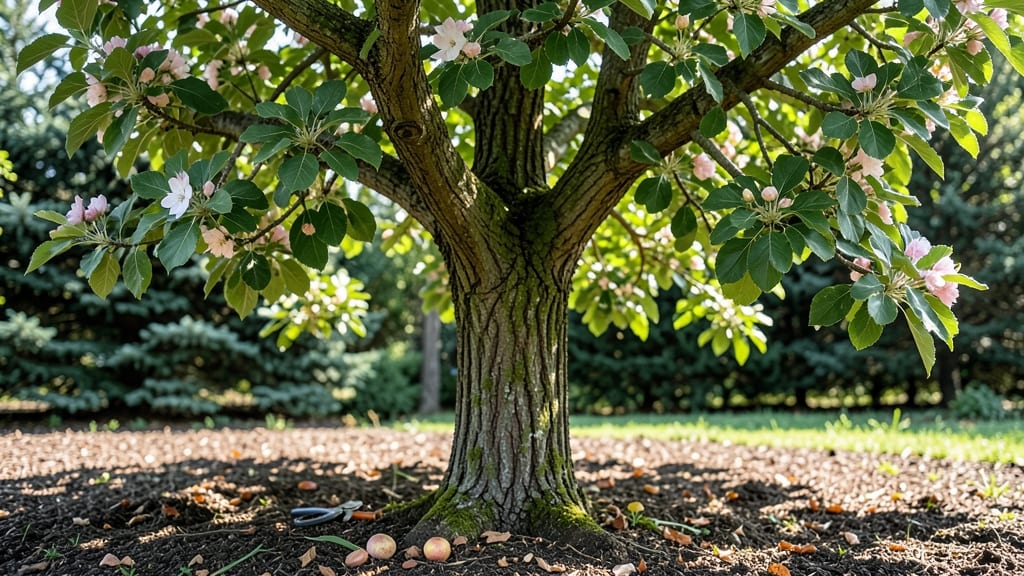
Planting a Malus apple tree in the Pacific Northwest means you’re getting a four-season showpiece that thrives in our famously damp, mild winters. 🌿 I’ve grown mine for years, and the key isn’t just picking the right variety—it’s matching the tree to your yard’s microclimate, whether that’s a sun-drenched slope or a partially shaded corner.
The right spot turns a decorative tree into a productive one, with blooms that perfume the air in spring and tiny apples that birds adore (if you let them).
The secret to success starts with well-draining soil and full sun for at least 6 hours daily, though these trees tolerate partial shade better than most fruit trees.
My Malus ‘Dr. David H. Hach’ thrives in the rocky soil of my Seattle garden, proving you don’t need perfect dirt—just good drainage. Water deeply once a week after planting, then let the roots establish before cutting back.
Mulch helps retain moisture and keeps roots cool in summer, which is critical for PNW summers that can swing from chilly to unexpectedly hot.
You’ll love the results: vibrant pink or white blooms in early spring, followed by glossy green foliage that turns fiery red in fall. Even if you’re not growing for fruit, the visual impact is worth it—imagine your front yard bursting with color when neighbors’ lawns are still brown.
Pruning in late winter keeps the tree healthy and encourages more blooms, while a light harvest of apples (if you’re patient enough) rewards your efforts with a sweet, tart treat.
This tree handles our region’s challenges—from fungal diseases to deer browsing—better than most ornamentals. With the right care, your Malus will outlive you, becoming a living legacy in your landscape. Ready to plant one that does double duty as both beauty and bounty?
📚 In This Guide
- What you need
- Instructions
- Tips and common mistakes
- Wrapping up and next steps
What you need
- ● Pruning shears: Bypass pruners (sharp, clean, and sterilized with rubbing alcohol). Size: 6–8 inches for small branches.
- ● Loppers: For thicker branches (½–1½ inches). Quantity: 1 pair with long handles (18–24 inches).
- ● Pruning saw: Bow saw or pruning saw for branches >1½ inches. Blade type: Fine-tooth for clean cuts.
- ● Garden gloves: Cut-resistant and waterproof (e.g., nitrile-coated). Quantity: 1 pair.
- ● Disinfectant: 70% isopropyl alcohol or bleach solution (1 part bleach : 9 parts water) to sterilize tools between cuts.
- ○ Rag or paper towels: For wiping tools and sealing cuts (optional but helpful).
- ● Pruning sealant: Tree wound paint (e.g., Tanglefoot Tree Wound Pruning Seal) for cuts >½ inch. Quantity: Small bottle.
- ● Ladder: Sturdy, extendable (12–16 feet) for tall trees. Safety tip: Use a spotter!
- ● Safety glasses: Protect your eyes from debris.
- ● Work boots: Steel-toe or closed-toe shoes for stability.
- ● Notebook & pen: To sketch your tree’s structure before/after pruning.
- ● Tree bag or tarp: Collect fallen branches for composting or mulching.
- ● Tree age: Malus trees are best pruned in late winter/early spring (dormant season).
- ● Health check: Inspect for disease (e.g., fire blight) or pests before pruning.
- ● Weather: Choose a dry, calm day to avoid spreading disease.
- ● Goal: Decide if you’re pruning for shape, fruit production, or health.
Step-by-step guide to planting and cultivating hardy Malus trees
Here's my go-to method for establishing thriving crabapple trees in Pacific Northwest climates.
🌱 Step 1: Choose the Right Location and Prepare the Soil
Select a spot with full sun exposure (6-8 hours daily) and well-draining soil. Malus trees thrive in areas with good air circulation to prevent fungal diseases. In the Pacific Northwest, where winters can be damp, avoid low-lying spots where cold air settles.
Before planting, test your soil's drainage. Dig a hole and fill it with water—if it drains within an hour, your soil is suitable. If not, amend with 2-3 inches of compost mixed into the top 12 inches of soil. Malus trees prefer slightly acidic to neutral soil (pH 6.0-7.0), so test your soil and adjust with lime or sulfur if needed.
🪴 Step 2: Plant at the Correct Depth and Stake for Support
Dig a hole twice as wide as the tree's root ball but no deeper. Gently remove the tree from its container and loosen any circling roots with your fingers. Place the tree in the hole so the top of the root ball sits 1-2 inches above ground level—this prevents soil from washing into the graft union during heavy rains.
Backfill the hole with native soil, tamping down lightly every 4-6 inches to remove air pockets. Water deeply to settle the soil, then create a 3-foot diameter watering basin around the base. Install a 5-foot tall stake> if your tree is over 6 feet tall>, securing it with flexible ties to avoid girdling the trunk.
☀️ Step 3: Water Deeply and Mulch for Moisture Retention
Water the newly planted tree to a depth of 12-18 inches—this encourages roots to grow deeply. In the Pacific Northwest's cool, damp climate, young trees need consistent moisture during their first growing season. Water once weekly> during dry spells, checking that the soil 4 inches down remains moist> but not soggy.
Apply 3 inches of organic mulch> (like wood chips or bark) around the base, keeping it 6 inches away from the trunk>. This conserves moisture, regulates soil temperature, and suppresses weeds. Refresh the mulch annually in early spring to maintain its protective layer.
✂️ Step 4: Prune for Structure and Disease Prevention
Wait until late winter or early spring to prune your Malus tree. Remove any dead, diseased, or crossing branches first, cutting just outside the branch collar. Thin out crowded branches to improve airflow—aim for an open vase shape that allows sunlight to reach all parts of the tree.
Prune back any suckers growing from the base or graft union immediately. These vigorous shoots divert energy from fruit production. For established trees, limit pruning to 20% of the canopy> each year to avoid stress. Sterilize your pruners with rubbing alcohol between cuts to prevent spreading disease.
Tips & tricks for perfect Malus apple tree cultivation
Here's what I've learned after helping Pacific Northwest gardeners establish thriving crabapple trees year after year.
Sunlight Strategy: In the Pacific Northwest's often cloudy climate, those 6-8 hours of full sun become even more critical. I recommend planting on the south or west side of your property where trees won't be shaded by buildings or taller trees. If your site gets less than 6 hours, consider a more shade-tolerant variety like 'Sentinel' crabapple, which can handle partial shade better than most.
Root Ball Protection: When planting, I always check that the top of the root ball sits exactly 1-2 inches above ground level—this is non-negotiable for preventing rot in our damp climate. After backfilling, I create a small berm around the base to direct water away from the trunk during heavy rains, which we definitely get in winter.
Watering Wisdom: That 12-18 inch deep watering is essential, but here's the trick: use a soil probe to check moisture levels. In our cool climate, you might need to water more frequently than once weekly—sometimes every 4-5 days during summer heatwaves. The soil should stay moist to 4 inches down, not just at the surface.
Pruning Precision: When pruning in late winter, I always make my cuts just outside the branch collar where the branch meets the trunk. This helps prevent disease entry points. For established trees, I mark branches to remove before starting—this keeps me from getting overwhelmed and accidentally taking too much at once.
Pro Tips for Malus Apple Tree
- Here's what I've learned after helping Pacific Northwest gardeners establish thriving crabapple trees year after year.
- Sunlight Strategy: In the Pacific Northwest's often cloudy climate, those 6-8 hours of full sun become even more critical.
- Root Ball Protection: When planting, I always check that the top of the root ball sits exactly 1-2 inches above ground level—this is non-negotiable for preventing rot in our damp climate.
Frequently asked questions
How often should I prune my Malus apple tree?
Prune your Malus tree annually during late winter or early spring (before buds swell)—this is when it’s dormant and easier to shape. Light maintenance pruning (removing dead or crossing branches) can also happen in summer if needed. Avoid heavy pruning in fall, as it can stimulate new growth that won’t harden off before winter.
Are Malus trees cold-hardy enough for the PNW?
Most Malus varieties (like ‘Red Sentinel’ or ‘Evereste’) thrive in the PNW’s USDA Zones 4–8. They’re winter-hardy and handle frost, rain, and even urban pollution better than many fruit trees. Just ensure they get full sun (6+ hours/day) and well-draining soil to avoid root rot.
Why aren’t my Malus apples ripening?
If your apples stay small or don’t ripen, check these fixes:
- Sunlight: Move the tree to a sunnier spot if it’s in shade.
- Pollination: Plant a second Malus variety nearby (even if different colors) for cross-pollination.
- Age: Young trees (under 3 years) may not fruit yet—be patient!
- Nutrients: Test soil pH (ideal: 6.0–7.0) and amend with compost or a balanced fertilizer.
Can I prune a Malus tree too much?
Yes! Over-pruning (removing more than 25% of the canopy in one year) stresses the tree, reducing fruit production and exposing it to disease. Focus on open-center shaping: remove dead wood, water sprouts, and inward-growing branches while keeping the tree’s natural form. Thin out rather than shear!
What pests should I watch for on Malus trees?
The PNW’s biggest Malus pests include:
- Apple maggots: Tiny white larvae in fruit—use row covers or spinosad spray in summer.
- Coddling moths: Look for entry holes in apples; prune sucker growth where eggs hide.
- Scale insects: Sticky residue on leaves? Blast off with water or use horticultural oil in dormant season.
Pro tip: Inspect leaves and fruit weekly during growing season to catch issues early!
Wrapping up and next steps
Growing a hardy Malus apple tree in the Pacific Northwest is a rewarding journey that combines patience, care, and a little know-how!
With the right pruning techniques—like thinning out dense branches, shaping for airflow, and timing cuts for optimal growth—you’ll set your tree up for years of vibrant blooms and delicious fruit. 🍎✨
Now that you’re armed with the essentials, roll up your sleeves and get pruning! Start with a fresh assessment of your tree this season, and don’t forget to celebrate each step—your future harvest (and happy pollinators!) will thank you. Happy gardening!