
Pruning
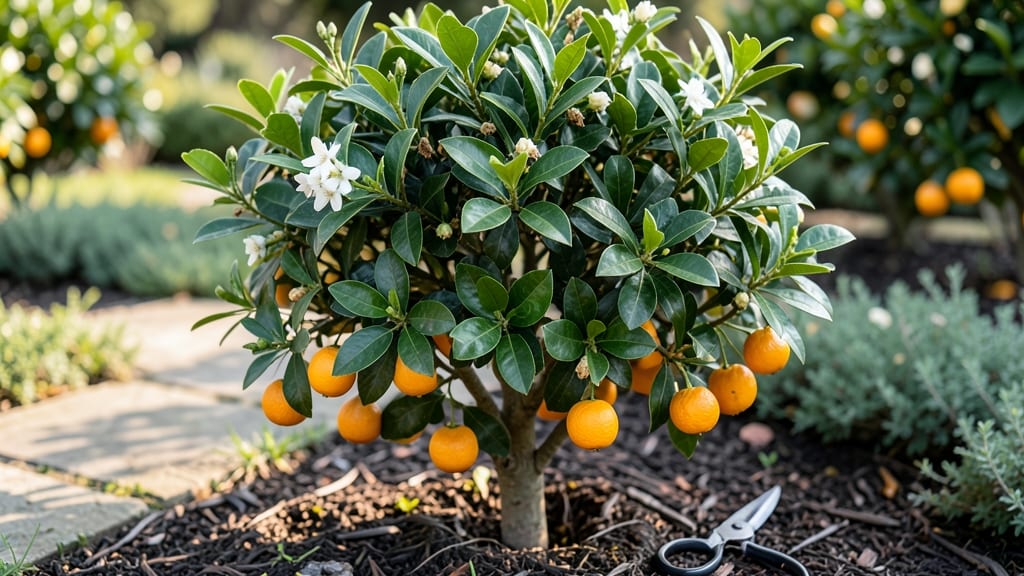
Growing a miniature orange tree in the Pacific Northwest isn’t just possible—it’s rewarding when you prune for cold resilience. I’ve kept one thriving on my Seattle balcony for three winters now, and the secret lies in strategic cuts that balance growth with frost tolerance.
The key? Pruning in late winter when the tree’s dormant but before buds swell—this prevents tender new growth from forming too early.
You’ll need sharp pruning shears, a cold-hardy variety like ‘Calamondin’ or ‘Improved Meyer,’ and a sunny spot (at least 6 hours of direct light daily). Containers help protect roots from freezing, but they also let you move the tree indoors during hard freezes.
The goal is to keep the tree under 4 feet tall—regular pruning after fruiting encourages bushier growth and better cold resistance.
After pruning, you’ll see sturdy new branches by spring, with fewer frost-damaged limbs. The tree stays compact enough for patios or sunny windowsills, and with proper care, it’ll produce tiny, sweet oranges by late fall. Just avoid heavy pruning in summer—it stresses the tree when temperatures dip at night.
This method works for indoor-outdoor growing—move potted trees inside before temperatures drop below 20°F, and they’ll bounce back stronger each season. The trade-off? You’ll sacrifice some fruit size, but the flavor stays concentrated and delicious. Let’s get those branches trimmed right!
📚 In This Guide
- What you need
- Instructions
- Tips and common mistakes
- Wrapping up and next steps
What you need
- ● Miniature orange tree (Citrus × aurantium or cold-hardy hybrid) – Choose a dwarf variety (e.g., 'Caldine' or 'Improved Meyer') for easier care.
- ● Well-draining potting mix – 5 gallons minimum (mix 60% potting soil, 20% perlite, 20% compost).
- ● 10-inch to 12-inch pot with drainage holes – Terracotta or ceramic preferred.
- ○ Cold frame or insulated grow bag – For winter protection (optional but highly recommended).
- ● Bypass pruners (sharp, clean) – For clean cuts on small branches.
- ● Sterilizing solution (70% isopropyl alcohol or bleach) – To disinfect tools between cuts.
- ○ Pruning sealant (optional) – For larger cuts (1/4" or thicker) to prevent disease.
- ● Frost cloth or bubble wrap – Wrap the pot for temps below 25°F.
- ○ Heat mat (optional) – For indoor overwintering if outdoors isn’t viable.
- ● Mulch (straw or pine needles) – 2–3 inches around the base for insulation.
Step-by-Step guide to cold-hardy pruning for miniature orange trees
Mastering this technique ensures your dwarf citrus thrives through PNW winters.
Time Your Pruning Precisely
Prune your miniature orange tree in late winter to early spring, just as new growth begins—typically February to March in the Pacific Northwest. This timing balances cold protection with spring vigor. Avoid pruning in fall or winter when the tree is dormant; you risk exposing tender wood to frost damage.
Look for swollen buds along the branches as your cue. These indicate the tree's sap is flowing again, making it resilient to pruning stress. If you prune too early, you'll encourage weak, frost-sensitive growth. If you wait too long, you may remove buds that would have become next year's fruit.
Assess and Select Branches to Remove
Start by removing dead, diseased, or crossing branches—these compete for energy and invite pests. Use sterilized pruning shears to make clean cuts at a 45-degree angle, about ¼ inch above an outward-facing bud. This encourages outward growth, improving sunlight exposure for the remaining branches.
Next, target overly long or leggy branches that grew last season. These often produce sparse fruit and are more vulnerable to winter cold. Thin these back to healthy, well-spaced branches, leaving 3-5 main scaffold branches for a balanced structure. Remember, dwarf varieties need airflow to prevent fungal issues.
Shape for Cold Resistance
Create an open-center form by pruning to encourage a rounded canopy. This shape allows sunlight to penetrate deeper, warming the center where buds form. Cut back overly dense areas by up to one-third of their length, focusing on the outer edges of the tree.
Pay special attention to water sprouts—fast-growing, vertical shoots that steal energy. These are the first to die in cold snaps. Remove them entirely at the base. For larger branches, make cuts just above a lateral bud that points in the direction you want growth to continue.
Apply Protective Measures After Pruning
Once pruning is complete, mulch the base with 3-4 inches of organic mulch (like wood chips) to insulate roots from temperature swings. This is critical in the PNW, where soil temperatures can drop sharply. Keep mulch 6 inches away from the trunk to prevent rot.
For an extra layer of protection, wrap the trunk and main branches with burlap or frost cloth in late fall, securing it loosely. Remove it in early spring once temperatures stabilize above 40°F. Avoid plastic wraps, which can trap moisture and cause rot.
Tips & tricks for perfect miniature orange tree pruning
Pruning your miniature orange tree might seem intimidating, but these key insights will help you navigate the process with confidence—especially in our unpredictable PNW climate.
Timing is Everything: The February to March window isn't arbitrary—it's when your tree's sap begins flowing again, making it resilient to pruning stress. I've seen trees pruned too early develop weak, frost-sensitive growth, while those pruned too late lose potential fruit buds. Check for swollen buds along the branches as your definitive cue, not just the calendar. If you notice buds swelling in late March, don't delay—act quickly but carefully.
The 45-Degree Angle Secret: When making cuts in Step 2, that quarter-inch above an outward-facing bud isn't just a suggestion—it's critical for directing future growth. I learned this the hard way after pruning too close to buds, which resulted in awkward growth patterns. Use sterilized pruning shears to prevent disease transmission between cuts, and always make clean cuts to avoid tearing the bark. This precision ensures your tree develops a strong, open structure that resists winter cold better.
Water Sprout Watch: These vertical shoots might seem harmless, but they're energy vampires that will die first in cold snaps. In Step 3, remove them entirely at the base—they won't regrow from the cut surface. I've seen trees with dozens of these sprouts completely defoliate during our first hard frost, while properly pruned trees maintained their foliage. Think of them as nature's way of telling you where your tree is wasting energy.
Mulch Depth Matters: That 3-4 inch layer of organic mulch isn't just decoration—it's your tree's winter blanket. In Step 4, keep it consistent around the base but maintain that 6-inch clearance from the trunk to prevent rot. I've noticed trees with uneven mulch coverage develop fungal issues at the base, while properly mulched trees show better cold resistance. For extra insulation in particularly harsh winters, consider adding a layer of straw over the wood chips.
Pro Tips for Miniature Orange Tree
- Pruning your miniature orange tree might seem intimidating, but these key insights will help you navigate the process with confidence—especially in our unpredictable PNW climate.
- Timing is Everything: The February to March window isn't arbitrary—it's when your tree's sap begins flowing again, making it resilient to pruning stress.
- The 45-Degree Angle Secret: When making cuts in Step 2, that quarter-inch above an outward-facing bud isn't just a suggestion—it's critical for directing future growth.
Frequently asked questions
Got questions about keeping your miniature orange tree thriving in the Pacific Northwest? Here are answers to common concerns—from pruning to winter prep!
Can I prune my miniature orange tree in winter?
Yes, but with caution! Prune lightly in late winter (February–March) to avoid frost damage. Focus on removing dead or crossing branches—wait until after the last frost to do heavier shaping. Pro tip: Use sterilized shears and seal cuts with pruning paste to prevent disease.
How do I protect my tree from PNW winters?
Miniature orange trees (Citrus × microcarpa) are cold-sensitive, so wrap the trunk in burlap and cover the pot with insulating foam or a frost blanket. Move potted trees to a garage or shed (50–60°F) when temps drop below 25°F. Avoid mulch piles near the base—it can trap moisture and rot roots.
What’s the best pruning technique for dwarf varieties?
Use the “open-center” method: Remove 1/3 of the oldest growth each year to encourage air flow. Cut just above a leaf node (45° angle) to promote new shoots. For fruit-bearing trees, thin out dense branches to improve sunlight exposure. Warning: Avoid over-pruning—these trees are slow growers!
Will my tree produce fruit in the PNW?
Maybe! Dwarf varieties like ‘Improved Meyer’ can fruit indoors or in microclimates (e.g., near south-facing walls). However, PNW winters often limit outdoor fruit production. If you want oranges, hand-pollinate flowers with a soft brush and keep the tree in a sunny, sheltered spot (or indoors).
What if my tree’s leaves turn yellow?
Yellow leaves usually signal overwatering, nutrient deficiency, or root rot. Check soil moisture (top 1–2 inches should be dry) and adjust your watering schedule. For deficiencies, use a citrus-specific fertilizer (low nitrogen, high potassium). If roots smell rotten, repot in fresh, well-draining soil and trim blackened roots.
Can I grow a miniature orange tree indoors year-round?
Place it near a south or west window (6+ hours of light daily) or under grow lights. Rotate the pot weekly for even growth. Watch for spider mites (common indoors)—mist leaves regularly and wipe with neem oil if needed. Bonus: Indoor trees may fruit more reliably than outdoor ones!
Wrapping up and next steps
Growing a miniature orange tree in the Pacific Northwest is totally doable—with the right pruning techniques, your citrus companion can thrive even in cooler climates! 🌱 By mastering cold-hardy pruning, you’ll protect your tree from frost, encourage healthy growth, and enjoy sweet, homegrown oranges year after year.
Ready to take the next step? Start by observing your tree’s unique needs and adjusting your pruning schedule as the seasons change. You’ve got this! Happy gardening—and may your tiny orchard be ever-blooming! 🍊✨