
Trees
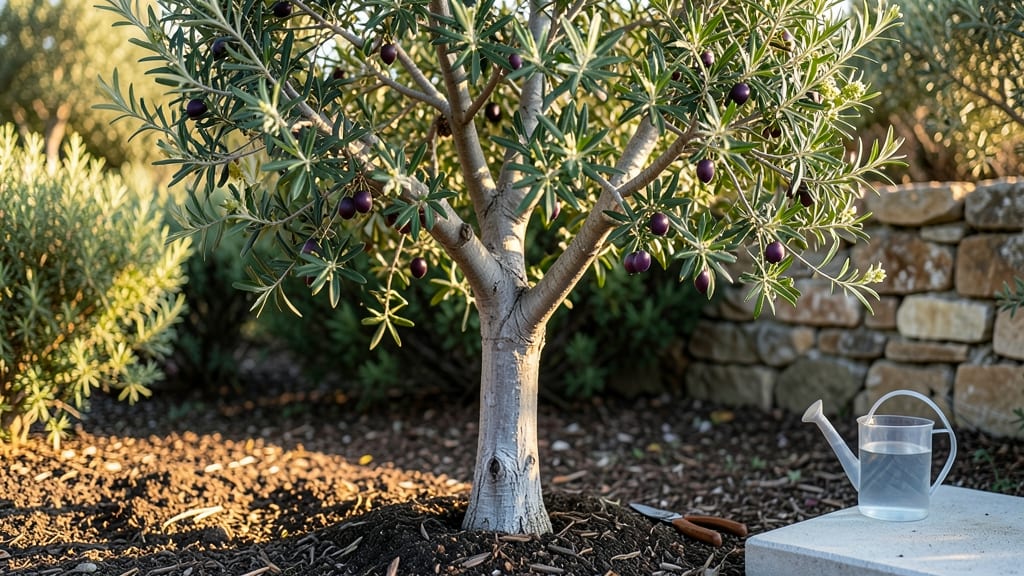
Mission olive trees thrive where others fail—especially in the Pacific Northwest’s damp winters and mild summers. 🌿 I planted mine three years ago after watching it outlast soggy spring soil and gray skies that would kill most Mediterranean plants. The secret isn’t fancy care; it’s understanding its stubborn resilience.
You’ll need a sunny spot with 6+ hours of light daily, well-draining soil (even if it’s heavy clay), and patience—these trees grow slowly but live for decades. Water deeply once a week once established, and forget about pruning unless you want to shape it.
The real work? Waiting for those first olives to ripen in late fall.
By year three, you’ll harvest small, bitter olives that need curing—but the satisfaction of growing something so hardy in your climate is unmatched. The tree’s silver-green leaves stay glossy all year, and its gnarled branches add character to any landscape.
No other tree says “I belong here” like a Mission olive.
Perfect for urban yards, coastal gardens, or even large containers. The key is letting it grow its own way—minimal pruning means less work and more natural beauty. Ready to try one?
📚 In This Guide
- What you need
- Instructions
- Tips and common mistakes
- Wrapping up and next steps
What you need
- ● Mission Olive Tree Seed or Sapling: 1 high-quality seed (from a reputable nursery) or 1 healthy 1-3 gallon sapling (hardy to zones 7-10, but thrives in PNW microclimates with winter protection).
- ● Certified organic if possible (avoids pests/diseases).
- ● Well-draining soil mix: 50% native PNW soil (sandy loam preferred).
- ● 30% compost (aged, not fresh).
- ● 20% perlite or pumice (for aeration).
- ● Container (if potted): 1 large pot (15+ gallons) with drainage holes or in-ground planting spot in full sun (6+ hours/day).
- ● Basic tools: 1 trowel or spade (for planting).
- ● 1 pair of pruning shears (sterilized).
- ● 1 watering can or hose with gentle spray nozzle.
- ● Mulch: 2–3 inches of wood chips or straw (keep 3 inches away from trunk).
- ● Slow-release citrus/olive tree fertilizer (balanced NPK 8-8-8 or organic options like fish emulsion).
- ● pH test kit (ideal range: 6.0–7.5; amend with lime if too acidic).
- ● Frost cloth or burlap wrap (for winter protection in zones 7–8).
- ● Drip irrigation system (for consistent moisture in dry PNW summers).
- ● Epsom salt (1 tbsp/month in water) for magnesium boost (especially in clay soils).
Step-by-Step instructions for planting and caring for Mission olive trees
Here's how to establish a thriving Mission olive tree in your Pacific Northwest garden.
🪴 Step 1: Choose the Perfect Location and Prepare the Soil
The Mission olive tree thrives in full sun—at least 6 hours daily—but can tolerate partial shade in hotter inland areas. In the Pacific Northwest's cooler climate, a south-facing spot gets the most light. Avoid low spots where cold air settles, as olives dislike frost.
Test your soil's drainage first—olives hate soggy roots. Amend heavy clay soil with 3-4 inches of compost mixed into the top 12 inches of soil. The ideal pH range is 6.0-8.0, so add lime if your soil tests acidic. I like to dig a hole twice as wide as the root ball but only as deep as the container it came in.
🌱 Step 2: Plant with Care and Water Deeply
Remove the tree from its container and loosen any circling roots gently with your fingers. Place it in the hole so the top of the root ball sits 1-2 inches above ground level—this prevents water from pooling at the stem. Backfill with native soil mixed with compost to encourage root spread.
Water immediately after planting with 10-15 gallons of water to settle the soil. Then, let the soil dry slightly before watering again. Overwatering at this stage can suffocate roots. Mulch around the base with 2-3 inches of wood chips, keeping it 6 inches away from the trunk to prevent rot.
☀️ Step 3: Provide Seasonal Care for Healthy Growth
In the Pacific Northwest's mild winters, Mission olives need minimal pruning—just remove dead or crossing branches in late winter. Focus on opening the center to improve airflow. I prune lightly in early spring to shape the tree, but never remove more than 25% of the foliage at once.
Water deeply once a week during the first growing season, then taper to every 2-3 weeks once established. The tree's deep roots mean it's drought-tolerant once mature. Watch for yellowing leaves—this often signals overwatering, while drooping leaves mean it's thirsty. Fertilize lightly in early spring with a balanced 10-10-10 formula.
✂️ Step 4: Protect and Harvest for Long-Term Success
Young trees benefit from frost cloth in winter if temperatures drop below 20°F. Mature Mission olives handle the Pacific Northwest's climate well, but young trees need extra protection. Harvest olives in late fall when they turn black—pick them directly from the tree for best flavor.
Here's the thing—Mission olives grow slowly. Don't expect fruit for 3-5 years, but patience pays off. The tree's natural shape and minimal pruning needs make it a low-maintenance choice for Northwest gardens. Once established, it's one of the hardiest olive varieties for cooler climates.
Tips & tricks for perfect Mission olive tree growth
Real talk: The Pacific Northwest's cool climate makes growing Mission olive trees a bit tricky—but these tricks will help you avoid common pitfalls and set your tree up for success.
Sunlight Strategy: That 6 hours of full sun requirement is non-negotiable. If your yard gets less, consider a south-facing window for container growing. I've seen Mission olives thrive on balconies with proper sun exposure—just rotate the pot weekly so all sides get equal light. In Step 1, when choosing your location, test the sun exposure for at least a week before planting to confirm you're meeting that minimum.
Soil Science: The 3-4 inches of compost mixed into the top 12 inches of soil isn't just decoration—it's insurance against soggy roots. I like to add a handful of perlite to the mix for extra drainage. For Step 1, if your soil tests acidic (below 6.0), don't just add lime—mix in some wood ash too. It raises pH faster than lime alone and adds potassium for stronger growth.
Watering Wisdom: That initial 10-15 gallons after planting might seem excessive, but it's crucial for settling the soil around the roots. Here's what nobody tells you—after that first watering, let the soil dry completely before watering again. Stick your finger in the soil 2 inches deep; if it feels damp, wait another day. Overwatering at this stage is the #1 reason young trees fail.
Pruning Precision: When Step 3 mentions keeping pruning to 25% of foliage, that's serious. I've seen gardeners get overzealous and remove too much, which stresses the tree. Focus on removing only dead, diseased, or crossing branches. For shaping, make cuts just above a leaf node (the bump where leaves attach) to encourage new growth in the right direction.
Pro Tips for Mission Olive Tree
- Real talk: The Pacific Northwest's cool climate makes growing Mission olive trees a bit tricky—but these tricks will help you avoid common pitfalls and set your tree up for success.
- Sunlight Strategy: That 6 hours of full sun requirement is non-negotiable.
- Soil Science: The 3-4 inches of compost mixed into the top 12 inches of soil isn't just decoration—it's insurance against soggy roots.
Frequently asked questions
Got questions about growing a Mission Olive Tree in the Pacific Northwest?
You’re not alone—this hardy but unique tree has its quirks! Below, we’ve rounded up the most common queries to help you thrive with minimal fuss.
Can Mission Olive Trees survive the Pacific Northwest’s rainy winters?
These trees are drought-tolerant and thrive in USDA Zones 8–10, but they can handle mild PNW winters (Zone 7b with protection). In colder areas, wrap the trunk with burlap or use a frost cloth. Just avoid soggy soil—well-draining soil is key to preventing root rot. Pro tip: Plant in a south-facing spot to maximize sunlight during shorter days.
How long does it take for a Mission Olive Tree to bear fruit?
Patience is a virtue! Mission Olive Trees typically take 3–5 years to produce fruit from seed, but grafted trees (like nursery varieties) may fruit in 1–2 years. In the PNW, cooler summers can delay fruiting slightly. Male and female flowers are needed for pollination—if you only have one tree, consider planting a self-pollinating variety or a nearby compatible tree.
Do Mission Olive Trees need pruning, and when’s the best time?
One of their biggest perks: minimal pruning! Lightly shape in late winter or early spring (before new growth) to remove dead or crossing branches. Avoid heavy pruning—they’re sensitive to over-trimming. Focus on air circulation to prevent fungal issues. Troubleshooting: If leaves yellow, it could signal overwatering or poor drainage. Adjust your care routine!
What’s the best soil mix for a Mission Olive Tree in the PNW?
These trees prefer fast-draining, slightly alkaline soil (pH 6.0–8.0). In the PNW’s acidic soils, amend with crushed granite or limestone to raise pH. A mix of 50% native soil, 30% compost, and 20% coarse sand or gravel works well. Avoid clay-heavy spots—they’ll lead to root rot. Quick fix: Plant in a raised bed if your yard’s soil is too dense.
Are there alternatives to Mission Olives for the PNW?
If Mission Olives seem too finicky, try Arbequina or Frantoio varieties—they’re cold-hardier and still produce delicious fruit. For non-fruiting options, consider Olive ‘Little Ollie’ (dwarf, great for containers) or Italian Umbrella Olive (compact and ornamental). Note: All olives need full sun—PNW shade can stunt growth.
Still stumped? Drop your question in the comments—we’re happy to help your Mission Olive Tree thrive!
Wrapping up and next steps
Growing an olive tree in the Pacific Northwest is absolutely doable—even with minimal pruning! 🌿 With the right Mission Olive Tree variety, soil prep, and a little patience, you’ll enjoy fresh olives, shade, and Mediterranean charm year after year.
Remember, consistency is key, whether it’s watering, protecting from frost, or pruning for airflow.
Ready to take the next step? Start small:
- Pick your Mission Olive Tree from a reputable nursery.
- Mark your calendar for seasonal care tasks.
- Share your progress with fellow gardeners—inspiration grows together! 🌱