Pruning
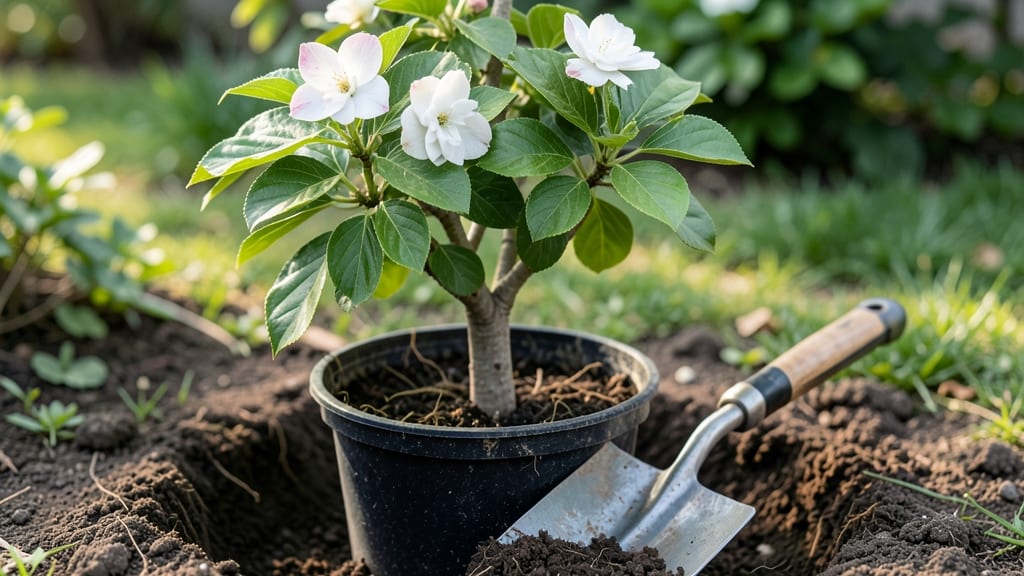
Transplanting a dogwood tree feels like moving a stubborn houseplant—except the stakes are higher when you're dealing with a mature specimen. ✨ The secret to success isn't brute force but timing, careful root handling, and understanding what dogwoods actually need to recover.
I've moved three myself, and the difference between a thriving tree and one that struggles for years comes down to these key steps.
First, you'll need the right tools: a sharp shovel, burlap for wrapping roots, pruning shears, and a wheelbarrow for hauling. The best time to move is late fall or early spring when the tree is dormant, but young dogwoods can handle it in summer with extra water.
Prune back any dead branches first—this reduces stress and helps the tree focus on root recovery.
What you're aiming for is a clean transplant where the root ball stays intact and the tree settles into its new spot without shock. After moving, water deeply every 2-3 days for the first month, then mulch around the base to lock in moisture.
The first year is critical—patience here means years of vibrant blooms and lush foliage down the road.
Even with perfect execution, some dogwoods take a season to fully bounce back. Watch for wilting leaves or yellowing—they're signs of stress, not failure. With the right approach, though, your moved dogwood will look like it never left its original home within just a few growing seasons.
📚 In This Guide
- What you need
- Instructions
- Tips and common mistakes
- Wrapping up and next steps
What you need
- ● Shovel or spade – A sharp, sturdy digging tool (preferably 12–18 inches wide for mature roots).
- ● Pruning shears or handsaw – For trimming roots and branches if needed.
- ● Burlap or tree-moving cloth – 3–5 yards (depending on tree size) to wrap the root ball.
- ● Twine or rope – 50–100 feet (for securing the burlap).
- ○ Wheelbarrow or dolly – To transport the root ball (optional but helpful for heavy trees).
- ● Watering can or hose – For keeping roots moist before and after transplanting.
- ○ Mulch (optional but recommended) – 2–3 inches of organic mulch (e.g., wood chips) for the new planting hole.
- ● Best time to move – Early spring or fall (avoid extreme heat or frost).
- ● Tree size assessment – Measure the root ball (typically 1.5–2x the trunk diameter).
- ● New planting site ready – Dig a hole twice as wide as the root ball and 6 inches deeper.
- ● Weather check – Plan for a cloudy day to reduce transplant shock.
- ● Root stimulator – A liquid or powder to encourage root growth post-transplant.
- ● Tree staking kit – If the tree is tall and top-heavy (use sparingly).
- ● Garden gloves – To protect your hands from thorns or rough bark.
- ● Soil amendment – Compost or peat moss to enrich the new planting hole.
Step-by-Step instructions for moving dogwood trees
Here's how to relocate your dogwood without shocking the roots or losing that stunning spring bloom.
🪴 Step 1: Prepare the New Location and Timing
Dogwoods thrive in partial shade with well-draining soil—pick a spot that mimics their current conditions. The best time to move is in early spring (before buds swell) or fall (after leaves drop but before hard frost). Avoid transplanting during heatwaves or drought, as roots need moisture to recover.
Dig the new hole twice as wide as the root ball but only as deep as the existing root system. Loosen the sides of the hole with a shovel to encourage root spread. I like to add a 2-inch layer of compost mixed into the bottom soil—this gives roots a nutrient boost right away. Water the area thoroughly before moving the tree.
🌱 Step 2: Prune and Dig the Original Tree
Start by pruning any dead or damaged branches first—this reduces stress. Then, cut back 1/3 of the canopy to balance the root system you’re about to disturb. Use sharp, clean pruners to make cuts just above a bud or branch collar. The goal is to minimize shock by reducing the tree’s water needs while roots adjust.
Dig a wide trench around the root ball, working 12-18 inches deep and 6-8 inches away from the trunk at first. Gradually widen the trench until you can see the full root system. For mature dogwoods, the root ball should be at least 12 inches in diameter. Use a shovel to loosen the soil underneath—avoid yanking the tree out by the trunk, which can tear roots.
💧 Step 3: Lift, Transport, and Plant
Once the root ball is exposed, wrap it in burlap or a tarp to keep soil intact. Lift the tree carefully by the root ball (never the trunk) and place it on a dolly or wheelbarrow. If the root ball is dry, soak it for 10-15 minutes before moving—this prevents roots from drying out during transport. Keep the tree shaded and moist until planting.
Lower the tree into the new hole, ensuring the top of the root ball sits 1-2 inches above ground level—dogwoods hate having their trunks buried too deep. Backfill with the original soil mixed with compost, tamping lightly as you go. Water deeply to settle the soil and eliminate air pockets. Mulch the base with 2-3 inches of organic mulch, keeping it 6 inches away from the trunk to prevent rot.
☀️ Step 4: Post-Transplant Care for Recovery
Water the tree deeply every 2-3 days for the first 4-6 weeks, keeping the soil evenly moist but not soggy. Dogwoods are sensitive to drought stress during recovery. You’ll know you’re doing it right when the mulch stays slightly damp—if it’s bone dry between waterings, increase frequency. Avoid overhead watering, which can spread disease.
Stake the tree only if it’s leaning or in a windy area—use soft ties to avoid girdling the trunk. Prune any additional damaged branches that may have occurred during the move. Watch for yellowing leaves (a sign of transplant shock) or wilting (underwatering). Most dogwoods rebound within 6-8 weeks if given consistent care—just don’t expect full bloom the first year.
Tips & tricks for moving dogwood trees
Relocating a dogwood might seem intimidating, but these key strategies will help you avoid common pitfalls and give your tree the best chance to thrive.
Timing is Everything: The instructions mention early spring or fall as ideal times, and that's spot-on. In early spring, focus on moving before buds swell—this gives roots time to establish before summer stress. In fall, aim for after leaves drop but before hard frost sets in. If you must move outside these windows, avoid extreme heat or drought periods entirely, as roots need moisture to recover. I've seen dogwoods struggle when moved during summer heat, so plan accordingly.
Root Ball Integrity Matters: When digging around the root ball in Step 2, resist the urge to rush—gradually widen the trench to avoid tearing roots. For mature trees, aim for that 12-inch diameter minimum. I've learned the hard way that a damaged root ball means slower recovery. If you encounter stubborn roots, use a sharp spade to carefully separate them rather than pulling. Wrapping the root ball in burlap or tarp (as mentioned in Step 3) is crucial—this keeps the soil structure intact during transport and prevents roots from drying out.
Post-Transplant Care is Critical: The 4-6 weeks of deep watering every 2-3 days can't be emphasized enough. Dogwoods are particularly sensitive to drought stress during recovery. I recommend checking soil moisture by sticking your finger 2 inches into the mulch—it should feel slightly damp. If it's bone dry, you're not watering enough. Yellowing leaves are normal for the first few weeks, but wilting indicates underwatering. Most trees rebound within 6-8 weeks, but consistent moisture during this period makes all the difference.
Pro Tips for Moving A Dogwood Tree
- Relocating a dogwood might seem intimidating, but these key strategies will help you avoid common pitfalls and give y...
- Timing is Everything: The instructions mention early spring or fall as ideal times, and that's spot-on. In early spri...
- Root Ball Integrity Matters: When digging around the root ball in Step 2, resist the urge to rush—gradually widen the...
Frequently asked questions
Got questions about transplanting your dogwood tree?
Here are answers to the most common concerns—from timing to troubleshooting—so you can move with confidence!
When is the best time to move a dogwood tree?
The ideal window is early spring or fall (before buds break or after leaves drop). Avoid extreme heat or frost—dogwoods are sensitive to stress. Pro tip: If transplanting in summer, water deeply 2–3 times a week to help roots recover.
How long does it take for a dogwood tree to recover after moving?
Recovery depends on size and care, but expect 1–2 years for full stabilization. Watch for new growth in spring—a sign roots are settling in. Troubleshoot: Yellow leaves? It may need more water or shade temporarily.
Can I move a dogwood tree with flowering branches?
Yes, but prioritize root health over blooms. Prune 1/3 of branches post-transplant to reduce stress. If moving a mature tree with flowers, time it for late spring after blooming to avoid sacrificing next year’s display.
What’s the easiest way to move a large dogwood tree?
For trees over 5 feet, use a burlap-wrapped root ball (dig 12+ inches deep) and a wheelbarrow or dolly. Alternative: Rent a tree spade for cleaner extraction. Always water the root ball daily for 2 weeks post-move.
Why is my dogwood tree wilting after transplanting?
Wilt can mean root shock, overwatering, or poor drainage. Check soil moisture (it should feel damp, not soggy). Mulch the base and avoid heavy foot traffic near roots. If wilting persists, trim damaged leaves to redirect energy.
Wrapping up and next steps
Moving a dogwood tree can feel daunting, but with the right prep, patience, and care, you’ll give your tree a fresh start—and a thriving future! 🌱 The key is timing, proper root handling, and post-transplant TLC to help it recover smoothly.
Whether you’re relocating for design, space, or health, your efforts will pay off in lush blooms and strong growth.
Ready to take the next step? Mark your calendar for early spring or fall, gather your tools, and approach the task with confidence. Your dogwood will thank you—and your garden will glow with gratitude! 🌸