
Container Gardens
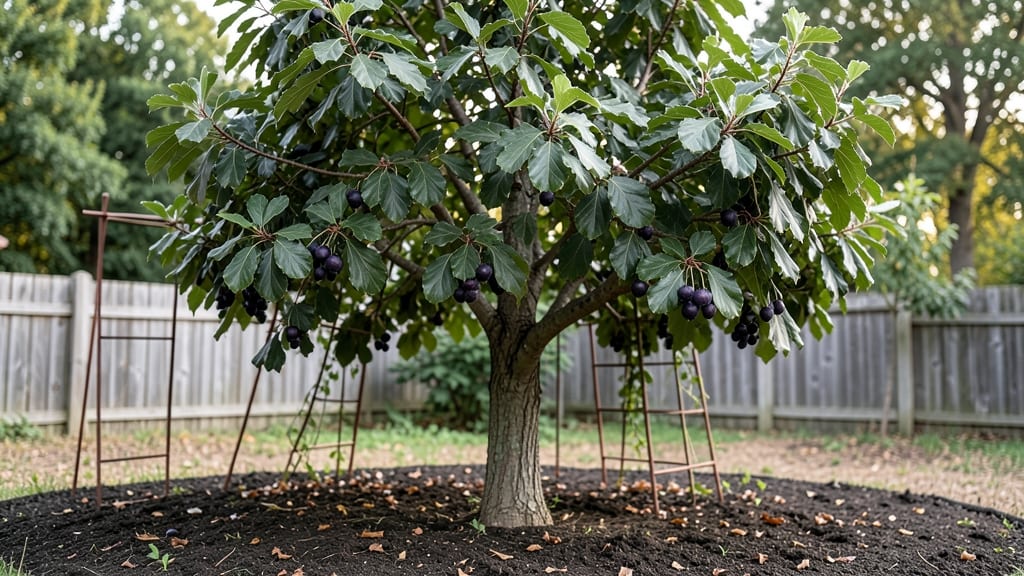
Growing mulberries in the Pacific Northwest means choosing the right conditions to beat the region's damp, cool summers and mild winters. 🌿 I learned the hard way—my first tree struggled until I adjusted the soil, sunlight, and watering to match its native Mediterranean roots.
The key isn't just planting; it's creating an environment where the tree can thrive despite the climate quirks.
You'll need well-draining soil that mimics the tree's natural habitat—think sandy loam with a touch of compost to keep roots happy. Morning sun and afternoon shade work best in PNW's humid summers, while winter protection (like a burlap wrap) helps young trees handle our wet, chilly seasons.
Watering is simple: deep soaks once a week, more in summer heat, but never soggy soil.
What you'll end up with is a tree that produces sweet, juicy berries year after year, even in our cloudy climate. The leaves stay lush and dark green, and the branches fill with fruit by mid-summer. The best part? These trees grow fast—expect 3-5 feet annually once established.
Works for both in-ground planting and large containers (20+ gallons), making it adaptable to urban yards or small homesteads. Here's how to set it up right from the start—no more struggling trees!
📚 In This Guide
- What you need
- Instructions
- Tips and common mistakes
- Wrapping up and next steps
What you need
- ● Mulberry tree saplings: Choose Morus alba (white mulberry) or Morus nigra (black mulberry) from a local nursery. Opt for 1-2 year old trees for faster establishment.
- ○ Container: A 5-gallon or larger pot with drainage holes (minimum 20-inch diameter for mature growth). Optional: Self-watering containers for convenience.
- ● High-quality potting mix: 60% well-draining soil (e.g., cactus/succulent mix) + 40% compost (e.g., coconut coir or peat moss). PNW tip: Add 10% perlite to prevent waterlogging.
- ● Fertilizer: Slow-release balanced fertilizer (10-10-10) or organic options like fish emulsion (apply at planting and monthly during growing season).
- ● Mulch: 2-3 inches of organic mulch (e.g., wood chips or straw) to retain moisture and regulate soil temp.
- ● Watering can or hose: With a gentle spray nozzle to avoid soil erosion.
- ● Pruning shears: Sharp, bypass-style shears (sterilize with rubbing alcohol between cuts).
- ● Support stakes: 3-4 bamboo or metal stakes (5-6 ft tall) + soft ties (e.g., tree straps) for young trees.
- ● Sunlight: Full sun (6+ hours/day). South-facing balconies or patios work best in cloudy PNW winters.
- ● Climate prep: Cold hardiness: Choose varieties rated for USDA Zones 5-9 (e.g., ‘Illinois Everbearing’ for resilience).
- ● Windbreaks: Place containers near walls or fences to shield from Pacific Northwest winds.
- ● Drainage: Ensure containers have elevated bases or saucers with drainage holes to prevent root rot (common in rainy PNW seasons).
- ● Pollination: If growing for fruit, plant at least 2 trees (mulberries are self-pollinating but yield better with companions).
- ● Soil pH tester: Mulberries prefer slightly acidic to neutral (6.0-7.0). Adjust with lime or sulfur if needed.
- ● Drip irrigation kit: Automates watering—ideal for busy PNW gardeners.
- ● Tree guard: Protects young trunks from deer or curious squirrels (common in PNW forests!).
- ● Fruit thinning shears: For shaping berries and improving size (if harvesting).
Step-by-step guide to mulberry tree growth in the Pacific Northwest
Here's how to set your mulberry tree up for success in our cool, wet climate.
🌱 Step 1: Choose the Right Location and Soil
Mulberries thrive in full sun—pick a spot that gets at least 6-8 hours of direct sunlight daily. In the Pacific Northwest, this often means south-facing exposures or protected areas where trees don't cast shade. I've found that even partial shade slows growth and reduces fruit production.
Amend the soil with 2-3 inches of compost before planting to improve drainage and fertility. Mulberries tolerate a range of soil types but prefer well-draining, slightly acidic to neutral soil (pH 6.0-7.5). If your soil is heavy clay, mix in sand or perlite to prevent waterlogging, which can rot roots. Test your soil's pH before planting—adjusting it now saves headaches later.
☀️ Step 2: Plant at the Right Time and Depth
Plant your mulberry tree in early spring (March-April) when soil temperatures reach 50°F. This gives roots time to establish before summer heat arrives. Dig a hole twice as wide as the root ball but no deeper—planting too deep suffocates roots and causes stress.
Place the tree so the top of the root ball sits 1-2 inches above ground level. Backfill with native soil, firming gently around the edges to remove air pockets. Water deeply right after planting to settle the soil and encourage root contact. A 1-inch layer of mulch (like wood chips) around the base helps retain moisture and regulate soil temperature.
💧 Step 3: Water Consistently During Establishment
Newly planted mulberries need deep watering twice weekly for the first year. Water slowly at the base until you see moisture reach 12 inches down—this encourages deep root growth. In the Pacific Northwest's rainy climate, you'll likely need to supplement during dry spells, especially in summer.
Watch for wilting leaves or yellowing at the edges—these are signs of underwatering. Overwatering is just as dangerous, though. The soil should feel damp but not soggy two inches below the surface. Mulberries are drought-tolerant once established, but young trees need consistent moisture to thrive.
✂️ Step 4: Prune for Shape and Fruit Production
Prune in late winter or early spring before new growth begins. Remove dead, diseased, or crossing branches first—this improves airflow and reduces pests. Thin out crowded branches to let sunlight reach the center of the tree, which boosts fruit production.
Shape the tree by cutting back overly vigorous shoots to maintain an open canopy. Mulberries fruit on new wood, so avoid heavy pruning that removes too many growth points. Leave 3-4 main branches to develop a strong structure. Here's the thing—mulberries grow fast, so plan to prune annually to keep them manageable.
Tips & tricks for thriving mulberry trees in the Pacific Northwest
Let me share the hard-won lessons that'll help your mulberry tree not just survive but thrive in our unique climate.
Sunlight Strategy: That 6-8 hours of daily sun is non-negotiable in the Pacific Northwest. If your yard has limited sun exposure, consider installing a temporary shade cloth during summer months to protect young trees from intense afternoon sun while still maximizing light exposure. I've seen trees in partial shade grow half as fast—it's worth the extra effort to find that perfect south-facing spot.
Soil Science: Don't skip that soil test! Our region's naturally acidic soils often fall below the ideal pH 6.0-7.5 range. If your test shows pH below 6.0, add crushed limestone to raise it gradually—mulberries hate sudden pH changes. For clay-heavy soils, mix in perlite at a 1:1 ratio with native soil when amending. I learned this the hard way after watching roots suffocate in compacted clay.
Planting Precision: When you're planting that root ball, pay special attention to the 1-2 inch height above ground level. I've seen gardeners bury the root ball too deep, which leads to root rot. Use a level to check the height before backfilling. That 1-inch layer of mulch is also crucial—it's not just for looks. It helps regulate soil temperature swings that can stress young roots during our cool, wet springs.
Watering Wisdom: Those twice-weekly deep waterings are critical in our rainy climate. Use a moisture meter to check when to water—aim for dampness at 12 inches down, not just surface moisture. I've found that watering in the early morning prevents fungal issues from evening moisture. And watch those leaves—they'll tell you everything you need to know about your watering routine.
Pro Tips for Mulberry Tree Growing Conditions
- Let me share the hard-won lessons that'll help your mulberry tree not just survive but thrive in our unique climate.
- Sunlight Strategy: That 6-8 hours of daily sun is non-negotiable in the Pacific Northwest.
- Soil Science: Don't skip that soil test!
Frequently asked questions
Got questions about growing mulberry trees in the Pacific Northwest? Here are answers to the most common ones—so you can thrive with confidence!
What’s the best time to plant a mulberry tree in the PNW?
The ideal window is early spring (March–April) or fall (September–October). Young trees benefit from cooler temps and consistent moisture. Avoid planting in summer heat or winter frost—root establishment is key!
Can mulberry trees survive PNW winters?
Yes! Most varieties (like Morus alba or Morus nigra) tolerate zones 5–9. In colder PNW areas (e.g., Eastern WA/OR), mulch heavily and water deeply before freeze. Young trees may need winter wraps for extra protection.
Why are my mulberry leaves turning yellow or dropping?
Yellowing leaves often signal overwatering or nutrient deficiency. Check soil drainage—mulberries hate soggy roots. For deficiencies, amend soil with compost or use a balanced fertilizer in early spring. Pests (like spider mites) can also cause stress.
Do mulberry trees need full sun, or can they grow in partial shade?
They thrive in full sun (6+ hours/day), but young trees can tolerate partial shade (4+ hours). In the PNW’s damp climate, afternoon shade helps prevent leaf scorch. Avoid deep shade—it reduces fruit production and weakens growth.
How close can I plant a mulberry tree to my house or fence?
Keep it 15–20 feet from structures—mulberries grow wide (15–30 ft) and have aggressive roots. If space is tight, choose dwarf varieties (like ’Illinois Everbearing’) or prune annually. Check local HOA rules too!
When and how do I harvest mulberries?
Pick when fully ripe (deep purple/black), usually July–August in the PNW. Gently twist berries off stems—don’t pull! Wear gloves (stains!) and harvest early morning for the sweetest flavor. Use within days or freeze for later.
Pro Tip:
Mulberries spread via roots! If you’re in a shared space, plant in containers (50+ gallon) or use root barriers to contain them. Just don’t blame us if they “take over” your yard—nature’s sweet reward!
Wrapping up and next steps
Growing a mulberry tree in the Pacific Northwest is totally doable—just embrace its sun-loving nature, well-draining soil, and patience! With the right care, you’ll enjoy fresh berries and a stunning landscape addition in no time. 🌱
Ready to get started? Plant your tree this season and watch it thrive—your future harvest (and happy birds!) will thank you. Review your supplies or dive into FAQs for extra confidence!