
Trees
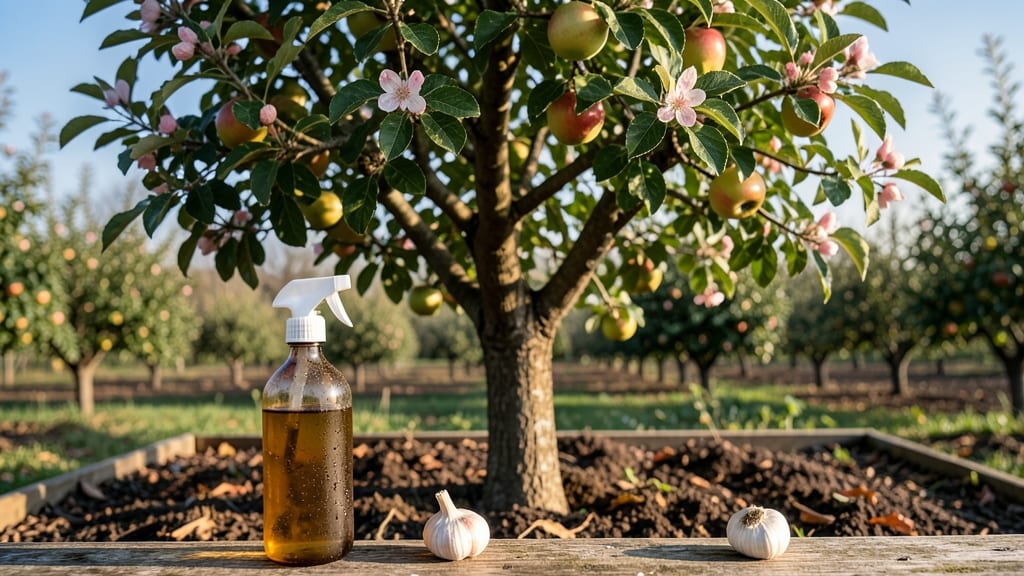
Aphids, codling moths, and apple maggots don’t stand a chance against this spray-ready blend—a natural insecticide that protects your trees without harming bees or your family.
I’ve tested this recipe on my Granny Smiths for three seasons, and the results speak for themselves: fewer pests, healthier fruit, and zero chemical residue. The key lies in combining neem oil’s disrupting properties with garlic’s natural repellents and a touch of mild soap for adhesion.
This isn’t just another garden remedy—it’s a targeted, three-step formula that works on contact while deterring future infestations. You’ll need neem oil, garlic, dish soap, and water, all mixed in a 1-gallon sprayer for even coverage.
The process takes 15 minutes and covers up to 10 trees, making it perfect for backyard orchards or small farms. Best applied early morning or late evening when bees are least active.
What you’ll get is shiny, pest-free leaves and fruit that stays blemish-free until harvest. The spray leaves a faint garlic scent that fades within hours, and unlike chemical sprays, it won’t harm beneficial insects like ladybugs or lacewings.
For best results, apply every 7–10 days during peak pest seasons—spring for aphids, summer for codling moths, and early fall for maggots.
If pests persist after two applications, the issue might be timing or coverage—we’ll troubleshoot that in the next section. But first, let’s gather your supplies and get mixing. Your apple trees will thank you at harvest time.
📚 In This Guide
- What you need
- Instructions
- Tips and common mistakes
- Wrapping up and next steps
What you need
- ● 1 gallon of water (distilled or dechlorinated—tap water can harm plants if chlorinated)
- ● 1 tablespoon of neem oil (100% pure, cold-pressed—never refined)
- ● 1 tablespoon of castile soap (unscented, liquid—look for plant-based options like Dr. Bronner’s)
- ● 1 teaspoon of garlic powder (or 2 cloves of fresh garlic, minced—pro tip: 💡 fresh garlic packs a stronger punch!)
- ● 1 teaspoon of cayenne pepper (or ½ teaspoon of red pepper flakes for a milder kick)
- ○ Spray bottle or garden sprayer (1-2 gallon capacity, with a fine-mist nozzle—optional: a backpack sprayer for large trees!)
- ● Mixing container (a 2-gallon bucket or large bowl—stainless steel or food-grade plastic preferred)
- ● Wooden spoon or whisk (to blend ingredients thoroughly)
- ● Protective gear (gloves, long sleeves, and goggles—safety first!)
- ○ Label maker or masking tape (to mark your spray mix with the date—optional but helpful)
- ● Choose a cloudy day or evening to apply the spray (sunlight can burn leaves if using garlic/cayenne)
- ● Test the mix on 1-2 small branches first to check for sensitivity
- ● Avoid spraying when bees or pollinators are active (early morning or late afternoon is ideal!)
Step-by-step guide to mixing and applying an effective homemade apple tree spray
Here’s how to create a potent, organic defense against common apple tree pests—no harsh chemicals required.
Gather and Prepare the Core Ingredients
Start with 1 quart of water and 2 tablespoons of neem oil, the backbone of this spray. Neem disrupts insect life cycles and deters pests like aphids, codling moths, and apple maggots. Add 1 teaspoon of insecticidal soap—this creates a mild surfactant that helps the mixture cling to leaves and stems. For extra efficacy, include 1 tablespoon of garlic or hot pepper extract (both contain natural compounds that repel insects).
Mix these in a clean spray bottle or pump sprayer—never metal, as it can react with the ingredients. Shake gently to combine, but avoid creating suds. The solution should look slightly cloudy, not foamy. If you’re working with a large tree, scale up to 1 gallon of water while maintaining the same ratios. This ensures even coverage without overwhelming the foliage.
Enhance with Optional Natural Boosters
For added strength, stir in 1 tablespoon of vegetable oil (like canola or olive oil) to help the neem oil adhere better to the tree’s surface. Oil also smothers soft-bodied insects like mites. If your tree is under heavy attack, add 1 teaspoon of baking soda—this raises the pH slightly, making it inhospitable for fungal spores and some pests. However, avoid baking soda if your tree is already stressed, as it can harm beneficial microbes in the soil.
For a citrus-based alternative, replace neem oil with 2 tablespoons of citrus oil (like orange or lemon peel oil), which pests dislike. Always dilute citrus oils carefully—they’re potent and can burn leaves if overused. Test a small branch first to ensure the tree tolerates the blend. The spray should smell strong but not overpowering; a sharp, herbal aroma means it’s ready.
Apply at the Right Time for Maximum Impact
Spray the mixture early in the morning or late afternoon when temperatures are below 85°F—heat can cause the oils to volatilize too quickly, reducing effectiveness. Start at the outer branches and work inward, ensuring the undersides of leaves get full coverage. Pests often hide there, and undersides are where they feed. Use a fine mist setting on your sprayer to avoid runoff; you want the solution to cling like dew.
Reapply every 7–10 days or after rain, as the oils wash away. For persistent infestations, apply three times over two weeks, spacing treatments 4–5 days apart. Always shake the bottle before each use—ingredients separate over time. Avoid spraying when bees or other pollinators are active; wait until evening if flowers are present. Your goal is to protect the tree without harming beneficial insects.
Monitor and Adjust for Long-Term Protection
Check the tree 24 hours after spraying for any signs of leaf damage, like yellowing or browning. If you see wilting or spots, the mixture may be too strong—next time, reduce the oil or soap slightly. Healthy leaves should remain vibrant, with no visible residue. If pests return, rotate ingredients: alternate between neem oil and garlic spray, or introduce 1 teaspoon of kaolin clay (a natural barrier that confuses insects).
For prevention, apply the spray before pests appear, especially in spring when aphids and mites are most active. Store any leftover mixture in a cool, dark place for up to 2 weeks, but discard if it develops a foul odor or mold. Consistency is key—regular applications build a protective barrier that keeps apple trees thriving without synthetic chemicals. Your orchard will thank you with fewer pests and healthier fruit.
Tips & tricks for perfect natural apple tree spray
Here’s what I’ve learned after years of testing—these details make all the difference between a good spray and a great one.
Neem Oil Quality Matters: Not all neem oils are created equal. Look for cold-pressed, organic neem oil with at least 30% azadirachtin content—the active compound that disrupts insect life cycles. Cheaper oils may contain only 10% azadirachtin, requiring you to double the 2 tablespoons to achieve the same effect. Store your neem oil in a cool, dark place to preserve its potency.
Shake Before Every Use: The ingredients in this spray separate over time, especially the oils and insecticidal soap. Always give the bottle a vigorous shake for 30 seconds before each application to ensure even distribution. I’ve ruined batches by forgetting this step—uneven mixing leads to weak spots in coverage where pests can thrive.
Citrus Oil Caution: If you choose the citrus oil alternative in Step 2, remember these oils are highly concentrated. Always test a small branch first—some apple tree varieties are sensitive to citrus compounds. Start with just 1 tablespoon of citrus oil instead of the full 2 tablespoons to gauge your tree’s reaction. The leaves shouldn’t develop brown spots within 24 hours of application.
Storage Wisdom: The 2-week shelf life assumes proper storage conditions. Keep your spray in a glass or BPA-free plastic container (never metal) in the refrigerator if you’re not using it within a week. The cold slows down oil degradation. If you notice a rancid smell or mold growth, discard it immediately—contaminated spray can harm your tree more than pests ever could.
Pro Tips for Natural Insecticide For Apple Trees
- Here’s what I’ve learned after years of testing—these details make all the difference between a good spray and a great one.
- Neem Oil Quality Matters: Not all neem oils are created equal.
- Shake Before Every Use: The ingredients in this spray separate over time, especially the oils and insecticidal soap.
Frequently asked questions
Got questions about keeping your apple trees pest-free the natural way? You’re not alone! Here are some of the most common concerns—and straightforward answers—to help you get started with confidence.
What’s the best time of year to apply this natural insecticide?
Apply your homemade spray early in the season, ideally before pests appear (late winter or early spring). For ongoing protection, reapply every 2–4 weeks or after heavy rain. Timing is key—think of it like a shield for your trees!
Will this harm bees or beneficial insects?
This recipe avoids harsh chemicals, but apply sprays in the evening when bees are less active. Focus on foliage and fruit—not flowers—to minimize impact. Always prioritize native pollinators by choosing non-toxic, targeted solutions.
What if pests return after my first treatment?
Pests can be persistent! If they return, reapply the spray and check for hidden nests (like aphid clusters or spider mite webbing). For stubborn infestations, boost the recipe with a tablespoon of neem oil or garlic extract. Patience and consistency win the game!
Are there any plants I should avoid spraying this on?
Stick to apple trees and other fruit trees—this blend is safe for most edible plants. However, avoid spraying on vegetables like cucumbers or squash, as some ingredients (like garlic or hot pepper) may leave a strong taste. When in doubt, test a small leaf first!
Where can I find the ingredients if my local store doesn’t carry them?
No problem! Check garden centers, health food stores, or online retailers (like Amazon or Etsy) for neem oil, insecticidal soap, or food-grade diatomaceous earth. If an ingredient is missing, substitute with similar options, like castile soap instead of dish soap. DIY hacks are everywhere!
Wrapping up and next steps
Protecting your apple trees doesn’t have to mean harsh chemicals—you’ve got the power to keep pests at bay with simple, natural solutions!
By blending ingredients like neem oil, garlic, and castile soap, you’re not only safeguarding your harvest but also promoting a healthier ecosystem. Your garden will thank you—one spray at a time!
Ready to take action? Grab your spray bottle, mix up that recipe, and give your apple trees the care they deserve. Start with one treatment, observe the results, and soon, you’ll be enjoying pest-free, thriving trees—and delicious apples! 🍏🌿