Pruning
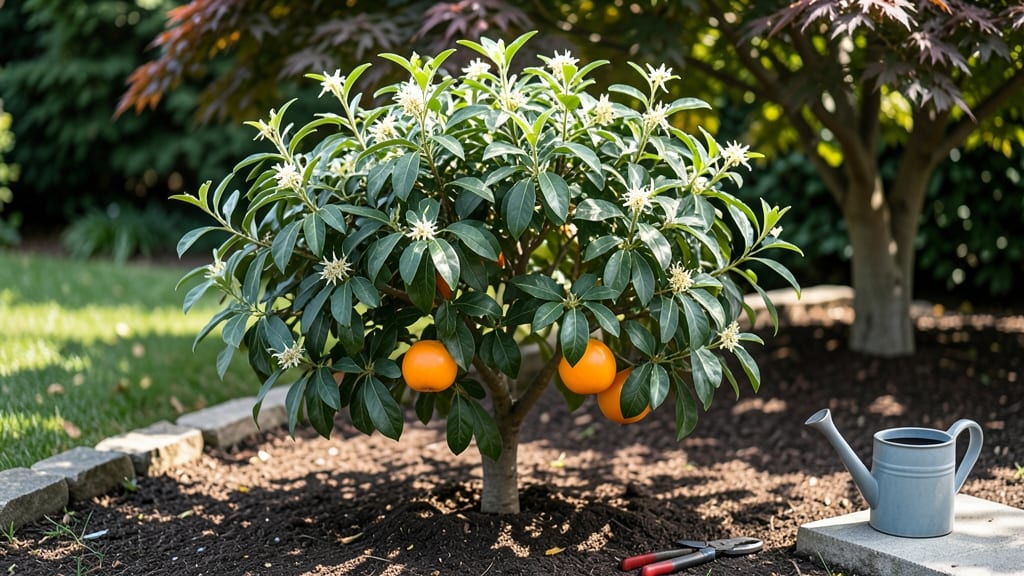
The Nikita's Gift persimmon tree thrives where most fruit trees refuse to survive—right through Pacific Northwest winters. 🌳 I planted mine in Portland three years ago, and now it’s loaded with sweet, orange fruit every fall, even when temps dip below 20°F. The secret lies in its Russian origins: this persimmon handles cold like a champ.
You’ll need full sun (at least 6 hours daily), well-draining soil, and a spot sheltered from harsh winds. The tree’s shallow roots mean mulching is key—3-4 inches of wood chips or straw keeps roots cozy.
Water deeply once a week after establishment, but avoid soggy soil. Prune in late winter to open the canopy, and watch for aphids (they love new growth).
By harvest time, you’ll be rewarded with hundreds of small, honey-sweet fruits—no astringency, just pure flavor. The tree’s compact size (20-25 feet) makes it perfect for backyards. With proper care, it produces reliably for decades, outlasting many other fruit trees in the region.
Common challenges? Frost cracks on young fruit (harvest before hard freezes) and slow early growth. But once established, this tree is nearly foolproof. Ready to grow your own cold-hardy fruit bonanza?
📚 In This Guide
- What you need
- Instructions
- Tips and common mistakes
- Wrapping up and next steps
What you need
- ● Persimmon tree: 1 Nikita’s Gift sapling (cold-hardy, non-astringent variety, zone 5-9).
- ● Shovel: 1 medium-sized digging shovel (for planting or transplanting).
- ● Pruning tools: 1 pair bypass pruners (for clean cuts on small branches).
- ● 1 pruning saw (for thicker branches, 2–4 inches in diameter).
- ● 1 loppers (for medium branches, ½–2 inches thick).
- ● Gloves: 1 pair heavy-duty gardening gloves (to protect from thorns and sap).
- ● Mulch: 3–4 bags of organic mulch (e.g., wood chips or straw) to retain moisture and suppress weeds.
- ● Fertilizer: 1 bag of balanced, slow-release fertilizer (10-10-10 or similar) for early spring.
- ● Watering can or hose: With a gentle spray nozzle for post-planting hydration.
- ● Tree staking kit: 3–4 stakes + ties (if planting in windy areas).
- ● Soil tester kit: To check pH (ideal range: 6.0–7.0 for persimmons).
- ○ Tree wound dressing: For sealing larger pruning cuts (optional, but reduces disease risk).
- ● Tree tie or rubber bands: For securing branches during pruning.
- ● Wheelbarrow: For hauling mulch or soil amendments.
- ● Location: Full sun (6+ hours/day) and well-draining soil. Avoid low spots where water pools.
- ● Timing: Plant in early spring (March–April) or fall (September–October) for best root establishment.
- ● Knowledge: Familiarize yourself with Nikita’s Gift’s growth habits—it’s a dwarf variety (12–15 ft tall) with a rounded shape.
- ● Patience: Persimmons take 3–5 years to bear fruit, but proper pruning from the start ensures a healthier tree! 🍅🌟
Step-by-step guide to planting and caring for a nikita's Gift persimmon tree
This cold-hardy variety thrives in Pacific Northwest conditions—here's how to establish it properly.
🌱 Step 1: Choose the Right Planting Site and Prepare the Soil
Select a location with full sun exposure (6-8 hours daily) and shelter from strong winds, which can damage the tree's delicate branches. The Pacific Northwest's cool, wet climate means your site should have well-draining soil—persimmons hate soggy roots. Test your soil's drainage by digging a hole, filling it with water, and checking if it drains within 2-3 hours. If not, amend the soil with 2-3 inches of compost mixed into the top 12 inches of soil.
Nikita's Gift persimmons prefer slightly acidic to neutral soil (pH 6.0-7.0). If your soil tests outside this range, adjust with lime (to raise pH) or sulfur (to lower it). Spread a 2-inch layer of wood chips around the planting area to suppress weeds and retain moisture. Here's the thing—this tree's root system is shallow, so avoid compacting the soil during preparation. Use a garden fork to loosen the earth gently rather than tamping it down.
🪴 Step 2: Plant the Tree at the Correct Depth and Stake for Support
Dig a hole twice as wide as the root ball but no deeper. The top of the root ball should sit 1-2 inches above ground level—burying it too deeply can suffocate the tree. Place the persimmon in the hole, ensuring the roots spread naturally without bending. If the tree arrives with a burlap wrap, remove it immediately to prevent girdling as the roots grow.
Fill the hole with native soil, tamping lightly every 2 inches to eliminate air pockets. Water deeply to settle the soil around the roots, then stake the tree if needed. Nikita's Gift can grow 15-20 feet tall, so a 2-inch diameter stake buried 12 inches deep provides stability during its first year. Tie the trunk loosely to the stake with soft fabric strips—too-tight ties can strangle the bark as the tree grows.
☀️ Step 3: Water Deeply and Establish a Mulch Ring
Water the newly planted tree with 1-2 gallons of water to encourage root expansion into the surrounding soil. After watering, create a 3-foot diameter mulch ring around the base, keeping mulch 3-4 inches away from the trunk to prevent rot. Use the 2-inch layer of wood chips you prepared earlier—this mulch will insulate roots from winter cold and retain moisture during the Pacific Northwest's dry summers.
Persimmons need consistent moisture, especially in their first year. Water once a week during dry spells, providing 2-3 gallons per watering. You'll know it's enough when water drains 6-8 inches deep into the soil. Avoid overhead watering, which can spread disease. Instead, use a soaker hose or drip irrigation to deliver water directly to the root zone.
✂️ Step 4: Prune for Structure and Disease Prevention
Prune your Nikita's Gift persimmon in late winter or early spring before new growth begins. Remove any dead, damaged, or crossing branches first—these create entry points for fungal diseases common in wet climates. Thin out crowded branches to improve air circulation, aiming for an open center that lets sunlight reach all parts of the tree.
Here's where it gets fun: shape the tree into a natural vase form by selecting 3-5 main scaffold branches spaced evenly around the trunk. These branches should emerge at 45-degree angles and be 6-12 inches apart. Cut back any suckers (shoots growing from the base) immediately—they drain energy from fruit production. Real talk: Over-pruning reduces next year's harvest, so limit yourself to 20% of the tree's canopy per year.
🍎 Step 5: Monitor for Pests and Harvest at Peak Ripeness
Nikita's Gift persimmons are relatively pest-resistant, but watch for aphids or scale insects, which thrive in the Pacific Northwest's mild winters. Spray the tree with a soapy water solution (1 tablespoon mild dish soap per gallon of water) if you spot sticky residue on leaves. For severe infestations, apply horticultural oil in late winter when pests are dormant.
Harvest fruit in late fall when it turns deep orange and slightly softens when gently squeezed—this variety is non-astringent, meaning it's edible ripe. Pick fruit before hard frosts, as cold temperatures can damage the tree's structure. You'll typically get 4-8 pounds of fruit per tree in its fifth year. Store harvested persimmons at 35-40°F for up to 2 months** to extend their shelf life.
Tips & tricks for perfect nikita's Gift persimmon tree establishment
These practical insights will help you avoid common pitfalls and maximize your tree's potential in Pacific Northwest conditions.
Sunlight Strategy: While the instructions specify 6-8 hours of full sun daily, I've found that morning sun combined with afternoon shade works better in hotter microclimates. The Pacific Northwest's frequent overcast days mean your tree might need supplemental light in cloudy winters—consider pruning nearby trees to ensure consistent light exposure. This balance prevents stress while maintaining the tree's cold-hardy nature.
Soil Drainage Test: The 2-3 hour drainage test is critical, but here's what nobody tells you—if your soil drains too quickly, you're not retaining enough moisture for the tree's shallow roots. In this case, mix in 10% coconut coir with your 2-3 inches of compost to improve water retention without compromising drainage. This is especially important during the region's dry summers.
Staking Technique: When staking your 15-20 foot tree, bury the 2-inch diameter stake at a 45-degree angle rather than straight up. This provides better support against Pacific Northwest winds while allowing the tree to grow naturally. Use soft fabric strips (like old T-shirts) rather than wire—they won't cut into the bark as the trunk thickens during its first year.
Winter Protection: While Nikita's Gift is cold-hardy, young trees benefit from additional winter protection. After establishing your 3-foot diameter mulch ring, mound an extra 4-6 inches of wood chips around the base in late fall. This creates an insulating barrier that protects shallow roots from temperature fluctuations common in the Pacific Northwest's maritime climate. Remove the extra mulch in early spring.
Pro Tips for Nikita'S Gift Persimmon Tree
- These practical insights will help you avoid common pitfalls and maximize your tree's potential in Pacific Northwest conditions.
- Sunlight Strategy: While the instructions specify 6-8 hours of full sun daily, I've found that morning sun combined with afternoon shade works better in hotter microclimates.
- Soil Drainage Test: The 2-3 hour drainage test is critical, but here's what nobody tells you—if your soil drains too quickly, you're not retaining enough moisture for the tree's shallow roots.
Frequently asked questions
Got questions about Nikita’s Gift persimmon tree? You’re not alone! Here are answers to the most common concerns—from pruning to fruit care—so you can grow a thriving tree in the Pacific Northwest.
How cold-hardy is Nikita’s Gift persimmon?
Nikita’s Gift is one of the hardiest persimmon varieties, tolerating temperatures as low as -15°F (-26°C) once established. Young trees (first 2–3 years) may need winter protection like mulch or burlap wraps in severe freezes. Plant in a sheltered spot to maximize cold resistance!
When should I prune Nikita’s Gift?
Prune late winter or early spring (before buds swell) to shape the tree and remove dead wood. Avoid heavy pruning in fall—it can stimulate new growth that won’t harden before winter. Pro tip: Focus on opening the canopy for sunlight and airflow to prevent disease.
Why aren’t my persimmons ripening?
Persimmons need full sun (6+ hours/day) and cross-pollination (plant a second tree, like Fuyu or Hachiya, nearby). Unripe fruit may also signal overcrowding—prune to improve airflow. Check for pests (like aphids) or fungal issues if fruit drops early.
Can I grow Nikita’s Gift in a container?
Yes! Use a large pot (20+ gallons) with drainage and well-draining soil. Move containers to a sunny spot in summer and protect from wind. However, container-grown trees may produce fewer fruits and need annual repotting. Best for small yards or patios.
What do I do if my tree gets blight or pests?
Persimmons are generally tough, but bacterial blight or scale insects can strike. Prune infected branches immediately, and spray with neem oil or copper fungicide early in the season. Keep the area clean of fallen leaves to prevent reinfection.
Still stumped? Drop your question in the comments—we’re happy to help!
Wrapping up and next steps
Growing a Nikita’s Gift persimmon tree in the Pacific Northwest isn’t just about nurturing a fruit-bearing beauty—it’s about embracing resilience and patience. This cold-hardy variety thrives with the right pruning techniques, soil care, and a little love, rewarding you with sweet, vibrant fruit year after year.
Whether you're a seasoned gardener or a curious beginner, your persimmon tree is a gift that keeps on giving—literally!
Ready to take the next step? Mark your calendar for early spring—it’s the perfect time to assess your tree’s health, plan your pruning, and watch it flourish. Start your journey today and enjoy the fruits of your labor (and your hard work!) in just a few seasons. 🌱✨