Trees
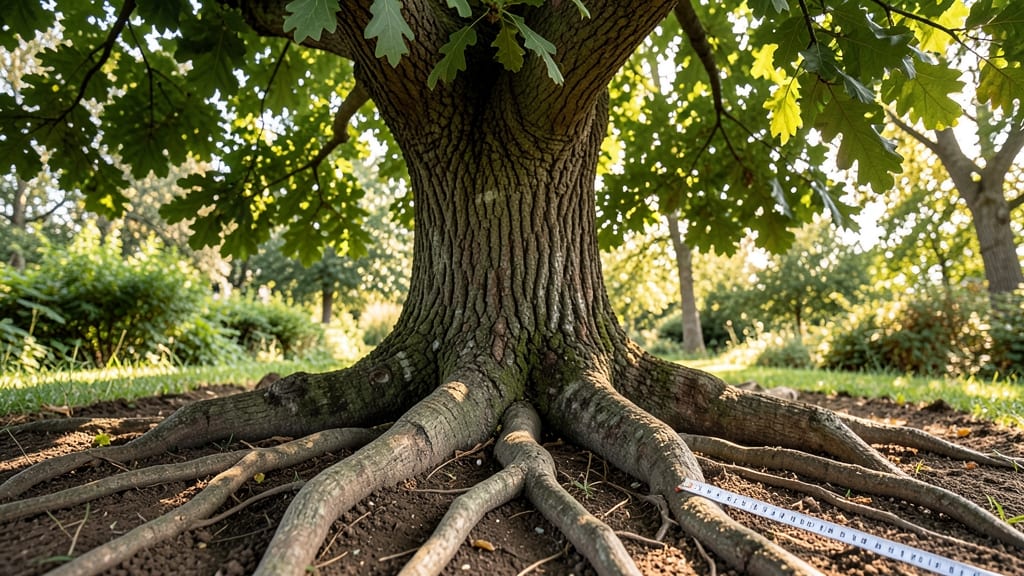
Understanding an oak tree's root system is the secret to growing one that stands for centuries—not just years. 🌳 I spent years watching my grandfather's oak spread its branches wider than our yard, and the real magic happened below the soil.
That deep taproot and sprawling lateral network don't just anchor the tree; they determine how it survives droughts, fights diseases, and outgrows competitors.
The biggest myth? That roots grow as wide as the canopy. In reality, most roots stay within 12-18 inches of the surface, while the taproot plunges 3-5 feet deep—sometimes deeper than the tree is tall.
This dual system explains why oaks handle poor soil better than many trees, but it also means planting too close to sidewalks or other plants can strangle their growth before it starts.
When you plant an oak, focus on the first 24 inches of soil—that's where 80% of feeder roots live. Loosen the dirt gently, avoid compacting it, and keep it moist (but not soggy) for the first year.
The tree will thank you with stronger limbs, better drought resistance, and a lifespan that outlasts most homeowners' mortgages.
Here's the kicker: those lateral roots spread 2-3 times wider than the branches, so give your oak plenty of room. If you're planting near a house or driveway, dig a 10-foot-wide root zone and mulch it properly.
The rest? Let nature handle the deep work—your oak's roots will do the heavy lifting once you get the surface right.
📚 In This Guide
- What you need
- Instructions
- Tips and common mistakes
- Wrapping up and next steps
What you need
- ● Measuring tape or ruler – A 10- to 25-foot tape for large-scale measurements.
- ● Shovel or root auger – A heavy-duty digging tool (e.g., a 12-inch root auger or spade) for safe soil sampling.
- ● Garden gloves – Durable, waterproof gloves (e.g., nitrile-coated) to protect hands from thorns and soil.
- ● Notebook & pen – For recording root depth, spread, and soil observations.
- ● Water source – A hose or watering can to check soil moisture levels.
- ● pH testing kit – A digital or liquid test kit to measure soil acidity (oaks prefer pH 5.0–7.0).
- ● Pruning shears – Sharp, bypass-pruners (for trimming invasive roots if needed).
- ● Root viewer or clear tubing – For non-invasive root observation in containers or small plots.
- ● Soil probe or corer – A handheld soil sampler for deeper root analysis.
- ● Compost or organic mulch – Shredded bark or leaf mold (2–4 inches deep) to improve soil structure.
- ● GPS or mapping app – To track root spread over time in large landscapes.
- ● Camera with macro lens – For detailed root documentation (great for research!).
Understanding and supporting an oak tree's root system
Here's how to nurture that underground powerhouse for decades of strong growth.
🌱 Step 1: Recognize the Oak's Natural Root Structure
Oak trees develop two distinct root types: the taproot (a deep vertical anchor) and lateral roots (horizontal spreaders). The taproot can reach 4-6 feet deep in mature trees, while lateral roots extend 2-3 times the tree's canopy width. This dual system allows oaks to access both deep water reserves and surface nutrients.
Young oaks focus on taproot development first, so avoid disturbing the central soil column during early planting. You'll know the taproot is established when the tree shows steady vertical growth and dark green foliage in its first growing season.
☀️ Step 2: Prepare Soil for Optimal Root Penetration
Oak roots thrive in well-draining, slightly acidic soil (pH 5.5-7.0). Test your soil before planting—compacted or clay-heavy soil will restrict root growth. Amend with 2-3 inches of compost mixed into the top 12 inches of soil to improve aeration and nutrient availability.
Here's the thing—oaks hate soggy roots. If your site has poor drainage, create a sandy loam mound (about 12 inches high) where you'll plant. This elevation prevents waterlogging while still allowing deep root penetration. Water deeply after planting to help roots settle into the prepared soil.
💧 Step 3: Water Strategically to Encourage Deep Growth
Newly planted oaks need deep, infrequent watering to stimulate taproot development. Water once per week during the first growing season, delivering 10-15 gallons per tree at each session. You'll see success when the soil 12 inches deep stays consistently moist but not waterlogged.
After the first year, reduce watering to every 2-3 weeks unless experiencing drought. Mature oaks develop drought tolerance, but deep watering remains critical during dry spells. The key is getting water past the topsoil—use a soaker hose or deep irrigation spear to reach 18-24 inches down.
✂️ Step 4: Protect Roots Through Proper Mulching
Apply 3-4 inches of organic mulch (wood chips or shredded bark) in a 3-foot diameter ring around the tree trunk. This mimics the tree's natural forest floor environment while suppressing weeds. Keep mulch 6 inches away from the trunk to prevent rot and pest issues.
Replenish mulch annually as it decomposes. The decomposition process gradually improves soil structure over time. You'll notice healthier root systems when the tree shows increased canopy growth and fewer yellowing leaves—both signs of proper root health.
🪴 Step 5: Plan for Long-Term Root Health
Avoid heavy equipment or construction within the drip line (the edge of the tree's canopy). Oak roots extend far beyond the trunk, and damage here can take decades to recover. When installing sidewalks or driveways, maintain a minimum 10-foot clearance from mature oak trunks.
Consider installing root barriers only when absolutely necessary (like near foundations). These should be buried 2 feet deep and 3 feet high to properly redirect root growth. Monitor the tree annually for signs of stress—sudden leaf drop or reduced growth may indicate root damage or competition.
Tips & tricks for perfect oak tree root systems
Real talk: healthy roots make all the difference in how your oak thrives for decades. Here's what nobody tells you about nurturing that underground foundation.
Soil Depth Matters: When amending that top 12 inches with compost, don't just scratch it in—dig down to create air pockets. Use a broadfork to loosen soil without disturbing the taproot. The goal is to create a "highway" for roots to spread downward naturally. Think of it like building a subway system for your tree's roots.
Watering Depth Technique: Those 10-15 gallons per week aren't just about volume—they're about penetration. After watering, stick a soil probe 18 inches deep. If it comes out dry, you're not reaching the roots where they need moisture most. I've seen oaks with surface roots only because homeowners watered lightly too often. Deep watering once a week beats shallow watering daily every time.
Mulch Application Secret: The 3-4 inch mulch ring should look like a donut—not a volcano. Pile mulch against the trunk and you'll create a perfect environment for rot and pests. Instead, create that gradual slope with the thickest layer at the outer edge. This mimics nature's way of protecting roots while keeping the trunk dry.
Root Barrier Reality Check: If you do install root barriers (and I only recommend this as a last resort), make them visible. Paint them bright orange or yellow so future landscapers don't accidentally dig into them. I've seen too many cases where barriers were buried and later destroyed during construction. A little visibility prevents decades of root damage.
Pro Tips for Oak Tree Roots System
- Real talk: healthy roots make all the difference in how your oak thrives for decades.
- Soil Depth Matters: When amending that top 12 inches with compost, don't just scratch it in—dig down to create air pockets.
- Watering Depth Technique: Those 10-15 gallons per week aren't just about volume—they're about penetration.
Frequently asked questions
Got questions about oak tree roots? You’re not alone! Here are some of the most common concerns—and straightforward answers—to help you understand (and nurture) that powerful underground network.
How deep do oak tree roots actually grow?
Oak tree roots can extend deeply—often 3 to 5 feet below the surface—but their lateral (horizontal) roots spread even wider, sometimes up to 70 feet from the trunk! Shallow roots (within 12 inches) are critical for water uptake, while deeper roots anchor the tree and access nutrients. Pro tip: Avoid digging near the trunk unless necessary—those roots are tough to damage!
Will oak tree roots damage my foundation or driveway?
Yes, but it’s usually a slow process. Oak roots seek moisture and nutrients, so they may crack sidewalks or seep into foundation cracks over time. To minimize risks, plant oaks at least 20–30 feet away from structures and monitor for signs like uneven pavement or water pooling. If issues arise, root barriers or professional pruning can help redirect growth.
Can I prune oak tree roots to control their spread?
Pruning roots is not recommended unless absolutely necessary (e.g., construction interference). Oak roots are resilient but can stress the tree if cut improperly. If you must intervene, hire an ISA-certified arborist to use root collar excavation or root barriers—never DIY with a shovel!
How do I know if my oak tree isn’t getting enough water?
Watch for leaf wilting, brown edges, or premature fall color—these are red flags. Oak roots need consistent moisture, especially in the first 2–3 years after planting. Water deeply 1–2 times per week (1–1.5 inches total) during dry spells, focusing on the drip line (the tree’s canopy edge). Mulch helps retain moisture—just keep it 3–4 inches deep and away from the trunk.
Are there oak tree varieties with less aggressive roots?
Most oaks have similar root structures, but some varieties (like swamp white oak or pin oak) tolerate wetter soil, which can slow lateral spread. Dwarf or semi-dwarf oaks (e.g., ‘Green Vase’ bur oak) are better for small spaces, though they still need space to thrive. Always check the mature size before planting!
What should I do if my oak tree’s roots are lifting my lawn?
Lifting roots are a sign of thirsty or compacted soil. Try these fixes:
- Aerate the soil to improve drainage and root access.
- Water deeply but infrequently to encourage deeper root growth.
- Apply organic mulch (wood chips or compost) to stabilize the area.
Wrapping up and next steps
Understanding the oak tree roots system unlocks the secret to nurturing resilient, thriving trees—whether you're a landscaper, homeowner, or nature enthusiast! 🌳 From shallow feeder roots to deep taproots, each plays a vital role in anchoring strength and absorbing nutrients.
Armed with this knowledge, you’re ready to plant with purpose and support your oak’s long-term health.
Your next step? Take action! Whether you’re pruning roots, testing soil, or simply admiring your oak’s majesty, every effort counts. Check out our planting guide for hands-on tips to give your tree the best start—or share your oak’s story with fellow gardeners! 🌱✨