Pruning
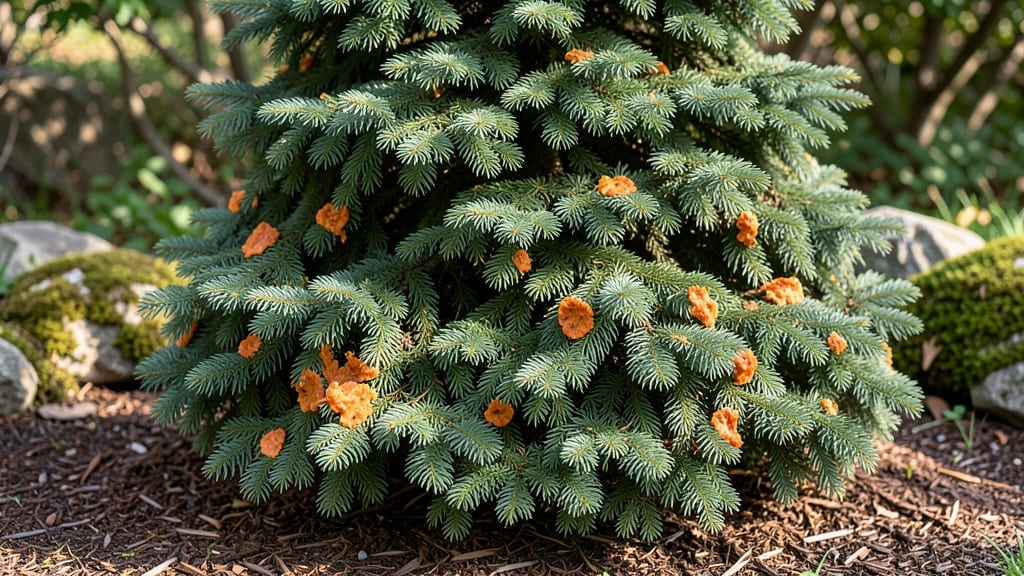
When you spot that strange orange growth on your cedar tree, don’t panic—it’s a common sign your tree is fighting back against fungal invaders like cedar apple rust. 🌱 I’ve seen this bright orange mess turn into a full-blown crisis when ignored, but with the right approach, you can restore your tree’s health and stop the spread.
The key is acting fast before it weakens the branches or drops needles.
Most of the time, this orange growth appears as gelatinous pustules on needles or branches, especially in spring. It’s not just unsightly—it can stunt growth and make your tree more vulnerable to pests.
You’ll need basic tools: sharp pruning shears, a bucket for debris, and either a fungicide or natural remedies like neem oil. The good news? Healthy cedars bounce back quickly once you remove infected parts and treat the tree properly.
Start by pruning away any branches with heavy orange growth, cutting back to healthy wood. Then apply a fungicide (like copper-based sprays) or neem oil to prevent recurrence. Repeat treatments every 2-3 weeks until new growth appears clean.
Within a few months, your tree should look refreshed, with fewer signs of infection and stronger resistance to future outbreaks.
Prevention is easier than cleanup—keep your cedar well-watered but not soggy, and avoid overhead watering. If you live in an area with high rust activity, consider preventative sprays in early spring. With these steps, your cedar can stay lush and disease-free for years to come.
📚 In This Guide
- What you need
- Instructions
- Tips and common mistakes
- Wrapping up and next steps
What you need
- ● Safety gear: Nitrile or rubber gloves (1 pair) – Protects against fungal spores and sap.
- ● Safety goggles (1 pair) – Shields eyes from debris or splashing solutions.
- ● Diagnostic tools: Handheld magnifying glass (5x–10x) – Helps identify fungal structures like spores or fruiting bodies.
- ● Smartphone with a macro camera or a fungal identification app (e.g., PictureThis, PlantSnap).
- ○ Moisture meter (optional but helpful) – Checks soil hydration levels (0–100% range).
- ● Treatment supplies: Fungicide labeled for cedar trees (e.g., copper fungicide, neem oil, or potassium bicarbonate). Check the label for active ingredients like copper hydroxide or myclobutanil.
- ● Spray bottle (16 oz) or garden sprayer (1–3 gallon capacity) – For applying fungicide evenly.
- ● Pruning shears (bypass type, sharp and sterilized) – For removing infected branches (disinfect blades with 70% isopropyl alcohol between cuts).
- ● Heavy-duty trash bags (2–3 bags) – For disposing of pruned, infected branches.
- ● Cleanup & prevention: Rake or leaf blower – Clears fallen debris from the tree base.
- ○ Wood ash or mulch (optional) – Improves drainage around the tree base (avoid piling mulch directly against the trunk).
- ● Soil test kit – Ensures pH and nutrient balance (ideal pH for cedars: 6.0–7.0).
- ● Hose with adjustable nozzle – For rinsing tools or diluting fungicide solutions.
- ● Camera or sketchbook – Documents the infection’s progression for future reference.
- ● Local extension service contact – For expert advice if the issue persists.
How to identify and treat orange fungal growth on cedar trees
Here’s how I tackle the telltale orange patches—no guesswork, just clear steps.
🌱 Step 1: Confirm It’s a Fungal Issue
First, rule out other causes. Orange growth on cedars is usually cedar apple rust or orange peel fungus, both fungal. Look for bright orange, jelly-like patches on needles or branches. If the spots are powdery or white, it’s likely a different issue like powdery mildew. Rub a small patch gently—fungal growth often leaves a sticky residue.
Check the undersides of branches too. Rust spores often appear there first. If you spot puffball-like structures (telial horns) in spring, that’s a dead giveaway for cedar apple rust. Take a sample to your local extension office if you’re unsure—sometimes what looks like fungus isn’t.
💧 Step 2: Prune Infected Branches Properly
Use sterilized pruning shears (wipe blades with rubbing alcohol between cuts) to remove branches with orange growth. Cut 6 inches below the last visible sign of infection—fungus spreads invisibly through branches. Bag the clippings immediately and dispose of them in the trash (not compost).
I always prune on a dry, sunny day—this helps wounds dry faster and reduces secondary infections. Avoid pruning when the tree is wet or during rainy seasons. After cutting, seal larger wounds with pruning sealant (optional but helpful for thick branches over ½ inch in diameter).
☀️ Step 3: Apply Fungicide at the Right Time
For cedar apple rust, apply a copper-based fungicide (like copper sulfate) in early spring before buds swell, and again after pruning. Follow label instructions—overapplying won’t help and can harm the tree. For orange peel fungus, a sulfur fungicide works best, applied when the tree is dormant (late fall or early winter).
Spray thoroughly, covering both upper and lower surfaces of branches and needles. Reapply every 2-4 weeks during wet seasons or after heavy rains. If you’re dealing with a severe infestation, consider a systemic fungicide (like propiconazole) for deeper protection. Always wear gloves and a mask when handling chemicals.
✂️ Step 4: Boost Tree Health to Prevent Recurrence
Fungal growth thrives on stressed trees. Water deeply once a week (unless it rains) to encourage strong roots—cedars hate soggy soil but need consistent moisture. Mulch the base with 2-3 inches of organic mulch (like shredded bark) to retain moisture and block spores from splashing up during watering.
Fertilize in early spring with a balanced, slow-release fertilizer (10-10-10 ratio). Avoid high-nitrogen fertilizers—they promote soft, fungus-prone growth. Also, thin the canopy slightly if branches are crowded; better airflow reduces humidity, which fungi love. Prune for sunlight exposure—cedars need full sun to partial shade.
Tips & tricks for treating cedar tree fungal growth
Real talk: The difference between saving your cedar and losing it often comes down to these small but critical details.
Timing Secret: In Step 1, when checking for fungal growth, don't just look at the tops of branches. I've seen cedar apple rust completely missed because people ignored the undersides—those puffball-like structures are your dead giveaway. Grab a magnifying glass if needed, especially in spring when spores are most active. This one step prevents misdiagnosis that could cost you weeks of treatment.
Pruning Precision: That 6-inch rule in Step 2 isn't arbitrary—it accounts for how fungus spreads invisibly through the branch tissue. I once cut too close to the visible spot and saw new orange patches appear within weeks. Also, sterilizing your tools between cuts matters more than you'd think. I keep rubbing alcohol in my pruning kit and use it religiously to prevent cross-contamination between branches.
Fungicide Application: When applying copper-based fungicide in Step 3, focus on the undersides of branches first—they're where spores hide. I use a backpack sprayer for large trees because it gives me better coverage. And here's what nobody tells you: If you're dealing with severe infestation, split the application into two rounds—first on the trunk and larger branches, then on the smaller limbs. This ensures even coverage without wasting product.
Preventive Care: That 2-3 inches of mulch in Step 4 isn't just for looks. I've seen cedars recover completely when given proper care, but only after fixing the root issues. The mulch creates a moisture barrier that prevents spores from splashing up during watering. Pro tip: Use shredded bark mulch specifically—it breaks down slowly and improves soil structure over time, which cedars actually prefer over fast-decomposing mulches.
Pro Tips for Orange Growth On Cedar Tree
- Real talk: The difference between saving your cedar and losing it often comes down to these small but critical details.
- Timing Secret: In Step 1, when checking for fungal growth, don't just look at the tops of branches.
- Pruning Precision: That 6-inch rule in Step 2 isn't arbitrary—it accounts for how fungus spreads invisibly through the branch tissue.
Frequently asked questions
Got questions about that mysterious orange growth on your cedar tree?
You’re not alone! Here are some of the most common concerns—and answers—to help you tackle the issue like a pro.
What causes orange growth on cedar trees?
The bright orange fuzzy patches you’re seeing are likely Cedar Apple Rust (caused by the Gymnosporangium juniperi-virginianae fungus) or Cedar Quince Rust. These fungi need both a juniper (cedar) host and an apple or quince tree to complete their life cycle. Without the second host, the orange spores won’t spread further, but they’ll still look unsightly!
When is the best time to treat orange growth on cedar trees?
Act fast! Treat your cedar tree in early spring (March–April) or late fall (October–November) before the fungus releases its spores. Avoid summer treatments—spores are most active then, and fungicides won’t be as effective. If you spot it mid-season, focus on pruning infected branches immediately to limit spread.
Should I prune branches with orange growth?
Yes! Use sterilized pruners to cut off infected branches at least 6 inches below the orange growth. Bag and dispose of the clippings (don’t compost them!). Prune on a dry day to prevent spore spread, and clean your tools with rubbing alcohol before and after to avoid cross-contamination.
Will fungicides work, or is pruning enough?
Pruning alone may not stop future outbreaks, but it’s a great first step. For stubborn cases, apply a copper fungicide (like Copper Sulfate) or a systemic fungicide (e.g., Propiconazole) in early spring. Follow label instructions carefully—overuse can harm beneficial microbes. Reapply if rain washes it off, but avoid spraying during wet conditions.
Can I save my cedar tree if the orange growth keeps coming back?
Don’t panic! While cedar trees are resilient, repeated infections can weaken them over time. Combine pruning, fungicides, and cultural care (like improving drainage and spacing trees properly). If the tree is young or healthy, it’ll bounce back. For older or severely affected trees, consult an arborist to assess long-term health.
Wrapping up and next steps
If you’ve spotted orange growth on your cedar tree, don’t panic—you’re now armed with the knowledge to tackle it! Whether it’s cedar-apple rust, sphaeropsis tip blight, or another fungal issue, early action can save your tree.
Start by pruning affected branches, applying the right fungicides, and maintaining good tree health to prevent future outbreaks.
🌱 Next step: Grab your tools, follow the steps, and give your cedar tree the care it deserves. With patience and consistency, your tree will thrive again—promise!