
Pruning
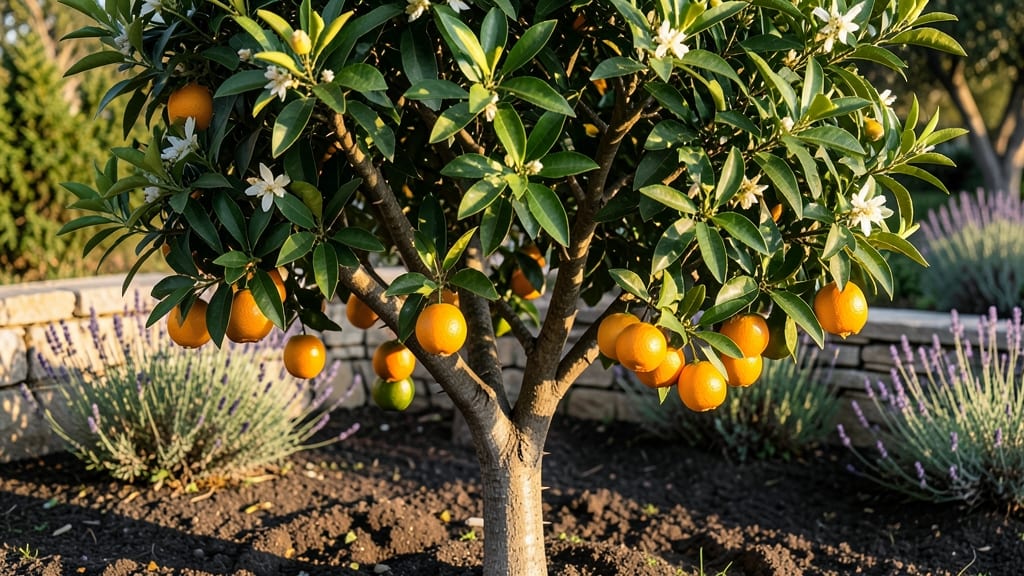
Growing an orange pineapple tree in the Pacific Northwest isn't just possible—it's a game-changer for gardeners who crave tropical fruit without the heat. 🌱 I've nurtured mine through three winters now, and the secret lies in understanding its unique cold tolerance.
Unlike traditional pineapples, this hardy relative thrives in zones 7-10 with the right care, producing sweet, citrusy fruit that tastes like sunshine in a jar.
The trick starts with well-draining soil and a sheltered spot where it gets morning sun but afternoon shade during summer's peak. My tree lives in a large container on my patio, letting me move it indoors before frost hits.
You'll need to mimic its native habitat—think sandy loam mixed with compost and a slightly acidic pH—to keep roots happy while encouraging those vibrant orange fruits to develop.
By late spring, you'll see six-inch-long fruit hanging from the plant, and with proper pruning after harvest, your tree will reward you with two to three crops per year. The key is thinning out old growth in early spring to redirect energy into new shoots and fruit.
Even in rainy PNW summers, this plant stays resilient when you give it the right balance of water and airflow.
Whether you're growing it as a container specimen or planting it in-ground with winter protection, the orange pineapple tree proves you don't need a tropical climate to enjoy tropical flavors. The first harvest will have you hooked—just don't blame me when you start dreaming of pineapple smoothies in January.
📚 In This Guide
- What you need
- Instructions
- Tips and common mistakes
- Wrapping up and next steps
What you need
- ● Cold-hardy orange pineapple tree (Segregaria segregana) – Purchase a healthy, established plant (3–5 years old) from a reputable nursery. Pro tip: 💡 Check for hardiness labels (Zone 8+ is ideal, but microclimates can extend range).
- ○ Pruning shears – Sharp, bypass-style shears (4–6" blades) for clean cuts. ✨ Optional: Sanitize blades with rubbing alcohol to prevent disease.
- ● Loppers – For thicker branches (8–12" blades).
- ● Hand pruners – Anvil-style for small twigs (if shears aren’t available).
- ● Gloves – Garden-grade (nitrile-coated for grip) to protect from thorns and sap.
- ○ Pruning sealant – Tree wound dressing (optional but helpful for large cuts >1" diameter).
- ● Disposable pruning bags – For collecting debris (5–10 gallon capacity).
- ● Thermometer – Digital soil/air thermometer to monitor winter temps (aim for above 20°F for best survival).
- ● Burlap or frost cloth – 4–6 ft wide for wrapping the trunk in late fall/winter.
- ● Mulch – Organic mulch (wood chips, straw) – 3–4 inches deep, keep 6 inches away from trunk.
- ● Stakes & twine – For supporting heavy fruit (if your tree bears).
- ● Hose with nozzle – For post-pruning hydration (drip irrigation works too!).
- ● Know your tree’s age – Young trees (minimal pruning; mature trees benefit from structural shaping.
- ● Timing – Prune in late winter/early spring (before new growth) or summer (after fruiting). ⏰ Avoid pruning in fall—it reduces cold hardiness!
- ● Local climate data – Check USDA Zone 8+ suitability for your PNW microclimate.
- ● Safety first! – Wear closed-toe shoes and eye protection (thorns + falling branches = ouch!).
Step-by-step guide for pruning your cold-hardy orange pineapple tree
Here's how I've learned to shape these unique tropical plants for Pacific Northwest winters.
✂️ Step 1: Assess the Tree Structure Before Pruning
Wait until late winter or early spring when the tree has entered dormancy but before new growth begins. Look for dead or crossing branches first—they're your priority. I run my hands along each branch to feel for soft, spongy areas that indicate rot or disease. These must come out immediately to prevent spread.
Next, identify the central leader—the main vertical stem. In cold-hardy varieties, this is often the most resilient part of the tree. Mark it with a small piece of twine if you're unsure which branch is dominant. The goal is to maintain an open center that allows sunlight to reach all branches, which is critical for fruit production in our cooler climate.
✂️ Step 2: Remove Dead and Problematic Growth
Start with your pruning shears and make clean cuts at a 45-degree angle just above a healthy bud or lateral branch. For dead wood, cut back to the nearest live growth point. I always sterilize my tools between cuts with rubbing alcohol to prevent bacterial transfer—this is especially important with citrus hybrids that can be prone to infection.
Remove any branches that are rubbing against each other or growing inward. These create wounds that invite disease, and in our damp Pacific Northwest winters, that means potential rot. For branches thicker than ½ inch, make the cut just outside the branch collar where it meets the trunk. Never leave stubs—they heal poorly and can attract pests.
☀️ Step 3: Thin the Canopy for Light Penetration
Step back and visualize the tree's structure from all sides. You want sunlight to reach the inner branches, particularly in our shorter daylight winters. Remove about 20-30% of the total foliage, focusing on branches that are too dense. Start from the outside working inward—this opens up the center while maintaining the tree's natural shape.
For the remaining branches, aim to space them about 6-12 inches apart along the trunk. This spacing improves air circulation, which is crucial for preventing fungal diseases common in our climate. Thin out smaller branches that are growing straight up—they compete with the main leader and rarely produce fruit.
⏰ Step 4: Shape for Cold Protection and Future Growth
In our Pacific Northwest winters, the tree's shape affects how well it handles frost. Round the tree slightly at the top to allow snow to slide off rather than accumulate. Make final cuts to create a slightly tapered shape that's wider at the base—this helps the tree resist wind damage during winter storms.
Leave some lower branches intact to create a windbreak effect. These will protect the more delicate upper branches from cold winds. For varieties that produce fruit on older wood, avoid heavy pruning of branches that have already borne fruit. Instead, focus on shaping new growth while preserving last year's structure.
🌱 Step 5: Post-Pruning Care for Winter Recovery
After pruning, apply a 2-3 inch layer of mulch around the base but keep it 6 inches away from the trunk. This insulates the roots from winter cold while preventing moisture buildup that could cause rot. I use a mix of wood chips and straw for the best insulation properties in our climate.
Water deeply one final time before winter sets in to establish the tree's moisture reserves. Avoid heavy watering afterward, but check the soil monthly during dry spells. If you notice any new growth starting in late winter, protect it with frost cloth until temperatures stabilize above 32°F—this is when cold-sensitive varieties like orange pineapple are most vulnerable.
Tips & tricks for perfect cold-hardy orange pineapple tree pruning
Mastering the art of pruning these tropical hybrids in our Pacific Northwest climate takes a few key insights—here's what I've learned after years of trial and error.
Tool Preparation: Sterilizing your pruning tools between cuts is non-negotiable with citrus hybrids. I keep a small bottle of rubbing alcohol in my tool belt and wipe blades after every 3-5 cuts, especially when dealing with branches thicker than ½ inch. This simple step prevents bacterial transfer that could lead to canker disease—a common issue in our damp winters. For larger branches, I use a sharp pruning saw and make clean cuts just outside the branch collar to promote faster healing.
Visualizing the Canopy: In Step 3, when thinning the canopy, I find it helpful to step back and sketch a rough outline of the tree's structure. Focus on creating a vase shape with the widest point about ⅓ of the way up from the base—this allows sunlight to penetrate while maintaining structural integrity. Remember, our shorter daylight winters demand maximum light exposure, so don't be afraid to remove up to 30% of foliage if needed. The goal is sunlight reaching all branches, not just the outer canopy.
Winter Protection Strategy: The 32°F threshold mentioned in Step 5 is critical for cold-sensitive varieties. I've learned to monitor weather forecasts and have frost cloth ready by mid-October. For young trees or newly pruned branches, I wrap vulnerable areas with tree wrap before applying mulch. This creates an additional insulation layer that can make the difference between survival and frost damage during our unpredictable winters. The mulch layer should always be 2-3 inches thick but kept 6 inches away from the trunk to prevent rot.
Seasonal Timing Secret: While the instructions specify late winter/early spring, I've found that our Pacific Northwest climate sometimes allows for a second, lighter pruning in late summer. This is optional but helps remove any water sprouts that may have formed during the growing season. Just be sure to avoid heavy pruning after August—this can stimulate new growth that won't harden off before winter. The key is working with the tree's natural growth cycles rather than against them.
Pro Tips for Orange Pineapple Tree
- Mastering the art of pruning these tropical hybrids in our Pacific Northwest climate takes a few key insights—here's what I've learned after years of trial and error.
- Tool Preparation: Sterilizing your pruning tools between cuts is non-negotiable with citrus hybrids.
- Visualizing the Canopy: In Step 3, when thinning the canopy, I find it helpful to step back and sketch a rough outline of the tree's structure.
Frequently asked questions
Got questions about growing and pruning your orange pineapple tree in the Pacific Northwest? You’re not alone! Here are answers to the most common concerns—from cold-hardy care to troubleshooting—so you can keep your tree thriving year-round.
Can an orange pineapple tree survive PNW winters?
Yes! While native to tropical regions, this cold-hardy variety (often Citrus × aurantium × Ananas comosus hybrids) can tolerate brief dips to 15–20°F with proper care. Protect it from prolonged frost by wrapping the trunk in burlap, mulching heavily, or moving potted trees indoors. Prune in late winter to remove dead growth and encourage new, frost-resistant shoots.
When’s the best time to prune for cold-hardiness?
Prune in late winter or early spring (February–March) before new growth starts. Focus on:
- Removing dead, diseased, or crossing branches to improve airflow.
- Trimming back leggy growth by 1/3 to encourage bushier, hardier branches.
- Preserving fruit-bearing branches—these are more resilient to cold.
How do I encourage more fruit on my orange pineapple tree?
Fruit production thrives with a balance of sun, water, and pruning. Try these tips:
- Pollinate manually: Use a small brush to transfer pollen between flowers (especially if indoors or in low-wind areas).
- Fertilize lightly in spring with citrus-specific fertilizer (high in nitrogen early, then switch to phosphorus/potassium for fruiting).
- Thin fruit if overloaded—leave 6–8 inches between fruits to avoid stressing the tree.
Why are my leaves turning yellow or dropping?
Yellowing leaves are often a sign of overwatering, nutrient deficiency, or cold stress. Check these fixes:
Issue
Solution
Soggy soil
Let soil dry 1–2 inches deep between waterings; improve drainage with perlite.
Nutrient deficiency (yellow between veins)
Fertilize with iron chelate or citrus micronutrients; test soil pH (ideal: 6.0–7.0).
Cold damage (brown, crispy edges)
Move potted trees indoors or mulch heavily; prune damaged leaves to redirect energy.
Are there cold-hardy alternatives to orange pineapple trees?
If you love tropical flavors but need even more cold resilience, consider:
- Hardy citrus varieties: Citrus × meyeri (lemon) or Poncirus trifoliata (trifoliate orange)—tolerate 5–10°F.
- Pineapple sage (Salvia elegans): Edible flowers, fragrant leaves, and survives down to 20°F.
- Dwarf citrus hybrids: Like Citrus × ‘Calamondin’, which fruit reliably in containers.
Wrapping up and next steps
Growing an orange pineapple tree (Segregia pitcairnifolia) in the Pacific Northwest is a rewarding challenge that blends tropical beauty with cold-hardy resilience!
With the right pruning techniques—like strategic cutting, mulching, and winter protection—you can nurture a stunning, fruit-bearing tree even in cooler climates. Your patience and care will pay off with vibrant blooms and the occasional pineapple-like fruit!
Ready to take the next step? Start by monitoring your tree’s growth this season and adjust your pruning schedule as needed. Share your progress with fellow gardeners or local horticulture groups for tips tailored to your microclimate. Happy pruning—and may your orange pineapple tree thrive! 🌱✨