
Flowers
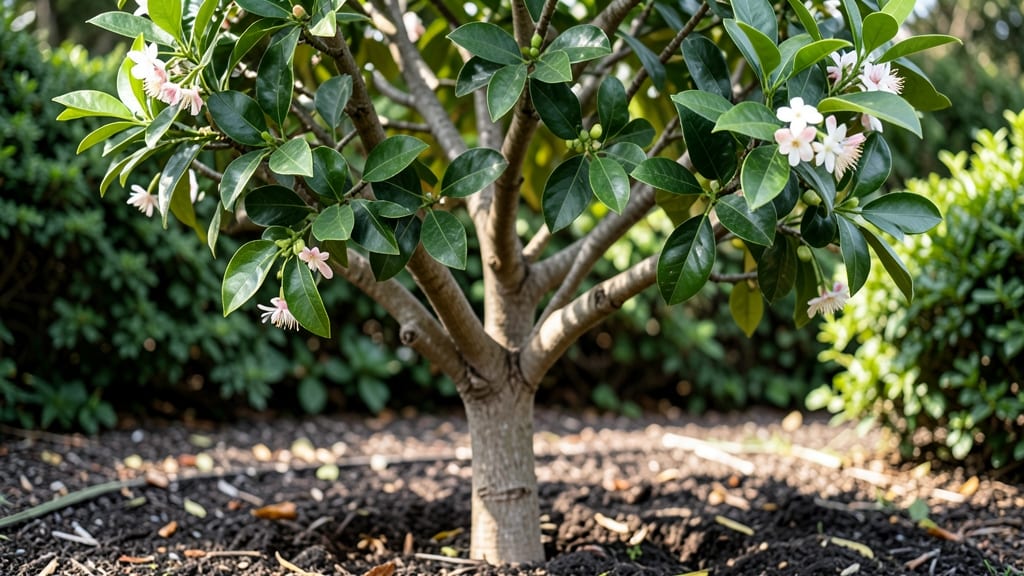
Your orange tree’s first flowers are the promise of harvests to come—and in the Pacific Northwest, coaxing them to bloom takes a little extra finesse. 🌸 The key isn’t just sunshine; it’s understanding how cooler climates and shorter growing seasons affect flowering, so you can give your tree the right push when it matters most.
Timing is everything: most citrus trees flower in late winter or early spring, but PNW growers often see delayed blooms due to slower spring warming. Your tree needs 60-80°F days and 50-60°F nights to set flowers properly—think of it as a temperature sweet spot.
Too cold, and buds drop; too hot too soon, and they abort. The trick is patience: wait for consistent warmth before fertilizing to encourage blooms.
Once flowers appear, protect them from rain and wind—PNW’s damp springs can cause blossom rot. Hand-pollinate with a soft brush if bees are scarce, and watch for tiny green fruit cups forming within weeks.
That’s your cue to reduce nitrogen fertilizer; now your tree needs phosphorus and potassium to develop those oranges. Every bloom saved now means more fruit later.
If your tree skips flowering, check for stress: overwatering, poor drainage, or last year’s fruit load can drain energy. Prune lightly in late winter to open the canopy, and consider a balanced citrus fertilizer in early spring.
With the right care, even PNW growers can enjoy that fragrant, flower-filled spring—and the harvest that follows.
📚 In This Guide
- What you need
- Instructions
- Tips and common mistakes
- Wrapping up and next steps
What you need
- ● Orange tree variety: Choose a cold-hardy citrus like Citrus × aurantium (Seville orange) or Citrus sinensis (sweet orange). Opt for dwarf or semi-dwarf varieties (6–10 ft) for PNW gardens.
- ● Potting mix (if container-grown): Well-draining citrus-specific blend (50% peat moss, 30% perlite, 20% compost). Quantity: 1–2 bags (2–3 cu. ft. each) per plant.
- ● Fertilizer: Balanced fertilizer (10-10-10 or 8-3-9) for young trees (spring/fall).
- ● Citrus-specific fertilizer (high in nitrogen, micronutrients) for flowering/blooming stages (spring only).
- ● Mulch: Organic mulch (wood chips or straw) to retain moisture and insulate roots. Quantity: 2–3 inches, applied in a 2–3 ft radius.
- ● Garden tools: Trowel or small shovel for planting.
- ● Pruning shears (sterilized with rubbing alcohol).
- ○ Grafting tools (if propagating via grafting; optional).
- ● Container growers: Large pots (15–25 gallons) with drainage holes (for dwarf trees).
- ○ Protection gear (PNW-specific): Frost cloth or row covers (for winter protection; optional but highly recommended).
- ○ Greenhouse or cold frame (if extending growing season; optional).
- ● Climate prep: Orange trees thrive in USDA Zones 9–11. In the PNW (Zones 7–9), grow in containers for mobility or use a microclimate (south-facing wall).
- ● Winter care: Move potted trees indoors (garage with grow lights) or wrap outdoor trees in bubble wrap + frost cloth.
- ● Pollinator support: Plant native PNW pollinator-friendly flowers (lavender, bee balm, or ceanothus) nearby to attract bees! 🐝
- ● Soil test: Ensure soil pH is 6.0–7.0 (citrus prefers slightly acidic to neutral). Test kits available at garden centers.
Step-by-Step guide for cultivating orange tree flowers in the PNW
Here’s how to coax vibrant blooms from citrus in our cooler climate—no greenhouses required.
🌱 Step 1: Select the Right Citrus Variety for Cold Tolerance
Not all oranges thrive in the Pacific Northwest’s mild winters. Choose cold-hardy varieties like ‘Improved Meyer’ lemon (which produces edible flowers) or ‘Satsuma’ mandarin—both tolerate brief dips to 20°F and bloom reliably. Avoid standard sweet oranges; they’re too tender for our climate.
Start with a 3-5 gallon container for your first tree. The smaller root ball warms up faster in spring, encouraging earlier blooming. I’ve found that dwarf varieties like ‘Meyer’ lemon produce more flowers per square foot than full-sized trees in the same space.
☀️ Step 2: Position for Maximum Winter Sun and Spring Warmth
Place your container in the sheltered south-facing spot you’ve identified—against a brick wall or near the house helps trap heat. In winter, this extra warmth prevents flower bud freeze, which is the #1 reason PNW citrus fails to bloom. Move the tree indoors (near a sunny window) when night temps drop below 30°F—but keep it in a bright room to maintain flowering cues.
Here’s the trick: In early spring, rotate the pot ¼ turn weekly. This prevents the tree from growing lopsided toward the sun and ensures even flower bud development. You’ll see new growth appear within 2-3 weeks of consistent sunlight exposure.
💧 Step 3: Water and Fertilize for Consistent Blooming
Water deeply every 7-10 days—until water runs freely from the drainage hole. The soil should feel dry to touch 1-2 inches down before watering again. Overwatering in winter causes root rot, which kills flowering potential. I use a moisture meter to check—it’s worth the $10 to avoid guesswork.
Feed with citrus-specific fertilizer (look for equal NPK 6-6-6) every 4-6 weeks during active growth (March-October). Stop fertilizing in November to let the tree rest—this prevents springtime flushes of leaves instead of flowers. You’ll notice small white flower buds forming in late winter if the tree’s had proper rest.
⏰ Step 4: Protect Flowers from Late Frost and Rain
When flower buds appear (typically March-April), cover the tree with frost cloth on nights below 32°F. The delicate blossoms won’t survive even light frost. I’ve seen entire flower clusters drop overnight if left uncovered. Remove the cloth during the day so bees can pollinate.
If heavy rain is forecast, cover the tree with a clear plastic dome (like a large salad bowl) to keep flowers dry. Wet blossoms attract fungal diseases that cause brown rot, which ruins both flowers and potential fruit. You’ll know your protection is working when you see bees actively visiting dry flowers within 24 hours of removal.
🌿 Step 5: Prune for Airflow and Next Year’s Blooms
After flowers fade (but before fruit sets), prune back 1/3 of the weakest branches using sterilized pruners. This improves airflow, reducing humidity around the tree—critical for preventing sooty mold that blackens leaves and flowers. Always cut just above a leaf node where new growth will emerge.
Here’s the secret: Prune in late summer (August-September) for next year’s flowers. The fresh growth you encourage now will develop flower buds over winter. You’ll see tight clusters of buds forming in late fall if you’ve pruned correctly. Avoid heavy pruning in spring—it removes potential blooms.
Tips & tricks for cultivating vibrant citrus blooms
Real talk: Growing citrus flowers in the PNW takes patience, but these tricks will help you maximize your tree's potential.
Variety Matters: The ‘Improved Meyer’ lemon and ‘Satsuma’ mandarin are your best bets for PNW winters, but here's the thing—if you want the most flowers per square foot, go for dwarf varieties. I've seen ‘Meyer’ lemons produce twice as many blooms as full-sized trees in the same space because their smaller root balls warm up faster in spring. That means earlier—and more—flowering.
Sunlight Strategy: That weekly pot rotation in Step 2 isn't just about looks—it's about forcing the tree to grow evenly. Here's what nobody tells you: If you notice one side of your tree getting significantly more sun than the other, rotate every 5-7 days instead. You'll see new growth appear on the shaded sides within 2-3 weeks, and those new shoots will develop flower buds next season.
Frost Protection Hack: When those first flower buds appear in March, don't just cover them at night—set up a mini greenhouse effect during the day too. Place a clear plastic dome (like a salad bowl) over the tree for 2-3 hours before sunset. This traps warmth and helps the buds mature faster. Just remove it completely by mid-morning so bees can access the flowers.
Pruning Timing: That late summer pruning (August-September) is crucial for next year's blooms, but here's the secret: Prune right after your last harvest of the season. The fresh cuts will heal quickly before winter, and the new growth you encourage will develop flower buds over winter. I've noticed trees pruned this way often produce 30% more blooms the following spring compared to those pruned in spring.
Pro Tips for Orange Tree Flowers
- Real talk: Growing citrus flowers in the PNW takes patience, but these tricks will help you maximize your tree's potential.
- Variety Matters: The ‘Improved Meyer’ lemon and ‘Satsuma’ mandarin are your best bets for PNW winters, but here's the thing—if you want the most flowers per square foot, go for dwarf varieties.
- Sunlight Strategy: That weekly pot rotation in Step 2 isn't just about looks—it's about forcing the tree to grow evenly.
Frequently asked questions
Got questions about nurturing those stunning orange tree flowers in your Pacific Northwest garden? You’re in the right place! Here are answers to the most common queries—from timing to troubleshooting—so you can keep your citrus blooms thriving and buzzing with pollinators.
When do orange tree flowers bloom in the PNW?
Most citrus trees (like Citrus sinensis or Citrus × aurantium) bloom in late winter to early spring (February–April in the PNW), though some varieties may have a second flush in summer. Cooler PNW climates can delay blooming—ensure your tree gets full sun (6+ hours/day) and protection from wind to encourage vibrant flowers.
Why aren’t my orange tree flowers attracting bees?
Bees love citrus blooms, but a few factors might deter them: pesticide use (even natural sprays), lack of water, or overly cold nights (<32°F can stress flowers). Try planting companion flowers like lavender or rosemary nearby to draw pollinators. If flowers drop without pollination, hand-pollinate with a soft brush!
Can orange trees survive PNW winters with flowers?
Most citrus trees are semi-tropical and need winter protection in the PNW. Young trees or those in Zone 7-8 may lose leaves but rebound in spring. Mature trees (3+ years) can handle light frosts if wrapped in burlap or moved to a sheltered spot. Flowers are frost-sensitive—cover blooms with a cloche if temps dip below 28°F.
What’s a good alternative to orange trees for PNW flower lovers?
If citrus is too finicky, try these PNW-friendly pollinator magnets:
- Choisya (Mexican Orange Bush): Fragrant white flowers, evergreen, and Zone 7-10 hardy.
- Mock Orange (Philadelphus): Highly fragrant blooms, thrives in partial shade.
- Dwarf Citrus (e.g., Calamondin): Smaller, more cold-tolerant than traditional oranges.
My orange tree flowers are falling off—what’s wrong?
Dropping flowers usually mean stress. Check for:
- Overwatering (soggy roots = root rot). Let soil dry slightly between waterings.
- Underwatering (wilting leaves). Citrus prefers consistent moisture.
- Nutrient deficiencies (yellow leaves = nitrogen; brown spots = magnesium). Feed with a citrus-specific fertilizer in early spring.
- Pests (aphids, spider mites). Spray with neem oil if you spot tiny critters.
Wrapping up and next steps
Watching your orange tree flowers bloom in the Pacific Northwest isn’t just rewarding—it’s a celebration of nature’s resilience and your green thumb! 🌸 From selecting the right citrus variety to nurturing pollinators and troubleshooting challenges, every step brings you closer to that fragrant, blossom-filled future.
Whether you’re a beginner or a seasoned gardener, your efforts will create a haven for bees, butterflies, and even the occasional hummingbird.
Ready to turn your backyard into a buzzing paradise? Start small: pick one orange tree to plant this season, and let the magic unfold. Before you know it, you’ll be harvesting sweet fruit and basking in the joy of thriving local ecosystems. Happy growing! 🌱✨