
Fertilization
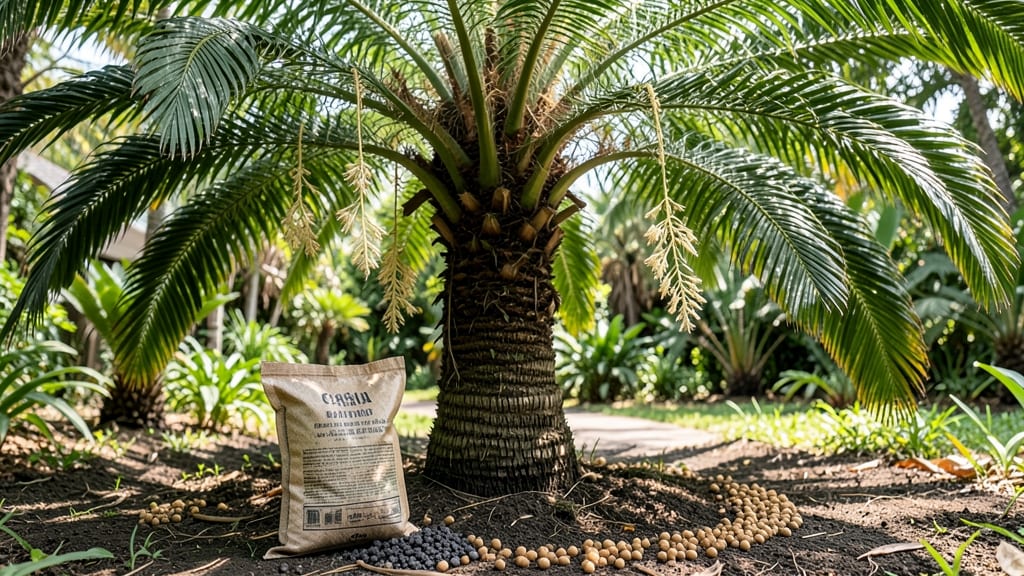
That nutrient-packed palm tree food fertilizer turned my lackluster palms into sky-grabbing giants—now they’ve got serious growth goals. 🌴 The right mix isn’t just about nitrogen or potassium; it’s about feeding the roots. while keeping the fronds vibrant and the trunk sturdy.
Most people overdo it, burning the roots with too much salt, but the secret is balance: slow-release organic matter for steady growth and quick-absorbing minerals for that extra oomph during heatwaves.
You’ll need a fertilizer labeled for palms or tropical plants—look for a 3-4-3 or 6-4-4 ratio (nitrogen-phosphorus-potassium) with added magnesium and micronutrients. Organic options like fish emulsion or composted manure work wonders, but synthetic blends give faster results when your palm’s looking tired.
I’ve seen dramatic turnarounds in just 6-8 weeks with the right feeding schedule, especially after winter when growth slows down.
The payoff? Fronds that stay deep green and glossy, not yellowing at the edges, and new shoots popping up where there were gaps before. You’ll notice the difference in how the tree holds itself—no more leaning or drooping, just strong, upright growth.
The key is consistency: feed every 4-6 weeks during growing season, then taper off in fall and winter when the tree’s resting.
Works for both potted palms and in-ground trees, though container plants need more frequent feeding since nutrients wash out faster. Here’s how to avoid the common mistakes that turn lush growth into fertilizer burnout—starting with the soil test you should do before applying anything.
📚 In This Guide
- What you need
- Instructions
- Tips and common mistakes
- Wrapping up and next steps
What you need
- ● 1 part well-rotted cow manure (or composted chicken manure for a nitrogen boost)
- ● 1 part compost (homemade or store-bought, organic)
- ● 1 part peat moss or coconut coir (for moisture retention and aeration)
- ● ½ part sand or perlite (to improve drainage—opt for coarse sand)
- ● 1 tbsp per gallon Epsom salt (magnesium sulfate) (essential for palm tree health!)
- ● 1 tsp per gallon superphosphate or bone meal (for phosphorus)
- ● 1 tsp per gallon potassium sulfate or greensand (for potassium)
- ● 1 cup per gallon water (for mixing)
- ● Garden gloves (to protect your hands from sharp materials)
- ● Large mixing container or wheelbarrow (5+ gallons capacity)
- ● Garden fork or trowel (for mixing and aerating)
- ● Measuring cups/spoons (for precision in ingredients)
- ● Watering can or hose with spray nozzle (for application)
- ● Banana peels or coffee grounds (for extra potassium and nitrogen)
- ● Wood ash (sparingly!) (adds potassium but avoid overuse—test soil pH first)
- ● Seaweed extract or liquid kelp (boosts micronutrients and growth hormones)
- ● Slow-release fertilizer pellets (mix in for long-term nourishment)
How to create a nutrient-packed palm tree fertilizer blend
This fertilizer mix will give your palms the exact nutrients they crave for vibrant, healthy growth.
🌿 Step 1: Gather the Core Nutrient Sources
Palms thrive on a balanced blend of nitrogen, phosphorus, and potassium, plus micronutrients like magnesium and iron. Start with 1 cup of well-aged compost—this provides organic matter and slow-release nutrients. Add ½ cup of bone meal for phosphorus, which supports strong root development and flowering. For potassium, mix in ¼ cup of greensand or kelp meal, both of which also contribute trace minerals.
Don’t skip the micronutrients: Sprinkle 1 tablespoon of Epsom salt (for magnesium) and 1 teaspoon of iron sulfate (for chlorophyll production). These might seem small, but palms show deficiencies quickly—yellow fronds often signal magnesium or iron shortages. Store these dry ingredients separately until mixing to prevent clumping.
💧 Step 2: Combine With a Slow-Release Carrier
Palms hate sudden nutrient spikes, so blend everything with 2 gallons of coconut coir or peat moss as a carrier. This keeps the mix aerated and prevents compaction. Moisten the coir slightly with 1 quart of rainwater (chlorine-free) to activate its microbial activity before adding the dry ingredients. Stir gently with a gloved hand—palm fertilizer should feel like damp, crumbly soil, not a paste.
Here’s the thing—if you’ve ever burned palm fronds with over-fertilizing, this slow-release method prevents that. The coir and compost buffer nutrients, letting roots absorb them gradually over 4-6 weeks. For container palms, reduce the carrier to 1 gallon to concentrate nutrients where roots are confined.
☀️ Step 3: Apply at the Right Time and Rate
Spread the finished blend evenly around the drip line (the outer edge of the palm’s fronds) in early spring when new fronds begin unfurling. For mature palms, use ½ cup per foot of trunk diameter, but never exceed 1 pound total per application. Water deeply after applying to help nutrients penetrate the soil. This timing ensures nutrients align with the palm’s growth cycle—skipping this can lead to wasted fertilizer or leaf scorch.
Real talk: Over-fertilizing is the #1 mistake with palms. If you see crispy brown frond tips, you’ve overdone it. Always check soil moisture first—dry soil absorbs nutrients faster than damp soil, leading to root burn. For container palms, flush the soil with water 2 weeks after fertilizing to prevent salt buildup.
✂️ Step 4: Monitor and Adjust for Seasonal Needs
Palms in hot climates need fertilizing twice a year (spring and early fall), while cooler regions benefit from one application in spring. After 3 months, inspect the newest fronds: dark green with no yellowing means your blend worked. If fronds stay pale, add ½ teaspoon of iron chelate to the next application. For palms in sandy soil, mix in 1 cup of composted manure (like cow or horse) to improve nutrient retention.
This is the moment that matters: If your palm develops blackened frond tips or stunted growth, reduce the blend by half next time. Palms are forgiving but not resilient—consistency beats intensity. Store any unused fertilizer in an airtight container away from direct sun to preserve potency.
Tips & tricks for perfect palm tree fertilizer blend
Here's what nobody tells you about creating a nutrient blend that actually works for your palms—without burning them.
Ingredient Quality Matters: That 1 cup of well-aged compost needs to be truly mature—no fresh manure or partially decomposed material. I learned this the hard way after using "aged" compost that was still steaming. Look for compost that's dark, crumbly, and smells earthy (not ammonia-like). For the ½ cup bone meal, use only finely ground versions—coarse particles won't dissolve properly and can clump in the soil. The same goes for greensand: sift it before measuring to ensure even distribution of those potassium-rich granules.
The Slow-Release Secret: The 4-6 week nutrient release window from this blend is why it works better than commercial fertilizers. To maximize this, mix your 2 gallons of coconut coir with the dry ingredients first, then add the rainwater gradually until it reaches the consistency of a damp sponge—not soupy. This prevents nutrient runoff while keeping the mix aerated. For container palms where you reduce to 1 gallon carrier, mix in an extra ¼ cup of compost to compensate for the smaller volume.
Timing is Everything: That early spring application timing in Step 3 isn't arbitrary—it aligns with when palms naturally begin their growth flush. Watch for new fronds unfurling as your cue. In hot climates where you apply twice yearly, schedule the second application in early fall (around September) to support root hardening before winter. Pro tip: If you're in a transitional climate, wait until nighttime temperatures consistently stay above 60°F before applying—cooler soils can shock palm roots.
Storage Wisdom: Any unused blend should be stored in a sealed container with a desiccant packet to prevent moisture buildup. I keep mine in a 5-gallon bucket with a tight lid, wrapped in aluminum foil to block light. The micronutrients like iron sulfate are particularly light-sensitive—exposure to sunlight can degrade their potency within weeks. Label your container with the date mixed; most blends retain effectiveness for 3-4 months when stored properly in cool, dark conditions.
Pro Tips for Palm Tree Food Fertilizer
- Here's what nobody tells you about creating a nutrient blend that actually works for your palms—without burning them.
- Ingredient Quality Matters: That 1 cup of well-aged compost needs to be truly mature—no fresh manure or partially decomposed material.
- The Slow-Release Secret: The 4-6 week nutrient release window from this blend is why it works better than commercial fertilizers.
Frequently asked questions
Got questions about using palm tree food fertilizer? You’re in the right place! Here are some of the most common concerns—plus quick, actionable answers to keep your palm thriving.
What’s the best time of year to fertilize my palm tree?
Feed your palm twice a year: once in early spring (when new fronds emerge) and again in late summer (after the heatwave). Avoid fertilizing during winter dormancy or after transplanting—give roots time to establish first! For tropical palms, a light monthly dose in warm months can help.
Can I use regular fertilizer on my palm tree, or do I need a special blend?
While general-purpose fertilizers (like 6-6-6) can work, palm trees thrive best with a low-nitrogen, high-potassium, and magnesium-rich formula (e.g., 8-3-9 or 6-4-8). Look for blends with iron, manganese, and zinc to prevent yellow fronds. Pro tip: Slow-release fertilizers reduce burn risk!
How often should I water after applying palm tree fertilizer?
Water deeply before and after applying fertilizer to help nutrients absorb into the soil. Aim for 1–2 inches of water per week (more in extreme heat). Avoid overwatering—soggy soil can leach nutrients away and invite root rot. Test soil moisture by sticking your finger 2 inches down; if dry, water again.
My palm fronds are turning yellow/brown—did I over-fertilize?
Yellow/brown fronds often signal fertilizer burn (too much salt) or nutrient imbalance. Fix it:
- Flush the soil with water (6–8 inches) to leach excess salts.
- Apply compost or peat moss to improve soil structure.
- Switch to a diluted fertilizer (half the recommended dose) for 2–3 months.
Are there natural alternatives to palm tree food fertilizer?
Yes! Boost growth with:
- Banana peels: Bury chopped peels near roots for potassium.
- Epsom salt (1 tbsp/gallon water): Spray monthly for magnesium.
- Fish emulsion or seaweed extract: Rich in micronutrients.
- Compost tea: Brew compost in water for a nutrient-packed wash.
How long until I see results after fertilizing?
With proper care, you’ll notice new frond growth in 4–8 weeks. Older palms may take 3–6 months to show improvement. Track progress: Healthy fronds should be green, upright, and leathery. If growth stalls after 6 months, test soil pH (ideal: 5.5–6.5) and adjust nutrients accordingly.
Wrapping up and next steps
Transforming your palm tree’s health with a homemade fertilizer isn’t just eco-friendly—it’s rewarding! By blending kitchen scraps, coffee grounds, and natural additives, you’re giving your trees a nutrient-packed boost without breaking the bank. Start small, experiment, and watch your palms thrive.
Ready to dive deeper? Pick one palm tree today and whip up your first batch! 🌿✨ Or, explore more DIY gardening hacks to keep your green space flourishing year-round.