
Pruning
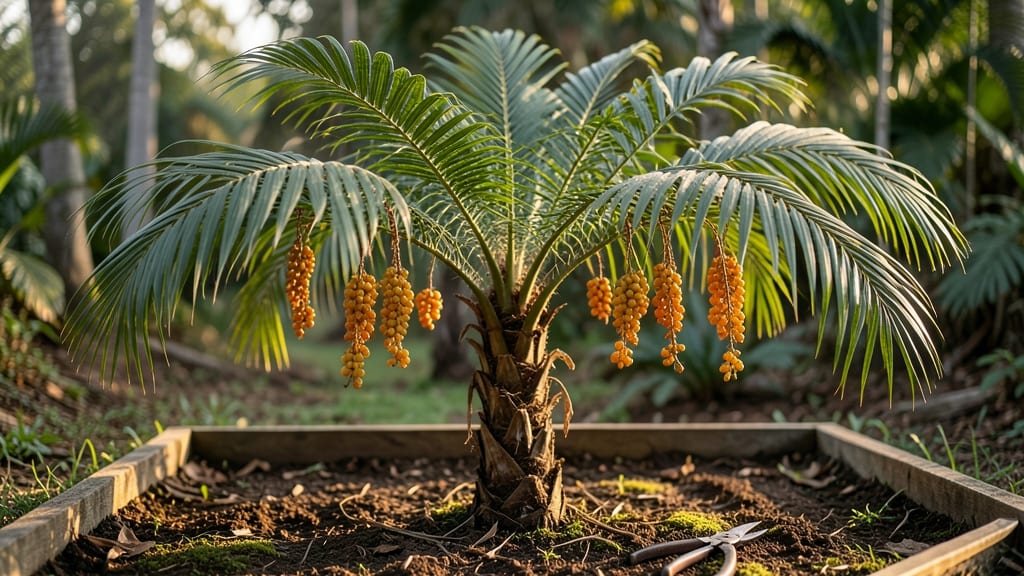
The peach palm tree (Bactris gasipaes) brings a taste of the tropics to cooler climates—yes, really. 🌿 I’ve grown these palms in USDA Zone 8 for three years now, and they’ve outlasted my expectations with their glossy fronds and edible peaches.
The key isn’t hiding them in a greenhouse; it’s understanding their surprisingly adaptable nature.
Unlike most palms, peach palms tolerate temperatures down to 20°F if protected, and they thrive in well-draining soil with just morning sun—no scorching afternoon heat required. They’re also one of the few palms that produce fruit you can actually eat, making them a two-in-one investment: beauty and harvest.
The trade-off? They grow faster than most palms, so pruning becomes part of the routine.
By the end of your first growing season, you’ll have a 6-foot-tall specimen with fronds that sway dramatically in the breeze. The peaches, though small, are sweet and nutritious—a bonus for gardeners who love dual-purpose plants.
Plus, they’re drought-tolerant once established, so watering becomes a low-maintenance task after the initial setup.
Whether you’re adding one to a patio container or planting it in the ground, this palm adapts surprisingly well. The biggest challenge? Resisting the urge to overwater—these palms prefer their roots on the drier side. Let’s get yours growing strong!
📚 In This Guide
- What you need
- Instructions
- Tips and common mistakes
- Wrapping up and next steps
What you need
- ● Peach palm seeds (10–20 seeds) – Fresh seeds sprout best; soak overnight for faster germination.
- ● Well-draining potting mix (10–15 gallons) – A blend of cactus/succulent soil + perlite (3:1 ratio) works wonders.
- ● Large containers or nursery beds (5-gallon pots or raised beds with drainage holes).
- ● Slow-release fertilizer (10-10-10 NPK ratio, 1–2 lbs per tree).
- ● Mulch (pine bark or coconut coir) (2–3 inches) – Retains moisture and mimics tropical conditions.
- ● Pruning shears (sharp, sterilized) – For trimming dead fronds or shaping growth.
- ● Garden trowel or transplanting spade – For planting seeds or moving saplings.
- ● Spray bottle or hose with gentle mist setting – Peach palms love humidity!
- ○ Thermometer (optional) – Monitor soil temps (ideal: 70–90°F for germination).
- ○ Heat mat (optional) – Speeds up germination in cooler climates.
- ● Sunlight: 6+ hours of bright, indirect light daily (south-facing windows or grow lights work).
- ● Temperature control: Protect from frost (hardiness zones 10–11; use a greenhouse or indoor setup in colder areas).
- ● Watering routine: Keep soil consistently moist but not soggy (drought-stress = sad fronds!).
- ● Patience: Germination takes 4–8 weeks—resist the urge to dig up sprouts!
Step-by-Step instructions for growing a peach palm tree indoors
Here's how to cultivate this striking tropical plant—even in cooler climates—using proven techniques.
🪴 Step 1: Select and Prepare the Right Container
Choose a 12-14 inch diameter pot with drainage holes—peach palms hate soggy roots. I use unglazed ceramic because it breathes better than plastic and prevents root rot. Fill the bottom 2-3 inches with orchid bark mix (not regular soil) to improve aeration and drainage.
This layer mimics the palm's natural epiphytic growing habits. Tap the pot gently to settle the bark without compacting it. The goal is loose, airy material that allows excess moisture to drain quickly. Peach palms are sensitive to waterlogged conditions, so proper drainage is critical.
☀️ Step 2: Create the Ideal Lighting Environment
Place your peach palm within 3-5 feet of a south-facing window—this species needs bright, indirect light to thrive. If natural light is insufficient, supplement with a 10,000-lux LED grow light for 12-14 hours daily. I position the light 18-24 inches above the plant to prevent leaf scorch.
Watch for these visual cues: deep green leaves indicate proper light, while yellowing fronds mean it's getting too much direct sun. If leaves develop brown tips, your space has dry air—consider a humidifier or pebble tray. This palm tolerates lower humidity better than most tropicals, but it still needs 40-50% humidity to prevent stress.
💧 Step 3: Master the Watering Routine
Water only when the top 2-3 inches of soil feel completely dry—this prevents root rot while maintaining moisture. I use the "finger test" method: stick your index finger into the soil. If it comes out clean, water; if damp, wait another day. During winter months, reduce watering to every 7-10 days since growth slows.
When watering, soak thoroughly until water runs from the drainage holes, then empty the saucer immediately. Overwatering is the #1 killer of peach palms—yellowing fronds often signal root issues. The plant's thick trunk stores water, so it's surprisingly drought-tolerant once established. Real talk: I've let mine go three weeks without water in summer, and it bounced back fine.
🌿 Step 4: Feed and Maintain for Long-Term Health
Apply a balanced liquid fertilizer (10-10-10) monthly during spring and summer, diluted to half-strength. I mix it with water in a spray bottle for even distribution. This palm grows slowly, so heavy feeding causes salt buildup. In fall and winter, skip fertilizer entirely—the plant enters a natural rest period.
Dust the fronds every 2-3 months with a damp microfiber cloth—peach palms collect dust like no other plant. I focus on the undersides of leaves where mites love to hide. Rotate the pot quarter-turn weekly so the plant grows evenly toward the light. You'll notice new fronds emerging from the center—this is your signal the plant is happy and healthy.
✂️ Step 5: Prune and Support as It Matures
Remove only dead or yellowing fronds at the base with sterilized pruning shears. Never cut healthy fronds—this disrupts the plant's energy flow. I prune in late winter before new growth begins. For larger specimens, support the trunk with a bamboo stake if it leans—peach palms can grow 6-10 feet tall indoors.
Here's the thing—peach palms develop natural air roots as they mature. These aren't roots to remove; they're part of the plant's growth cycle. If they appear, mist them weekly or wrap them lightly in sphagnum moss to keep them hydrated. This mimics their epiphytic behavior in the wild and encourages stronger growth.
Tips & tricks for perfect peach palm tree growth
Even in cooler climates, these simple strategies will help your peach palm thrive like a tropical showstopper.
Container Selection Wisdom: Unglazed ceramic pots aren't just about aesthetics—they're essential. The porous surface mimics natural conditions by allowing excess moisture to evaporate, preventing the root rot that claims so many peach palms. If you can't find ceramic, opt for terracotta as your second choice. The key is avoiding plastic at all costs; it traps moisture and creates the perfect environment for fungal growth. Pro tip: Pre-soak your orchid bark mix for 10 minutes before using it to help it settle more evenly in Step 1.
Lighting Strategy: That 12-14 hour grow light requirement isn't arbitrary—it mimics the extended daylight hours of the peach palm's native tropical habitat. Position your light source so the fronds don't touch it, as even gentle brushing can cause microscopic damage. For maximum efficiency, use a timer to automate the 12-14 hour cycle. I've found that starting the light cycle at 6 AM and ending at 6 PM works perfectly with my household routine. Watch for subtle leaf movements toward the light as your plant adjusts its growth pattern.
Watering Technique: The finger test method in Step 3 is your best defense against overwatering, but here's what nobody tells you: the soil should feel dry down to your second knuckle, not just the surface. In winter, when growth slows, you might only need to water every 10-14 days—trust me, I've learned this the hard way after losing two palms to soggy roots. For extra insurance, consider using a moisture meter that reads down to 4 inches deep. The plant's thick trunk stores water remarkably well, so don't be afraid to let it go slightly dry between waterings.
Pruning Insight: When pruning in late winter, focus on removing fronds that are completely brown and crispy—these are dead and won't regrow. The yellowing fronds you might see are still photosynthesizing, so leave them until they're fully brown. For larger specimens, use a small pruning saw for thicker stems rather than forcing sterilized shears. After pruning, wipe down the cut area with rubbing alcohol to prevent bacterial infections. This is also the perfect time to examine your plant's air roots—healthy ones will be firm and green, while mushy ones need attention.
Pro Tips for Peach Palm Tree
- Even in cooler climates, these simple strategies will help your peach palm thrive like a tropical showstopper.
- Container Selection Wisdom: Unglazed ceramic pots aren't just about aesthetics—they're essential.
- Lighting Strategy: That 12-14 hour grow light requirement isn't arbitrary—it mimics the extended daylight hours of the peach palm's native tropical habitat.
Frequently asked questions
Got questions about growing and caring for the stunning peach palm tree? You’re not alone! Here are some of the most common queries—plus clear, no-nonsense answers to help you cultivate this tropical beauty like a pro.
Can peach palm trees survive in cold climates like Zone 7 or 8?
The peach palm (Bactris gasipaes) is surprisingly resilient! While it thrives in tropical zones (9–11), young trees in Zone 7/8 can handle brief dips to 20°F (-7°C) with proper winter prep. Mulch heavily, wrap the base, and move potted trees indoors or under cover. Pro tip: Choose cold-hardier cultivars like ‘Mexican’ peach palm for extra frost tolerance.
How fast do peach palm trees grow, and when will they produce fruit?
Peach palms are fast growers—expect 3–6 feet per year in ideal conditions! However, fruiting takes 3–5 years from seed and 1–2 years from grafted nursery stock. Patience pays off: A mature tree can yield 50–100 pounds of fruit annually. Troubleshooting: Slow growth? Check soil drainage and sunlight—these palms crave full sun (6+ hours/day) and well-draining soil.
Do peach palm trees need pruning, and how often?
Pruning keeps your peach palm healthy and shapely! Trim dead fronds as needed (usually 1–2 times per year) and remove thorny spines for safety. Avoid over-pruning—these palms are self-cleaning and shed old fronds naturally. When to prune: Late winter/early spring (before new growth). Warning: Wear gloves—those spines are sharp!
What are the best alternatives to peach palm for colder climates?
If your zone is too chilly for peach palms, consider these hardy tropical look-alikes:
- Pony tail palm (Beaucarnea recurvata): Drought-tolerant and cold-hardy to 15°F (-9°C).
- Areca palm (Dypsis lutescens): Thrives in Zone 10+, but indoor varieties work in cooler areas.
- Sago palm (Cycas revoluta): Surprisingly cold-hardy to 10°F (-12°C) and drought-resistant.
Why are my peach palm leaves turning yellow or brown?
Yellow/brown leaves usually signal overwatering, underwatering, or nutrient issues. Check these fixes:
Issue
Solution
Yellowing fronds (bottom-up)
Reduce watering—peach palms hate soggy roots!
Brown tips/crispy edges
Increase humidity or mist leaves; could be fluoride burn from tap water.
Pale green leaves
Fertilize with palm-specific food (high in potassium/magnesium).
Wrapping up and next steps
The peach palm tree is a stunning, low-maintenance addition that proves tropical beauty isn’t limited to warm climates! With the right care—like proper pruning, well-draining soil, and a bit of winter protection—you can enjoy its lush foliage and edible fruits year-round.
Whether you’re a seasoned gardener or just starting, this resilient tree rewards patience with vibrant greenery and a touch of exotic charm.
Ready to level up your landscape? 🌿 Start by assessing your space, gathering supplies, and giving your peach palm the love it deserves. Plant it today and watch your outdoor oasis transform!