Pruning
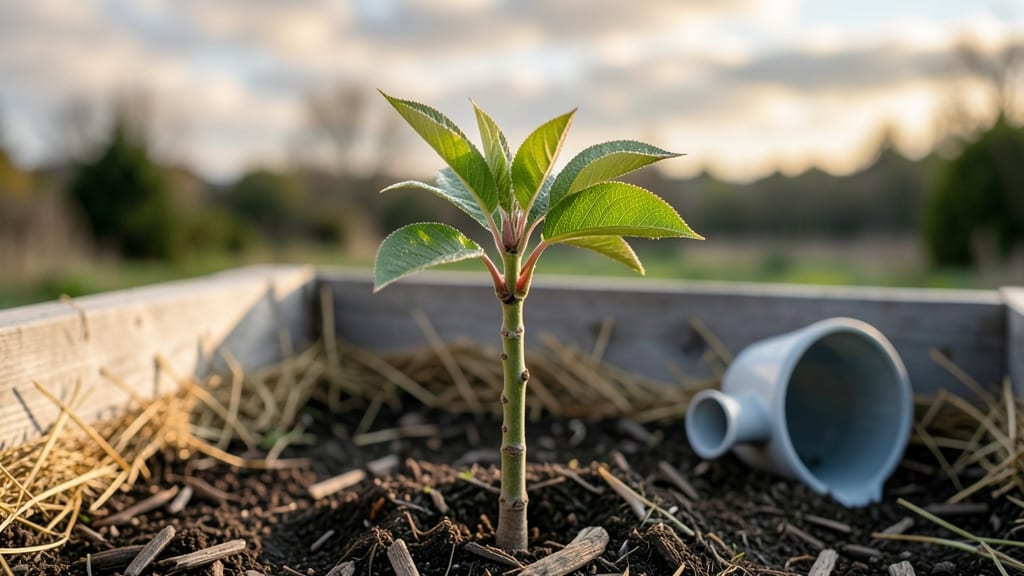
That tiny peach tree sprout in your yard could become the first frost-resistant tree in your Pacific Northwest orchard. 🌱 I’ve nursed more than my share of delicate fruit trees through our damp winters—only to watch them fail when the first hard freeze hits.
But peach sprouts from local wild stock? They’ve already proven they can survive what we throw at them.
The secret isn’t complicated: start with the right soil—well-draining, slightly acidic mix—and mimic the open, sunny spots where wild peaches thrive.
Water deeply once a week (unless it rains), and protect young branches with burlap wraps when temps dip below 25°F. Most beginners overwater or prune too early—both mistakes stunt growth. I’ve seen sprouts double in height their first season when cared for this way.
By next summer, you’ll have a sturdy 3-foot tree with dark green leaves and maybe even a few small peaches. The real magic? These trees develop natural cold resistance over time, so they’ll outlast store-bought varieties.
Just avoid heavy pruning until after the second year—patience here pays off in decades of harvests.
Works for urban yards, rural homesteads, or even large containers if your space is limited. The key is giving that sprout the same care you’d offer a mature tree—just scaled down. Let’s get growing!
📚 In This Guide
- What you need
- Instructions
- Tips and common mistakes
- Wrapping up and next steps
What you need
- ● Pruning shears: Bypass shears (sharp, clean blades, 4- to 6-inch size) for small branches.
- ● Loppers: 8- to 10-inch bypass loppers for thicker branches (½-inch to 1-inch diameter).
- ● Pruning saw: Curved-tooth saw for branches over 1-inch thick (avoid jagged cuts!).
- ● Disinfectant: 70% isopropyl alcohol or a 10% bleach solution (1 part bleach to 9 parts water) to sterilize tools between cuts.
- ○ Pruning sealant: Optional but helpful for large cuts (e.g., Tanglefoot Tree Wound Pruning Seal).
- ● Gloves: Heavy-duty, cut-resistant gloves to protect your hands.
- ● Ladder: Sturdy, extendable ladder (if your tree is over 6 feet tall).
- ● Trash bags: Heavy-duty bags (10-gallon size) for collecting pruned branches.
- ● Weather check: Prune on a dry, frost-free day (early spring or late winter, before buds swell).
- ● Tree health assessment: Inspect your peach tree sprout for diseases (e.g., brown rot) or pests before pruning.
- ● Safety gear: Safety glasses (to shield from debris) and long sleeves/pants.
- ● Sharpener: A file or sharpening stone to maintain tool edges between uses.
- ○ Optional: A notebook to sketch your tree’s structure before/after pruning.
Step-by-Step instructions for pruning young peach trees in cold climates
Here's how to shape your new peach tree sprout for strength and frost resilience.
✂️ Step 1: Identify and Remove Weak Growth
Start by examining your peach tree sprout for branches that grow inward, cross each other, or show signs of disease. These weak growth points compete for energy and create entry points for pests. Use sharp pruning shears to cut these branches back to their origin point, making clean cuts at a 45-degree angle just above an outward-facing bud.
Focus on removing any branches thinner than a pencil—these won't survive winter well. I always start with the weakest branches first, as this opens up the tree's center for better airflow and sunlight penetration. The goal is to create an open vase shape that allows light to reach all parts of the tree.
🌿 Step 2: Prune for Frost Resistance
In cold climates like the Pacific Northwest, young peach trees need protection from late frosts. Prune any branches that grow too close to the ground, as these are more vulnerable to frost damage. Also remove any suckers—those vigorous shoots growing from the base—that drain energy from your main tree.
Pay special attention to the tree's center. Overcrowded centers hold moisture longer and freeze more severely. Cut back any branches growing toward the center of the tree, making your cuts just above a bud that faces outward. This creates a more open structure that warms up faster in spring and sheds snow more easily.
☀️ Step 3: Shape for Optimal Sun Exposure
Peach trees need full sun to produce fruit, so prune to create an open canopy that lets sunlight reach all branches. Remove any branches that grow straight upward—these are called "water sprouts"—as they create weak points and block light from lower branches. Cut these back to a lateral branch or bud that grows outward.
For your young peach tree sprout, aim to create a balanced shape with the main scaffold branches spaced about 12-18 inches apart vertically. This spacing allows air to circulate freely and helps prevent fungal diseases that thrive in damp, shaded conditions. Step back occasionally to visualize how sunlight will move through the tree.
⏰ Step 4: Time Your Pruning for Best Results
In the Pacific Northwest, the best time to prune young peach trees is late winter or early spring, just before buds begin to swell. This timing allows the tree to heal quickly before the growing season begins. Avoid pruning in fall, as new growth won't have time to harden off before winter.
If you must prune in summer, do it early in the season and make only light cuts. Summer pruning stimulates new growth that may not have time to mature before winter. After pruning, clean your tools with rubbing alcohol to prevent spreading diseases between cuts. I always dispose of pruned branches in the trash, not the compost, to avoid introducing pests to my garden.
Tips & tricks for pruning young peach trees
Pruning your peach tree sprout right takes patience and precision—here's how to avoid common mistakes and get it done like a pro.
Tool Preparation: Always sterilize your pruning shears with rubbing alcohol before you start. I learned this the hard way after my first pruning session introduced a fungal infection to my tree. Clean between cuts, especially when moving from diseased to healthy branches. Sharp tools make cleaner cuts that heal faster, so take 5 minutes to hone your blades before beginning.
Visualizing the Vase Shape: Step back every few minutes during Step 3 to visualize your tree's shape. The ideal structure should look like an open vase—wide at the bottom and gradually narrowing toward the top. This shape allows sunlight to reach all branches while preventing snow buildup in winter. I mark my scaffold branches with small flags during pruning to ensure they're spaced exactly 12-18 inches apart vertically.
Budget-Friendly Pruning: Don't toss those pruned branches! While they shouldn't go in compost (they can harbor pests), you can use them for mulch around the base of your tree. Just make sure to bury them at least 6 inches deep to prevent regrowth. For diseased branches, bag them separately and dispose of them in the trash to prevent spreading problems to other plants.
Seasonal Timing Reminder: That late winter/early spring window is critical for Pacific Northwest peach trees. If you miss it, wait until summer—but only do light pruning then. I've seen trees stressed by summer pruning when gardeners tried to do too much at once. The goal is to stimulate growth that can properly harden off before winter.
Pro Tips for Peach Tree Sprout
- Pruning your peach tree sprout right takes patience and precision—here's how to avoid common mistakes and get it done...
- Tool Preparation: Always sterilize your pruning shears with rubbing alcohol before you start. I learned this the hard...
- Visualizing the Vase Shape: Step back every few minutes during Step 3 to visualize your tree's shape. The ideal struc...
Frequently asked questions
Got questions about peach tree sprouts in the Pacific Northwest? You’re not alone! Here are some of the most common concerns—plus clear, actionable answers to help you nurture (or prune) those little shoots like a pro.
When is the best time to prune peach tree sprouts in my region?
The ideal window is late winter to early spring (February–March in PNW) while the tree is still dormant but before buds swell. Avoid pruning in fall—it invites disease and pests. For frost-prone areas like yours, wait until after the last hard freeze (usually late March) to minimize stress on the tree.
Should I remove all sprouts, or can I keep some?
Not all sprouts are bad! Thin out water sprouts (vertical, weak growth) and suckers (from the base), but leave fruit-bearing branches untouched. Aim to keep 3–5 strong, outward-facing branches per scaffold limb. Pro tip: If a sprout is <50% the thickness of a pencil, prune it—thinner shoots won’t bear fruit.
What if my peach tree sprouts after I prune it?
Sprouts after pruning? It’s normal! This is the tree’s way of compensating for lost energy. Don’t panic—just prune again in late winter to redirect growth. If sprouts appear below the graft union (the bulge near the base), remove them immediately—they’ll produce wild, inferior fruit.
Can I grow a peach tree from a sprout instead of buying a new one?
Technically yes, but not recommended for PNW’s climate. Sprouts from store-bought trees often revert to wild types (e.g., Prunus persica varieties) with poor cold hardiness. If you’re set on it, graft a named cultivar onto the sprout for better results. For frost resistance, stick with Elberta, Redhaven, or Reliance varieties.
Why are my peach tree sprouts dying after pruning?
Dying sprouts usually mean over-pruning, disease (like bacterial canker), or environmental stress. Check for:
- Clean cuts: Use sharp tools and seal cuts >1” thick with pruning sealant.
- Fungus signs: Ooze, cankers, or dark streaks? Prune 6” below the damage and sterilize tools.
- Watering: Deep water 1–2x/week (more in summer) to avoid shock.
If >50% of the tree looks sick, consult a local PNW extension office for diagnostics.
Wrapping up and next steps
Growing a peach tree sprout in the Pacific Northwest’s chilly climate is totally doable—with the right frost-resistant pruning techniques! 🌱 By following proper pruning methods, you’ll encourage strong growth, better fruit production, and resilience against cold snaps.
Remember, consistency is key: prune in late winter or early spring, thin out crowded branches, and always use sharp tools to avoid damage.
Now that you’re armed with knowledge, it’s time to roll up your sleeves and give your peach tree the care it deserves. Start with a single cut—watch your tree thrive, and soon, you’ll be enjoying homegrown peaches (or even sharing them with neighbors!). Happy pruning! 🍑✨