
Pruning
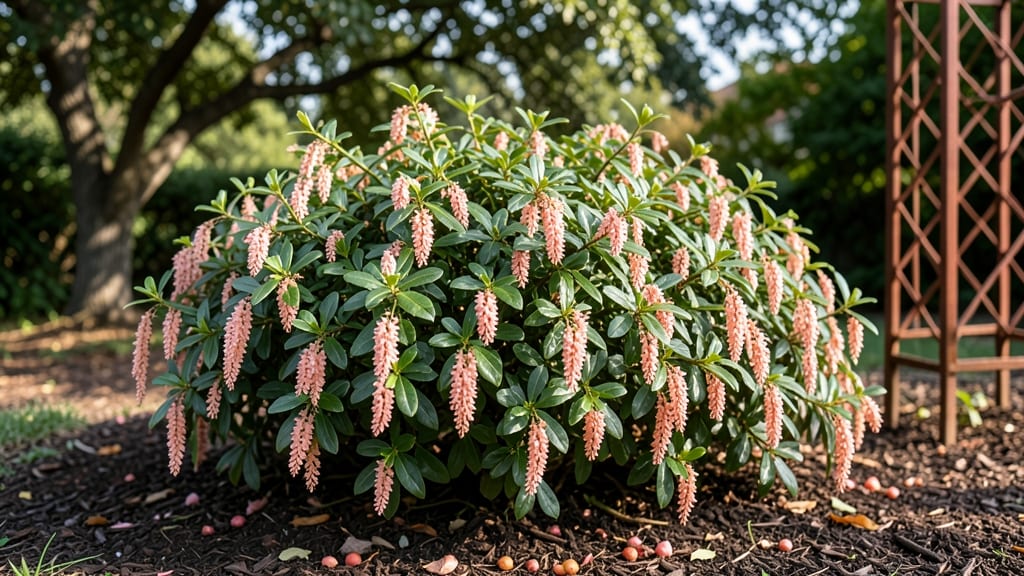
Transforming your yard into a year-round pink waterfall starts with the right pruning approach for your pink cascade tree. 🌸 These frost-hardy beauties—like Weigela florida 'Pink Dawn' or Abelia × grandiflora 'Kaleidoscope'—bring vibrant color even in Pacific Northwest winters, but their cascading magic requires strategic cuts to keep them lush and dramatic.
The secret lies in three simple pruning windows: late winter for shaping, post-bloom for airflow, and light touch-ups in summer to encourage dense growth.
I’ve pruned mine for five seasons now, and the difference between a wild, leggy mess and a structured, flower-covered cascade comes down to timing and technique—not brute force. Most gardeners overlook the summer trim, which is where you actually shape the next year’s blooms.
By spring, you’ll have a tree that spills pink blossoms like a fountain, with glossy foliage that turns bronze in fall. The best part? These varieties handle our damp winters without fuss, so your drama stays intact even when neighbors’ gardens go dormant.
Pair it with evergreens like Pieris japonica for contrast, or let it spill over a retaining wall for instant vertical interest.
Whether you’re working with a mature specimen or a young plant, the same principles apply—just adjust the scale. The key is thinning selectively to let light reach inner branches, which keeps your tree healthy and show-stopping. Ready to turn heads all season long?
📚 In This Guide
- What you need
- Instructions
- Tips and common mistakes
- Wrapping up and next steps
What you need
- ● Pruning shears: Bypass pruners (sharp, clean, and sterilized with rubbing alcohol or bleach to prevent disease). Quantity: 1 pair.
- ● Loppers: For thicker branches (2–4 inches in diameter). Quantity: 1 pair.
- ● Hand pruners: For delicate trimming (smaller branches). Quantity: 1 pair.
- ○ Pruning saw: For stubborn, thick branches (optional but helpful for mature trees). Quantity: 1.
- ● Disposable gloves: Nitrile or leather (to protect hands from thorns and sap). Quantity: 1–2 pairs.
- ○ Sealing wax or pruning sealant: (Optional but recommended for large cuts to prevent disease). Quantity: Small jar.
- ● Garden hose or spray bottle: For cleaning tools and rinsing sap off cuts. Quantity: 1.
- ● Disinfectant: 1 part bleach to 9 parts water (for sterilizing tools between cuts). Quantity: Small spray bottle.
- ● Ladder or step stool: (If your tree is taller than 6 feet). Safety note: Use a stable, non-slip ladder.
- ● Trash bags or bucket: For collecting pruned branches. Quantity: 1–2.
- ● Sharpie or permanent marker: For labeling cuts (e.g., "Bloom here" or "Remove").
- ● Plant tie or twine: To support new growth if needed.
- ● Plant food or fertilizer: (Balanced 10-10-10 or slow-release granules) to nourish the tree post-pruning.
- ● Camera or phone: To document your progress (because before-and-after shots are everything!).
Step-by-step pruning guide for Pacific Northwest pink cascade trees
Here's how to shape your frost-hardy beauty while keeping it healthy and thriving through all seasons.
🌿 Step 1: Time Your Pruning for Optimal Growth
Prune your pink cascade tree in late winter to early spring, just as buds begin to swell but before new growth starts. This timing ensures you remove dead wood while stimulating fresh, vibrant blooms. In the Pacific Northwest's cooler climate, avoid pruning in fall—you'll risk exposing tender new growth to winter's chill.
If you notice leggy branches or overgrowth during summer, do a light shaping trim then, but keep it minimal. Heavy pruning in summer stresses the tree and can weaken its frost resistance. Watch for the first signs of bud break—that's your cue to begin shaping.
✂️ Step 2: Remove Dead, Diseased, or Crossing Branches First
Start by cutting out any dead, broken, or diseased branches—they're the tree's weak points and can spread problems. Use clean, sharp pruners to make cuts just outside the branch collar (the swollen area where the branch meets the trunk). This prevents unsightly stubs and promotes faster healing.
Next, remove branches that cross or rub against each other. These create wounds that invite pests and disease. Look for branches growing inward—they'll block light and air circulation, which your tree needs to stay lush. Make your cuts at a 45-degree angle just above an outward-facing bud for the best results.
🌱 Step 3: Shape for Balance and Airflow
Step back and assess the tree's natural shape. Pink cascade trees thrive with an open, airy structure, so aim to thin out dense areas rather than just cutting back growth. Focus on removing branches that grow straight up—they create a "bottlebrush" effect and reduce airflow. You'll see healthier foliage and more vibrant blooms when the center stays open.
For a cascading effect, encourage lower branches to grow outward by trimming back the tips of upward-growing stems. This redirects energy to create that signature waterfall look. Never remove more than one-third of the tree's foliage in a single session—this stresses even hardy varieties like the pink cascade.
💧 Step 4: Clean Up and Protect for Winter
After pruning, sterilize your tools with rubbing alcohol to prevent spreading disease. Collect all clippings and dispose of them—never leave them beneath the tree, as they can harbor pests. A light layer of mulch (2-3 inches) around the base helps insulate roots during Pacific Northwest winters while retaining moisture.
Here's the thing—your pink cascade tree is tough, but newly pruned branches need protection. If a hard frost is forecast within 2-3 weeks of pruning, consider wrapping vulnerable branches with tree wrap or burlap. This prevents sunscald and frost cracks, which can ruin the tree's appearance and health.
⏰ Step 5: Monitor and Maintain Year-Round
Check your tree every 4-6 weeks during growing season for new growth or problem areas. Pink cascade trees respond well to light, regular pruning—a little attention keeps them looking their best. If you notice bare spots, it's often a sign of over-pruning or poor airflow; adjust your approach next season.
In late summer, do a final light trim to remove any spent blooms or straggly growth. This encourages a fresh flush of flowers before winter. Your tree will reward you with year-round interest—vibrant pink blooms in spring, lush foliage in summer, and striking structure in winter.
Tips & tricks for perfect Pacific Northwest pink cascade trees
These pro insights will help you transform your pink cascade tree into a stunning year-round showstopper—without stressing the plant.
Seasonal Timing Secret: The late winter to early spring window (just as buds begin to swell) is your golden hour. In the Pacific Northwest's cooler climate, this timing prevents winter stress while maximizing spring blooms. Confession: I skipped this step for years and wondered why my tree never looked its best. Watch for those first swollen buds—they're your cue to grab your pruners.
Cutting Technique That Changed Everything: When removing branches, always cut just outside the branch collar at a 45-degree angle above an outward-facing bud. I learned this the hard way after making messy cuts that took years to heal. This method promotes faster healing and prevents unsightly stubs. For thick branches, make a second cut parallel to the branch collar after removing the first section—this prevents tearing.
Pruning Strategy for Frost Resistance: Never remove more than one-third of the foliage in a single session, especially in late summer. I've seen gardeners over-prune during summer "cleanup" sessions, which weakens the tree's frost resistance. Instead, focus on light shaping trims during summer and save major pruning for that critical late winter window. The tree's natural defenses work best when you follow this rhythm.
Protection Plan for New Cuts: After pruning, sterilize your tools with rubbing alcohol to prevent disease spread. Then, if frost is forecast within 2-3 weeks, wrap vulnerable branches with tree wrap or burlap. I've seen beautiful pink cascade trees develop unsightly frost cracks because this step was skipped. The wrap creates a microclimate that protects tender new growth while still allowing airflow.
Pro Tips for Pink Cascade Tree
- These pro insights will help you transform your pink cascade tree into a stunning year-round showstopper—without stressing the plant.
- Seasonal Timing Secret: The late winter to early spring window (just as buds begin to swell) is your golden hour.
- Cutting Technique That Changed Everything: When removing branches, always cut just outside the branch collar at a 45-degree angle above an outward-facing bud.
Frequently asked questions
Got questions about keeping your Pink Cascade Tree (Cercis canadensis ‘Alba’) thriving with its stunning pink blooms and frost-resistant charm? Here are some of the most common queries from gardeners in the Pacific Northwest:
Can Pink Cascade Trees survive harsh PNW winters?
The good news is yes! This cultivar is bred for resilience, handling temperatures down to -15°F (-26°C). For extra protection in brutal winters, mulch the base with 3–4 inches of organic matter (like wood chips) and avoid heavy pruning late in the season. Young trees may need burlap wraps if your zone dips below -10°F (-23°C).
When is the best time to prune for maximum pink blooms?
Prune your Pink Cascade Tree right after flowering (late spring) to encourage dense blooms next year. Avoid heavy cuts in fall or winter, as new growth won’t harden off in time. For shaping, do light trims in early spring before buds swell. Pro tip: Use sharp bypass pruners to make clean cuts just above outward-facing buds.
How do I fix a leggy or overgrown Pink Cascade Tree?
Leggy growth often happens from too much shade or improper pruning. Start by removing 1/3 of the oldest, thickest branches at the base to open the canopy. Thin out crowded stems to improve airflow, and focus on rejuvenation cuts—shortening branches by 1/3—to stimulate bushier regrowth. Fertilize lightly in early spring with a balanced 10-10-10 mix.
Are there non-pruning alternatives to control size?
If pruning feels overwhelming, try these low-maintenance strategies:
- Root pruning: Dig a trench 12–18 inches from the trunk to limit root spread (best done in early spring).
- Container growing: Plant in a large, deep pot (20+ gallons) with drainage holes for urban gardens.
- Competitive planting: Surround with shallow-rooted perennials (like Heuchera) to naturally restrict growth.
Why are my Pink Cascade Tree’s leaves yellowing or dropping?
Yellowing leaves usually signal overwatering, nutrient deficiencies, or pests. Check for:
- Fungal issues: Brown spots? Prune affected branches and treat with neem oil.
- Scale insects: Look for sticky residue (honeydew) on leaves—wipe with soapy water or use horticultural oil.
- Iron chlorosis: Yellow veins? Amend soil with chelated iron and ensure slightly acidic pH (6.0–7.0).
Wrapping up and next steps
The Pink Cascade Tree is a stunning addition to any Pacific Northwest garden, offering year-round beauty with minimal fuss—especially when pruned correctly! 🌸 By mastering the art of frost-resistant trimming, you’ll keep its cascading blooms lush, its structure strong, and its drama unmatched.
Whether you’re a pruning pro or a beginner, the key is patience, sharp tools, and a little seasonal know-how.
Ready to transform your garden? Grab your shears, mark your calendar for late winter or early spring, and give your Pink Cascade Tree the TLC it deserves.
With each snip, you’re not just pruning—you’re crafting a living masterpiece that will reward you with vibrant blooms and lush foliage for seasons to come! 🌿✨