Trees
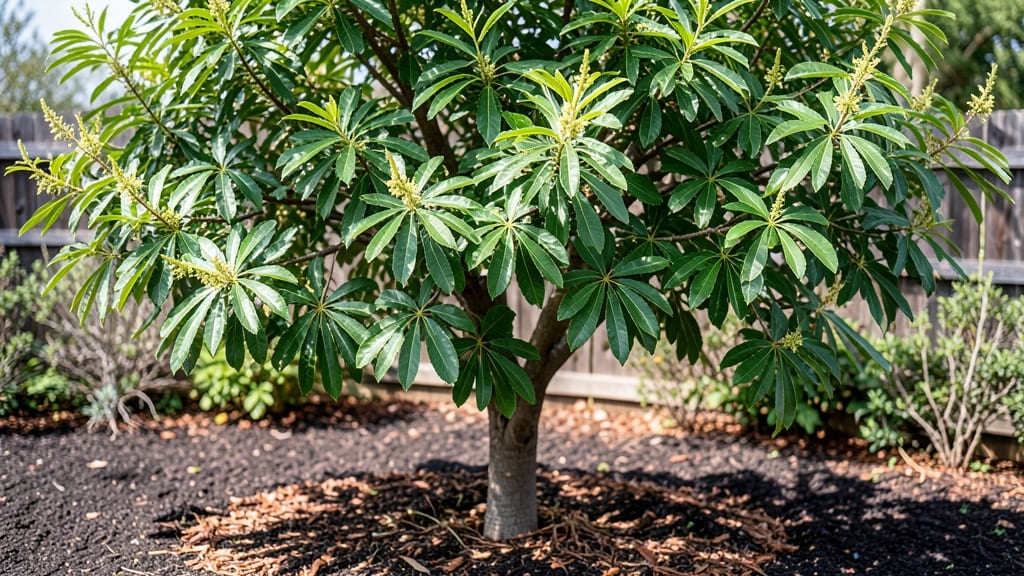
Pistachio tree leaves aren’t just pretty—they’re packed with antioxidants and nutrients you can harvest right from your backyard. 🌿 I’ve spent years growing these trees, and the key to keeping those leaves vibrant (and edible) starts with understanding what’s normal and what’s not.
Yellowing leaves? That’s often just the tree adjusting to seasonal changes, but brown spots or curled edges mean pests or disease are likely at play.
Aphids, mites, and fungal infections are the usual culprits, but catching them early makes all the difference—think organic sprays, proper pruning, and keeping the soil healthy.
📚 In This Guide
- What you need
- Instructions
- Tips and common mistakes
- Wrapping up and next steps
What you need
- ● Pistache tree (Pistacia vera or Pistacia atlantica) – Ensure it’s at least 3–5 years old for optimal leaf production.
- ● Sharp pruning shears or scissors – Clean, sterilized tools (rubbing alcohol wipes work great!).
- ○ Gloves (optional but recommended) – Protects hands from sap or minor irritation.
- ● Large bowl or basket – For collecting fresh leaves (stainless steel or food-grade plastic preferred).
- ● Spray bottle with water – Keeps leaves hydrated during harvest.
- ● Paper towels or clean cloth – For gentle drying and debris removal.
- ● Air-tight container or resealable bag – For short-term storage (use within 3–5 days).
- ● Food dehydrator or oven – For long-term storage (set to <140°F/60°C).
- ● Labeling tags – Mark containers with harvest dates.
- ● Pest control spray (neem oil or insecticidal soap) – If leaves show signs of pests.
- ● Recipe inspiration! – Think salads, teas, or infused oils—get creative!
How to harvest and use pistache tree leaves safely
Here's how to identify, collect, and prepare these flavorful leaves for culinary use.
🌿 Step 1: Identify Mature Pistache Leaves
Pistache tree leaves are compound—each stem holds 3-5 small, oval-shaped leaflets with a distinctive tooth-edged appearance. The mature leaves are deep green and slightly leathery to the touch. Avoid harvesting from young trees under 10 years old, as their leaves contain higher levels of tannins and may taste bitter.
Look for leaves on sun-exposed branches—these develop the most robust flavor. I always check the underside of leaves for signs of pests or disease before harvesting. If you see yellowing or spots, skip those branches entirely. The best leaves grow on non-flowering branches since flowering diverts energy away from leaf development.
🌱 Step 2: Harvest Leaves at Peak Flavor
Harvest pistache leaves in late spring to early summer when they're fully mature but before they begin to yellow. This gives you the most tender, flavorful leaves. Use clean, sharp pruning shears to snip individual leaf clusters just above a leaf node—this encourages bushier growth.
Don't strip entire branches bare. I take no more than 10-15% of leaves from any single tree to maintain its health. The leaves should feel firm but pliable when pinched—if they crumble easily, they're past their prime. Collect leaves on a clean tray to prevent bruising, which makes them bitter.
💧 Step 3: Clean and Prepare Leaves for Use
Rinse leaves immediately in cool water to remove dust and debris. Gently pat them dry with a clean kitchen towel or paper towels. Never let them sit in water—this causes browning and nutrient loss. For immediate use, you can chop fresh leaves directly into dishes, but they'll have the most intense flavor when dried.
To dry leaves, spread them in a single layer on a screen or mesh rack in a well-ventilated area away from direct sunlight. Turn them every 2-3 hours to ensure even drying. Properly dried pistache leaves should be crisp and brittle—if they still feel pliable after 3-5 days, continue drying. Store dried leaves in an airtight container in a cool, dark place for up to 6 months.
☀️ Step 4: Use Leaves in Culinary Applications
Fresh pistache leaves have a mild, slightly bitter flavor similar to sage with hints of mint. Use them sparingly—1-2 teaspoons of fresh leaves or ½ teaspoon of dried per serving is plenty. Toss them into salads, soups, or pestos for a unique twist. They also pair beautifully with roasted meats or fish dishes—just add them at the last minute to preserve their delicate flavor.
Dried leaves can be crushed and used as a seasoning or steeped in hot water for a fragrant herbal tea. I like to blend them with rosemary and thyme for a Mediterranean-inspired seasoning blend. Always taste as you go—pistache leaves can overpower dishes if used too liberally. Start with small amounts and adjust to your preference.
Tips & tricks for perfect pistache leaf harvesting
Real talk: Harvesting pistache leaves is easier than you think once you know these little secrets.
Timing Secret: The late spring to early summer window is non-negotiable for flavor. I've tried harvesting in summer, and while the leaves are still edible, they lose that bright, herbaceous quality. Aim for mornings after dew has dried—leaves contain less moisture, making them easier to dry properly. The 2-3 hour turning schedule during drying is critical too; I set a timer on my phone to remind me since I tend to forget!
Leaf Selection Tip: Here's what nobody tells you—those tiny leaflets on the ends of the compound leaves are the most flavorful. They're also the most tender, so they dry faster and retain their vibrant green color. When you're checking for pests, run your fingers along the leaf veins—pests often hide in the crevices. A quick wipe with a damp cloth removes any lingering pests before drying.
Drying Hack: If you're short on drying space, use a single layer of paper towels between each layer of leaves on your rack. This absorbs excess moisture and speeds up the process. I've also had success using a food dehydrator set to 95°F for 4-6 hours, but monitor closely to avoid over-drying. The goal is crisp and brittle, not powdery.
Storage Wisdom: After drying, let the leaves cool completely before storing. I like to crush them lightly with a rolling pin before sealing in containers—this releases more aroma when you open the jar. For long-term storage, add a silica gel packet to absorb any remaining moisture. The 6-month shelf life holds true, but I've found they taste best within the first 3 months.
Pro Tips for Pistache Tree Leaves
- Real talk: Harvesting pistache leaves is easier than you think once you know these little secrets.
- Timing Secret: The late spring to early summer window is non-negotiable for flavor.
- Leaf Selection Tip: Here's what nobody tells you—those tiny leaflets on the ends of the compound leaves are the most flavorful.
Frequently asked questions
Got questions about harvesting and using pistache tree leaves? You’re not alone! Here are some of the most common questions home growers ask—plus quick, practical answers to help you get the most out of your edible harvest.
Can you eat pistache tree leaves fresh, or do they need to be cooked?
Pistache tree leaves (Pistacia vera) are edible raw but have a bitter, resinous flavor that’s often mellowed with cooking. Try them in small amounts in salads, pestos, or as a garnish. For a milder taste, lightly sauté them with garlic or olive oil—just avoid overcooking, as they can turn rubbery. Pro tip: Harvest young, tender leaves in spring for the best texture!
When is the best time to harvest pistache leaves for eating?
The ideal time to pick pistache leaves is early spring (before flowers appear) or late summer when new growth is still soft. Avoid harvesting after the first frost, as cold weather increases bitterness. Morning harvests work best—leaves are hydrated and more flavorful. Use clean, sharp scissors to snip stems just above a leaf node to encourage bushier growth. Timing matters: Older leaves are tougher and more bitter!
Are there any parts of the pistache tree I should never eat?
While pistache leaves and nuts are safe, avoid the bark, twigs, and unripe fruit—they can cause stomach upset or mild toxicity. Also, skip leaves from young trees (under 3 years old), as they may contain higher levels of tannins. Always wash leaves thoroughly before eating to remove dirt or pesticide residue. When in doubt: Start with a tiny taste test!
How can I use pistache leaves if I don’t like their taste?
If the flavor is too strong, try these mild alternatives:
- Infusions: Steep 1–2 leaves in hot water for tea (great with honey or citrus).
- Seasoning: Dry leaves and crush into a powder to use like oregano or thyme in soups.
- Pairings: Combine with sweeter herbs (mint, basil) or fatty foods (cheese, olive oil) to balance bitterness.
- Preservation: Freeze leaves in olive oil for up to 3 months to preserve flavor.
Experiment! Some cultures blend pistache leaves with walnut or almond leaves for a milder profile.
Why do my pistache tree leaves look yellow or spotted? Is it safe to eat them?
Yellowing or spotted leaves are often a sign of pests (aphids, spider mites) or disease (fungal infections). If leaves are only slightly discolored but otherwise healthy, you can rinse and eat them—just remove damaged areas. However, avoid eating leaves with holes, mold, or excessive wilting, as these may harbor toxins. Treatment tip: Spray with neem oil or insecticidal soap to protect your tree. Prevention: Prune for airflow and water at the base!
Wrapping up and next steps
Harvesting pistachio tree leaves is a rewarding way to add flavor, nutrition, and sustainability to your garden—and now you’re ready to dive in! 🌱 From identifying the perfect leaves to drying and storing them, every step brings you closer to a bountiful, homegrown harvest.
Whether you’re infusing oils, brewing teas, or experimenting in the kitchen, your pistachio leaves are packed with potential.
Ready to take the next step? Start small:
- 🌿 Plant a few pistachio trees (if you don’t have one already) and watch your garden grow!
- 📝 Keep a harvest journal to track flavors, yields, and creative uses.
- 🤝 Share your discoveries with fellow gardeners—swap tips or recipes for an even richer experience!