Trees
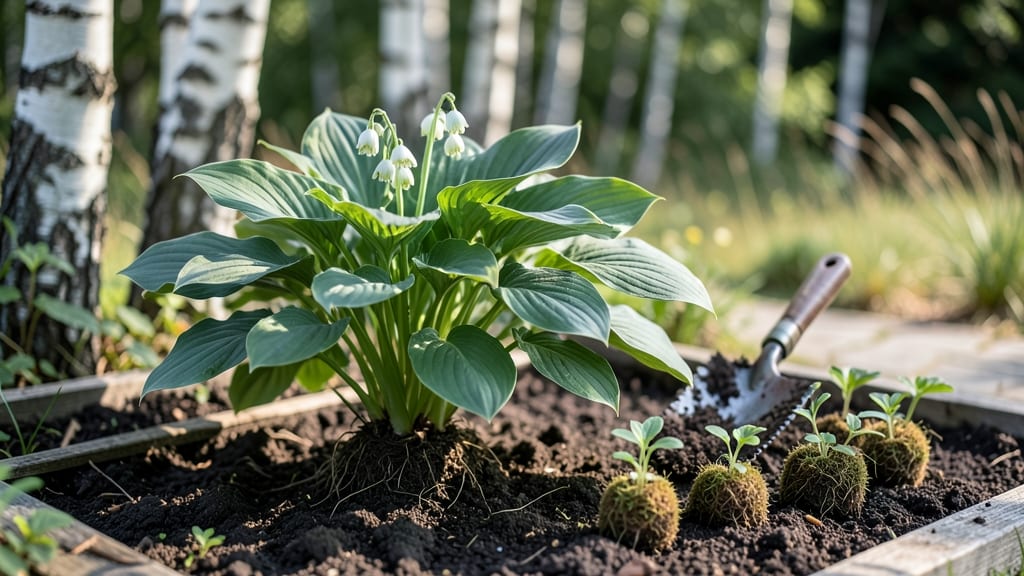
Planting hostas around trees transforms bare ground into a lush, year-round foundation that even the shadiest spots will envy. 🌿 The key is matching the right varieties to your tree's shade pattern—some hostas thrive under dense canopies while others need dappled light.
I learned this the hard way when my first batch of hostas near a maple tree turned yellow by summer, but now I know exactly which types to choose.
You’ll need well-draining soil mixed with compost, a 3- to 5-foot planting radius from the tree trunk (depending on the tree’s size), and patience for the first two years as roots establish.
Hostas like Hosta 'Blue Angel' or Hosta 'Francee' handle dry shade better than fussy varieties, and their deep green or variegated leaves add instant texture. The trick is keeping mulch 2-3 inches thick to suppress weeds without smothering the hostas.
By fall, you’ll have a nearly impenetrable ground cover that suppresses weeds, retains moisture, and looks intentional even when other plants struggle. The arching foliage contrasts beautifully with tree bark, and in late summer, the occasional bloom adds a delicate surprise.
Just watch for slugs—hostas are their favorite snack, but a few beer traps or diatomaceous earth keeps them in check.
This design works for any mature tree, from oaks to pines, and scales from small yards to large landscapes. Once established, hostas need minimal care—just divide them every 3-4 years to keep them vigorous.
The payoff? A garden that feels finished year-round, with almost no effort after the initial planting.
📚 In This Guide
- What you need
- Instructions
- Tips and common mistakes
- Wrapping up and next steps
What you need
- ● Hostas: 10–20 plants (depending on tree size and spacing goals; 18–24" apart for mature hostas).
- ● Choose shade-tolerant varieties (e.g., 'Blue Angel,' 'Halcyon,' or 'Patriot').
- ● Soil amendments: 5–10 lbs organic compost or well-rotted manure per planting area.
- ● 2–3 lbs slow-release fertilizer (10-10-10 or balanced formula).
- ● Mulch: 3–4 cubic feet shredded bark, pine straw, or wood chips (3–4" layer).
- ● Garden trowel or hand shovel (for digging small holes).
- ● Garden fork or spade (for amending soil, especially if compacted).
- ● Measuring tape or ruler (to ensure proper spacing).
- ● Gloves (to protect hands from soil and sharp edges).
- ● Watering can or hose with a gentle spray nozzle (for hydration).
- ● Mulch rings or landscape fabric (to keep mulch in place and suppress weeds).
- ● Slow-release plant food tablets (for extra nutrients).
- ● Tree guards or protective barriers (if small trees are vulnerable to hosta competition).
- ● Garden kneeler or pad (for comfort during planting).
Step-by-step guide for planting hostas around trees
Here's how to create a thriving shade garden that complements your trees beautifully.
🌱 Step 1: Assess and Prepare the Planting Area
Start by examining the tree's root zone and drip line—the area where rainwater naturally falls. Hostas thrive in partial to full shade, so choose a spot that receives 3-6 hours of filtered sunlight daily. Avoid planting directly against the trunk where roots compete aggressively for water and nutrients.
Use a garden hose to trace a 2-3 foot radius from the tree trunk as your planting zone. This gives hostas enough space to establish without crowding the tree's roots. If the area is heavily compacted, loosen the soil with a garden fork to a depth of 6-8 inches—hostas appreciate well-aerated soil for their fibrous root systems.
🪴 Step 2: Amend the Soil for Optimal Growth
Hostas prefer moist, well-draining soil with a slightly acidic to neutral pH (6.0-7.5). If your soil is heavy clay, mix in 2-3 inches of organic matter like compost or leaf mold to improve drainage and fertility. I recommend spreading 1-2 inches of compost evenly over the planting area and gently working it into the top 6 inches of soil with a garden trowel.
For sandy soils, incorporate 20% peat moss or coconut coir to help retain moisture. Test the soil moisture by squeezing a handful—it should hold together but not feel soggy. If it crumbles easily, add more organic matter. This step ensures your hostas won't struggle with waterlogged roots or nutrient deficiencies.
☀️ Step 3: Plant Hostas at the Correct Depth and Spacing
Dig holes twice as wide as the hosta's root ball but only as deep as the container's root base. Hostas have shallow roots, so planting too deep can suffocate them. Gently remove the plant from its container and tease the roots outward if they're circling—this encourages outward growth rather than a tangled root ball.
Space hostas 18-24 inches apart for smaller varieties and 24-36 inches apart for larger ones. This spacing allows them to fill in over time without competing for sunlight. Place each plant so the top of the root ball sits just below soil level—this prevents crown rot while keeping the foliage above ground. Backfill with amended soil and firm gently around the base.
💧 Step 4: Water and Mulch for Long-Term Success
Water deeply immediately after planting to settle the soil and eliminate air pockets around the roots. Hostas need 1-1.5 inches of water weekly, but adjust based on rainfall—soil should stay consistently moist but not waterlogged. The first few weeks are critical for root establishment, so check moisture by sticking your finger 1-2 inches into the soil. If it feels dry, water again.
Apply a 2-3 inch layer of mulch (like shredded bark or wood chips) around each plant, keeping it 3-4 inches away from the stem to prevent rot. Mulch helps retain soil moisture, suppresses weeds, and regulates temperature. Replenish mulch annually in early spring to maintain its protective benefits.
🌿 Step 5: Monitor and Maintain for Year-Round Beauty
Hostas are low-maintenance once established, but watch for yellowing leaves—a sign of overwatering or poor drainage. If you notice this, reduce watering slightly and ensure mulch isn’t smothering the base. Fertilize lightly in early spring with a balanced, slow-release fertilizer (10-10-10) to support new growth.
Divide mature hostas every 3-5 years in early spring or fall to prevent overcrowding. Simply dig up the clump, separate the smaller sections, and replant them in fresh soil. This rejuvenates the plants and gives you free material for expanding your shade garden.
Tips & tricks for planting hostas around trees
These subtle adjustments will help your hostas thrive where trees create unique challenges.
Root Zone Awareness: The 2-3 foot radius from the tree trunk isn't just arbitrary—it's where hostas can access moisture from both the tree's drip line and your watering efforts. I've seen hostas planted too close struggle during dry spells because they're competing with the tree's roots for water. Think of this zone as your "sweet spot" where shade meets accessible moisture.
Soil Texture Matters: When amending soil in Step 2, pay special attention to the 6-inch depth mentioned for compost incorporation. For clay-heavy soils, work the compost into the top 6 inches but also create small channels down to 8 inches with your garden fork. This vertical mixing prevents water pooling at the surface while still improving drainage throughout the hosta's root zone.
Planting Depth Secret: The instruction to place the root ball "just below soil level" is critical for preventing crown rot. I've learned this the hard way—hostas planted too deep suffocate, while those planted too high dry out. Use your finger to press the soil around the base until it's firm but not compacted, creating a slight well around each plant to capture water.
Mulch Placement Precision: That 3-4 inch gap between mulch and the stem isn't just about preventing rot—it's about airflow. Compacted mulch against the stem creates a moisture trap that invites fungal issues. Use a small stick or trowel to create this gap after applying your 2-3 inch mulch layer, then gently rake the mulch edges to keep them from piling against the stems over time.
Pro Tips for Planting Hostas Around Trees
- These subtle adjustments will help your hostas thrive where trees create unique challenges.
- Root Zone Awareness: The 2-3 foot radius from the tree trunk isn't just arbitrary—it's where hostas can access moisture from both the tree's drip line and your watering efforts.
- Soil Texture Matters: When amending soil in Step 2, pay special attention to the 6-inch depth mentioned for compost incorporation.
Frequently asked questions
Got questions about planting hostas around trees? You’re not alone! Here are some of the most common concerns—and their solutions—to help you create a thriving, low-maintenance garden oasis.
Can hostas grow too close to tree roots and compete for nutrients?
Hostas are shade-tolerant and generally adapt well to tree roots, but avoid planting them directly against the trunk. Give them at least 2–3 feet of space to prevent root competition. If your tree has aggressive roots (like maples or oaks), opt for mulch instead of bare soil to protect hostas from suffocation.
What’s the best time of year to plant hostas near trees?
Spring (after the last frost) or early fall (6–8 weeks before the first frost) are ideal. Avoid planting in summer heat, as hostas struggle to establish roots. If you’re planting in fall, choose hardy varieties (like ‘Halcyon’ or ‘Francee’) that tolerate cooler temps better.
Are there hosta varieties that do better around trees than others?
Yes! Look for smaller, clump-forming hostas (like ‘Blue Angel’ or ‘Patriot’) that won’t overwhelm tree roots. Dwarf varieties (under 12 inches tall) are perfect for tight spaces. Avoid giant hostas (like ‘Sum and Substance’) unless you have ample room—they can outgrow their welcome!
How do I protect hostas from pests (like slugs or deer) near trees?
Hostas are delicious to slugs, snails, and deer, but don’t worry—there are fixes! Use organic slug bait (copper tape or diatomaceous earth) or deer-resistant mulch (like cedar). For extra protection, plant marigolds or ferns around hostas to deter pests naturally.
Will hostas survive if my tree has shallow roots or drops lots of leaves?
Hostas are tough! They thrive in leaf litter (just rake it occasionally) and tolerate shallow roots if given enough space. If your tree drops acorns or pine needles, monitor for mold—hostas prefer well-draining soil. Amend the area with compost if needed to keep roots healthy.
Wrapping up and next steps
Planting hostas around trees is a win-win—they thrive in shade, add lush texture to your landscape, and create a stunning foundation for year-round greenery. 🌿 With the right spacing, soil prep, and care, you’ll enjoy vibrant foliage while protecting your tree’s roots.
Now that you’re ready to plant, take the next step: sketch a simple layout of your hostas and trees, then gather your tools and get started!
Pro tip: 💡 Snap a photo of your design before digging—it’ll help you visualize the final look and avoid mistakes!