
Pruning
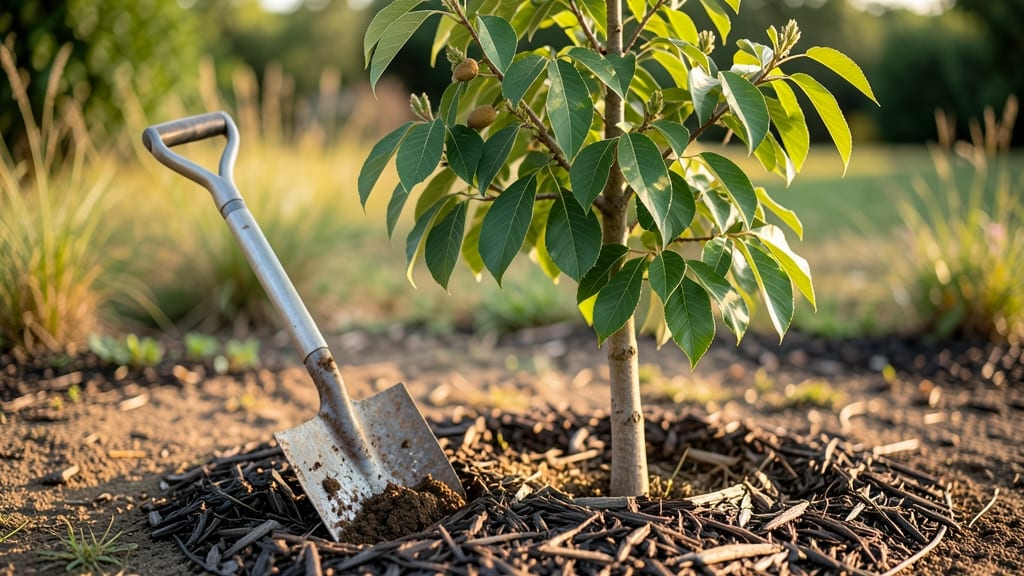
Planting a pecan tree in the Pacific Northwest means choosing a variety that thrives in cooler climates—like the cold-hardy 'Western Scholar' or 'Moapa 144.' I learned the hard way that seed-grown trees take years to produce nuts, while grafted varieties deliver faster results with better flavor.
The key starts with soil: well-draining, slightly acidic, and rich in organic matter. Skip the heavy clay, or you'll spend years fighting root rot.
Your tree needs full sun and space—at least 30 feet between it and anything else, since pecans grow wide. I planted mine near the fence line, only to watch it outgrow the yard in five years.
Dig a hole twice as wide as the root ball but no deeper, then mix in compost for that first critical boost. Water deeply right after planting, then again every 7-10 days until roots establish.
What you’ll end up with is a tree that starts bearing nuts in 5-7 years (grafted) or 10+ years (seed-grown), with a canopy that provides shade for generations.
The real payoff? Fresh pecans straight from your yard—crunchy, sweet, and impossible to find in stores. Just avoid overwatering once established, or you’ll smother those roots.
For Pacific Northwest gardeners, timing matters: plant bare-root trees in late winter or early spring when the ground is workable but before buds swell. Container-grown trees can go in year-round, but spring still gives them the best start.
The first few years are about patience—your tree’s focus is roots, not nuts. Trust the process, and you’ll have a tree that outlives you.
📚 In This Guide
- What you need
- Instructions
- Tips and common mistakes
- Wrapping up and next steps
What you need
- ● Pecan Tree Sapling: Choose a cold-hardy variety like ‘Desirable’ or ‘Moore’ (nursery-grown, 1–2 years old, 4–6 ft tall).
- ● Shovel: Heavy-duty (18–24 inches) for digging the planting hole.
- ● Garden Gloves: Sturdy, work-appropriate gloves to protect your hands.
- ● Compost or Well-Rotting Manure: 5–10 gallons to enrich the soil.
- ● Mulch: 2–3 inches of organic mulch (pine straw, wood chips) to retain moisture.
- ● Watering Can or Hose: With a gentle spray nozzle for post-planting hydration.
- ○ Stakes & Twine (Optional but Recommended): 2–3 stakes (6 ft tall) + twine to support young trees.
- ● Soil pH Test Kit: Ensure your soil’s pH is 6.0–7.5 (pecans thrive in slightly acidic to neutral soil).
- ● Tree Guard or Protective Barrier: To deter animals from nibbling on young bark.
- ● Drip Irrigation System: For consistent watering, especially in dry spells.
- ● Fertilizer (Balanced NPK): 10-10-10 or similar, applied sparingly after planting.
- ● Pruning Shears: For shaping the tree in its first few years.
Step-by-step instructions for planting a cold-hardy pecan tree
Here's how to establish a thriving pecan tree in the Pacific Northwest's cool climate.
🌱 Step 1: Choose the Right Location and Prepare the Soil
Pecan trees need space—plant your sapling at least 50 feet from structures or other trees to allow for mature spread. The Pacific Northwest's mild winters mean you can plant in early spring when soil temperatures reach 50°F, typically March or April. Avoid planting in fall—young trees won't have time to establish roots before winter.
Test your soil first. Pecan trees thrive in slightly acidic to neutral soil (pH 6.0-7.5). If your soil is too alkaline, amend it with 2-3 inches of compost mixed into the top 12 inches of soil. Pecans also need well-draining soil—if your yard retains water, raise the planting area by 6-12 inches using a mound of native soil mixed with 1 part sand to improve drainage.
🪴 Step 2: Dig the Planting Hole and Handle the Sapling
Dig a hole twice as wide as the root ball but no deeper—pecans hate having their roots buried too deep. The top of the root ball should sit 1-2 inches above ground level to prevent waterlogging. If your sapling is balled-and-burlapped, remove the burlap but leave the root ball intact. For bare-root trees, soak the roots in lukewarm water for 1-2 hours before planting to revive them.
Loosen the roots gently if they're circling the root ball—straighten them out so they spread naturally into the surrounding soil. This encourages stronger root growth right away. Place the tree in the hole and backfill with the native soil you removed, tamping it down lightly every 4-6 inches to eliminate air pockets. Water deeply to settle the soil around the roots.
☀️ Step 3: Mulch and Water for Establishment
Spread 3-4 inches of mulch (wood chips or straw) in a 3-foot diameter ring around the tree, keeping it 6 inches away from the trunk to prevent rot. Mulch retains moisture and regulates soil temperature—critical in the Pacific Northwest's wet winters and cool summers. Avoid thick layers of mulch, which can suffocate roots and attract pests.
Water deeply once a week during the first growing season, providing 10-15 gallons per tree. You'll know it's enough when water drains 6-8 inches deep into the soil. In the Pacific Northwest's damp climate, you may not need to water during rainy periods, but check the soil 2 inches deep—if it's dry, water again. Overwatering is just as harmful as underwatering, especially in heavy clay soils.
✂️ Step 4: Prune and Monitor for Early Growth
Prune only to remove dead, broken, or crossing branches in the first year. Pecan trees grow slowly, so avoid heavy pruning—it stresses young trees. Focus on shaping the tree to encourage a strong central leader. Use sterilized pruners to make clean cuts just above a bud or branch collar.
Watch for new leaves in spring—they signal the tree is establishing. In the Pacific Northwest, young pecan trees may produce male and female flowers, but fruit won't develop for 5-7 years. If you see yellowing leaves, it could mean iron deficiency (common in alkaline soils) or overwatering. Adjust care accordingly—pecans are tough but need balance.
Tips & tricks for planting a cold-hardy pecan tree
Here's what nobody tells you about planting pecans in cool climates—these tricks make all the difference for long-term success.
Timing is Everything: The early spring planting window (when soil hits 50°F) is non-negotiable for Pacific Northwest success. I've seen too many gardeners plant in late fall, thinking "it'll be fine," only to watch their trees struggle through winter. If you miss spring, wait until next year—don't plant in fall. The tree needs that full growing season to establish roots before winter dormancy.
Soil Science Matters: That 2-3 inches of compost isn't just decoration—it's the difference between a struggling tree and one that thrives. For alkaline soils (common in PNW), mix in 1 part sand to improve drainage and prevent root rot. I've had clients skip this step, and their trees showed it through stunted growth and yellowing leaves by year two. Test your soil first—it's worth the $20 investment.
Root Care During Planting: When you're straightening those circling roots in Step 2, don't just pull them—gently tease them apart like unraveling yarn. The goal is to encourage outward growth, not compact roots that'll strangle themselves. And that 1-2 hours of soaking for bare-root trees? It's not optional. I've revived multiple "dead" trees by soaking roots overnight before replanting—don't skip this hydration step.
Watering Wisdom: The "deeply once a week" guideline assumes perfect conditions, but PNW's damp climate complicates things. Check that 2-inch soil depth before watering—if it's already moist, hold off. Overwatering in heavy clay soils is just as deadly as underwatering. I've seen pecan roots suffocate from too much moisture, so when in doubt, check first. That 10-15 gallons per tree is your target, but adjust based on rainfall and soil type.
Pro Tips for Planting Pecan Tree
- Here's what nobody tells you about planting pecans in cool climates—these tricks make all the difference for long-term success.
- Timing is Everything: The early spring planting window (when soil hits 50°F) is non-negotiable for Pacific Northwest success.
- Soil Science Matters: That 2-3 inches of compost isn't just decoration—it's the difference between a struggling tree and one that thrives.
Frequently asked questions
Got questions about planting pecan trees in the Pacific Northwest?
Here are some of the most common concerns—plus expert answers to help you grow a thriving orchard.
What’s the best time of year to plant a pecan tree in the PNW?
Plant in early spring (March–April) or fall (October–November) for ideal results. Spring planting lets roots establish before summer heat, while fall planting avoids drought stress. Avoid planting in winter—frost can damage young roots!
How far apart should I space pecan trees for optimal growth?
Space trees 40–60 feet apart for full-grown height (50–70 ft) and canopy spread (30–40 ft). If space is limited, try dwarf varieties (25–30 ft apart) but expect smaller yields. Proper spacing ensures airflow and reduces disease risk.
Are pecan trees truly cold-hardy in the PNW? What varieties work best?
Yes! Most pecan varieties tolerate USDA Zones 6–9, but Desirable, Moapa, and Kanza thrive in cooler climates (down to 0°F). For the PNW, choose cold-hardy grafts or dwarf rootstocks to improve survival.
Why is my young pecan tree’s leaves yellowing? Is it dying?
Yellow leaves often signal overwatering, nutrient deficiency (iron/zinc), or root rot. Check soil moisture—pecans hate soggy roots! Amend soil with compost and ensure good drainage. If leaves curl or drop, pests (aphids) or fungal issues may be the culprit.
How much does it cost to plant a pecan tree, and where should I buy one?
Expect to pay $50–$200 per tree, depending on size and variety. Buy from reputable nurseries (e.g., PNW Tree Farm or University-certified growers) to avoid diseased stock. Avoid big-box stores—they often sell weak, non-grafted trees.
Wrapping up and next steps
Planting a pecan tree in the Pacific Northwest is a rewarding journey that blends patience with delicious results! 🌱 With the right cold-hardy variety, proper soil prep, and a little care, you’ll soon enjoy homegrown nuts straight from your backyard.
Start by selecting a well-drained spot, nurturing young trees with consistent watering, and protecting them from early frosts—your future harvest depends on it.
Ready to take the next step? Start small—whether it’s a single tree or a grove—and watch your investment grow. Before you know it, you’ll be cracking into your own homegrown pecans! 🥜