Pruning
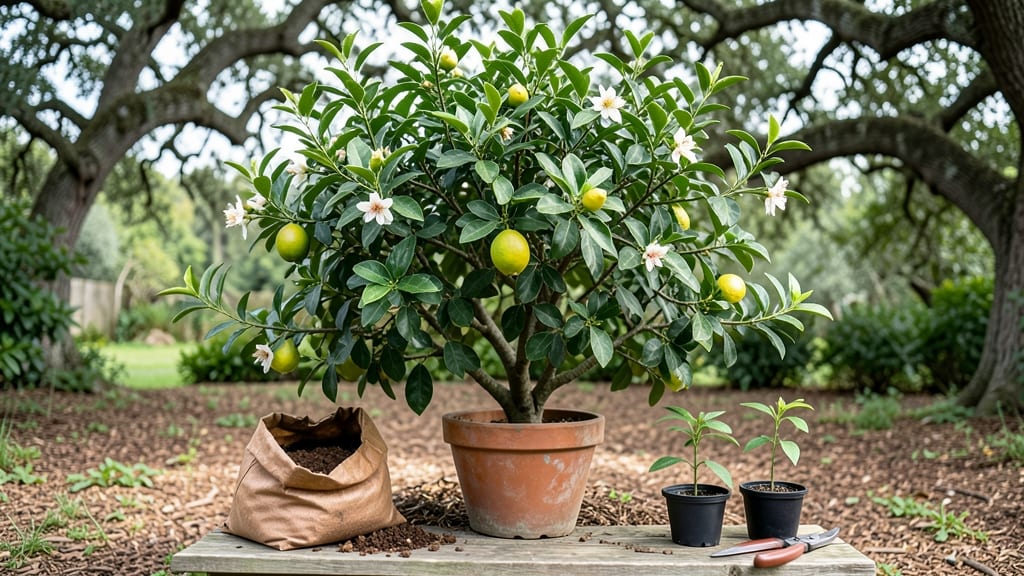
The right potting soil for lime trees is the difference between a thriving citrus tree and one that struggles with soggy roots. 🌱 I’ve learned the hard way that lime trees despise wet feet—root rot is their biggest enemy, and the secret to preventing it lies in the soil mix you choose.
Too many gardeners drown their lime trees with heavy, clay-based mixes, not realizing that these tropical trees need their roots to breathe just as much as they need to drink.
Your ideal mix should be 60% inorganic—think perlite, pumice, or coarse sand—to create air pockets, while the remaining 40% comes from organic matter like peat moss or coconut coir.
A slightly acidic to neutral pH (6.0–7.0) keeps the tree happy, and a handful of slow-release citrus fertilizer in the mix gives it a head start.
Commercial blends labeled for citrus or Mediterranean plants work, but if you’re mixing your own, balance is key—too much organic matter compacts over time, while too little inorganic material traps moisture.
You’ll notice the difference within weeks: leaves stay bright green instead of yellowing, new growth appears faster, and the tree develops that glossy, healthy sheen that tells you it’s thriving. The roots stay firm and white, not mushy or brown—a sure sign your drainage is working.
Even in containers, lime trees can grow for decades with the right soil foundation, so getting this step right pays off for years.
For containers, use a 10–15% larger pot than the tree’s root ball to allow room for growth, and always include drainage holes—no exceptions. If your mix feels too dense after watering, add more perlite or vermiculite.
And here’s the golden rule: Let the top inch dry out between waterings—your lime tree will thank you with blossoms and fruit before you know it.
📚 In This Guide
- What you need
- Instructions
- Tips and common mistakes
- Wrapping up and next steps
What you need
- ● Potting soil (base): 60% high-quality, well-draining potting mix (e.g., Miracle-Gro Potting Mix or similar). Look for labels indicating "organic" or "peat-based" blends.
- ● Perlite or pumice: 20% coarse perlite or pumice (1–2 mm particle size) to improve aeration and prevent compaction.
- ○ Sand (optional but recommended): 10% coarse horticultural sand (avoid fine beach sand) to enhance drainage.
- ● Compost or worm castings: 10% well-aged compost or worm castings for organic nutrients (avoid fresh manure—it can burn roots!).
- ● Lime or dolomite: 1–2 tablespoons per gallon of mix (if your soil is acidic; lime trees prefer slightly alkaline soil, pH 6.5–7.5).
- ● Container: A pot with drainage holes (minimum 12–18 inches in diameter for dwarf varieties; larger for standard trees).
- ● Garden trowel or shovel for mixing ingredients.
- ● Gloves (to protect your hands from gritty perlite/sand).
- ○ pH testing kit (optional but helpful to check soil acidity before mixing).
- ● Watering can or hose with a gentle spray nozzle.
- ● Pro tip: If repotting, have a helper assist with lifting the tree—lime trees can be heavy!
- ● Clay-heavy soil (compacts easily, suffocating roots).
- ● Fresh mulch or wood chips (can introduce pathogens or rob nitrogen).
- ● Overwatering—lime trees hate soggy roots! Stick to the finger test (insert your finger 1–2 inches deep; water if dry).
Step-by-Step guide to creating the perfect potting mix for lime trees
Here's the foolproof blend I use to keep my lime trees thriving without soggy roots.
🪴 Step 1: Gather Your Base Materials for Drainage
Start with 3 parts coarse sand—I use horticultural-grade sand, not playground sand—to create that critical drainage. This prevents water from pooling around roots, which lime trees despise. Add 2 parts perlite to lighten the mix and improve aeration. Perlite also helps retain some moisture while still allowing excess to drain away.
Mix these two components first in a wheelbarrow or large container. You'll see it become fluffy and airy—this is exactly what you want. The sand provides grit, while the perlite creates tiny air pockets. I like to wear a mask during this step because perlite dust can be irritating to lungs.
🌱 Step 2: Add the Organic Components
Now incorporate 2 parts high-quality potting soil. Choose a mix labeled for citrus or Mediterranean plants if available—these blends already contain the right pH balance (around 6.0-7.0). If you're using regular potting mix, add 1 part peat moss to improve moisture retention without compacting.
Here's the thing—lime trees need nutrients but hate soggy soil. I blend in 1 part compost (well-aged, not fresh) for gentle feeding. This provides slow-release nutrients while maintaining the fluffy texture. Mix everything thoroughly until you can't see distinct layers. The final blend should resemble crumbly cake batter—not too dense, not too loose.
💧 Step 3: Test and Adjust the Moisture Balance
Take a handful of your mix and squeeze it gently. It should hold together slightly but not form a tight ball. If it crumbles completely, add a little more peat moss. If it stays compacted, mix in an extra part of perlite. The ideal texture should resemble a damp sponge—firm enough to support roots but not waterlogged.
Water the mix lightly and let it drain completely. Then add it to your pot, filling only ⅔ full—lime trees need room for root expansion. Leave at least 2 inches of space between the soil surface and pot rim to prevent overflow during watering. This also gives you room to top-dress with mulch later.
☀️ Step 4: Verify Drainage Before Planting
Place your pot in a sink or on a tray and water thoroughly until water flows freely from the drainage holes. The mix should drain completely within 5-10 minutes. If water pools at the bottom after 15 minutes, add more perlite or coarse sand to improve drainage.
This test is crucial—lime trees are particularly vulnerable to root rot. You'll see the perfect mix drain like a fine coffee filter: water flows steadily but doesn't gush. The surface should feel slightly damp but not wet to the touch. Once satisfied, you're ready to plant your lime tree with confidence.
Tips & tricks for perfect lime tree potting mix
Between us, the secret to happy lime trees isn't just about the ingredients—it's about how you handle them. These little tweaks make all the difference between a thriving plant and one that struggles.
Selection Tip: For the 3 parts coarse sand, I can't emphasize enough how important it is to use horticultural-grade sand—not playground sand. The difference is in the particle size and purity. Playground sand often contains silt and clay that can compact over time, ruining your drainage. If you're unsure, look for sand labeled "sharp" or "builder's sand" at garden centers. This ensures your Step 1 foundation will stay loose and effective for months.
Texture Secret: When combining the 2 parts potting soil in Step 2, I've found that sifting the soil through a fine mesh screen first makes a noticeable difference. This removes any large clumps that could create air pockets or compact spots in your final mix. Think of it like making pancake batter—you want everything evenly distributed so your lime tree gets consistent nutrients and aeration throughout. The goal is that "crumbly cake batter" texture mentioned in the instructions, and sifting helps achieve that perfectly.
Drainage Test Pro Tip: During the Step 4 drainage test, I've learned to pay attention not just to the timing but to the sound of the water draining. A good mix should drain with a steady, even flow—not a sudden gush followed by nothing. If you hear a "glug glug" sound with pauses, that means your mix has pockets where water pools. In that case, add a bit more perlite to those areas and remix thoroughly. This is your chance to catch any inconsistencies before they become problems with your lime tree's roots.
Long-Term Strategy: After using this mix for years, I've discovered that lime trees actually benefit from a top-dressing of fresh perlite every 3-4 months. Simply sprinkle about ½ inch of perlite on the surface and gently work it into the top layer of soil. This refreshes the drainage properties without disturbing the roots. It's like giving your mix a little tune-up—no need to remake the entire blend when you can just revitalize the top layer.
Pro Tips for Potting Soil For Lime Tree
- Between us, the secret to happy lime trees isn't just about the ingredients—it's about how you handle them.
- Selection Tip: For the 3 parts coarse sand, I can't emphasize enough how important it is to use horticultural-grade sand—not playground sand.
- Texture Secret: When combining the 2 parts potting soil in Step 2, I've found that sifting the soil through a fine mesh screen first makes a noticeable difference.
Frequently asked questions
Got questions about the perfect potting soil for lime tree? You’re not alone! Here are answers to the most common concerns—so you can keep your citrus tree thriving without the guesswork.
What’s the ideal potting soil mix ratio for a lime tree?
A well-balanced mix for lime trees should be 60% inorganic matter (perlite, pumice, or coarse sand) and 40% organic matter (peat moss, coconut coir, or compost). This ratio ensures drainage while retaining enough moisture. Avoid heavy garden soil—it compacts and suffocates roots!
When is the best time to repot a lime tree?
Repot your lime tree in early spring (just as new growth begins) or late winter. This gives roots time to establish before summer heat. If you notice roots circling the pot or soil drying too fast, it’s a sign it’s time—don’t wait until the plant is stressed!
Can I reuse old potting soil for my lime tree?
Reusing soil isn’t recommended—it can harbor fungal diseases, pests, or salt buildup from fertilizers. Refresh your mix by removing 50% of the old soil and adding new, sterile potting mix with perlite. Sterilize containers by soaking in a 10% bleach solution (rinse well).
Why does my lime tree’s soil smell bad or moldy?
A foul odor or moldy soil usually means overwatering, poor drainage, or anaerobic conditions. Fix it by:
- Repotting with a fresh, well-draining mix (add 10-20% perlite).
- Ensuring the pot has drainage holes.
- Watering only when the top 1-2 inches of soil are dry.
- Trimming any black, mushy roots during repotting.
What’s a budget-friendly alternative to premium potting mixes?
Skip expensive citrus blends by DIY-ing a mix with:
- 50% coconut coir or peat moss (holds moisture).
- 30% perlite or pumice (improves drainage).
- 20% compost or worm castings (adds nutrients).
Wrapping up and next steps
Choosing the right potting soil for lime tree is the secret to a thriving, disease-resistant plant—especially in containers where drainage is everything! 🌱 A well-balanced mix of cactus/succulent soil, perlite, and compost ensures your lime tree stays healthy, avoids root rot, and even boosts fruit production.
Don’t overcomplicate it: focus on aeration, moisture control, and a slightly acidic pH.
Ready to give your lime tree the best care? Start by testing your current soil (or grab a pre-mixed blend if DIY isn’t your thing) and repot if needed. With the right foundation, your tree will reward you with lush foliage and delicious fruit for years to come! 🍋✨