
Trees
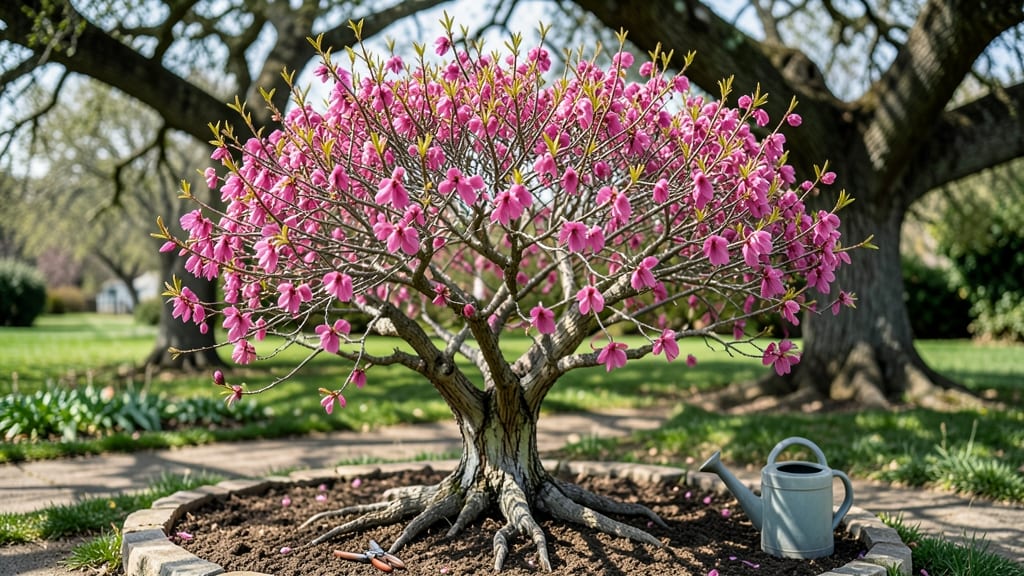
Transform your yard into a springtime paradise with the prettiest flowering trees, where pink cherry blossoms, lavender wisteria, and golden magnolias create breathtaking displays. I planted a Japanese maple last year, and its delicate pink blooms turned my dull corner into a magnet for neighbors and hummingbirds alike.
These trees aren’t just pretty—they’re practical too. Most thrive in full sun, need minimal pruning, and handle drought once established. A dogwood adds height with its white, four-petaled blooms, while crabapples pack color and fragrance into a single compact tree.
For small spaces, ornamental pear delivers seasonal drama without taking over.
Imagine your garden in May: soft pinks mingling with deep purples, the air thick with sweet perfume, and every passing breeze carrying petals like confetti. These trees become your centerpiece, whether planted as a solitary statement or layered along a border for continuous color.
Best of all, they adapt to different climates—just match the variety to your zone. A redbud thrives in zones 4-9, while crepe myrtle loves the heat of zones 7-10. Let’s pick the perfect one for your space and style!
📚 In This Guide
- What you need
- Instructions
- Tips and common mistakes
- Wrapping up and next steps
What you need
- ● Flowering tree saplings: Choose 1–3 trees (e.g., Japanese cherry, dogwood, or magnolia) based on your climate zone and space. Opt for 1–2 gallon containers for young trees or 5+ gallon containers for mature specimens.
- ● High-quality potting soil: 2–3 bags (50 lbs each) of well-draining, organic-rich soil (e.g., miracle-gro garden soil or espoma organic potting mix).
- ● Mulch: 1–2 bags (2–3 cubic feet) of wood chips or shredded bark to retain moisture and regulate soil temperature.
- ● Slow-release fertilizer: 1–2 bags of balanced, tree-specific fertilizer (e.g., 10-10-10 NPK ratio) or organic options like composted manure.
- ● Shovel: 1 heavy-duty garden shovel (for digging holes 2–3x wider than the root ball).
- ● Garden gloves: 1 pair of durable, breathable gloves (e.g., workman’s friend or gardening-specific).
- ● Wheelbarrow or bucket: 1 5-gallon capacity for mixing soil or transporting materials.
- ● Watering can or hose: 1 gentle-spray nozzle for post-planting hydration.
- ● Pruning shears: 1 pair of sharp, bypass-pruners (for trimming dead branches post-planting).
- ● Tree stakes & ties: 2–4 stakes + soft fabric ties to support young trees in windy areas.
- ● Soil moisture meter: 1 digital probe to monitor hydration levels (especially for drought-prone species).
- ● Epsom salt: 1 small bag for magnesium boost (great for yellowing leaves in flowering trees).
- ● Decorative rocks or edging: For a polished look around the base of your tree.
How to select and plant stunning flowering trees for year-round beauty
Here’s how I choose and establish flowering trees that transform any landscape into a living masterpiece.
Choose Trees Based on Climate and Seasonal Interest
First, match your local USDA hardiness zone to trees that thrive there. For example, crabapples (Malus spp.) dazzle in zones 4–8 with spring blooms and persistent fruit, while dogwoods (Cornus florida) shine in zones 5–9 with delicate spring flowers and fiery fall foliage. I always check bloom time—some trees like magnolias flower in late winter, while cherry blossoms peak in early spring.
Consider year-round value: serviceberry (Amelanchier) offers spring blossoms, edible summer fruit, and brilliant fall color. Layering trees with staggered bloom periods ensures continuous color from early spring through summer. For example, plant redbud (Cercis canadensis) for early spring color, followed by crepe myrtle (Lagerstroemia) for summer-long blooms.
Prepare the Planting Site for Long-Term Health
Dig a hole twice as wide as the tree’s root ball but no deeper—this encourages roots to spread horizontally. Amend the native soil with 2–3 inches of compost mixed into the bottom and sides of the hole. Avoid heavy clay? Loosen the soil further by blending in 1 part peat moss for every 3 parts native soil to improve drainage.
Test the site’s sunlight. Most flowering trees crave full sun (6–8 hours daily), but Japanese maples (Acer palmatum) tolerate partial shade. Plant on a slight slope if possible—this helps water drain away from the trunk, preventing rot. I always step back after planting to visualize the tree’s mature shape and ensure it won’t outgrow the space.
Plant with Care to Ensure Strong Establishment
Place the tree so the top of the root ball sits 1–2 inches above ground level—this prevents soil from settling and smothering the trunk. Spread roots gently if they’re circling, then backfill with the amended soil, tamping lightly to remove air pockets. Water deeply to settle the soil, then add a 2–3 inch layer of mulch (keep it 6 inches away from the trunk to avoid rot).
Stake only if necessary—trees with strong root systems (like oak or hickory) often don’t need support. For smaller or top-heavy trees (e.g., weeping willow), use two stakes and a soft tree tie to prevent trunk damage. Water twice weekly for the first month, ensuring the soil stays evenly moist but not soggy—this critical period determines whether the tree thrives or struggles.
Prune and Maintain for Vibrant Blooms
Prune in late winter or early spring before new growth begins. Remove dead, crossing, or inward-growing branches first, then thin the canopy to improve airflow. For flowering trees, avoid heavy pruning—never cut more than 25% of the canopy in one season, or you risk reducing next year’s blooms. I always sterilize pruners with rubbing alcohol between cuts to prevent disease spread.
Fertilize lightly in early spring with a balanced, slow-release fertilizer (10-10-10). Over-fertilizing encourages leafy growth at the expense of flowers. Monitor for pests like aphids or scale, which can weaken trees. A hose spray often dislodges aphids, while neem oil treats scale effectively. Most importantly, water deeply once a month during dry spells—deep roots mean drought resistance, but consistent moisture keeps blooms lush.
Tips & tricks for perfect flowering tree planting
Between us, the difference between a thriving flowering tree and one that struggles often comes down to these details you might overlook.
Climate Matching: Always verify your USDA hardiness zone before selecting trees—this isn't just about survival, it's about peak performance. For example, while crabapples thrive in zones 4-8, dogwoods need zones 5-9. I once planted a magnolia in zone 6 when it needed zone 7, and it took three years to recover from the stress. Check the specific bloom window too—magnolias need that late winter chill while cherry blossoms prefer early spring warmth.
Soil Preparation: The 2-3 inches of compost you mix into the hole isn't just filler—it's the foundation for root health. For heavy clay soils, that 1:3 peat moss blend is non-negotiable. I test drainage by digging a hole first and filling it with water—if it doesn't drain within 30 minutes, you need to amend further. Proper drainage prevents root rot, which is the silent killer of flowering trees.
Planting Depth: That 1-2 inch elevation above ground level for the root ball might seem minor, but it's critical. Settling soil can bury the trunk over time, creating a perfect environment for disease. After planting, I always draw an imaginary line at the original soil level and mark it with landscape paint—this helps me monitor settling over the first growing season.
Pruning Precision: When you're pruning in late winter, remember that 25% canopy rule isn't arbitrary—it's based on how flowering trees store energy. Cutting more than that forces the tree to redirect resources from next year's blooms to healing wounds. I always make cuts just outside the branch collar where it meets the trunk, and I never leave stubs—this prevents entry points for pests and diseases.
Pro Tips for Prettiest Flowering Trees
- Between us, the difference between a thriving flowering tree and one that struggles often comes down to these details you might overlook.
- Climate Matching: Always verify your USDA hardiness zone before selecting trees—this isn't just about survival, it's about peak performance.
- Soil Preparation: The 2-3 inches of compost you mix into the hole isn't just filler—it's the foundation for root health.
Frequently asked questions
Got questions about choosing, planting, or caring for the prettiest flowering trees? You’re not alone! Here are answers to the most common queries to help you create a stunning spring display with confidence.
What’s the best flowering tree for small yards or containers?
If space is limited, opt for compact varieties like the Japanese Maple (e.g., 'Bloodgood') or Dwarf Crape Myrtle. These thrive in containers (15-20 gallons) and still burst with color! Just ensure they get 6+ hours of sunlight and well-draining soil. Pro tip: Prune lightly after flowering to maintain shape.
When is the ideal time to plant flowering trees?
Plant in early spring or fall—when temperatures are mild (50–70°F) and soil isn’t frozen. Avoid summer heatwaves or winter freezes, as roots need time to establish before stress. Bonus: Fall-planted trees often bloom earlier the next spring!
How do I keep my flowering tree healthy in extreme weather?
Extreme heat? Mulch heavily and water deeply 2–3x/week. Freezing temps? Wrap young trees with burlap and avoid pruning until spring. Watch for: Wilting leaves (overwatering) or brown edges (underwatering). Most flowering trees recover quickly if roots stay moist but not soggy.
Can I grow flowering trees from seed, or should I buy saplings?
While some trees (like Magnolias) can grow from seed, it’s risky and slow—germination rates vary, and traits may not match the parent plant. Stick with 1–3 year-old saplings from nurseries for guaranteed blooms and faster growth. Pro tip: Look for "container-grown" labels—they transplant easier!
Why aren’t my flowering trees blooming this year?
Common culprits: age (many need 3–5 years to bloom), poor sunlight, or over-fertilizing (too much nitrogen = leafy growth, no flowers). Check your tree’s needs—some (like Dogwoods) need full sun, while others (Fringe Trees) tolerate shade. Patience pays off!
| Quick Fixes for No Blooms | Action |
|---|---|
| Too much shade? | Thin nearby branches or transplant to sunnier spot. |
| Overwatered? | Let soil dry between waterings; improve drainage. |
| Young tree? | Be patient! Feed lightly with low-nitrogen fertilizer (like 5-10-5). |
Wrapping up and next steps
Transforming your outdoor space with prettiest flowering trees isn’t just about aesthetics—it’s about creating a vibrant, joyful haven that blooms with life every spring.
Whether you’re drawn to the delicate charm of cherry blossoms, the bold drama of crape myrtles, or the whimsical allure of magnolias, these trees promise year-round beauty with minimal fuss. 🌸
Ready to turn your yard into a living masterpiece? Start small—research your local climate, pick a tree that fits your style, and take the first step toward a blooming paradise! Plant a seed (literally or metaphorically) today, and watch your space flourish.