Pruning
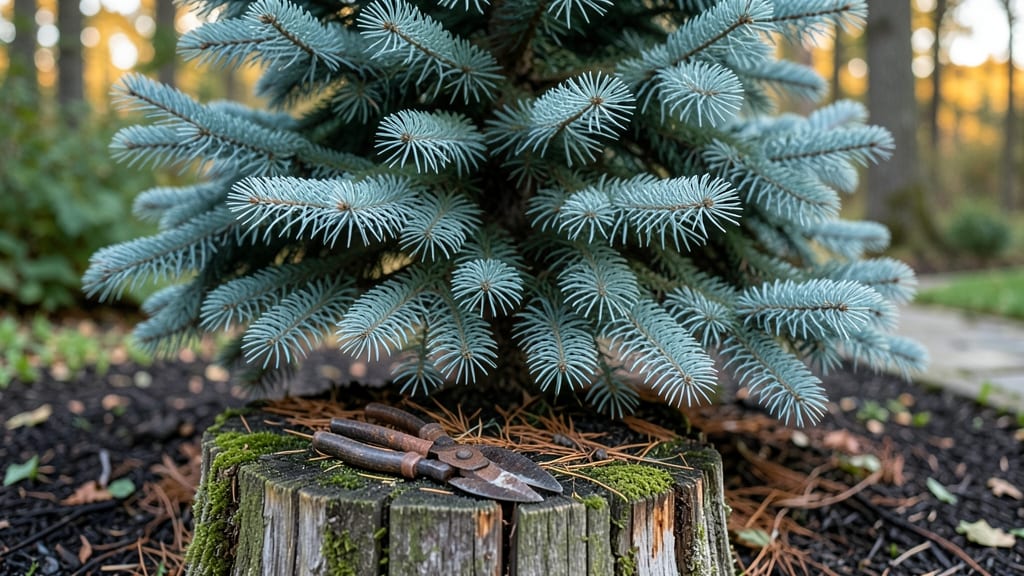
Pruning blue spruce trees isn’t just about keeping them tidy—it’s about unlocking their natural beauty and preventing disease. 🌲 I’ve learned the hard way that skipping this step leads to sparse growth and those telltale brown patches that ruin the look.
The key is timing and technique, and once you master it, your trees will stay lush and full for decades.
You’ll need sharp pruning shears, a ladder (for taller trees), and a clear day when the weather’s mild. Start by removing dead or diseased branches first—these are easy to spot as they’re brown or brittle.
Then, shape the tree by trimming back overgrown branches to maintain its natural pyramid form, but never cut more than a quarter of the foliage at once.
What you’ll end up with is a tree that looks fuller, grows stronger, and resists pests better. The secret is in the small, regular cuts—think of it like giving your spruce a haircut every year, not a drastic makeover.
You’ll notice new growth filling in within weeks, and the tree’s structure will stay balanced for years.
This works year-round, but late winter or early spring is ideal. Avoid heavy pruning in fall, as new growth won’t have time to harden off before winter. For larger branches, use the three-cut method to prevent tearing, and always sterilize your tools between cuts to stop the spread of disease.
📚 In This Guide
- What you need
- Instructions
- Tips and common mistakes
- Wrapping up and next steps
What you need
- ● Pruning shears: Bypass pruners (for small branches, ¼"–¾" thick)
- ● Loppers: Bypass or anvil type (for medium branches, ¾"–2" thick)
- ● Pruning saw: Curved-tooth saw (for thick branches, 2"+ thick)
- ● Extension pole: 6–10 ft (for high branches)
- ● Work gloves: Heavy-duty, cut-resistant (to protect your hands)
- ● Ladder: Sturdy, extendable (if needed for taller trees)
- ● Disposable pruning bags: 2–3 (to collect debris)
- ● Rubbing alcohol: Small bottle (to sterilize tools between cuts)
- ○ Tree wound sealant (optional): For large cuts (if desired)
- ● Weather check: Prune on a dry, calm day (avoid wind or rain)
- ● Safety glasses: To shield eyes from debris
- ● Long sleeves/pants: Protect against scratches and sap
- ● First-aid kit: Just in case (scratches happen!)
- ● Water & snacks: Hydration breaks keep you energized!
Step-by-step guide for pruning blue spruce trees
Here's how I keep blue spruce trees looking sharp and healthy all year.
✂️ Step 1: Choose the Right Tools and Timing
Start with clean, sharp pruning shears for cuts under ¼ inch thick. For thicker branches, use loppers or a pruning saw—dull tools crush stems and invite disease. I always disinfect my blades with rubbing alcohol between cuts to prevent spreading sap-borne infections.
Timing matters most. Prune blue spruce in late winter or early spring before new growth begins. Avoid heavy pruning in summer—it stresses the tree and leaves it vulnerable to heat and pests. If you must shape in summer, limit cuts to light trimming of wayward branches only.
🌿 Step 2: Assess and Plan Your Cuts
Step back and examine the tree's natural shape. Blue spruce grow in a conical form, so I focus on maintaining that silhouette. Remove dead, diseased, or crossing branches first—they're easy to spot as brown, brittle, or rubbing against others. Mark your cuts with a piece of twine if needed to visualize the final shape.
Never remove more than 25% of the tree's foliage in one season. This rule prevents shock and ensures the tree can recover. For young trees, light pruning encourages fuller growth—just trim the tips of new shoots to promote branching. Mature trees need selective thinning to improve air circulation.
✂️ Step 3: Make Clean, Strategic Cuts
Cut just outside the branch collar—the swollen area where the branch meets the trunk. This ensures proper healing. For upright branches, make the cut at a slight downward angle to prevent water pooling. Avoid leaving stubs—they invite decay and look unnatural.
When shaping, focus on the outer third of the tree first. Blue spruce grow upward, so I gradually taper the cuts higher as I move inward. Use a ladder for high branches, but never stand on the tree itself—it can damage the bark and break limbs. Always face the ladder away from power lines for safety.
🌱 Step 4: Post-Pruning Care and Maintenance
After pruning, water the tree deeply to help it recover. A 1-inch layer of mulch around the base retains moisture and regulates soil temperature. Avoid piling mulch against the trunk—keep it 3 inches away to prevent rot.
Monitor the tree for the first few weeks. New growth should appear within 4-6 weeks if the cuts were made correctly. If you notice yellowing needles or wilting, reduce watering slightly—the tree may be stressed. For large cuts, apply a dab of pruning sealant to protect exposed wood, though healthy trees often heal without it.
Tips & tricks for pruning blue spruce trees
Here's what I've learned after years of shaping blue spruce without damaging them—these tricks make all the difference.
Tool Prep is Non-Negotiable: Before you make a single cut, sharpen your pruning shears and loppers—dull blades tear tissue instead of making clean cuts. I test sharpness by slicing a piece of paper; if it tears, sharpen again. For branches over ¼ inch thick, switch to loppers immediately. And here's what nobody tells you—wipe blades with rubbing alcohol between each cut to stop sap-borne diseases from spreading like wildfire through your tree.
Visualize Before You Cut: In Step 2, when you're planning your cuts, step back and look at your tree from all sides. Use a piece of twine to outline where you'll make cuts—this helps you see the final shape before you start. I've ruined too many trees by cutting without a plan, so don't make my mistake: sketch a quick outline on paper first if needed. The goal is to maintain that natural conical shape while opening up the center for better airflow.
The 25% Rule is Your Safety Net: Never remove more than 25% of the foliage in one season—that's not just a suggestion, it's a survival rule for blue spruce. When you're shaping in Step 3, work in small sections and take breaks to reassess. I learned this the hard way after pruning too aggressively and nearly losing a 15-year-old tree. If you're unsure, err on the side of caution and leave more foliage than you think you need.
Post-Pruning Care Makes the Difference: After you've finished cutting, the work isn't over. Water deeply right away to help the tree recover, then apply that 1-inch layer of mulch—keep it 3 inches away from the trunk to prevent rot. In the first 4-6 weeks, watch for new growth as your reward for careful pruning. If you notice yellowing needles, cut back on watering slightly—the tree might be stressed from the pruning. For large cuts, a dab of pruning sealant can help, but healthy trees often heal beautifully on their own.
Pro Tips for Pruning Blue Spruce Trees
- Here's what I've learned after years of shaping blue spruce without damaging them—these tricks make all the difference.
- Tool Prep is Non-Negotiable: Before you make a single cut, sharpen your pruning shears and loppers—dull blades tear tissue instead of making clean cuts.
- Visualize Before You Cut: In Step 2, when you're planning your cuts, step back and look at your tree from all sides.
Frequently asked questions
Got questions about pruning your blue spruce trees? You’re not alone! Here are some of the most common concerns—and their answers—to keep your evergreen looking its best year-round.
When is the best time to prune blue spruce trees?
Late winter or early spring (just before new growth starts) is ideal. Avoid heavy pruning in late summer or fall, as it can stress the tree. Light shaping for safety (like removing dead branches) can happen anytime, but major cuts wait for dormancy.
How much can I trim without harming my blue spruce?
Never remove more than 25% of the tree’s foliage in a single session. Blue spruces are sensitive to over-pruning—stick to selective cuts to maintain health. Focus on removing dead wood, crossing branches, or overgrowth that disrupts the natural shape.
My blue spruce looks sad after pruning—what went wrong?
Yellowing needles or stunted growth often mean over-pruning or cutting into old wood. If you see brown patches, prune too late in the season, or used dull tools. Water deeply post-pruning and avoid fertilizing until new growth appears.
Can I shape my blue spruce like a topiary?
Yes, but with caution! Blue spruces tolerate light topiary styling (like rounded or tiered shapes), but avoid extreme cuts. Use sharp shears for clean lines and prune gradually. For formal shapes, start young—mature trees may struggle with heavy shaping.
Should I prune for pests or disease?
Remove any branches with signs of pests (sawdust-like frass, holes) or disease (mushrooms, oozing sap). Sterilize tools between cuts with rubbing alcohol, and dispose of infected branches far from the tree. Prune in dry weather to prevent spreading spores.
Wrapping up and next steps
Pruning your blue spruce trees is a rewarding way to keep them healthy, shapely, and thriving for years to come! 🌲 By following the right techniques—whether trimming in early spring, removing dead branches, or shaping for balance—you’ll encourage lush growth and prevent disease.
The key is patience and consistency, so don’t hesitate to roll up your sleeves and give your trees the care they deserve.
Ready to take the next step? Grab your pruners, review your notes, and schedule a pruning session—your blue spruce will thank you with vibrant, vibrant foliage year after year!