
Pruning
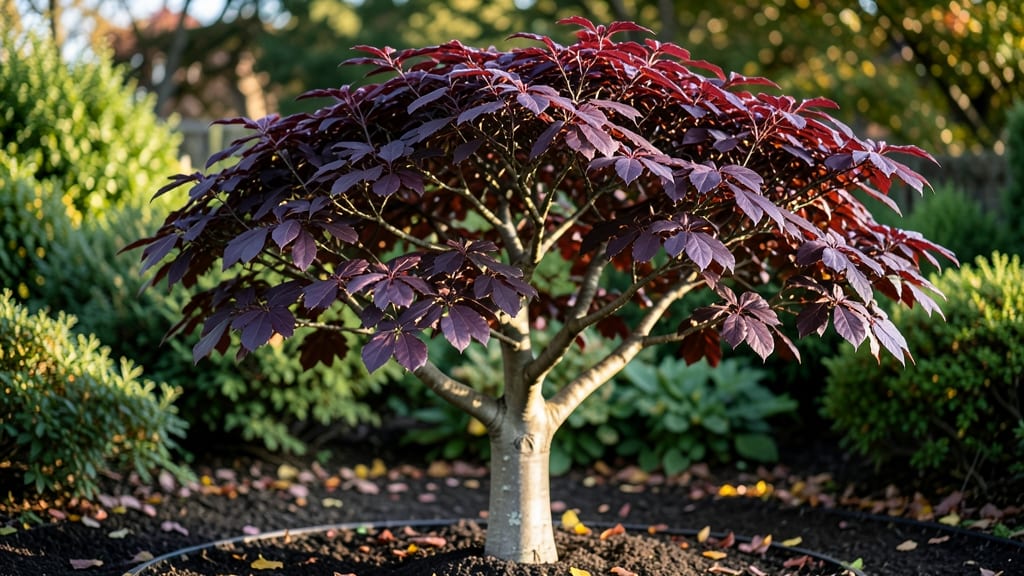
The purple European beech tree (Fagus sylvatica 'Purpurea') turns your garden into a living painting—deep violet leaves that shift through seasons without losing their drama. I planted mine as a statement piece in my front yard, and it’s become the neighborhood’s most photographed tree.
The rich color contrasts beautifully with evergreens and blooming perennials, creating a focal point that works year-round.
This tree thrives in partial shade to full sun, making it perfect for underplanting with hostas or ferns. Its slow growth means minimal pruning—just shape it lightly in early spring to maintain its elegant form.
The real magic happens in autumn when the foliage deepens into burgundy, and winter reveals its intricate bark texture. It’s the kind of tree that makes neighbors ask, “What is that?”—and then want one too.
Pair it with silver foliage plants like lamb’s ear or dusty miller to make the purple leaves pop even more. In spring, early blooms from bulbs like daffodils or bluebells peek through its canopy, adding another layer of interest.
The tree’s dense canopy also provides dappled shade for seating areas or garden beds below. It’s not just a tree—it’s a seasonal masterpiece that requires almost no effort to maintain.
For best results, give it plenty of space—20-30 feet of clearance as it matures. The roots are shallow but not aggressive, so it won’t crowd out nearby plants. Whether you’re designing a formal garden or a natural woodland feel, this beech adds year-round structure and color with minimal upkeep.
Once established, it’s nearly indestructible and will reward you for decades.
📚 In This Guide
- What you need
- Instructions
- Tips and common mistakes
- Wrapping up and next steps
What you need
- ● Pruning shears: Bypass pruners (sharp, 6–8" blades) for clean cuts on small branches (1" diameter or less). Pro tip: 💡 Sanitize with rubbing alcohol before and after use to prevent disease!
- ● Loppers: 1 pair (18–24" long) for medium branches (1–2" diameter). Look for ratcheting or bypass models for precision.
- ● Pruning saw: 1 curved-tooth saw (for branches >2" thick). A folding bow saw is ideal for hard-to-reach spots.
- ○ Extension pole: 6–10 ft with a saw attachment (optional but a game-changer for high branches!).
- ● Gloves: Heavy-duty, cut-resistant gloves (e.g., mechanics’ gloves) to protect hands from thorns and rough bark.
- ● Ladder: Sturdy, non-slip aluminum ladder (tall enough to reach the tree’s canopy safely). Safety first! 🔥
- ● Disposable pruning bags: 2–3 large bags (10–15 gallons) to collect debris. Compostable bags are eco-friendly!
- ● Rubbing alcohol (70% isopropyl) or bleach solution: 1 bottle or spray bottle (1:9 bleach-to-water ratio) for sterilizing tools.
- ● Handheld leaf blower: For quick cleanup of fine debris from the base.
- ● Tree wound dressing: Pruning sealant (controversial but useful for large cuts >2" diameter).
- ● Marking twine or flags: To tag branches for removal (helpful for complex pruning plans).
- ● Safety gear: Goggles (to shield from falling debris) and earplugs (if using a chainsaw for stubborn branches).
- ● Weather check: Prune on a dry, calm day (avoid wind or rain). Early morning or late afternoon is ideal.
- ● Tree health assessment: Inspect the beech for signs of disease (e.g., fungal spots, oozing sap) before pruning. Skip pruning if the tree is stressed! 🌡️
- ● Local regulations: Check if your area requires permits for tree pruning (especially for large or protected species).
- ● First aid kit: Bandages and antiseptic wipes (just in case!).
Step-by-step instructions for planting and caring for purple European beech trees
Here's how to establish these stunning trees with long-lasting beauty and minimal fuss.
🌱 Step 1: Choose the Perfect Planting Location
Purple European beeches thrive in partial shade to full sun but develop their richest purple hues when protected from harsh afternoon rays. Scout your yard for spots with well-draining soil—avoid areas where water pools after rain. The tree's shallow root system spreads widely, so give it plenty of elbow room: plant at least 15 feet from buildings, sidewalks, or other trees.
I always test the soil by digging a 12-inch hole—if water doesn't drain within 30 minutes, amend with 2-3 inches of compost mixed into the native soil. These trees hate soggy roots. A slightly acidic to neutral pH (6.0-7.0) works best, but they're forgiving if your soil tests outside this range.
🪴 Step 2: Plant with Care During the Right Season
Timing matters most for these slow-growing beauties. Plant in early spring or fall when temperatures hover between 50-70°F—this gives roots time to establish before summer heat or winter cold sets in. Dig a hole twice as wide as the root ball but no deeper, as the tree dislikes being buried too deeply. Loosen the root ball slightly if it's tightly bound.
Place the tree in the center of the hole, then backfill with a mix of native soil and 20% compost. Water deeply to settle the soil, then create a 2-inch deep watering basin around the base. The first year is critical—water twice weekly until the tree shows new growth, then taper to once a week during dry spells. Mulch with 3 inches of wood chips to retain moisture and protect roots.
☀️ Step 3: Maintain with Minimal Pruning
One of the tree's biggest charms is its low-maintenance nature. Prune only to remove dead, diseased, or crossing branches—never for shape. The best time to prune is late winter or early spring, just before new growth begins. Use clean, sharp pruners to make cuts at a 45-degree angle just above a bud or branch collar. Avoid heavy pruning, as beeches respond poorly to aggressive cuts.
Watch for bronze or brown leaves in summer—they're normal and signal the tree's natural seasonal shift. If you notice yellowing leaves, it's often a sign of overwatering or poor drainage. Purple European beeches are drought-tolerant once established, so let the soil dry out between waterings. A mature tree needs water only during prolonged dry periods (more than two weeks without rain).
⏰ Step 4: Protect and Enjoy Year-Round
These trees handle cold beautifully, thriving in USDA zones 4-8, but young trees need winter protection. In the first two winters, wrap the trunk with tree guard or burlap to shield it from rodents and frost cracks. Avoid heavy mulch piles against the trunk—keep it 3 inches away to prevent rot.
Here's the thing—beeches grow slowly, so patience pays off. A 5-year-old tree might be 10 feet tall, but by 20 years, it reaches its full 40-60 foot height. The purple foliage deepens with age, so resist the urge to prune for color. Instead, let the tree mature naturally. In fall, the leaves turn golden-brown before dropping, creating a stunning seasonal display.
Tips & tricks for perfect purple European beech tree planting
Planting these stunning trees takes thoughtful preparation—here are the details that make all the difference for long-term success.
Soil Test First: Before planting, grab a handful of soil from your chosen spot and squeeze it. If it stays clumped for more than 30 minutes after the initial test, you'll need to amend it with compost. I've planted in spots that looked fine until after the first heavy rain—always double-check drainage, especially in low-lying areas where water collects.
Seasonal Timing Secret: The 50-70°F window for planting might seem narrow, but it's crucial. I once planted in late spring when temperatures hit 75°F, and the tree struggled through its first summer. If you miss spring, fall planting works beautifully—just aim for at least 6 weeks before your first hard frost. The roots need time to establish before winter sets in.
Root Ball Handling: When you remove the tree from its container, gently squeeze the root ball to loosen it slightly—this encourages roots to spread outward rather than circling. I've seen new gardeners plant trees with tightly bound roots that never establish properly. If the root ball is particularly dense, make a few vertical cuts around the edges with a knife to help roots expand into the surrounding soil.
Winter Protection Strategy: For those first two winters, don't skimp on the tree guard. I've seen rodents chew through thinner wraps, leaving vulnerable bark exposed. Wrap the trunk loosely with burlap or tree guard, leaving room for the tree to grow. The 3-inch gap from mulch to trunk is critical—too much mulch can cause rot, while too little leaves roots exposed to temperature swings.
Pro Tips for Purple European Beech Tree
- Planting these stunning trees takes thoughtful preparation—here are the details that make all the difference for long-term success.
- Soil Test First: Before planting, grab a handful of soil from your chosen spot and squeeze it.
- Seasonal Timing Secret: The 50-70°F window for planting might seem narrow, but it's crucial.
Frequently asked questions
Got questions about keeping your Purple European Beech stunning with minimal effort? You’re in the right place!
Here are answers to the most common queries—so you can enjoy that showstopping foliage all year long.
How often should I prune a Purple European Beech tree?
Prune your beech tree once a year, ideally in late winter or early spring (before new growth starts). This keeps it healthy and encourages vibrant purple leaves. Avoid heavy pruning—just remove dead, crossing, or overcrowded branches. Pro tip: Use sharp tools to prevent tearing bark!
Will my Purple European Beech lose its color in winter?
Yes! While the leaves may fade to a muted bronze or purple-brown in cold months, they’ll retain their structure (unlike deciduous trees). The drama returns in spring when fresh foliage emerges. For extra winter flair, plant it where its silhouette stands out against snow.
Can I grow a Purple European Beech in a small yard?
Opt for the ‘Purpureum’ cultivar, which stays compact (20–30 ft tall). Just ensure it has 6+ hours of sunlight daily and well-draining soil. Dwarf varieties like ‘Fastigiata Purpurea’ are perfect for tight spaces.
Why are my beech tree’s leaves turning brown or yellow?
Brown/yellow leaves often signal overwatering, drought, or pests. Check soil moisture (it should be dry 2 inches down) and inspect for spider mites or scale insects. Prune affected branches and apply neem oil if needed. Warning: Avoid fertilizing stressed trees!
What’s the best alternative if I can’t maintain a beech tree?
Consider these low-maintenance purple-leaved trees:
- Japanese Maple (‘Bloodgood’) – Smaller, disease-resistant
- Smoke Tree (‘Royal Purple’) – Unique foliage, drought-tolerant
- Crape Myrtle (‘Tonto’) – Heat-loving, minimal pruning
Wrapping up and next steps
The purple European beech tree is a stunning, low-maintenance addition to any landscape, offering year-round drama with its vibrant foliage and minimal pruning needs.
Whether you’re a seasoned gardener or just starting out, its resilience and beauty make it a dream plant to grow—just remember to focus on clean cuts, seasonal checks, and safety for long-term success. 🌿
Ready to bring this living masterpiece to your garden? Start by gathering your tools and scheduling your first pruning session—your tree (and your neighbors!) will thank you. Happy gardening! ✂️🌟