
Blooming
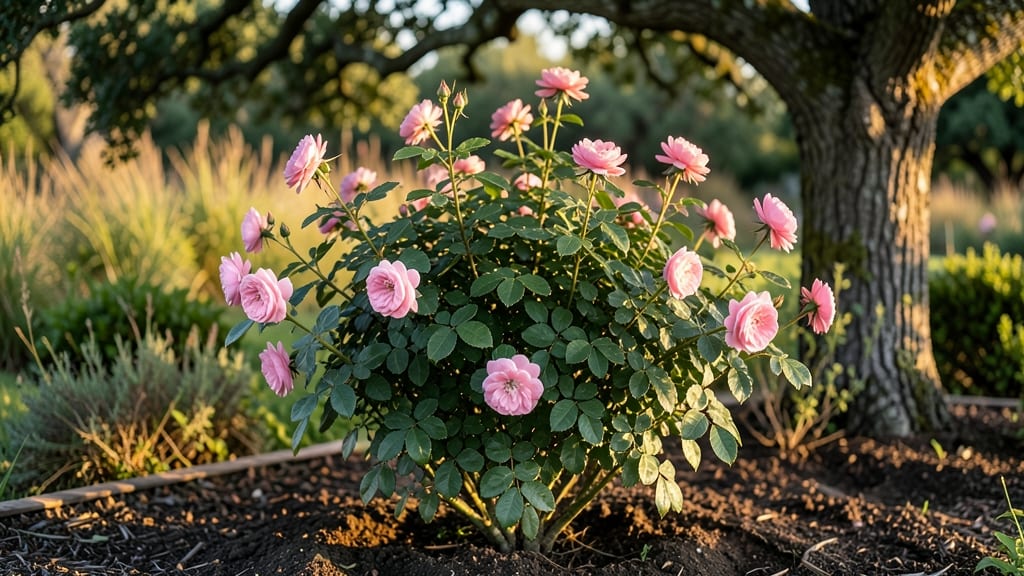
Planting a rose blossom tree in your yard isn’t just about adding beauty—it’s about bringing in frost-resistant blooms that thrive even when temperatures drop. I’ve grown these stunners in my Zone 5 garden for years, and they’ve never failed to deliver those showstopping flowers from early summer through fall.
The key? Choosing the right variety and giving it the care it craves without overcomplicating things.
You’ll need a spot with full sun to partial shade, well-draining soil, and patience—these trees take 2-3 years to really hit their stride, but once they do, they reward you with vibrant blooms that last weeks.
Pruning in late winter keeps them healthy and encourages more flowers, while mulching protects their roots from harsh winters. It’s not rocket science, but it does take consistency.
By summer’s end, your tree will be a magnet for pollinators and the envy of the neighborhood, with clusters of blooms in shades of pink, white, or purple. The foliage stays lush even after the flowers fade, and with proper care, these trees can live for decades.
Let’s get yours off to the best possible start—your future self will thank you.
Whether you’re planting a Hibiscus syriacus or a Davidia involucrata, the principles are the same. These trees adapt well to different climates, making them a smart choice for gardeners in Zones 4-8. Stick with me, and you’ll have a tree that’s as tough as it is beautiful.
📚 In This Guide
- What you need
- Instructions
- Tips and common mistakes
- Wrapping up and next steps
What you need
- ● Rose Blossom Tree (Rosa spp.) – Choose a frost-hardy variety like Rosa rugosa, Rosa ‘Dr. Huey’, or Rosa ‘Knock Out’ (bare-root, potted, or grafted).
- ● Well-draining soil – Mix 2 parts garden soil, 1 part compost, and 1 part perlite/sand for optimal aeration.
- ● Fertilizer – Balanced 10-10-10 or rose-specific fertilizer (follow package instructions for application rates).
- ● Organic mulch – 3–4 inches of wood chips or shredded bark to retain moisture and protect roots.
- ● Watering can or hose with a gentle spray nozzle – 1–2 gallons per watering for young trees.
- ● Trowel or spade – For digging planting holes (2x wider and 1x deeper than the root ball).
- ● Pruning shears – Sterilized (rubbing alcohol wipe) to trim dead branches or shape the tree.
- ● Garden gloves – Heavy-duty to protect against thorns.
- ● Stakes & soft ties – 3–4 stakes (5–6 ft tall) + fabric strips for young, top-heavy trees.
- ● pH test kit – Ideal soil pH: 6.0–6.5 (adjust with lime or sulfur if needed).
- ● Frost cloth or burlap wraps – For first-year protection in harsh winters (💡 Pro Tip: Secure loosely to allow airflow!).
- ● Slow-release fertilizer spikes – 3–4 spikes per tree for seasonal nutrient boosts.
- ● Epsom salt (magnesium sulfate) – 1 tbsp per gallon of water monthly for vibrant blooms.
- ● Bird netting – To protect blossoms from hungry pests (especially in spring!).
Step-by-Step instructions for planting and caring for a rose blossom tree
Here's how I get these stunning trees thriving in any climate—frost or not.
🌱 Step 1: Choose the Right Location and Plant at the Correct Time
Select a spot with full sun exposure for at least 6 hours daily. Rose blossom trees love warmth but also need protection from harsh winds. Spring is the ideal planting time—after the last frost date when soil warms to 60°F. If you must plant in fall, do it at least 6 weeks before the first frost to allow roots to establish.
Dig a hole twice as wide as the root ball but only as deep as the container it came in. Loosen the roots gently if they're circling or tightly bound. Place the tree in the hole so the top of the root ball sits 1 inch above soil level—this prevents waterlogging. Backfill with native soil mixed with compost to improve drainage and fertility.
☀️ Step 2: Water Deeply and Mulch for Frost Protection
Water the newly planted tree deeply right after planting—soak the soil until it drains 6 inches down. This settles the root ball and eliminates air pockets. After that, water once weekly unless it rains, giving 1 inch of water each time. You'll know it's enough when water runs out the drainage holes.
Spread 3 inches of mulch (like shredded bark or pine straw) around the base, keeping it 3 inches away from the trunk to prevent rot. Mulch helps regulate soil temperature and retains moisture, which is crucial during late spring frosts or early fall chills. Replenish mulch annually as it breaks down.
✂️ Step 3: Prune for Shape and Frost Hardiness
Prune in late winter or early spring before new growth starts. Remove dead, diseased, or crossing branches first—cut back to the nearest outward-facing bud. Then, shape the tree by shortening side branches to half their length. This encourages bushier growth and better frost resistance.
Never prune in fall, as new growth won’t harden off before winter. If you must prune later in the season, limit cuts to light shaping only—avoid heavy pruning, which stresses the tree before cold weather. Always use sterilized shears to prevent disease spread.
🌿 Step 4: Fertilize and Protect Through the Seasons
Apply a balanced, slow-release fertilizer (10-10-10) in early spring as new growth begins. Follow the package rate—over-fertilizing burns roots and makes trees vulnerable to frost damage. In late summer, switch to a low-nitrogen, high-phosphorus fertilizer (like 5-10-10) to promote blooming for next year.
Before the first frost, wrap the trunk with tree guard or burlap to protect it from sunscald (caused by winter sun on frozen bark). Water deeply before the ground freezes to ensure roots stay hydrated through dormancy. In early spring, remove protective wraps so the tree can breathe as it wakes up.
⏰ Step 5: Monitor for Frost Damage and Encourage Repeat Blooms
After a hard frost, check for blackened buds or wilting leaves—these are signs of damage. Prune affected areas in spring once new growth appears. If the tree loses all buds, don’t panic; it’ll still produce flowers later in the season from secondary buds forming on the stems.
To encourage year-round blooms, deadhead spent flowers regularly but leave a few blooms to develop hips in fall—this signals the tree to prepare for dormancy. In late summer, apply a second round of fertilizer to support late-season blooming before winter.
Tips & tricks for perfect rose blossom tree care
These simple strategies will help you keep your rose blossom tree thriving through every season—especially those tricky frost-prone months.
Location Selection: While Step 1 emphasizes full sun, I've found that afternoon shade in hot climates (like the South) actually protects delicate blossoms from afternoon sunburn. Look for a spot where the tree gets morning sun and afternoon shade if your area experiences temperatures above 90°F regularly. This balance keeps flowers vibrant while preventing stress.
Planting Depth: The 1-inch elevation above soil level is critical—it prevents water from pooling around the trunk, which can cause rot. I've seen many gardeners make the mistake of planting too deep, which suffocates the roots. Use a level to check after backfilling, and if you're unsure, err on the side of slightly higher rather than lower.
Mulch Maintenance: That 3-inch layer of mulch isn't just for show—it's your tree's winter blanket. I recommend checking mulch levels every spring before new growth begins. Over time, it breaks down, and you'll need to replenish it. Also, keep that 3-inch clearance from the trunk to prevent moisture buildup that leads to rot. A mulch rake makes this easy to maintain.
Frost Protection: When wrapping the trunk before frost, I've had the best luck with tree guards that allow some airflow. The key is to protect the bark from winter sun exposure while still letting the tree breathe. If you're in an area with particularly harsh winters, consider adding a layer of burlap around the lower trunk as well—it adds an extra layer of insulation without trapping too much moisture.
Pro Tips for Rose Blossom Tree
- These simple strategies will help you keep your rose blossom tree thriving through every season—especially those tricky frost-prone months.
- Location Selection: While Step 1 emphasizes full sun, I've found that afternoon shade in hot climates (like the South) actually protects delicate blossoms from afternoon sunburn.
- Planting Depth: The 1-inch elevation above soil level is critical—it prevents water from pooling around the trunk, which can cause rot.
Frequently asked questions
Got questions about growing or caring for your rose blossom tree?
You’re not alone! Here are answers to the most common queries—from planting to pruning and everything in between.
When is the best time to plant a rose blossom tree?
The ideal planting window is early spring or fall—when temperatures are mild (50–70°F). Avoid extreme heat or frost, as young roots are sensitive. If planting in spring, water deeply afterward and mulch to retain moisture. For fall, ensure roots have time to establish before winter dormancy.
How cold-hardy are rose blossom trees?
Most varieties thrive in USDA Zones 6–9, tolerating temps down to –10°F (–23°C). Young trees may need winter protection (burlap wraps, mulch) in colder zones. Prune dead wood in late winter to encourage new growth. Pro tip: Choose Rosa rugosa or David Austin roses for extra frost resilience!
How do I prune a rose blossom tree for maximum blooms?
Prune in early spring (before buds swell) or after blooming. Remove dead/diseased branches, then cut back by 1/3 to encourage airflow and new growth. For repeat bloomers, trim lightly after each flush. Never prune in fall—it stimulates tender growth vulnerable to frost.
What pests or diseases should I watch for?
Common issues include:
- Aphids/spider mites: Spray with soapy water or neem oil.
- Black spot: Remove infected leaves; apply fungicide at first sign.
- Canker: Prune affected areas below the lesion and sterilize tools.
Prevent problems with regular inspections and proper spacing (3–5 ft apart) for airflow.
Can I grow a rose blossom tree in a container?
Yes! Choose a large pot (15+ gallons) with drainage holes and well-draining soil. Dwarf varieties (like ‘The Fairy’) work best. Repot every 2–3 years and overwinter indoors (near a sunny window). Warning: Containers dry out faster—water deeply when the top inch of soil is dry.
How long does it take for a rose blossom tree to bloom?
Patience pays off! Established trees (2–3 years old) may bloom first year, but full vigor takes 3–5 years. Young trees focus on root growth—fertilize lightly (balanced 10-10-10) in spring to encourage flowers. Bonus: Deadheading spent blooms redirects energy to more flowers!
Wrapping up and next steps
Growing a rose blossom tree is a rewarding journey that brings year-round beauty and resilience to your garden. With the right care—from frost-hardy varieties to consistent watering and pruning—you’ll enjoy vibrant blooms and lush foliage for seasons to come. 🌸
Now that you’re armed with expert tips, why not take the next step? Start small by planting one rose blossom tree this season, or expand your garden with a mix of varieties for a stunning, ever-changing landscape. Happy gardening—your future blooms will thank you!