Pruning
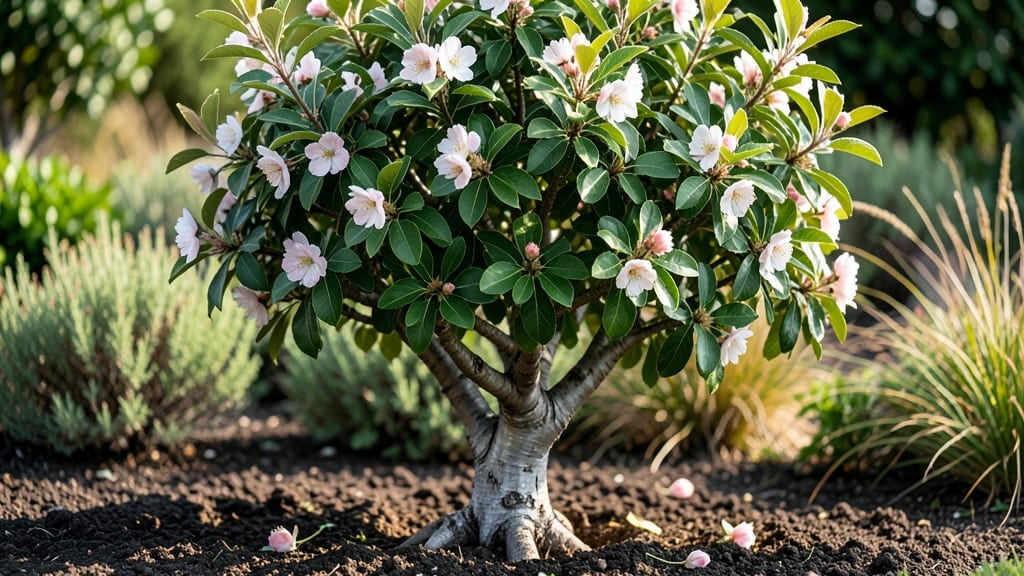
Growing a Saturn peach tree in your backyard means sweet, juicy fruit with less fuss than you’d expect—especially when you prune it right for cold snaps. I planted mine last spring, and after a winter where temps dipped into the 20s, it still burst with blossoms.
The secret isn’t fancy equipment; it’s knowing where to cut and when to leave it alone.
This peach variety thrives with 6+ hours of sunlight daily and shelter from harsh winds, which dry out blossoms faster than you’d think. Well-draining soil rich in organic matter keeps roots happy, and deep watering once a week (more in summer heat) prevents bitter fruit.
The real game-changer? Pruning in late winter to shape the tree and protect it from frost damage—something I learned the hard way after my first freeze.
By summer’s end, you’ll be harvesting firm, golden peaches that taste like childhood memories. The tree stays compact enough for small yards, and with proper care, it produces 20-30 pounds of fruit annually. Just avoid over-pruning in early spring, or you’ll sacrifice next year’s harvest.
Works in zones 5-9, though colder climates need extra winter protection like burlap wraps. Let’s get your tree set up for a bounty of peaches—without the stress of thin-skinned varieties.
📚 In This Guide
- What you need
- Instructions
- Tips and common mistakes
- Wrapping up and next steps
What you need
- ● Pruning shears: Bypass pruners (sharp, clean, and sterilized with rubbing alcohol to prevent disease). Quantity: 1 pair.
- ● Loppers: For thicker branches (1.5"–2" diameter). Quantity: 1 pair.
- ● Hand saw: Pruning saw with a fine-tooth blade for larger branches (2"–4" diameter). Quantity: 1.
- ● Gloves: Heavy-duty gardening gloves (cut-resistant for safety). Quantity: 1 pair.
- ● Disinfectant: 70% isopropyl alcohol or 10% bleach solution (for sterilizing tools between cuts).
- ○ Pruning sealant: Optional but helpful for sealing large cuts (e.g., Tanglefoot Tree Wound Pruning Seal).
- ● Ladder or step stool: For reaching higher branches (ensure it’s stable and tall enough for your tree’s height).
- ● Bucket or trash bag: For collecting pruned branches and debris.
- ● Marking twine or flags: To tag branches for removal (if planning ahead).
- ● Pruning paint: For sealing cuts on older trees (e.g., Tree Seal by Espoma).
- ● Extension pole pruners: For hard-to-reach branches without a ladder.
- ● Sharpie or label maker: To mark branches for future reference.
- ● Safety glasses: Protect your eyes from debris.
- ● Work apron: Keeps your clothes clean from sap and dirt.
Step-by-step pruning guide for frost-resistant Saturn peach trees
Here's how to shape your Saturn peach for both winter hardiness and maximum fruit production.
Time Your Pruning for Dormancy
Prune your Saturn peach late winter or early spring, just as buds begin to swell but before new growth starts. This timing ensures the tree isn't vulnerable to late frost damage while still allowing adequate healing before flowering. I always check for tight, brown buds—this signals the tree has entered full dormancy and is ready for pruning.
For colder climates, wait until after the last expected frost date in your zone. If you prune too early, fresh cuts may not heal properly before cold snaps. In my experience, a 2-3 week window between pruning and bud break gives the tree enough time to seal wounds before active growth begins.
Remove Dead, Diseased, and Crossing Branches First
Start by eliminating dead wood—branches that are completely brown inside and out. Use clean, sharp pruners to make 45-degree cuts just outside the branch collar, where the branch meets the trunk. The goal is to remove these without leaving stubs, which invite disease.
Next, remove branches that cross or rub against each other. These create wounds that weaken the tree and provide entry points for fungal infections. I look for branches growing inward at less than 45 degrees—these are prime candidates for removal. Always cut back to a lateral branch or bud that's growing outward.
Thin the Canopy for Air Circulation
Saturn peaches thrive with an open canopy that allows sunlight to reach all fruit-bearing branches. Aim to remove 20-30% of the total branch volume, focusing on branches that grow straight up or inward. These vertical branches compete with horizontal ones for sunlight and fruit production.
Look for branches that are less than ½ inch in diameter—these are often water sprouts that drain energy from the tree. Remove them completely at the base. For larger branches, cut back to a lateral branch that's at least ⅓ the diameter of the branch you're removing. This maintains the tree's structural integrity while improving airflow.
Shape for Frost Resistance
To protect your Saturn peach from frost damage, create a rounded, vase-like shape rather than a tall, narrow one. This allows snow to accumulate gently on the branches, providing natural insulation. Start by removing branches from the bottom third of the tree to create an open center.
Focus on maintaining 3-5 main scaffold branches that spread evenly around the trunk. These should be spaced 12-18 inches apart and grow at a 45-60 degree angle. Avoid leaving branches that grow directly upward—they're more susceptible to frost damage and breakage. If you have vertical branches, cut them back to a lateral branch or bud that's growing outward.
Clean and Sanitize Tools After Pruning
After finishing, wipe down your pruners with a 10% bleach solution (1 part bleach to 9 parts water) to prevent the spread of disease between cuts. I also like to use rubbing alcohol on the blades to remove any sap or debris. Clean tools ensure your next pruning session starts with a sterile workspace.
Dispose of pruned branches immediately—don't leave them on the ground where they can harbor pests or diseases. If you're dealing with diseased wood, bag it and remove it from your property to prevent reinfection. This final step is critical for maintaining the long-term health of your Saturn peach tree.
Tips & tricks for perfect Saturn peach tree pruning
A few well-timed adjustments can transform your Saturn peach from a frost-vulnerable tree into a hardy fruit powerhouse. Here's what I've learned after years of pruning these resilient trees.
Timing is Everything: The late winter to early spring window is critical because it balances two competing needs: avoiding frost damage to fresh cuts and allowing enough time for wounds to heal before bud break. In my experience, the 2-3 week buffer between pruning and bud break is non-negotiable—this is when the tree's natural defenses kick in. If you're in a particularly cold climate, I recommend checking your local frost date calendar and setting a reminder for that specific window rather than relying on general seasonal cues.
Visual Cues for Pruning Decisions: When identifying branches to remove, focus on three key visual indicators: branches that are completely brown inside and out (dead wood), branches growing inward at less than 45 degrees (crossing branches), and branches thinner than ½ inch (water sprouts). For dead wood identification, make a small cut—if the center is brown and dry, it's dead. For crossing branches, imagine looking at the tree from above: any branches that would touch if extended are candidates for removal. This visual approach makes the decision process much clearer than trying to remember technical terms.
Structural Integrity Matters: The ⅓ diameter rule for larger branch cuts is essential for maintaining the tree's structural strength. When cutting back larger branches, look for a lateral branch that's at least one-third the diameter of the branch you're removing. This creates a strong union point that won't weaken the tree's framework. I've seen many trees develop weak points because this rule was ignored, leading to breakage during storms or under heavy fruit loads. Always make your cuts just outside the branch collar to prevent damage to the tree's protective layer.
Tool Maintenance Prevents Problems: The 10% bleach solution for sanitizing tools is more important than most gardeners realize. I've seen entire orchards lose trees to fungal infections because pruners weren't properly cleaned between cuts. After each tree, I wipe down my tools with rubbing alcohol to remove sap, then do a final bleach wash. This simple step can save you from years of fighting infections. Remember to dispose of pruned branches immediately—don't leave them on the ground where they can harbor pests and diseases that could reinfect your tree.
Pro Tips for Saturn Peach Tree
- A few well-timed adjustments can transform your Saturn peach from a frost-vulnerable tree into a hardy fruit powerhou...
- Timing is Everything: The late winter to early spring window is critical because it balances two competing needs: avo...
- Visual Cues for Pruning Decisions: When identifying branches to remove, focus on three key visual indicators: branche...
Frequently asked questions
Got questions about growing and pruning a Saturn peach tree? You’re in the right place! Here are answers to the most common queries—from frost resilience to fruit yield—so you can keep your tree thriving.
How cold can a Saturn peach tree tolerate?
The Saturn peach tree is one of the most frost-resistant varieties, surviving temperatures as low as 10°F (-12°C) once established. Young trees (under 3 years) may need winter protection, like mulch or frost cloth, especially in harsh climates. Plant in a sunny, sheltered spot to maximize cold hardiness.
When is the best time to prune for frost resistance?
Prune your Saturn peach tree late winter or early spring (just before buds swell) to remove dead/diseased wood and shape the canopy. Avoid heavy pruning in fall—it can stress the tree and reduce frost tolerance. Pro tip: Focus on opening the center for airflow to prevent winter damage.
How do I encourage bigger, sweeter fruit?
Thin fruit in late spring (leave 6–8 inches between peaches) to improve size and sugar content. Prune to balance growth (remove water sprouts) and fertilize lightly in early spring with 10-10-10 or compost. Bonus: Saturn peaches are self-pollinating, but nearby pollinators (like bees) boost yields!
Can I grow a Saturn peach tree in containers?
Yes, but it’s tricky! Saturn peaches need deep roots and space—opt for a 15+ gallon pot with drainage and move it indoors (or to a garage) if temps drop below 20°F (-6°C). Dwarf varieties (like ‘Bonanza’) adapt better. Warning: Container-grown trees may produce fewer peaches than in-ground plants.
What if my tree’s branches break after frost?
Don’t panic! Prune out damaged branches back to healthy wood (use sterilized tools) and monitor for signs of disease (like oozing sap). Apply a copper fungicide if cuts look infected. Most Saturn trees recover well—just avoid heavy pruning until spring to reduce stress.
Still stumped? Drop your question in the comments—we’re happy to help your peach tree shine!
Wrapping up and next steps
Growing a Saturn peach tree with frost-resistant pruning is a rewarding journey that combines patience, care, and a little know-how.
By mastering the art of strategic cuts—especially during dormancy and after frost—you’ll unlock a bountiful harvest of juicy, sweet peaches while keeping your tree healthy and thriving. Don’t let winter slow you down: with the right techniques, your Saturn peach tree can become the star of your orchard! 🌱✨
Ready to take the next step? Start small: grab your pruners, review your tree’s structure, and tackle one pruning session at a time. Before you know it, you’ll be savoring homegrown peaches—and bragging about your frost-proof pruning skills! 🍑🌟