Pruning
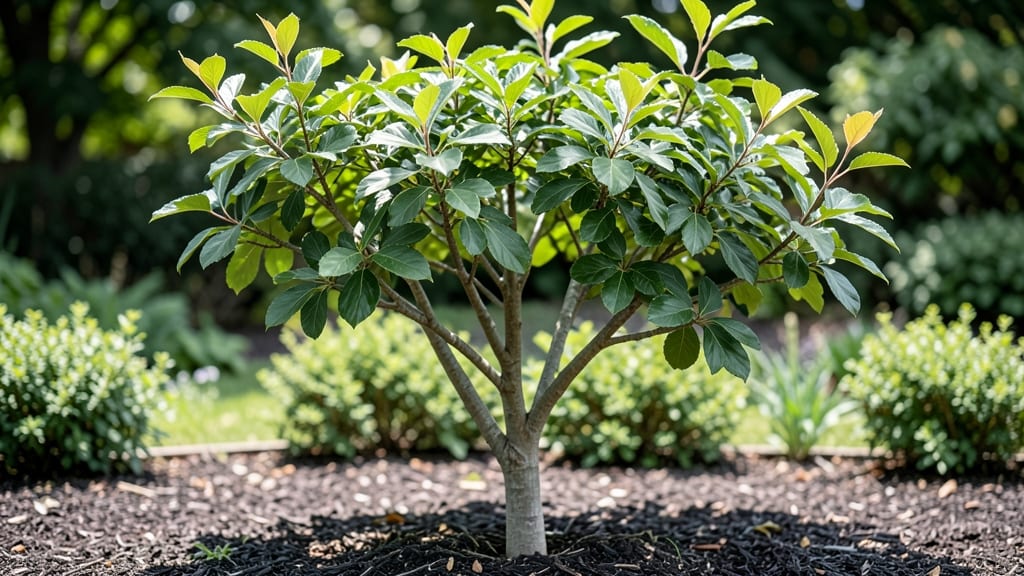
The serviceberry ornamental tree is the Pacific Northwest’s secret weapon for year-round visual drama. 🌿 Its delicate spring blossoms, lush summer foliage, fiery fall colors, and persistent winter berries make it the star of any landscape—no other tree delivers this kind of seasonal spectacle.
I planted mine near my patio, and now I’m surrounded by pollinators all season long while neighbors ask what it’s called.
What makes this tree so special isn’t just its beauty—it’s how effortlessly it fits into any garden style. Use it as a focal point, a mixed border plant, or even in small urban yards where its compact size still packs a punch.
The berries attract birds, the flowers feed bees, and the fall foliage turns shades of orange and red that rival maples. It’s the kind of tree that makes your garden feel like a curated art piece.
You’ll love how it transforms each season without needing constant attention. Spring brings clouds of white blossoms, summer offers dense green foliage, autumn delivers a fiery show, and winter keeps interest with berries that cling to bare branches.
Pair it with rhododendrons for spring color or conifers for winter structure, and you’ve got a low-maintenance masterpiece that works year after year.
Best of all, it thrives in partial shade—perfect for understory planting or woodland gardens. Whether you’re designing a pollinator-friendly haven or just want a tree that steals the show, the serviceberry delivers beauty with minimal effort. Let’s talk about how to make it the centerpiece of your outdoor space.
📚 In This Guide
- What you need
- Instructions
- Tips and common mistakes
- Wrapping up and next steps
What you need
- ● Pruning shears (bypass or anvil type): Choose sharp, clean shears with a 7- to 10-inch blade for precision cuts.
- ● Loppers: 18- to 24-inch loppers for thicker branches (up to 2-inch diameter).
- ● Pruning saw: A curved-tooth pruning saw for branches 2+ inches thick—look for a 7- to 10-inch blade.
- ● Gloves: Garden gloves with cut-resistant palms (e.g., mechanized or heavy-duty leather) to protect from thorns and rough bark.
- ● Disinfectant (70% isopropyl alcohol or bleach solution): 1 part bleach to 9 parts water to sterilize tools between cuts and prevent disease.
- ○ Pruning sealant (optional but helpful): Tree wound paint or pruning sealant (e.g., Tanglefoot Tree Wound Pruning Seal) for cuts larger than ½-inch diameter.
- ● Ladder or step stool: A stable, extendable ladder (e.g., 24- to 32-foot aluminum ladder) or a foldable step stool for taller branches.
- ● Heavy-duty trash bags or bucket: For collecting pruned branches and debris—aim for at least 5-gallon capacity.
- ● Work apron or bag: To carry tools and small debris while keeping your workspace tidy.
- ● Hand pruners with ratcheting mechanism: Easier on the hands for long pruning sessions.
- ● Pole saw: For high branches (up to 20 feet) without a ladder.
- ● Safety glasses: Protects eyes from debris or sap splatter.
- ● Knee pads: For comfort during ground-level pruning.
- ● Notebook & pen: To jot down pruning notes (e.g., branch locations, growth patterns).
- ○ Tree growth regulator (optional): Such as hydrogen dioxide or seaweed extract to encourage healthier regrowth.
- ● Know your tree’s age and health: Serviceberries thrive with minimal pruning—avoid over-trimming! Younger trees (3-5 years old) need light shaping, while mature trees benefit from deadwood removal.
- ● Check local regulations: Some areas require permits for pruning trees near power lines or in public spaces.
- ● Best time to prune: Late winter to early spring (February–March) for dormant-season pruning, or immediately after fruiting (summer).
- ● Weather check: Prune on a dry, calm day to avoid wet wood or wind-related accidents.
Step-by-step guide to planting and caring for serviceberry trees
Here’s how to establish these stunning, low-maintenance trees for maximum beauty and pollinator support.
🪴 Step 1: Choose the Perfect Planting Site
Serviceberries thrive in partial sun to full sun—at least 6 hours of sunlight daily—but tolerate light shade in hotter climates. In the Pacific Northwest, a spot with morning sun and afternoon shade works beautifully. Avoid low-lying areas where cold air pools, as young trees can suffer winter damage.
Test your soil’s drainage by digging a 12-inch deep hole—water should drain within 1-2 hours. If it pools, amend the site with 2-3 inches of compost mixed into the top 12 inches of native soil. These trees hate soggy roots, so elevation matters.
🌱 Step 2: Plant at the Right Time and Depth
Plant bare-root serviceberries in early spring (March-April) or container-grown trees in fall (September-October). For bare-root, soak the roots in lukewarm water for 1-2 hours before planting to revive them. Dig a hole twice as wide as the root ball but only as deep—the top of the root flare should sit 1-2 inches above ground level.
Backfill with the native soil you removed, tamping gently every 4 inches to eliminate air pockets. Water deeply until the soil 12 inches down feels moist. Mulch with 2-3 inches of wood chips, keeping it 6 inches away from the trunk to prevent rot.
☀️ Step 3: Water and Fertilize for Strong Establishment
Water deeply once a week for the first 2 growing seasons, aiming for 1-1.5 gallons per tree each time. Check soil moisture by sticking your finger 3 inches down—if it’s dry, water again. Overwatering is worse than underwatering; these trees are drought-tolerant once established.
Skip fertilizer the first year unless your soil test shows deficiencies. In early spring of the second year, apply a balanced 10-10-10 fertilizer at ½ the recommended rate (about ¼ cup per inch of trunk diameter). Scatter it 6 inches from the trunk and water it in. Avoid high-nitrogen fertilizers—they promote leafy growth at the expense of fruit.
✂️ Step 4: Prune for Shape and Health
Prune late winter (February-March) before buds swell, removing dead, crossing, or rubbing branches first. Thin out 25% of the smallest branches to improve airflow and light penetration. Cut just outside the branch collar (the swollen area where the branch meets the trunk) using clean, sharp pruners.
Never prune in fall—new growth won’t harden off before winter. If you notice suckers at the base, remove them immediately. These trees naturally form a lovely, rounded shape with minimal intervention, so avoid heavy pruning unless correcting structural issues.
Tips & tricks for perfect serviceberry ornamental tree planting
Took me years to figure out these serviceberry secrets—here's how to set yours up for success from day one.
Site Selection: The 6 hours of sunlight is non-negotiable, but here's the thing: in the Pacific Northwest, watch for microclimates. A spot that gets morning sun but afternoon shade from neighboring trees actually performs better in summer. I've seen serviceberries in full sun locations struggle with heat stress during our dry summers, while those with afternoon shade thrive. Also, that 12-inch drainage test? Use a trowel to dig deeper if you're in clay soil—serviceberries hate soggy feet.
Planting Precision: When you're planting bare-root in spring, that 1-2 hour root soak is crucial, but don't overdo it—roots can absorb too much water and suffocate. I like to soak them while I prepare the hole. For container-grown trees, remove them from pots gently to avoid damaging those delicate roots. The 2-3 inches of wood chips mulch is perfect, but here's what nobody tells you: refresh that mulch every spring to maintain the 2-3 inch layer—it breaks down over time.
Watering Wisdom: Those 1-1.5 gallons per week might seem like a lot, but trust me on this: the first two years are about establishing strong roots. I've seen serviceberries fail because people watered too little or too much. Check that soil moisture at 3 inches down—if it's dry, water. If it's still damp, wait. And when you water, do it slowly to encourage deep root growth rather than surface evaporation.
Fertilizer Strategy: The instructions say to skip fertilizer first year unless needed, but here's my game-changer: if your soil is sandy, you can apply a light application of compost around the base in spring of the first year. The 10-10-10 fertilizer in second year is spot-on—just measure that ¼ cup carefully. I've measured out fertilizer on a paper plate first to avoid spilling near the trunk, which can cause burns.
Pro Tips for Serviceberry Ornamental Tree
- Took me years to figure out these serviceberry secrets—here's how to set yours up for success from day one.
- Site Selection: The 6 hours of sunlight is non-negotiable, but here's the thing: in the Pacific Northwest, watch for microclimates.
- Planting Precision: When you're planting bare-root in spring, that 1-2 hour root soak is crucial, but don't overdo it—roots can absorb too much water and suffocate.
Frequently asked questions
Got questions about growing and caring for your serviceberry ornamental tree? You're not alone!
Here are some of the most common queries from gardeners in the Pacific Northwest and beyond—plus answers to help you cultivate a thriving, pollinator-friendly beauty.
When is the best time to plant a serviceberry tree?
The ideal window for planting serviceberry trees is early spring or fall, when soil temperatures are cool but not frozen. This gives roots time to establish before summer heat or winter dormancy. In the PNW’s mild climate, September to November is perfect—just avoid planting when the ground is waterlogged or during extreme heatwaves.
How and when should I prune my serviceberry for optimal growth?
Prune your serviceberry in late winter or early spring (February–March), before buds swell, to encourage vigorous growth and flowering. Focus on:
- Removing dead, diseased, or crossing branches first.
- Thinning out overcrowded areas to improve airflow.
- Avoid heavy pruning—serviceberries respond best to light shaping (no more than 25% of the canopy at a time).
Are serviceberry trees cold-hardy enough for the Pacific Northwest?
Serviceberry trees (Amelanchier spp.) thrive in the PNW’s USDA Zones 3–9, making them exceptionally cold-hardy. Varieties like Amelanchier alnifolia (saskatoon serviceberry) can handle temperatures down to -40°F (-40°C), while others like Amelanchier lamarckii tolerate drought and urban pollution—ideal for Seattle or Portland yards.
How do I attract more pollinators to my serviceberry?
Serviceberries are naturally pollinator magnets, but you can boost their appeal with these tips:
If you love serviceberry’s year-round interest but want other PNW-friendly options, consider:
Bonus: Early spring blooms (before many other trees!) give bees a critical food source.
What are some low-maintenance alternatives to serviceberry?
Note: Serviceberry’s edible berries and multi-season beauty make it a top pick, but these alternatives excel in specific conditions (e.g., wet soils or urban spaces).
Wrapping up and next steps
The serviceberry ornamental tree is a true gem for Pacific Northwest gardens—offering stunning year-round beauty, wildlife support, and low-maintenance charm. Whether you're pruning for shape, health, or fruit production, this versatile tree rewards patience with vibrant blooms, edible berries, and a resilient presence in your landscape. 🌿
Ready to transform your outdoor space? Start by assessing your tree’s needs—grab your pruning tools, follow the steps, and enjoy the fruits (and foliage!) of your labor. Happy pruning!