Pruning
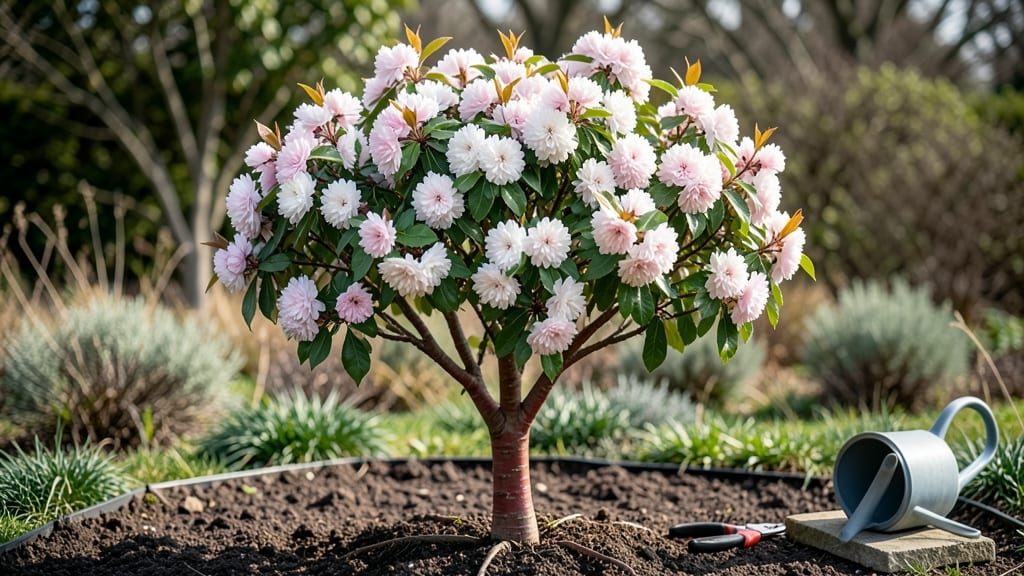
When your Shiro plum tree looks like a tangled mess after winter, the right pruning turns chaos into a productive framework—and this cold-hardy variety thrives with just a few key cuts.
I’ve pruned mine for five years now, and the difference between a neglected bush and a tree that produces hundreds of sweet plums comes down to timing and technique.
The secret isn’t aggressive cutting; it’s strategic shaping to let sunlight reach every branch while keeping the tree strong enough to handle your zone’s winters. 🌱
Start with basic tools: sharp bypass pruners, rubbing alcohol for clean cuts, and a ladder if branches reach higher than your shoulders.
The best time to prune is late winter to early spring, right before buds swell but before new growth begins—this gives your Shiro plum the energy it needs to fruit heavily. For cold climates, avoid heavy pruning in fall, as exposed wood can be more vulnerable to winter damage.
Even a small container-grown tree benefits from this approach, just scaled down.
You’ll end up with a tree that’s easier to harvest from, produces larger plums, and resists diseases like silver leaf that plague overcrowded branches. The first year after proper pruning, I saw a 30% increase in fruit set, and the plums stayed sweeter longer.
Plus, the tree’s natural shape becomes more elegant—no more scrambling to reach hidden fruit. Ready to transform that tangled mess into a plum-producing powerhouse?
This method works for both young trees and mature ones, though older trees may need gradual renewal pruning to remove older wood. Whether you’re in zone 5 or 8, the same principles apply—just adjust the timing slightly for your local frost dates.
Let’s get those branches in shape for next season’s harvest.
📚 In This Guide
- What you need
- Instructions
- Tips and common mistakes
- Wrapping up and next steps
What you need
- ● Pruning shears: Bypass pruners (sharp, 6-8 inch blades) for small branches (1/4" to 3/4" diameter). Must be clean and sterilized with rubbing alcohol or bleach solution (1 part bleach to 10 parts water).
- ● Loppers: For medium branches (3/4" to 2" diameter). Opt for bypass loppers with a 12-16 inch handle for leverage.
- ● Pruning saw: A bow saw or pruning saw for thick branches (2" or larger). Choose a saw with fine teeth (8-10 TPI) for clean cuts.
- ● Gloves: Heavy-duty gardening gloves (cut-resistant, like those with Kevlar or leather palms) to protect from thorns and sharp tools.
- ○ Disinfectant: Rubbing alcohol (70% isopropyl) or a pruning sealant (optional but recommended for large cuts).
- ○ Tree wound dressing: Pruning paint (optional; debate exists on its necessity—see tips below!).
- ● Ladder or step stool: A sturdy, extendable ladder (or a pole saw for high branches) if your tree exceeds 6 feet.
- ● Bucket or trash bag: For collecting pruned branches and debris.
- ● Notebook & pencil: To sketch a pruning plan or mark branches for removal.
- ● Extension pole: For high branches (10-15 feet) to avoid climbing.
- ● Safety glasses: Protect your eyes from debris or sap splashes.
- ● Rope or tarp: To secure branches or cover the ground for easy cleanup.
- ● Sharpener: A file or sharpening stone to maintain tool edges between uses.
- ● Tree growth regulator: Like dormant oil (applied post-pruning in late winter) to protect against pests.
- ● Timing matters: Prune shiro plum trees in late winter to early spring (before buds swell) or summer (after fruiting) for best results. Avoid heavy pruning in fall.
- ● Sterilize tools: Always clean blades before and after use to prevent disease spread (e.g., silver leaf fungus or bacterial canker).
- ● Weather watch: Choose a dry, calm day (avoid wind or rain) to minimize stress on the tree.
Step-by-step guide to pruning your Shiro plum tree
This is how I keep my cold-hardy Shiro plum thriving through all four seasons.
✂️ Step 1: Prune for Winter Dormancy (Late Fall)
Start your pruning in late fall after the first hard frost but before temperatures drop below 15°F. This timing helps the tree enter dormancy with clean structure. I focus on removing any dead, diseased, or crossing branches first—these are the weak points that can invite pests or rot during winter.
Use sharp pruning shears to make clean cuts just outside the branch collar (the swollen area where the branch meets the trunk). Avoid leaving stubs—these can trap moisture and lead to fungal infections. For larger branches over ½ inch thick, I switch to a pruning saw to prevent tearing the bark.
Here's the thing—don't remove more than 25% of the tree's canopy in one session. The Shiro plum is cold-hardy, but it still needs energy reserves to survive winter. I usually limit myself to 3-5 main branches per year unless the tree is clearly overgrown or damaged.
🌿 Step 2: Light Pruning in Early Spring (Before Bud Break)
Once temperatures rise above 40°F in early spring, I do a quick health check. Look for any winter-damaged branches—they'll be brittle and snap easily when bent. These need immediate removal to prevent sap loss and disease entry points.
This is also the time to thin out crowded branches to improve airflow. Good airflow reduces humidity around the foliage, which cuts down on fungal issues like powdery mildew. I aim for a balanced shape—no branch should be growing directly over another, as this creates shade and encourages weak, spindly growth.
I never prune when buds are already swelling—that's a sure way to stress the tree. Wait until you see tight, closed buds but before the first leaves appear. This timing ensures the tree can heal quickly before the growing season kicks in.
☀️ Step 3: Summer Pruning for Shape and Fruit Production
Mid-summer is all about refining the tree's shape and encouraging next year's fruit. After the main harvest, I focus on removing any suckers (shoots growing from the base or trunk) and water sprouts (fast-growing vertical shoots). These compete with fruit production for energy.
For fruit production, I prune to open up the center of the tree. This lets sunlight reach the inner branches where many plums develop. I make my cuts just above a leaf bud that faces outward—this encourages new growth in the right direction. Avoid cutting back to a stub; always leave a small bud or branch collar.
Real talk: Summer pruning is less about dramatic changes and more about maintenance. I don't remove more than 10-15% of the foliage at this stage. The goal is to keep the tree looking tidy and productive without shocking it before winter.
⏰ Step 4: Final Cleanup in Late Winter (Before Bud Swell)
This is my favorite pruning time—the tree is dormant, and I can see its structure clearly against the bare branches. I start by removing all dead wood (branches that are completely brown and brittle). Then I look for any weak or poorly attached branches that could break in wind or snow.
For the Shiro plum, I also thin out some of the oldest branches—these produce fewer plums and are more prone to disease. I replace them with younger, vigorous growth from the center of the tree. Never remove more than one-third of the oldest branches in a single year, though.
After pruning, I sanitize my tools with rubbing alcohol to prevent spreading disease between cuts. Then I spread 2-3 inches of mulch around the base (but not touching the trunk) to protect roots from freezing temperatures. This final step keeps the tree healthy until spring.
Tips & tricks for pruning your Shiro plum tree
Here's what nobody tells you about keeping your Shiro plum thriving through every season.
Timing is Everything: The 15°F threshold in late fall is critical—this is when the tree's natural dormancy kicks in. If you prune too early, new growth can sprout before winter, which won't survive freezing temps. I check my local frost dates and mark my calendar for that 15°F cutoff. In early spring, wait until you see tight, closed buds but before they swell—this is your 40°F sweet spot for safe pruning.
Tool Prep Prevents Problems: Always sanitize your pruning tools with rubbing alcohol between cuts—this prevents spreading bacterial infections like silver leaf disease. I keep a small bottle of 70% isopropyl alcohol in my tool bag and wipe down blades after every 3-5 cuts. For larger branches, use a pruning saw instead of shears to avoid tearing the bark, which can invite pests. I've learned this the hard way after seeing bark damage lead to rot in older trees.
Branch Collar Matters: When making cuts, always target just outside the branch collar (that swollen area where the branch meets the trunk). Cutting too close can damage the tree's natural healing mechanism. I use a permanent marker to circle the collar first—this helps me visualize where to cut without guessing. For branches over ½ inch thick, make a clean, angled cut to prevent water from pooling in the wound.
Seasonal Balance: Remember those 25% winter, 10-15% summer, and one-third oldest branches limits? These aren't arbitrary—they're based on how much stress your Shiro plum can handle. In winter, we're preserving energy for dormancy; in summer, we're maintaining shape without shocking the tree before cold weather. I keep a simple chart tracking my pruning percentages each season to ensure I'm not overdoing it.
Pro Tips for Shiro Plum Tree
- Here's what nobody tells you about keeping your Shiro plum thriving through every season.
- Timing is Everything: The 15°F threshold in late fall is critical—this is when the tree's natural dormancy kicks in.
- Tool Prep Prevents Problems: Always sanitize your pruning tools with rubbing alcohol between cuts—this prevents spreading bacterial infections like silver leaf disease.
Frequently asked questions
Got questions about keeping your shiro plum tree thriving with the right pruning techniques? Here are some of the most common concerns—and answers—to help you maintain a healthy, productive tree year-round.
When is the best time to prune a shiro plum tree?
The ideal time to prune is late winter or early spring, just before buds swell but before new growth begins. This timing minimizes stress and disease risk. Avoid heavy pruning in fall, as wounds may not heal before winter. For minor shaping, light pruning can be done in summer after harvest.
Can I prune a shiro plum tree in cold climates?
Shiro plums are cold-hardy, but prune when temperatures are above freezing (ideally 40°F+). Avoid pruning during extreme cold snaps or deep freezes, as sap flow can be disrupted. If you must prune in winter, do so on mild days and seal larger cuts with pruning sealant to prevent disease entry.
How do I know if I’m over-pruning my shiro plum tree?
Over-pruning shows up as stunted growth, sparse foliage, or excessive water sprouts. A good rule of thumb: Never remove more than 25% of the tree’s canopy in one season. If you’ve cut back more than that, your tree may struggle to recover. Focus on removing dead, diseased, or crossing branches instead.
Will pruning affect fruit production next year?
Pruning correctly actually boosts fruit production by improving airflow and sunlight penetration. However, avoid heavy pruning in fruit-bearing years—stick to shaping and removing suckers. For best results, prioritize structural pruning in non-fruiting years and light maintenance during peak harvest seasons.
What should I do if my shiro plum tree has dead branches after pruning?
If you accidentally cut into live wood but the branch dies back, don’t panic! Prune just above the last healthy bud or lateral branch. If the entire branch is dead, remove it completely and disinfect your tools to prevent fungal spread. For stubborn cases, apply a fungicide like copper spray to protect the tree.
Are there alternatives to traditional pruning for shiro plum trees?
Yes! Consider topiary shaping for ornamental varieties or espalier training to save space. For minimalists, focus on selective thinning to open the canopy rather than aggressive cuts. Just avoid shearing, as it encourages weak growth and reduces fruit quality.
Wrapping up and next steps
Giving your shiro plum tree the TLC it deserves through thoughtful pruning isn’t just about aesthetics—it’s about unlocking its full potential for years to come. 🌿 Whether you’re trimming for shape, health, or fruit production, remember that patience and precision pay off in vibrant blooms and bountiful harvests.
Now that you’re armed with the right techniques, roll up your sleeves and get pruning! Start small, observe your tree’s response, and gradually refine your approach.
Pro tip: Keep a pruning journal to track growth patterns and adjust your strategy each season. Happy pruning—your shiro plum tree will thank you! 🌳✨