
Pruning
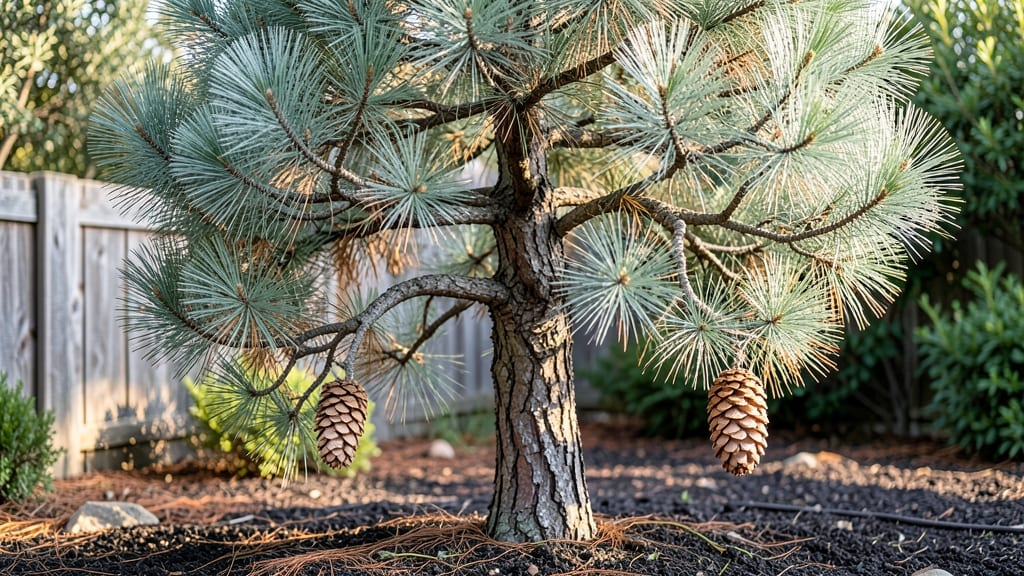
Caring for a stone pine tree in the Pacific Northwest means embracing its natural resilience—once you understand its needs, this Mediterranean native thrives where others struggle. ✨ The key is mimicking its coastal home: well-draining soil, shelter from harsh winds, and minimal fuss once established.
My first stone pine now stands tall after three winters, its needles staying vibrant even through our damp summers.
This tree rewards patience with striking beauty and minimal upkeep. You’ll need full sun exposure, sandy or gritty soil, and occasional pruning to shape its graceful branches. Watering is simple: deep soaks once a week during dry spells, then letting nature take over—no need for daily attention.
The real secret? Protecting it from our region’s heavy rains and cold snaps with a thick layer of mulch and strategic planting near a wall or fence.
By late summer, you’ll notice new growth at the tips of branches, a sign it’s thriving. The pine nuts it produces (if you’re lucky enough for a mature specimen) are a bonus, but even without them, the silver-blue needles and tapered silhouette make it a standout in any landscape.
Prune in late winter to encourage fresh, healthy growth, and watch it develop that classic stone pine elegance over time.
Whether you’re planting a sapling or caring for an established tree, the Pacific Northwest’s climate actually works in your favor—just avoid soggy soil and sudden temperature swings. With the right approach, your stone pine will become the most resilient centerpiece of your garden, year after year.
📚 In This Guide
- What you need
- Instructions
- Tips and common mistakes
- Wrapping up and next steps
What you need
- ● Pruning shears: Bypass pruners (sharp, clean, and sterilized with rubbing alcohol to prevent disease). Quantity: 1 pair (or 2 for larger branches).
- ● Loppers: Heavy-duty, 10–12-inch reach, for thicker branches (up to 1.5 inches in diameter). Quantity: 1 pair.
- ● Pruning saw: Curved-tooth saw (avoids tearing wood) for branches 2+ inches thick. Quantity: 1.
- ● Ladder: Aluminum extension ladder (24–32 ft tall) with non-slip feet and sturdy railings. Quantity: 1 (or a tree climbing harness for experienced pruners).
- ● Gloves: Heavy-duty, cut-resistant gloves (e.g., mechanics’ gloves or pruning-specific). Quantity: 1 pair.
- ● Disinfectant: 70% isopropyl alcohol or bleach solution (1 part bleach to 9 parts water) to sterilize tools between cuts. Quantity: Small spray bottle or wipe.
- ○ Tree wound dressing (optional but recommended): Pruning sealant (e.g., Tanglefoot Tree Wound Pruning Seal) for cuts larger than 0.5 inches. Quantity: 1 small tube.
- ● Safety gear: Safety glasses (ANSI-rated).
- ● Ear protection (if using a chainsaw for large branches).
- ● Long sleeves/pants (to avoid scratches from pine needles).
- ● Pole saw: For high branches without a ladder (12–16 ft reach).
- ● Tree bag: Heavy-duty canvas bag (30–50 ft) to collect fallen branches/debris.
- ● Lubricant: WD-40 or silicone spray to keep pruners/loppers sharp and rust-free.
- ● GPS or laser rangefinder: For precise measurements if removing large sections.
- ● First-aid kit: In case of scratches from pine needles or minor cuts.
Step-by-step guide for cultivating healthy stone pines in the Pacific Northwest
Here's how to nurture these drought-tolerant giants through our region's unique climate challenges.
🌱 Step 1: Select and Prepare the Ideal Planting Site
Stone pines thrive in well-draining soil with excellent air circulation—critical for preventing root rot in our wet winters. Choose a location with full sun exposure (6+ hours daily) and shelter from prevailing winds, which can desiccate young needles. The Pacific Northwest's acidic soils often need amendment: blend 1 part compost with 3 parts native soil to improve drainage while maintaining natural pH.
Dig a hole twice as wide as the root ball but no deeper—planting too deep suffocates roots and invites fungal issues. Loosen the sides of the hole with a shovel to encourage root spread. Here's the thing—stone pines hate soggy feet, so if your site has poor drainage, consider raised beds or mounding native soil to create a slight elevation.
☀️ Step 2: Plant with Proper Spacing and Initial Watering
Space mature stone pines 20-30 feet apart—their extensive root systems compete aggressively with other plants. For smaller specimens, maintain 15 feet of clearance from structures and other trees. The key is to mimic their natural Mediterranean habitat: place them where they won't battle for water or nutrients.
Backfill with the native soil mix while gently tamping down to eliminate air pockets. Water immediately after planting to settle the soil, then apply 5 gallons of water per inch of trunk diameter. Real talk: Overwatering at this stage is the #1 mistake—stone pines are adapted to dry conditions and will develop shallow roots if kept too wet.
💧 Step 3: Establish a Watering Routine for First Two Seasons
During the first growing season, water deeply every 7-10 days until the tree establishes a deep root system. You'll know it's working when new growth appears in spring—this indicates roots have reached 18-24 inches deep. After two years, reduce frequency to every 3-4 weeks unless experiencing extreme drought.
Never water lightly. Stone pines develop a taproot that needs saturation at depth. Use a soil probe to check moisture 6 inches down—if it's dry, water again. In our rainy climate, focus on summer watering when natural precipitation drops below 1 inch per week. I like to water in early morning to prevent fungal issues from prolonged leaf wetness.
✂️ Step 4: Prune for Structure and Health Year-Round
Prune stone pines in late winter or early spring before new growth begins. Remove dead, diseased, or crossing branches first—these compete with healthy growth and invite pests. Use clean, sharp pruners to make cuts just outside the branch collar to prevent tearing. Here's where it gets fun: these trees naturally grow with an open canopy, so minimal shaping is needed beyond removing lower branches to improve air circulation.
Never remove more than 25% of the canopy in one season—stone pines are slow to recover from heavy pruning. After pruning, apply a copper fungicide spray to any large cuts to prevent infection. In the Pacific Northwest, watch for needle cast disease—remove infected needles promptly to protect the entire tree.
🪴 Step 5: Maintain Soil and Mulch for Long-Term Health
Apply 3 inches of wood chip mulch around the base, keeping it 6 inches away from the trunk to prevent rot. Stone pines benefit from organic mulch that slowly breaks down, improving soil structure over time. Replenish mulch annually in spring—this is your tree's insulation against our cool, damp summers and winters.
Fertilize lightly in early spring with ½ cup of 10-10-10 slow-release fertilizer spread over the root zone. Stone pines are not heavy feeders—too much nitrogen encourages weak, disease-prone growth. Test soil every 3 years to monitor pH; aim for 6.0-7.0. In our region, iron deficiency shows as yellowing between veins—apply chelated iron if needed, following package rates.
Tips & tricks for cultivating resilient stone pines
These practical insights will help you navigate the Pacific Northwest's unique climate challenges with confidence.
Site Preparation Secret: When amending soil with the 1 part compost to 3 parts native soil mix, add a handful of coarse sand to improve drainage further. This is especially important in clay-heavy soils common in the PNW. I've seen stone pines struggle in compacted soil—loosening the sides of the hole with a shovel isn't just about roots spreading, it's about creating air pockets that prevent waterlogging. The difference between a thriving tree and one with root rot often comes down to this single preparation step.
Watering Wisdom: That 5 gallons per inch of trunk diameter measurement might seem generous, but it's crucial for establishing deep roots. Here's what I've learned: use a rain gauge to measure your water output—you'll be surprised how much water actually reaches the root zone. In our rainy climate, focus your watering efforts on summer months when natural precipitation drops below 1 inch per week. The key is to saturate the soil to 18-24 inches deep, not just wet the surface.
Pruning Precision: When removing those lower branches in Step 4, don't just chop them off—make clean cuts just outside the branch collar. I've seen too many trees develop fungal infections from jagged cuts. After pruning, I always apply a thin layer of horticultural sealant to larger wounds, especially in our damp climate. And remember, those 25% canopy limits aren't arbitrary—they're based on how slowly stone pines recover from stress.
Mulching Mastery: That 3-inch layer of wood chip mulch might seem thick, but it's essential for insulation against our cool, damp summers and winters. I recommend using cedar chips specifically—they naturally repel pests and have antifungal properties. Keep it 6 inches away from the trunk to prevent rot, but don't be afraid to create a slight mound around the base to encourage water runoff during our heavy winter rains.
Pro Tips for Stone Pine Tree Care
- These practical insights will help you navigate the Pacific Northwest's unique climate challenges with confidence.
- Site Preparation Secret: When amending soil with the 1 part compost to 3 parts native soil mix, add a handful of coarse sand to improve drainage further.
- Watering Wisdom: That 5 gallons per inch of trunk diameter measurement might seem generous, but it's crucial for establishing deep roots.
Frequently asked questions
When is the best time to prune a stone pine?
Prune your stone pine in late winter or early spring (February–March) before new growth begins. Avoid heavy pruning in fall or winter, as cold stress can harm the tree. Focus on removing dead, diseased, or crossing branches first—this keeps the tree healthy and encourages strong new growth. Pro tip: Never prune more than 25% of the canopy at once!
How do I protect my stone pine from pests like bark beetles or aphids?
Stone pines are relatively pest-resistant, but watch for aphids (sticky sap) or bark beetles (tiny holes in bark). To prevent issues:
- Keep the tree well-watered (drought stress attracts pests).
- Apply neem oil or insecticidal soap if you spot pests early.
- Encourage natural predators like ladybugs by planting companion flowers.
Can stone pines handle Pacific Northwest winters, or do I need extra protection?
Stone pines are hardy to USDA Zone 6, but young trees or coastal areas with wind may need help. In exposed spots:
- Wrap the trunk with tree guard to prevent sunscald.
- Mulch heavily (3–4 inches) to insulate roots.
- Avoid pruning in late fall—it delays healing before winter.
How often should I water a stone pine, especially in dry PNW summers?
Water deeply but infrequently—once every 2–3 weeks for established trees (unless it rains). Newly planted pines need weekly watering for the first year. Signs of underwatering: Needle browning or branches dying from the tips inward. Pro tip: Water at the drip line, not the trunk, to encourage deep root growth.
Are there dwarf or smaller stone pine varieties for limited spaces?
Yes! If space is tight, consider:
- ‘Beuvron’ – Grows to 15–20 ft tall, great for urban gardens.
- ‘Glauca Globosa’ – Compact, blue-green needles (10–15 ft).
- ‘Pendula’ – Weeping form, ideal for containers (needs pruning).
Wrapping up and next steps
Caring for your stone pine tree in the Pacific Northwest is all about patience, observation, and a little TLC—just like nurturing a resilient friend! 🌲 With the right pruning techniques, soil prep, and seasonal adjustments, your tree will thrive year-round, offering beauty and shade for decades.
Now that you’re armed with the know-how, roll up your sleeves and give your stone pine the love it deserves—then step back and admire the results!
Ready to take the next step? Schedule a seasonal check-in to assess growth, address any concerns, and keep your tree in peak condition. Happy gardening!