Planting
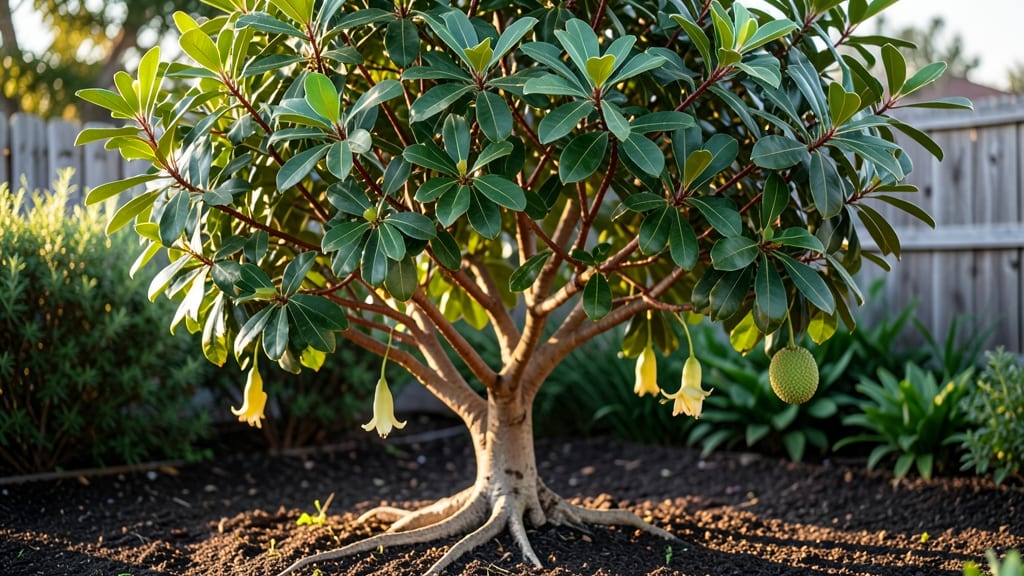
To cultivate a lush sugar apple tree in the right growing zone, USDA zones 10-11 are its sweet spot—where warm winters and long summers let this tropical fruit tree shine without frost stress. 🌿 I planted mine in zone 11, and within two years, it was heavy with fragrant, honey-scented fruit that tastes like creamy vanilla custard.
The key isn’t just the zone number—it’s understanding how to protect it when temperatures dip below 30°F, even in marginal zones.
Sugar apple trees (Annona squamosa) need consistent warmth—they bolt into dormancy when temps drop, and frost will kill them back to the ground.
That said, with the right strategies (like microclimates near heat-retaining walls or container growing), you can push their range into zone 9 with winter protection. In colder areas, a large pot lets you move the tree indoors during winter, though it’ll need bright light to avoid leggy growth.
What you’ll get is a low-maintenance tropical tree that rewards patience—creamy white flowers in spring, glossy evergreen leaves year-round, and fruit that’s a showstopper at dinner parties. The first harvest might take 3-5 years, but once established, these trees produce reliably.
Just avoid heavy pruning unless shaping young trees, as they fruit on older wood.
For zone 9 gardeners, focus on mulching deeply and wrapping the trunk in bubble wrap for extra insulation. In zones 10-11, watch for fungal issues from humidity—prune for airflow and avoid overhead watering.
Whether you’re in a true tropical climate or stretching the limits, this tree delivers dramatic beauty and exotic flavor with surprisingly little fuss.
📚 In This Guide
- What you need
- Instructions
- Tips and common mistakes
- Wrapping up and next steps
What you need
- ● Sugar apple tree (Annona squamosa) sapling – Choose a healthy, disease-free 1-2 year old plant from a reputable nursery.
- ● Well-draining potting mix – 5-10 gallons (for container growing) or native soil amended with compost (20-30%) and perlite/sand (10%) for in-ground planting.
- ● Organic fertilizer – Balanced 10-10-10 or citrus-specific fertilizer (follow label instructions for dosage).
- ● Mulch (straw or wood chips) – 2-3 inches to retain moisture and regulate soil temperature.
- ● Drip irrigation system or hose with a gentle spray nozzle – Sugar apples hate soggy roots!
- ● Trowel or shovel – For digging planting holes (12-18 inches deep and wide).
- ● Pruning shears – To trim dead or overgrown branches (sterilize with rubbing alcohol).
- ● Garden gloves – Protect your hands from thorns and rough bark.
- ○ Support stakes or trellis (optional) – Useful if growing in windy areas or for heavy fruit-bearing branches.
- ○ Spray bottle with neem oil (optional) – Helps deter pests like aphids or fruit flies.
- ● Full sun exposure – At least 6-8 hours of direct sunlight daily.
- ● Warmth-loving climate – No frost tolerance; protect from temps below 30°F (-1°C).
- ● Acidic to slightly acidic soil (pH 5.5-6.5) – Test your soil or amend with sulfur if needed.
- ● Space to grow – Mature trees reach 10-15 feet tall and wide; plant 15+ feet apart.
How to select and prepare planting sites for sugar apple trees
Here's the foolproof approach I use to ensure these tropical beauties thrive in their ideal zones.
🌱 Step 1: Verify Your USDA Zone and Microclimate
Sugar apple trees (Annona squamosa) demand USDA zones 10-11 for optimal growth. Check your zone using the USDA Plant Hardiness Zone Map, then assess your microclimate—sheltered spots can extend their range slightly. I always verify by checking the average last frost date: these trees cannot tolerate temperatures below 32°F for more than a few hours.
Real talk: If you're in zone 9, plant near a south-facing wall or use frost blankets during cold snaps. The tree's thick leaves burn at 28°F, so protection is critical. I've seen them survive brief dips to 26°F with mulch, but don't push it—frost stress weakens the tree permanently.
☀️ Step 2: Choose a Sunny, Sheltered Location
Sugar apples need full sun (6-8 hours daily) but hate harsh afternoon winds. I always scout locations by observing how sunlight moves across the yard—morning sun with afternoon shade works best in hotter zones. The tree's broad canopy will eventually create its own shade, but young plants need consistent light.
Watch for these visual cues: mature trees in your area with similar canopies indicate good sun exposure. If nearby trees have sparse foliage on the west side, that's where your sugar apple will scorch. I plant mine 15-20 feet from structures to allow airflow while protecting from wind.
💧 Step 3: Test and Amend the Soil
These trees thrive in well-draining, slightly acidic soil (pH 5.5-6.5). Grab a soil test kit and check your pH before planting—amend with sulfur if too alkaline. I dig a 12-inch deep hole and mix in 3 inches of compost with the native soil to improve drainage without compacting.
Here's the thing—sugar apples hate soggy roots. If your soil stays wet for more than 48 hours after rain, raise the planting mound by 6 inches or plant in a large container with drainage holes. The roots should never sit in water, or root rot will kill the tree within months.
⏰ Step 4: Time Your Planting for Optimal Growth
Plant container-grown sugar apple trees in early spring after the last frost date in your zone. Bare-root trees need late winter planting (before bud break). I always wait until nighttime temperatures stay above 55°F consistently—cold snaps after planting shock the roots.
For container planting, use a 24-inch diameter pot with drainage holes. The tree's roots spread wide but shallow, so prioritize horizontal space over depth. Water deeply before planting, then again immediately after to eliminate air pockets around the roots.
🪴 Step 5: Mulch and Protect for First Year
Spread 3 inches of organic mulch (like wood chips) around the base, keeping it 6 inches away from the trunk. This conserves moisture and regulates soil temperature. I always use black plastic mulch in zone 10 to boost soil warmth and suppress weeds—sugar apples appreciate the heat.
Install a frost blanket or mini greenhouse cover for the first winter if you're near zone 9's edge. The tree's new growth is most vulnerable—you'll see it when leaves yellow or curl after cold nights. A simple burlap wrap around the trunk also protects against wind damage during storms.
Tips & tricks for perfect sugar apple tree planting
Common mistakes can turn your tropical dream into a sad sapling—here's how to beat them.
Zone Verification: Don't just check your USDA zone—verify your microclimate by observing nearby mature trees. If you're on the edge of zone 9, test your frost tolerance by monitoring temperatures during the coldest nights. I've seen sugar apples survive to 26°F with proper mulching, but anything below 28°F risks leaf burn. Consider a south-facing wall as your first line of defense against frost.
Sunlight Strategy: The 6-8 hours of daily sun requirement is non-negotiable, but timing matters just as much. Plant on the east side of structures to capture morning sun while avoiding harsh afternoon rays. I always scout locations by watching how sunlight shifts across the yard—what looks sunny at noon might be shaded by 3 PM when the critical afternoon heat hits.
Soil Science: That 12-inch deep hole with 3 inches of compost isn't just for show—it creates the perfect drainage balance. For heavy clay soils, mix in 20% perlite or coarse sand to prevent waterlogging. And here's the thing about pH: while 5.5-6.5 is ideal, these trees are surprisingly adaptable. If your soil tests at 6.8, just add a handful of sulfur to the planting hole—it'll adjust over time.
First-Year Protection: The 3 inches of organic mulch isn't just for looks—it's your tree's winter blanket. In zone 10, I switch to black plastic mulch to boost soil warmth, but in cooler microclimates, stick with organic. And that 6-inch trunk clearance prevents rot while letting the mulch do its job. Pro tip: Mark your irrigation lines before mulching to avoid cutting them during watering.
Pro Tips for Sugar Apple Tree Growing Zone
- Common mistakes can turn your tropical dream into a sad sapling—here's how to beat them.
- Zone Verification: Don't just check your USDA zone—verify your microclimate by observing nearby mature trees. If you'...
- Sunlight Strategy: The 6-8 hours of daily sun requirement is non-negotiable, but timing matters just as much. Plant o...
Frequently asked questions
about growing sugar apple trees in the right zones—plus tips to troubleshoot common challenges!What’s the best USDA growing zone for a sugar apple tree?
A sugar apple tree thrives in USDA Hardiness Zones 10-11 , where frost is rare. In colder zones (9 or below), plant it in containers and bring it indoors during winter or grow it in a greenhouse. Young trees are especially frost-sensitive, so protect them with mulch or frost cloth if temperatures dip below 32°F.
Can I grow a sugar apple tree in Zone 8 or cooler?
Yes, but with extra care! In Zone 8 or below, plant it in a large container and move it indoors (or under a porch) when temps drop below 40°F. Alternatively, grow it as a houseplant near a sunny window—just expect slower growth and smaller fruit. Some gardeners also try microclimates (like near a south-facing wall) for outdoor planting.
How long does it take for a sugar apple tree to bear fruit?
Patience is key! A sugar apple tree typically takes 5–7 years to bear fruit from seed, but grafted trees (common in nurseries) may fruit in 3–5 years. Ensure it gets full sun (6+ hours/day), well-draining soil, and regular watering to speed up the process. Over-fertilizing with nitrogen can delay fruiting—balance with potassium and phosphorus.
What pests or diseases should I watch for with sugar apple trees?
Sugar apple trees are generally pest-resistant, but keep an eye out for: Spider mites (dry conditions), Mealybugs (white cottony spots), and Root rot (from overwatering). Treat mites with neem oil , wipe off mealybugs with soapy water, and ensure well-draining soil to prevent rot. Fungal issues (like powdery mildew) are rare but can occur in humid climates—prune for airflow!
Are there dwarf sugar apple tree varieties for small gardens?
Most sugar apple trees (like Annona squamosa) grow 10–15 feet tall, but you can prune aggressively to keep them smaller. For true dwarfs, look for grafted varieties labeled as "compact" (though these are rare). Alternatively, grow it in a large container (15+ gallons) and train it as a standard-sized tree with regular trimming.
Pro Tip:
If you’re in a cooler zone, try layering (a propagation trick!) to grow new trees from existing ones. Simply bend a low branch to the ground, cover it with soil, and wait for roots to form—then separate it as a new plant! Works great for sugar apples and other tropical trees.
Wrapping up and next steps
Growing a sugar apple tree in the right USDA zones (10-11) can be incredibly rewarding—imagine lush foliage, fragrant blooms, and sweet, tropical fruit right in your backyard! 🌴 With the right location, soil prep, and care, you’ll set your tree up for success while minimizing frost stress.
Whether you’re a seasoned gardener or just starting, this tropical gem is well worth the effort.
Ready to take the next step? Start by checking your local frost dates and preparing your soil—then plant with confidence! Your future sugar apple harvest awaits. 🍍✨