
Trees
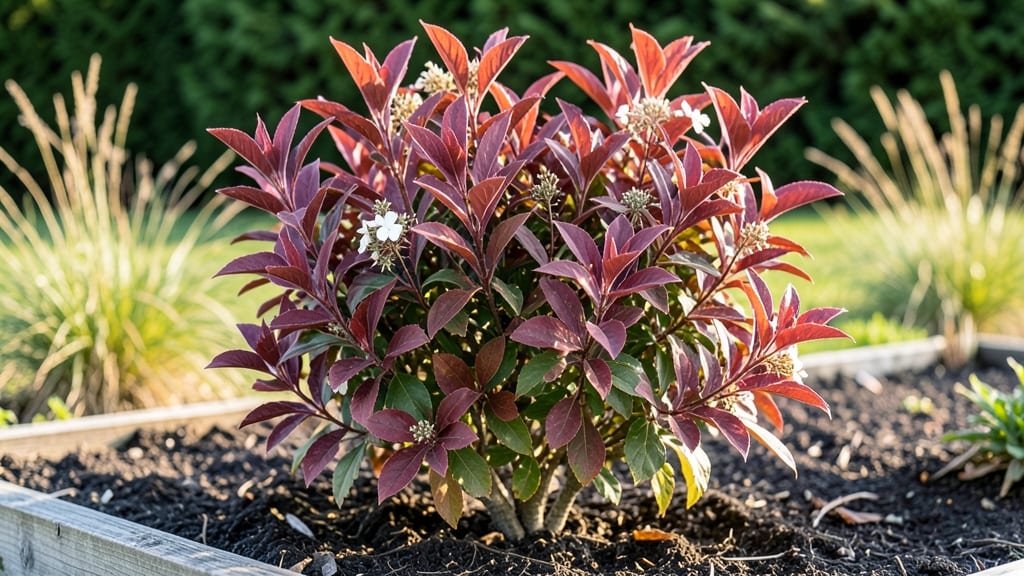
The Summer Wine Ninebark tree thrives where others falter—its deep burgundy foliage and pollinator magnetism make it the Pacific Northwest’s unsung hero. I planted mine last spring, and by July, bees buzzed around it like it was a five-star hotel.
This isn’t just another shrub; it’s a four-season showstopper that laughs at frost and drought.
This ninebark loves sun but won’t melt in partial shade, making it perfect for urban yards or woodland edges. The soil? Don’t overthink it—it handles everything from sandy loam to clay as long as it drains.
Water it deeply once a week after planting, then let it fend for itself. Prune in late winter to shape it, but skip the shears for the first two years unless you’re correcting wild growth.
By midsummer, you’ll have a vibrant burgundy cloud that turns golden in fall and stays skeleton-branched in winter—an architectural masterpiece. Birds nest in its branches, bees adore its flowers, and deer leave it alone.
It’s the kind of plant that makes neighbors ask, “What’s that?” so you can brag about its resilience.
Works in zones 3-7, from Seattle’s rainy winters to Portland’s dry summers. Plant it now, and in three years, you’ll have a privacy screen, pollinator paradise, and a conversation starter—all with minimal fuss. Let’s get yours in the ground.
📚 In This Guide
- What you need
- Instructions
- Tips and common mistakes
- Wrapping up and next steps
What you need
- ● Summer Wine Ninebark Tree: 1 healthy, 1- to 3-gallon container-grown plant (check for vibrant foliage and no signs of pests).
- ● Shovel or Trenching Tool: 1 sturdy, 18-inch-wide spade or digging bar for planting.
- ● Garden Gloves: 1 pair (nitrile-coated for durability and grip).
- ● Mulch: 2–3 cubic feet of organic mulch (e.g., shredded bark, wood chips, or compost).
- ● Watering Can or Hose: 1 with a gentle spray nozzle (or a 5-gallon bucket for hand-watering).
- ○ Balanced Fertilizer: 1 bag of 10-10-10 or 5-10-10 slow-release granular fertilizer (optional but recommended for the first season).
- ● Pruning Shears: 1 pair (bypass pruners, sharp and sanitized).
- ● Staking Supplies (if needed): 1–2 3-foot bamboo stakes or wooden posts.
- ● 1 roll of tree tie material (or soft cloth strips).
- ● Soil Amendment: 1 bag of compost or peat moss (if your soil is heavy clay or sandy).
- ● Root Stimulator: 1 bottle of liquid rooting hormone (for extra resilience in frost-prone areas).
- ● Drip Irrigation Kit: For automated watering (great for young trees!).
- ● Plant Tag or Marker: To label your Ninebark and track growth.
How to plant and care for a summer wine ninebark tree
This stunning deciduous shrub thrives in Pacific Northwest climates—here’s how to set it up for years of vibrant foliage and pollinator support.
🌱 Step 1: Choose the Right Location and Prepare the Soil
Ninebark loves full sun to partial shade, with at least 6 hours of sunlight daily for best foliage color. In the Pacific Northwest, a spot with morning sun and afternoon shade works well—especially if your yard gets hot afternoons. Avoid low-lying areas where cold air pools, as this tree handles frost but not prolonged cold saturation.
Before planting, test your soil’s drainage. Ninebark tolerates a range of soil types but struggles in waterlogged ground. Amend heavy clay with 2-3 inches of compost mixed into the top 12 inches of soil. If your soil is sandy, work in 2 inches of peat moss to retain moisture. The goal is well-draining soil that holds enough moisture without staying soggy.
🪴 Step 2: Dig the Hole and Plant at the Correct Depth
Dig a hole twice as wide as the root ball but only as deep as the container’s height. This encourages roots to spread horizontally rather than settling too deep. Gently loosen the roots if they’re circling the root ball—just tease them apart with your fingers. Place the tree in the hole so the top of the root ball sits 1 inch above ground level.
Backfill with native soil mixed with 1 part compost to improve fertility. Press the soil lightly around the roots to remove air pockets, then water deeply to settle everything. A newly planted ninebark needs 1-2 gallons of water to help roots establish. Mulch with 2-3 inches of organic mulch (like shredded bark) around the base, keeping it 3 inches away from the trunk to prevent rot.
☀️ Step 3: Water and Fertilize for Healthy Growth
Water deeply once a week during the first growing season, aiming for 1-2 inches of moisture per week. Check soil moisture by sticking your finger 2 inches deep—if it’s dry, water again. Overwatering is the biggest mistake with ninebark; its roots need air, not constant moisture. After the first year, it becomes drought-tolerant once established.
Fertilize lightly in early spring with a balanced, slow-release fertilizer (10-10-10). Avoid high-nitrogen fertilizers, which encourage leafy growth at the expense of vibrant foliage. A handful of granular fertilizer spread over the root zone and lightly scratched into the soil is enough. Ninebark is low-maintenance—too much fertilizer leads to weak stems and fewer flowers.
✂️ Step 4: Prune for Shape and Encourage New Growth
Prune in late winter or early spring before new growth begins. Remove dead, diseased, or crossing branches first to improve airflow. To shape the tree, cut back 1/3 of the oldest stems to the ground—this rejuvenates the plant and encourages fresh, vibrant growth. Ninebark blooms on old wood, so avoid heavy pruning after flowering in early summer.
Watch for peeling bark—this is normal and part of the tree’s charm. If you notice yellowing leaves, it’s often a sign of overwatering or poor drainage. Adjust your watering schedule and check soil moisture before assuming disease. The tree’s exfoliating bark and vibrant purple foliage are hallmarks of a healthy plant—these traits develop fully after 3-5 years of growth.
⏰ Step 5: Monitor for Pests and Enjoy Year-Round Interest
Ninebark is disease-resistant and rarely troubled by pests, but keep an eye out for aphids or spider mites on new growth. A strong spray of water usually dislodges them, or use neem oil as a last resort. The tree’s exfoliating bark adds winter interest, while its spring flowers attract pollinators. By summer, the foliage turns a stunning deep purple, making it a standout in any garden.
This tree is a Pacific Northwest workhorse—frost-resistant, low-maintenance, and pollinator-friendly. With the right care, it’ll thrive for decades, offering seasonal color and structure to your landscape. Once established, it’s nearly self-sufficient, making it perfect for busy gardeners.
Tips & tricks for perfect summer wine ninebark tree planting
Let me share the insights I’ve gathered from years of working with these stunning Pacific Northwest shrubs—details that’ll help your ninebark thrive from day one.
Location is Everything: When selecting your spot, prioritize that 6 hours of sunlight—but don’t compromise on airflow. I’ve seen ninebark struggle in tight spaces where humidity lingers. In hot afternoons, morning sun with afternoon shade gives you the best of both worlds: enough light for vibrant foliage without heat stress. The exfoliating bark actually helps regulate temperature, but proper airflow prevents fungal issues.
Soil Prep Secrets: That 2-3 inches of compost in heavy clay isn’t just about drainage—it’s about creating a sponge-like environment that holds moisture without suffocating roots. For sandy soil, the 2 inches of peat moss recommendation is perfect because it mimics the natural forest floor conditions ninebark prefers. Pro tip: Mix a handful of perlite (optional) into your amendments for even better aeration if you’re in particularly dense clay.
Planting Depth Matters: The 1 inch above ground level placement might seem minor, but it’s critical for preventing rot. I’ve seen new plantings fail when buried too deep because the stem can’t breathe. After planting, press the soil firmly around the roots—this isn’t about compacting, but about eliminating air pockets that could dry out the roots. The 1-2 gallons of water immediately after planting is non-negotiable; it’s what kickstarts root establishment.
Watering Wisdom: The 1-2 inches of moisture weekly guideline is perfect, but here’s what I’ve learned: check soil moisture at 2 inches deep in the morning after a dry spell. If it’s dry, water deeply—but if it’s still moist, wait. Ninebark’s roots actually seek out moisture deeper in the soil, so consistent surface watering can create a shallow root system. After the first year, you’ll notice the tree’s natural drought tolerance kick in as those deep roots establish.
Pro Tips for Summer Wine Ninebark Tree
- Let me share the insights I’ve gathered from years of working with these stunning Pacific Northwest shrubs—details that’ll help your ninebark thrive from day one.
- Location is Everything: When selecting your spot, prioritize that 6 hours of sunlight—but don’t compromise on airflow.
- Soil Prep Secrets: That 2-3 inches of compost in heavy clay isn’t just about drainage—it’s about creating a sponge-like environment that holds moisture without suffocating roots.
Frequently asked questions
When is the best time to plant a Summer Wine Ninebark?
The ideal time to plant is in early spring or early fall when soil temperatures are cool but not frozen. This gives roots time to establish before summer heat or winter cold sets in. Avoid planting in extreme heat (like mid-summer) or deep freeze—root shock is a real risk!
How fast does the Summer Wine Ninebark grow, and how big will it get?
This tree is a moderate grower, typically adding 12–24 inches per year. Mature size ranges from 6–8 feet tall and 5–7 feet wide, making it perfect for small yards or as a privacy screen. Prune annually in late winter to maintain shape and encourage bushier growth!
Why aren’t pollinators visiting my Summer Wine Ninebark?
If bees, butterflies, and hummingbirds seem absent, check these factors: timing (blooms peak in late spring/early summer), water stress (drought can reduce flowers), or pesticides (avoid chemicals—ninebarks thrive on natural defenses!). A light pruning in early spring can also boost flowering.
Is Summer Wine Ninebark truly frost-resistant for the PNW?
This cultivar handles USDA Zones 3–8 with ease, including the PNW’s wet winters and cold snaps. Its exfoliating bark and deep roots protect against frost heave. Mulch heavily in winter for extra insulation—just avoid piling mulch against the trunk.
What are some low-maintenance alternatives to Summer Wine Ninebark?
If you love the look but want other pollinator-friendly, frost-hardy options, try:
Yellow leaves usually signal overwatering, poor drainage, or nutrient deficiency. Check soil moisture (it should be evenly moist but not soggy) and ensure the tree isn’t planted in a low spot where water pools. Fertilize in early spring with a balanced formula (10-10-10) if growth seems sluggish.
All thrive in partial shade to full sun and require minimal pruning!
My Summer Wine Ninebark leaves are yellowing—what’s wrong?
Wrapping up and next steps
The Summer Wine Ninebark isn’t just a stunning addition to your Pacific Northwest garden—it’s a hardy, low-maintenance champion that supports pollinators while thriving in frost and diverse soils.
Whether you’re drawn to its vibrant foliage, resilient nature, or its role in nurturing bees and butterflies, this tree delivers year-round beauty with minimal effort. 🌿
Ready to transform your outdoor space? Start by sketching your planting plan—consider sunlight, spacing, and companion plants—and take the first step toward a lush, pollinator-friendly haven. Your garden (and the local wildlife) will thank you!