
Pruning
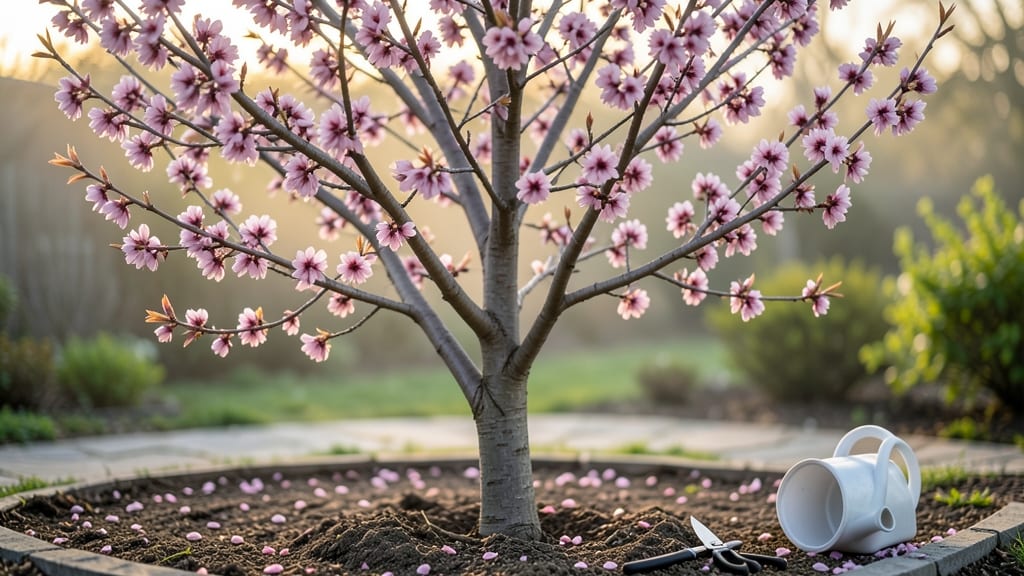
The Sunrise redbud tree lights up Pacific Northwest gardens with its shocking pink blooms before leaves even appear. I planted mine last spring, and every March, the neighborhood stops to admire its vibrant show—proof that this small but mighty tree thrives with minimal fuss.
The key isn’t just planting it right; it’s understanding how to coax those blossoms year after year while keeping its compact form neat and healthy.
This tree loves morning sun and afternoon shade, which is perfect for PNW’s mild but rainy climate. Well-draining soil prevents soggy roots, and pruning in late winter (before buds swell) encourages bushier growth and more flowers.
Most people overlook the pruning part, but it’s what transforms a pretty shrub into a showstopper—I’ve seen firsthand how a few strategic cuts in February can double next year’s blooms.
By summer, you’ll have a tree that’s disease-resistant and pest-proof (deer leave it alone, too), with glossy green foliage that turns golden in fall. The best part? It stays under 10 feet tall, making it ideal for small yards or as a striking focal point near patios.
With the right care, your Sunrise redbud will become the garden’s star performer for decades.
Whether you’re planting a bare-root sapling or shaping an established tree, the principles stay the same: sunlight, soil, and smart pruning. Let’s get yours looking its absolute best—starting with the first cut.
📚 In This Guide
- What you need
- Instructions
- Tips and common mistakes
- Wrapping up and next steps
What you need
- ● Pruning shears: Bypass pruners (for small branches, ¼"–¾" thick) – 1 pair
- ● Loppers: For medium branches (¾"–2" thick) – 1 pair
- ● Pruning saw: Curved-tooth saw for thick branches (2"+) – 1
- ● Disinfectant: 70% isopropyl alcohol or bleach solution (1 part bleach to 9 parts water) – small spray bottle
- ● Gloves: Heavy-duty work gloves (cut-resistant) – 1 pair
- ○ Tree bag or plastic sheeting: To collect debris (optional but helpful) – 1–2
- ○ Pruning sealant: Optional for large cuts (½" or wider) – small tube
- ● Ladder or step stool: For reaching higher branches – stable and tall enough
- ● Safety glasses: To protect eyes from debris – 1 pair
- ● Timing: Prune after flowering (late spring to early summer) to avoid cutting off next year’s blooms.
- ● Weather: Choose a dry, overcast day to prevent stress on the tree.
- ● Inspection: Check for dead, diseased, or crossing branches before starting.
- ● Local regulations: Verify if your area requires permits for pruning large trees.
- ● 🌡️ Watch for fungal risks: The PNW’s damp climate can encourage fungal growth—sterilize tools between cuts!
- ● ✨ Mulch matters: Add 2–3 inches of mulch around the base after pruning to retain moisture.
- ● 🎯 Shape with intention: Redbuds have a natural, airy form—avoid over-pruning to maintain their delicate beauty.
Step-by-Step guide for planting and pruning Sunrise redbud trees in the Pacific Northwest
Here’s how to cultivate vibrant blooms and sturdy growth in your Pacific Northwest climate.
Choose the Right Location and Prepare the Soil
Sunrise Redbuds thrive in partial shade to full sun, but in the Pacific Northwest’s cooler, wetter climate, they do best with morning sun and afternoon shade. Pick a spot with well-draining soil—these trees hate soggy roots. If your soil is heavy clay, mix in 2-3 inches of compost to improve aeration and fertility.
Dig a hole twice as wide and just as deep as the tree’s root ball. Gently loosen the roots before placing the tree in the hole—this encourages them to spread outward instead of circling, which can strangle the tree over time. Backfill with native soil, tamping lightly to remove air pockets.
Real talk: If your yard has compacted soil, add a 1-inch layer of coarse sand or perlite to the bottom of the hole. This helps water drain faster and prevents root rot, especially in winter’s heavy rains.
Plant at the Right Time and Water Deeply
Fall is the best time to plant in the Pacific Northwest—cooler temperatures and winter rains help roots establish before summer stress. If you must plant in spring, do it early (March-April) before the heat sets in. Avoid planting in late summer or fall, as new roots won’t have time to harden off before winter.
Water deeply right after planting—soak the soil until it’s 6-8 inches down. Then, water once a week for the first month, letting the soil dry slightly between waterings. Overwatering now can suffocate roots, but underwatering will stress the tree as it adjusts. Look for wilting leaves as a sign to water more frequently.
Here’s the thing—mulch matters. Spread 3 inches of wood chips or shredded bark around the base, keeping it 6 inches away from the trunk. This retains moisture, regulates soil temperature, and prevents weeds. Just don’t pile mulch against the bark—it can cause rot.
Prune for Blooms and Structural Strength
Prune Sunrise Redbuds in late winter or early spring (February-March), just as buds swell but before new growth begins. This timing ensures you don’t cut off next year’s flowers. Remove dead, diseased, or crossing branches first—these compete with healthy growth and weaken the tree.
To encourage vibrant blooms, thin out overcrowded branches by cutting them back to the main trunk or a strong lateral branch. Aim for an open, vase-like shape—this allows sunlight to reach inner branches, where many flowers form. Never remove more than 25% of the tree’s foliage in one season; this can shock the tree.
If your tree grows too leggy, prune back one-third of the longest branches to encourage bushier growth. You’ll see more flowers and stronger structure within a season. Just avoid heavy pruning in fall or summer—it stresses the tree when it’s already adjusting to seasonal changes.
Protect from Pacific Northwest Challenges
In the Pacific Northwest, winter rains and wind can stress young Redbuds. Stake the tree only if necessary—use two stakes on opposite sides and tie the trunk loosely with soft fabric strips (never wire, which can girdle the bark). Remove stakes after one growing season to avoid dependency.
Watch for aphids or scale insects, common pests in damp climates. Spray neem oil on affected branches if you see sticky residue (honeydew) or distorted leaves. Early intervention prevents infestations from spreading. Also, avoid over-fertilizing—Redbuds are low-maintenance and prefer native soil fertility over heavy amendments.
This is the moment that matters: Monitor for fungal issues like powdery mildew in humid summers. Improve airflow by thinning dense branches and water at the base (not overhead) to keep foliage dry. A healthy Redbud in the PNW will reward you with stunning pink blooms for decades—just give it the right care now.
Tips & tricks for perfect Sunrise redbud tree growth
Here’s what I’ve learned after nurturing these stunning trees through Pacific Northwest seasons—tricks that’ll help you avoid common pitfalls and get the most vibrant blooms.
Soil Preparation Secret: When amending heavy clay soil with compost in Step 1, I recommend mixing in a handful of mycorrhizal fungi (available at garden centers) along with the 2-3 inches of compost. These beneficial fungi form symbiotic relationships with your tree’s roots, dramatically improving nutrient uptake—especially important in the PNW’s nutrient-poor soils. This single step can mean the difference between a struggling tree and one that thrives from day one.
Planting Timing Strategy: The instructions mention fall planting, but here’s the nuance: In colder PNW regions (like western Washington), aim for September-October planting. In milder coastal areas (like Portland), you can extend until November. The key is planting 6-8 weeks before your first hard frost—this gives roots time to establish before winter dormancy. For spring planting, March is ideal, but don’t wait past April 15th or you risk summer heat stress.
Pruning Precision: In Step 3, when you’re shaping that open vase form, pay special attention to the branch collar—that swollen area where branches meet the trunk. Always make cuts just outside this collar, never flush with it. I’ve seen too many trees develop cankers from improper pruning. Also, when thinning branches, make your cuts at a 45-degree angle about 1/4 inch above a lateral branch or bud. This encourages faster healing and better regrowth.
Pacific Northwest Pest Prevention: The instructions mention neem oil for aphids, but here’s another layer: Set up yellow sticky traps in early spring to monitor for pests before they become a problem. Place them about 5 feet above ground, near but not touching the tree. In the PNW’s damp climate, you’ll often see vine weevils and spider mites before aphids—catching them early makes all the difference. Rotate between neem oil and horticultural soap every other treatment to prevent resistance.
Pro Tips for Sunrise Redbud Tree
- Here’s what I’ve learned after nurturing these stunning trees through Pacific Northwest seasons—tricks that’ll help you avoid common pitfalls and get the most vibrant blooms.
- Soil Preparation Secret: When amending heavy clay soil with compost in Step 1, I recommend mixing in a handful of mycorrhizal fungi (available at garden centers) along with the 2-3 inches of compost.
- Planting Timing Strategy: The instructions mention fall planting, but here’s the nuance: In colder PNW regions (like western Washington), aim for September-October planting.
Frequently asked questions
When is the best time to prune a sunrise redbud tree in the Pacific Northwest?
The ideal time to prune your sunrise redbud is late winter to early spring (February–March), before new growth begins. This timing encourages vibrant blooms and maintains the tree’s natural shape. Avoid pruning in fall or after flowering, as it can stress the tree.
How much can I prune a sunrise redbud tree without harming it?
You can safely remove up to 25% of the tree’s branches in a single pruning session. Focus on dead, crossing, or overcrowded branches first. For young trees, light pruning (10–15%) is enough to shape them. Avoid heavy pruning—it can reduce flowering and weaken the tree.
Does a sunrise redbud tree need special care after pruning?
Yes! After pruning, water deeply to help the tree recover, especially if the PNW weather is dry. Apply a layer of mulch (2–3 inches) around the base (but not touching the trunk) to retain moisture. Avoid fertilizing right after pruning—let the tree focus on healing first.
What if my sunrise redbud isn’t blooming? Is it dead or just slow?
Don’t panic! Sunrise redbuds can take 3–5 years to bloom after planting. If it’s older and still bare, check for:
- Over-pruning (too aggressive cuts can reduce flowers).
- Poor sunlight (they need full sun—6+ hours daily).
- Stress from drought, pests, or disease (inspect leaves/branches).
Are there alternatives to sunrise redbud if I want a similar tree?
If you love the sunrise redbud’s pink blooms but need a different variety, consider:
- Eastern redbud (Cercis canadensis) – Classic purple-pink flowers, slightly larger.
- Alba redbud (Cercis canadensis ‘Alba’) – White blooms, great for contrast.
- Weston redbud (Cercis canadensis ‘Weston’) – Deep pink flowers, more cold-hardy.
- Japanese tree lilac (Syringa reticulata) – Fragrant blooms, similar spring interest.
Wrapping up and next steps
The Sunrise Redbud Tree is a stunning addition to any Pacific Northwest garden, offering vibrant blooms and year-round resilience. With the right pruning techniques—like timing cuts in late winter or early spring and removing dead or crossing branches—you’ll encourage lush growth and breathtaking spring color. 🌸
Ready to transform your outdoor space? Grab your pruners, roll up your sleeves, and give your Sunrise Redbud the care it deserves. Next, sketch a quick pruning plan based on your tree’s shape and goals—then watch it thrive!