
Pruning
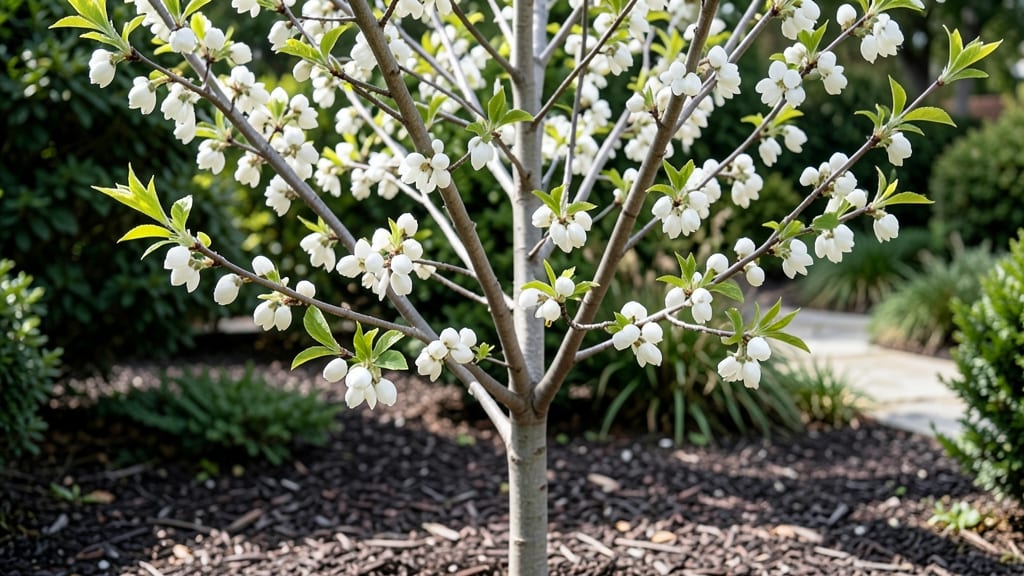
Growing a Sunset Redbud tree means waking up to clouds of soft pink blooms when most gardens are still brown. 🌸 This compact beauty thrives in zones 4-8, where its frost-hardy nature lets it push through winter’s last chill to greet spring with vibrant color.
The key? Planting it in well-drained soil where its roots can spread comfortably—12 to 15 feet from other trees or structures.
Sunlight is its secret weapon: at least 6 hours of sun daily keeps those blossoms popping, while partial shade softens the foliage’s summer glow. The soil mix doesn’t need to be fancy—just loamy and slightly acidic—but avoid soggy spots.
Mulch helps retain moisture and keeps roots cool, especially during those early spring freezes that other trees can’t handle.
You’ll love how low-maintenance it is: prune only to shape or remove dead branches, and watch as it rewards you with 3-4 weeks of blooms before the leaves even appear. The foliage turns a warm yellow in fall, extending the show.
Just keep an eye out for Japanese beetles—they adore redbuds, but a quick spray of neem oil keeps them in check.
Perfect for small yards, city patios, or as a standout specimen near entryways. Plant one this fall, and next spring, your neighbors will ask how you pulled off that magical pink explosion. The secret? Patience—and knowing exactly where to place it.
📚 In This Guide
- What you need
- Instructions
- Tips and common mistakes
- Wrapping up and next steps
What you need
- ● Sunset Redbud Tree: 1 bare-root sapling (1–3 years old, Cercis canadensis 'Alba' cultivar) from a trusted nursery
- ● OR Seeds (if propagating from scratch—requires stratification)
- ● Planting Site: Full sun to partial shade (6+ hours of sunlight daily)
- ● Well-draining soil (amend with compost if needed)
- ● Tools: 1 shovel or trowel (for digging)
- ● 1 garden fork (for loosening soil)
- ● 1 wheelbarrow (for moving soil/amendments)
- ● 1 hose with nozzle or watering can (for post-planting hydration)
- ● 1 pair of pruning shears (bypass pruners, sterilized)
- ● 1 gloves (gardening or work gloves)
- ● Mulch (2–3 inches of organic mulch like shredded bark or pine needles)
- ● Slow-release fertilizer (balanced 10-10-10 or tree-specific formula)
- ● Soil pH test kit (ideal range: 6.0–7.0)
- ● Tree stake & ties (if planting in windy areas)
- ● Post-planting root stimulator (mycorrhizal fungi or liquid root booster)
Step-by-step instructions for planting and caring for a Sunset Redbud tree
Here's how to establish a stunning, low-maintenance tree that thrives in your climate.
🌱 Step 1: Choose the Perfect Planting Location
Sunset redbuds love full sun to partial shade—pick a spot with at least 6 hours of direct sunlight daily for best blooms. They tolerate some afternoon shade in hotter regions, but too little light means fewer flowers. I always check the site for well-draining soil first—redbuds hate soggy roots.
Dig a hole twice as wide as the root ball but only as deep as the container's base. Loosen the sides of the hole with a shovel to encourage root spread. The reason we go wide is that redbuds develop a broad, shallow root system—they'll thank you by flowering earlier.
🪴 Step 2: Plant with Proper Spacing and Support
Place the tree so the top of the root ball sits 1 inch above ground level—this prevents water from pooling around the trunk. Gently spread the roots outward if they're circling the container, but don't force them. Fill the hole with native soil (no amendments needed), tamping lightly every 2 inches to eliminate air pockets.
For young trees, I stake them temporarily using two supports positioned 18-24 inches apart on opposite sides. Tie the trunk loosely with soft tree ties (never wire) to prevent girdling. Space trees 20-25 feet apart—they'll grow 20-30 feet wide at maturity, so plan ahead for their eventual size.
☀️ Step 3: Water Deeply and Mulch Correctly
Water deeply right after planting—soak the soil until it's 6-8 inches down, then wait until the top 2 inches feel dry before watering again. Overwatering now causes root rot, which redbuds are surprisingly sensitive to. You'll know moisture is right when the soil looks slightly damp but not glistening.
Spread 2-3 inches of mulch (wood chips or shredded bark) in a 3-foot diameter circle around the base, keeping it 6 inches away from the trunk. This conserves moisture and regulates soil temperature. Replenish mulch annually—it breaks down faster than you think, and bare soil means lost moisture.
✂️ Step 4: Prune for Shape and Health
Prune right after flowering (late spring) to shape the tree and remove any dead, crossing, or weak branches. Redbuds bloom on last year's wood, so avoid heavy pruning in fall or winter—you'll cut off next year's flowers. I always use clean, sharp pruners and make cuts just outside the branch collar.
Watch for suckers (shoots growing from the base)—remove them immediately. These compete with the main tree for nutrients and weaken its structure. A light annual pruning keeps the tree strong and encourages that signature heart-shaped canopy that makes redbuds so special.
Tips & tricks for perfect Sunset Redbud tree planting
Real talk: Planting a Sunset Redbud isn't just about digging a hole—it's about setting your tree up for decades of vibrant blooms. These small details make all the difference between a struggling sapling and a showstopper that steals the spring show.
Light Matters: That 6-hour sunlight minimum is non-negotiable for those iconic pink blooms. If your yard gets intense afternoon sun, I've planted mine with some afternoon shade—just don't skimp on morning sun. The east side of your property is perfect for this balance. I've seen redbuds in full sun thrive, but their leaves can scorch in extreme heat without that morning light.
Root System Strategy: When you dig that hole twice as wide as the root ball, think of it as giving your tree's roots room to breathe. The shallow roots need space to spread horizontally rather than struggling downward. I've watched redbuds planted in tight holes struggle for years to catch up—don't make that mistake. The wider hole also prevents the roots from circling, which can strangle young trees.
Watering Wisdom: That deep watering right after planting isn't just about initial hydration—it's about settling the soil around the roots. I've seen too many people give a quick water and call it good. Instead, keep watering until you see moisture 6-8 inches down. You'll know you've done it right when the soil looks damp but not soggy—like a wrung-out sponge. This prevents air pockets that can suffocate new roots.
Pruning Precision: Timing your first prune right after flowering is crucial because redbuds bloom on last year's wood. I've made the mistake of pruning too late and ended up with fewer flowers the next spring. Always cut just outside the branch collar—this little detail prevents unsightly stubs and promotes faster healing. And those suckers? Remove them immediately—they're like little vampires draining nutrients from your main tree.
Pro Tips for Sunset Redbud Tree
- Real talk: Planting a Sunset Redbud isn't just about digging a hole—it's about setting your tree up for decades of vibrant blooms.
- Light Matters: That 6-hour sunlight minimum is non-negotiable for those iconic pink blooms.
- Root System Strategy: When you dig that hole twice as wide as the root ball, think of it as giving your tree's roots room to breathe.
Frequently asked questions
Got questions about growing and caring for your Sunset Redbud Tree? Here are some of the most common ones—and their answers!
When is the best time to plant a Sunset Redbud Tree?
The ideal time to plant your Sunset Redbud is in early spring or fall, when soil temperatures are cool but not frozen. This gives roots time to establish before summer heat or winter frost. Avoid planting in extreme heat or during drought conditions—your tree will thank you with vibrant blooms!
How cold-hardy is the Sunset Redbud Tree?
This stunning tree thrives in USDA Hardiness Zones 5-9, making it perfect for frost-prone areas. It can handle temperatures as low as -20°F (-29°C), but young trees may need winter mulch for extra protection. Its resilience ensures those iconic pink blooms return year after year!
Do Sunset Redbud Trees need pruning? If so, when?
Yes! Prune in late winter or early spring (before buds swell) to shape the tree and remove dead branches. Avoid heavy pruning in fall—it can stimulate new growth that won’t harden off before frost. Focus on thinning to improve airflow and light penetration for those show-stopping flowers.
How much water does a Sunset Redbud Tree need?
Water deeply once a week during the first growing season to encourage root growth. Once established, it’s drought-tolerant but benefits from occasional watering during dry spells. Overwatering can lead to root rot, so ensure well-draining soil. A happy Sunset Redbud = happy blooms!
Why isn’t my Sunset Redbud blooming as expected?
Common reasons include over-fertilizing (too much nitrogen = fewer flowers), poor sunlight (they need full sun to partial shade), or young age (they may take 3-5 years to bloom). Check soil pH (6.0-7.0 is ideal) and ensure it’s not stressed by pests or disease. Patience and proper care pay off!
Wrapping up and next steps
The Sunset Redbud Tree is a stunning, low-maintenance addition to any garden, offering vibrant blooms that transform early spring into a breathtaking spectacle. Its frost-resilient nature and compact size make it perfect for both experienced gardeners and beginners—just remember to prune wisely for optimal growth and health. 🌸
Now that you’re armed with the right knowledge, why not plant one this season? Start by choosing a sunny spot in your yard, gather your tools, and give your garden a burst of color that’ll last for years. Happy gardening!