
Pruning
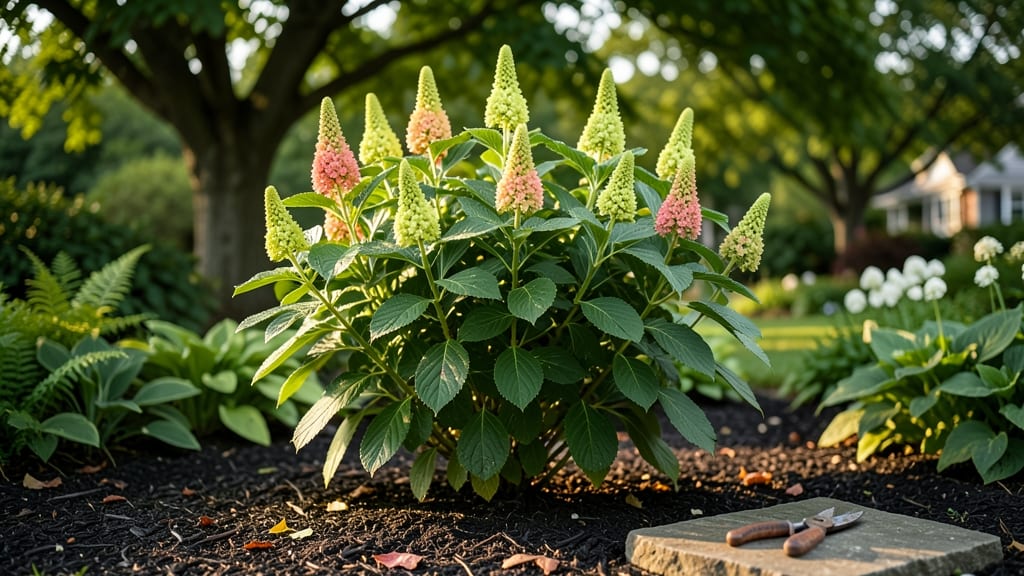
Your Sweet Summer hydrangea tree isn’t just a shrub—it’s a firework of blooms that lasts from summer into fall, and the secret to its glory starts with pruning. I’ve watched mine transform from a scraggly mess to a showstopper in just three cuts, and the best part?
You don’t need a green thumb to pull it off. The key is timing and technique, not brute force.
The real magic happens in late winter or early spring, when the plant is dormant but ready to burst into growth. Grab your pruners and snip back one-third of the oldest stems—those are the ones that bloomed last year.
This might sound drastic, but trust me: the plant rewards you with bigger, brighter blooms that last longer than store-bought bouquets. And here’s the kicker—no special tools required, just sharp shears and a clear day.
By summer’s end, you’ll have a towering cascade of lime-green blooms that mature into soft pink, creating a dramatic vertical display that hummingbirds can’t resist. The best part? This tree thrives in partial shade, making it perfect for spots where other plants struggle.
Just keep the soil moist but not soggy, and watch it reward you with years of effortless beauty.
Whether you’re dealing with a newly planted sapling or a mature tree that’s grown a little wild, the principles stay the same. The goal is shape, airflow, and next year’s blooms—not perfection. Let’s get those branches looking like a pro’s handiwork, even if your hands are still learning.
📚 In This Guide
- What you need
- Instructions
- Tips and common mistakes
- Wrapping up and next steps
What you need
- ● Pruning shears: Bypass pruners (sharp, clean, and sterilized with rubbing alcohol to prevent disease). Choose a pair with a 4–6 inch blade for precision.
- ● Loppers: For thicker branches (½–1½ inch diameter). Opt for bypass-style loppers with a 10–12 inch handle for leverage.
- ● Hand pruners: Anvil-style (for small stems <¼ inch thick) as a backup.
- ● Gloves: Heavy-duty, gardening gloves (nitrile-coated for grip and protection).
- ● Disinfectant: 70% isopropyl alcohol or a 10% bleach solution (1 part bleach to 9 parts water) to sterilize tools between cuts.
- ○ Pruning sealant: Tree wound pruning paste (optional but helpful for large cuts >½ inch in diameter).
- ● Bucket or bag: A 5-gallon bucket or heavy-duty trash bag for trimmings.
- ● Extension pole: For hard-to-reach branches (10–12 feet long).
- ● Safety glasses: Protect your eyes from debris.
- ● Knee pads: For comfort during prolonged pruning.
- ● Marking twine or tape: To flag branches for removal (helpful for complex pruning plans).
- ● Mulch: Shredded bark or pine straw (2–3 inches deep) to replenish after pruning.
- ● Check the weather: Prune on a dry, overcast day or early morning to reduce stress on the tree.
- ● Know your hydrangea type: Bigleaf (mophead/smooth) vs. panicle—pruning timing varies!
- ● Gather a sketch or reference photo of your tree’s structure (helps visualize cuts).
- ● Have a clean workspace: Lay down a tarp or old sheet to collect debris easily.
Step-by-Step guide to pruning your sweet summer hydrangea tree for maximum bloom power
Here's how I transform a struggling hydrangea into a showstopper—just follow these precise cuts and timing cues.
Identify Last Year's Blooms and New Growth
Sweet Summer hydrangeas bloom on old wood, meaning flowers form on stems that grew last season. Look for woody stems with clusters of blooms from the previous year—these are your keepers. The new growth emerging from the base or along stems is what will produce next year's flowers, so don't prune it yet.
I like to mark stems with a colored ribbon if I'm unsure, but you'll quickly learn which branches carry last year's blooms. The key is patience—wait until after the flowers have faded (usually late summer) to prune, because cutting back too early removes next year's potential blooms.
Remove Dead or Weak Wood First
Start by cutting out any dead, diseased, or crossing branches using clean, sharp pruners. Dead wood is easy to spot—it's brown, brittle, and doesn't bend. Diseased branches often have black spots or fungal growth, and crossing branches rub against each other, creating wounds that invite pests.
Make your cuts at a 45-degree angle, about ¼ inch above a bud or lateral branch. This angle helps water run off the cut and prevents rot. I always disinfect my pruners with rubbing alcohol between cuts to avoid spreading disease—this is non-negotiable for hydrangeas, which are prone to powdery mildew.
Thin Out Overcrowded Branches for Better Airflow
Hydrangeas need good airflow to prevent fungal diseases and encourage strong growth. Look for branches that are too close together or growing inward toward the center of the tree. These should be removed entirely at the base, not just trimmed back. You're aiming for an open, vase-like shape that lets sunlight penetrate to the inner stems.
I target branches that are thinner than a pencil—these often compete with stronger stems for nutrients. Cut them back to the main trunk or a strong lateral branch. Never leave stubs; always cut just outside a bud or branch collar. You'll see healthier, larger blooms next season once the tree isn't fighting for space.
Lightly Prune Last Year's Blooms to Encourage Next Year's Growth
This is where the magic happens. After removing dead wood and thinning, you'll prune only the spent blooms—never the entire stem. Use your pruners to cut back the flower clusters to the first set of large, healthy leaves below them. This redirects the plant's energy from seed production to next year's flower buds.
I never cut more than ⅓ of the plant's total growth in one season. If you're aggressive, you risk weakening the tree. Watch for new shoots at the base—these are your future blooming stems. The goal is to shape the tree while preserving its ability to produce flowers. After pruning, give the tree a deep watering to help it recover.
Time Your Pruning for Peak Performance
The best time to prune Sweet Summer hydrangeas is late summer to early fall, after the flowers have faded but before hard frosts. This timing ensures you don't accidentally remove next year's blooms while still giving the tree time to heal before winter. Avoid pruning in spring, as this removes current season's flowers.
If you missed the window, don't panic. You can lightly prune in early spring to shape the tree, but avoid heavy cuts. I've pruned in late winter (just before buds swell) with no ill effects, but the tree may produce slightly fewer blooms that first season. Always prioritize health over aesthetics—a stressed hydrangea won't bloom well, no matter how perfectly you prune.
Tips & tricks for perfect sweet summer hydrangea pruning
Transforming your hydrangea into a blooming powerhouse starts with these game-changing insights that go beyond the basics.
Branch Identification Mastery: In Step 1, when identifying old wood versus new growth, look for the subtle differences in bark texture. Old wood has a rougher, more weathered bark, while new growth is smoother and often has a slight greenish tint. This visual distinction helps you avoid the common mistake of pruning next year's blooms. I've found that using a small magnifying glass can help spot these differences on dense branches.
Pruning Angle Precision: The 45-degree angle mentioned in Step 2 isn't just about aesthetics—it's a critical water management technique. When you make clean cuts at this angle, you create a natural channel for water to run away from the cut surface, preventing rot. I've seen hydrangeas develop fungal issues from improper cuts, so this detail makes all the difference in long-term plant health.
Airflow Architecture: For Step 3's airflow focus, think of your hydrangea as a sculpture rather than a bush. The open vase shape isn't just decorative—it's essential for preventing fungal diseases that thrive in damp, crowded conditions. I recommend using a small mirror to check hard-to-see interior branches for proper spacing. This simple tool helps reveal branches you might miss from one angle.
Seasonal Timing Strategy: The late summer to early fall window in Step 5 is crucial because it allows your hydrangea to complete its current blooming cycle while still having time to recover before winter. I've learned that pruning too early in fall can leave the plant vulnerable to late-season pests, while waiting too long risks winter damage to fresh cuts. This timing balance is what separates good pruning from exceptional results.
Pro Tips for Sweet Summer Hydrangea Tree
- Transforming your hydrangea into a blooming powerhouse starts with these game-changing insights that go beyond the basics.
- Branch Identification Mastery: In Step 1, when identifying old wood versus new growth, look for the subtle differences in bark texture.
- Pruning Angle Precision: The 45-degree angle mentioned in Step 2 isn't just about aesthetics—it's a critical water management technique.
Frequently asked questions
Got questions about your Sweet Summer Hydrangea Tree? You’re not alone! Here are answers to the most common queries to keep your tree thriving and blooming beautifully.
When is the best time to prune my Sweet Summer Hydrangea Tree?
The ideal time to prune is late winter or early spring (before new growth appears). This ensures you don’t accidentally cut off next year’s blooms, as Sweet Summer Hydrangeas flower on new wood. Avoid pruning in fall—it can stimulate tender growth that won’t survive winter.
How much can I trim back my hydrangea tree without harming it?
You can safely trim back up to ⅓ of the tree’s height if needed, but avoid over-pruning. Focus on removing dead, diseased, or crossing branches first. For shaping, aim for an open, vase-like structure to improve airflow and sunlight penetration.
Why aren’t my Sweet Summer Hydrangeas blooming as much as last year?
Several factors could be at play: over-pruning (cutting back old wood), poor sunlight (they need 6+ hours of sun), or underwatering. Check soil moisture (keep it consistently damp but not soggy) and fertilize in early spring with a balanced, acid-loving plant formula.
Can Sweet Summer Hydrangeas survive in hot, dry climates?
While they tolerate heat, they thrive best with consistent moisture. In dry climates, mulch around the base (2–3 inches of organic mulch) and water deeply 2–3 times per week during summer. Consider drip irrigation to avoid stress. They’re more drought-tolerant than other hydrangeas but still need care!
Are there alternatives to Sweet Summer Hydrangeas for low-maintenance blooms?
If you want similar beauty with less fuss, try:
- Panicle Hydrangeas (e.g., ‘Limelight’): Bloom on new wood, drought-tolerant.
- Oakleaf Hydrangeas: Hardy, colorful fall foliage, but slower-growing.
- Butterfly Bush (Buddleia): Drought-resistant, attracts pollinators.
Wrapping up and next steps
Transforming your Sweet Summer Hydrangea Tree into a blooming masterpiece is all about timing, technique, and a little love! With the right pruning know-how, you’ll enjoy vibrant, long-lasting blooms that turn heads in your garden.
Remember, patience and consistency are key—your hydrangea will reward you with stunning color year after year.
Ready to take the next step? Grab your pruners, mark your calendar, and start planning your pruning schedule today. Whether you’re a beginner or a seasoned gardener, every snip brings you closer to a show-stopping summer display! 🌸✨