Pruning
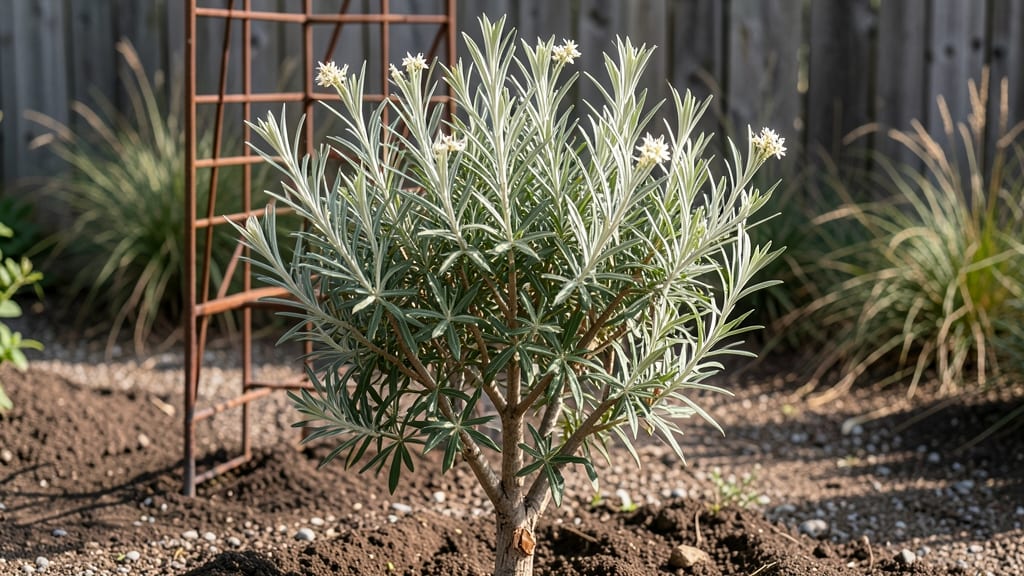
Pruning tea tree in the Pacific Northwest isn’t just about shaping—it’s about survival. This hardy evergreen thrives in our damp winters, but without the right cuts, it can become leggy and vulnerable to rot.
I’ve learned the best times to trim (late winter or early spring) and how to encourage that dense, frost-resistant growth you love.
The key is working with its natural shape. Tea trees hate harsh cuts—think light shaping, not radical pruning. You’ll need sharp shears, gloves (those leaves are sharp!), and a clear day to avoid spreading disease.
Most gardeners overdo it, but this plant rewards patience with thick, healthy foliage that keeps its scent year-round.
What you’ll end up with is a tree that looks fuller, smells stronger, and handles our wet winters like a champ. The essential oil content even improves with proper pruning, making it more valuable for homemade remedies. Just avoid cutting into old wood—new growth is where the magic happens.
Works for both small container trees and larger landscape specimens. The same principles apply whether you’re growing it in your yard or a big pot on your deck. Let’s get those shears ready!
📚 In This Guide
- What you need
- Instructions
- Tips and common mistakes
- Wrapping up and next steps
What you need
- ● Pruning shears: Bypass pruners (sharp, 7–9" blades) for clean cuts on small branches. Quantity: 1 pair.
- ● Loppers: Bypass or anvil type (16–24" handles) for thicker branches (½"–1.5" diameter). Quantity: 1 pair.
- ● Pruning saw: Curved-tooth for branches >1.5" thick. Quantity: 1.
- ● Gloves: Heavy-duty, cut-resistant (protect from thorns and sap). Quantity: 1 pair.
- ● Disinfectant: 70% isopropyl alcohol or rubbing alcohol to sterilize tools between cuts. Quantity: Small bottle.
- ● Rags or paper towels: For wiping tools and hands. Quantity: 2–3.
- ○ Anti-desiccant spray: Optional but helpful for post-pruning (e.g., Wilt-Pruf) to protect tender cuts in winter. Quantity: 1 spray bottle.
- ● Burlap or frost cloth: Lightweight to wrap young/weak branches if early frost is forecasted. Quantity: 1 roll or sheet.
- ● Sharpie or label markers: For marking branches to prune (if planning ahead). Quantity: 1.
- ● Check the tea tree’s dormancy period—prune in late winter or early spring (Feb–March in PNW) before new growth starts.
- ● Verify the tree is healthy (no signs of disease like leaf spot or powdery mildew).
- ● Have a clear day planned (no rain or wind) to avoid stressing the tree.
How to prune tea trees for Pacific Northwest resilience
Tea trees thrive in our region’s mild winters—here’s how to shape them for cold-hardy growth.
Time Your Pruning for Frost Resistance
Prune tea trees in late winter or early spring, just before new growth begins. This timing ensures the plant has time to harden off before winter’s final frost. In the Pacific Northwest, aim for February through March when temperatures stabilize above 40°F at night. Avoid pruning in fall—new growth won’t have time to mature before cold snaps arrive.
Look for dormant buds along the branches as your cue. These small, swollen areas indicate where new growth will emerge. Pruning too early in winter risks exposing fresh cuts to late frosts, while waiting too long removes potential flowering wood. If you miss the window, late summer is the second-best time, but growth will be less vigorous before winter.
Remove Dead or Damaged Wood First
Start by inspecting the tree for dead, diseased, or broken branches. These are easy to spot—they’ll be dry, brittle, or lack leaves. Use clean, sharp pruning shears to make cuts just outside the branch collar, the swollen area where the branch meets the trunk. Cutting too close can damage the tree, while leaving a stub slows healing.
If a branch is larger than ½ inch in diameter, use loppers or a pruning saw for a clean cut. Avoid tearing the bark, which invites pests and disease. Once you’ve removed the dead wood, the tree’s energy can focus on healthy growth. This step is non-negotiable—dead branches won’t regenerate and can harbor fungal spores that threaten the rest of the plant.
Thin the Canopy for Airflow and Light
Tea trees need good airflow to prevent fungal issues like powdery mildew, common in our damp climate. Step back and look for branches that cross or rub against each other. Remove one of the competing branches at its base, cutting just outside the collar. This opens the canopy and reduces humidity trapped inside the foliage.
Also, target branches growing inward toward the center of the tree. These shade out lower branches and create a dark, moist environment. Aim to reduce the canopy’s density by 20-30%—enough to improve airflow without over-thinning. You’ll notice new growth filling in gaps within 4-6 weeks if the timing was right.
Shape for Structure and Frost Protection
Tea trees naturally grow in a rounded form, but pruning helps reinforce their resilience. Focus on reducing height by cutting back the tallest branches to a strong lateral branch or bud. This lowers the tree’s center of gravity, making it less prone to wind damage in storms—a common issue in the PNW’s coastal areas.
For younger trees, prune to encourage a strong central leader (the main upward-growing stem). Older trees benefit from light heading cuts—trimming the tips of branches to promote bushier growth. Avoid heavy pruning more than once every 2-3 years, as tea trees respond best to gradual shaping. After pruning, the tree will direct energy to thicker, sturdier branches that better withstand frost.
Clean Up and Protect the Tree
After pruning, sterilize your tools with rubbing alcohol to prevent spreading disease. Collect and dispose of all clippings—don’t leave them under the tree, as they can harbor pests. If you notice sawdust-like residue on the ground after cutting, it’s a sign of fungal spores; rake up debris immediately.
Apply a balanced, slow-release fertilizer around the base of the tree to support new growth. Water deeply but avoid soaking the pruned areas, which can invite rot. In the Pacific Northwest, where winters are mild but damp, a light mulch layer (about 2 inches) helps insulate roots. Monitor the tree for new growth within 3-4 weeks—this confirms the pruning was successful.
Tips & tricks for perfect tea tree pruning
Here's what nobody tells you about shaping tea trees for our region's tricky climate—these are the details that make all the difference between a tree that survives and one that thrives.
Timing is Everything: The February through March window isn't just about avoiding frost—it's about catching the tree when it's already preparing to grow. I've seen trees pruned in January develop frost damage on fresh cuts, while those pruned in April miss the flowering wood. Look for those swollen dormant buds as your visual cue—they're nature's countdown timer. If you miss this window, late summer is your backup, but expect slower recovery before winter.
Tool Precision Matters: I can't emphasize this enough: using dull shears leaves ragged cuts that heal poorly and invite disease. Test your tools first—clean cuts should be smooth, not tear the bark. For branches larger than ½ inch, switch to loppers immediately. I keep a small bottle of rubbing alcohol with my tools to sterilize between cuts, especially when dealing with diseased wood. This simple step has saved me from losing trees to fungal spread.
Canopy Density Secret: That 20-30% thinning target isn't arbitrary—it's the sweet spot for airflow in our damp climate. I learned this the hard way when a tree developed powdery mildew after a heavy pruning session. Step back and imagine sunlight filtering through the branches. You're aiming for dappled light patterns on the ground below, not solid shade. The 4-6 week growth response confirms you've hit the right balance.
Frost Protection Technique: When you're shaping for height reduction in Step 4, always cut back to a strong lateral branch or bud. I've seen too many trees develop weak growth when cut too close to the trunk. Think of it like building a sturdy scaffold—each cut should leave a solid foundation for new growth. This technique has helped my trees withstand coastal storms that would snap less carefully pruned branches.
Pro Tips for Tea Tree Tree
- Here's what nobody tells you about shaping tea trees for our region's tricky climate—these are the details that make all the difference between a tree that survives and one that thrives.
- Timing is Everything: The February through March window isn't just about avoiding frost—it's about catching the tree when it's already preparing to grow.
- Tool Precision Matters: I can't emphasize this enough: using dull shears leaves ragged cuts that heal poorly and invite disease.
Frequently asked questions
Got questions about pruning your tea tree (Melaleuca) in the Pacific Northwest? You’re not alone! Here are answers to the most common concerns—from timing to troubleshooting—so you can keep your frost-hardy beauty thriving.
When’s the best time to prune a tea tree in the PNW?
The ideal window is late winter to early spring (February–March), just before new growth starts. This avoids stressing the tree during dormancy or exposing it to late frosts. If you miss this, light pruning can happen in summer—but avoid heavy cuts then, as it may encourage tender new growth vulnerable to frost.
Can I prune a tea tree after a hard frost?
Wait until after the frost threat has passed (check your local frost-free date!). Pruning damaged branches is fine, but avoid heavy cuts—focus on removing only dead or broken wood. Tea trees are tough, but frost-stressed plants need time to recover before major shaping.
How much can I trim back a mature tea tree?
Never remove more than 1/3 of the tree’s foliage in one session. Tea trees respond well to light pruning but can struggle with aggressive cuts. For shaping, aim for 10–20% reduction annually. If your tree looks overgrown, space pruning over 2–3 years to avoid shock.
What should I do if my tea tree gets pests after pruning?
Pruning wounds can attract pests like psyllids or aphids. To prevent this, sterilize tools with rubbing alcohol, seal larger cuts with pruning sealant, and monitor for signs of infestation (sticky residue, curled leaves). A strong spray of neem oil or insecticidal soap can help if pests appear.
Are there frost-resistant alternatives to tea tree?
If you love the look but want extra cold-hardy options, consider Oregon grape (Mahonia) (Zone 5–9) or leatherleaf mahonia (Zone 5–8). Both thrive in PNW winters, offer similar texture, and require minimal pruning. For a true tea tree vibe, stick with Melaleuca ‘Nana’, which tolerates light frosts (Zone 8–10).
Wrapping up and next steps
Tea tree pruning in the Pacific Northwest doesn’t have to be intimidating—with the right tools, timing, and techniques, you can encourage frost-resistant growth while keeping your tree healthy and thriving. 🌿 Whether you’re trimming for shape, airflow, or rejuvenation, remember that patience and consistency are key.
Your efforts will reward you with a sturdy, resilient tea tree that stands up to the region’s unique climate.
Ready to take the next step? Start by observing your tree’s natural growth patterns and scheduling your first pruning session this fall or early spring. With each cut, you’re not just shaping a plant—you’re nurturing a future-proof garden staple! 🌱